

Carved Mirror Table
These carved mirror table pieces unite reflective glass with substantial wood frames and console bases, offering both functional vanity surfaces and decorative depth for a room.
Carved Mirror Table
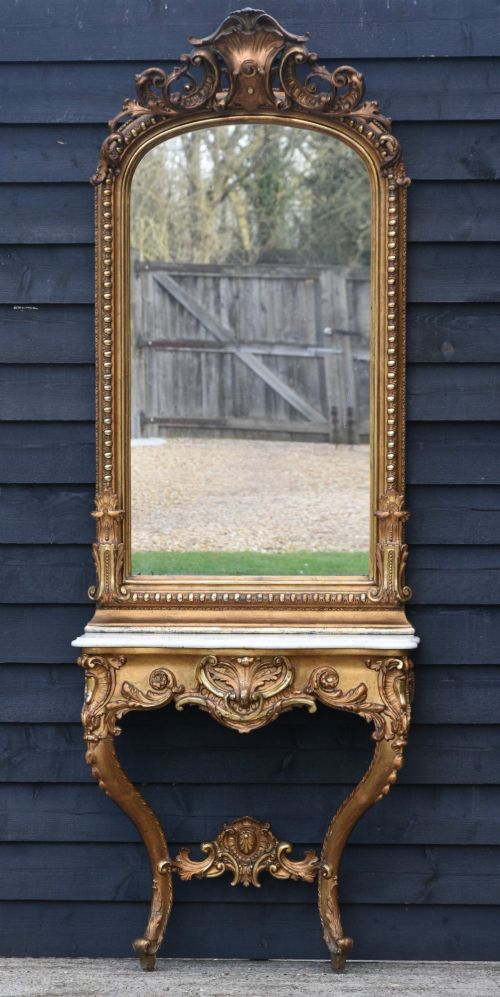
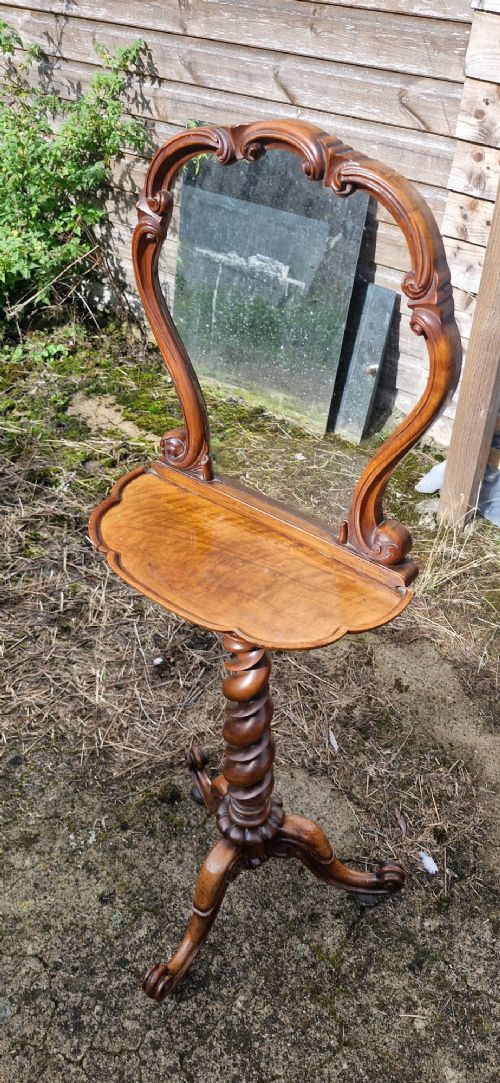
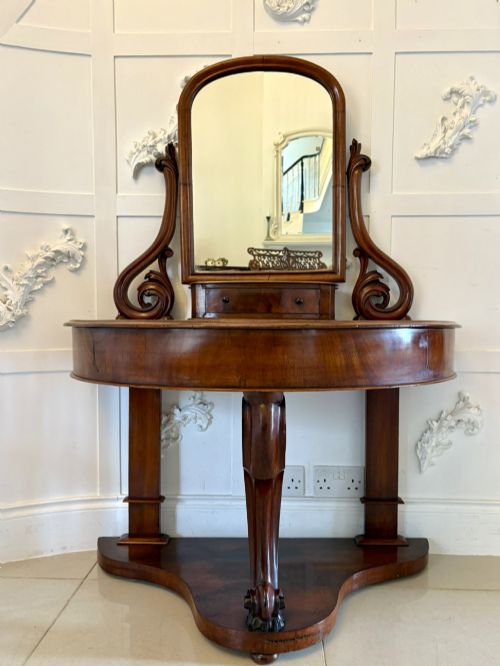
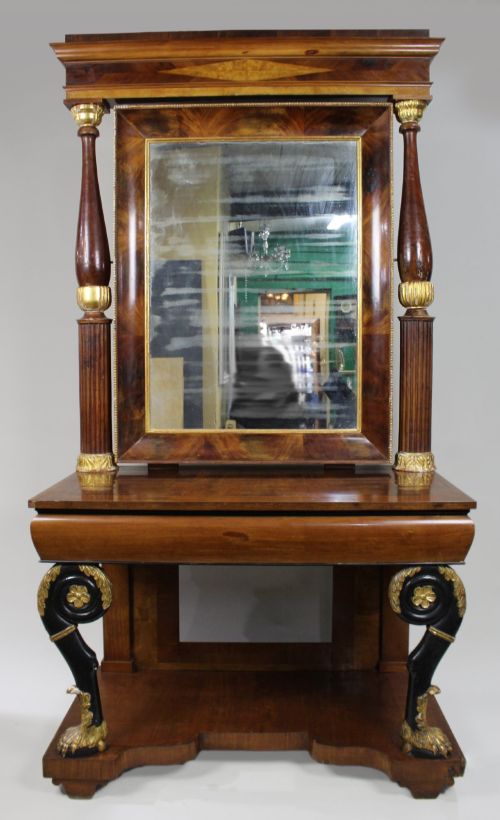
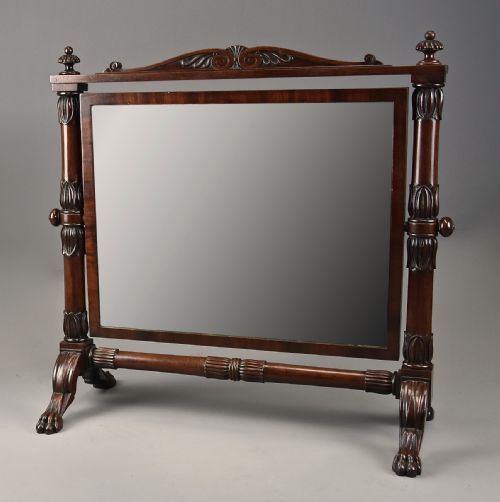
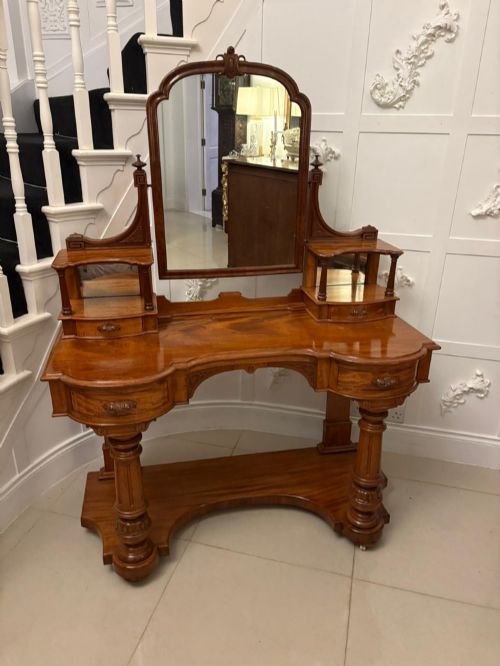
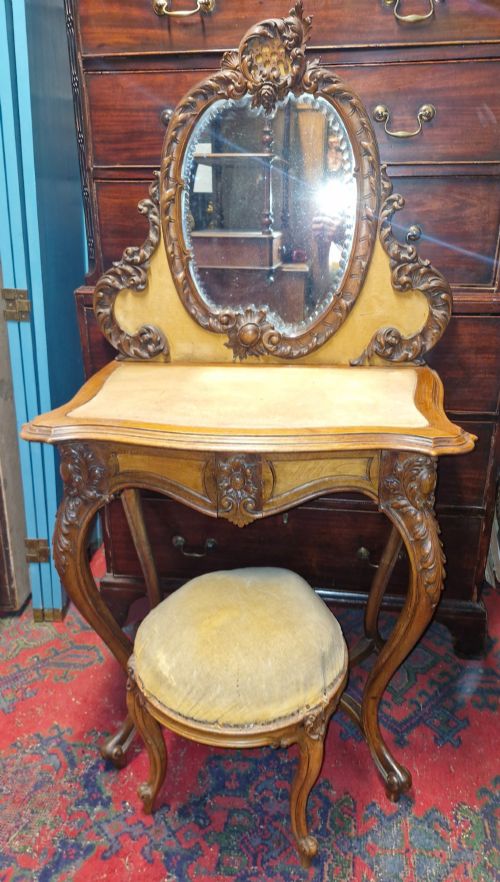
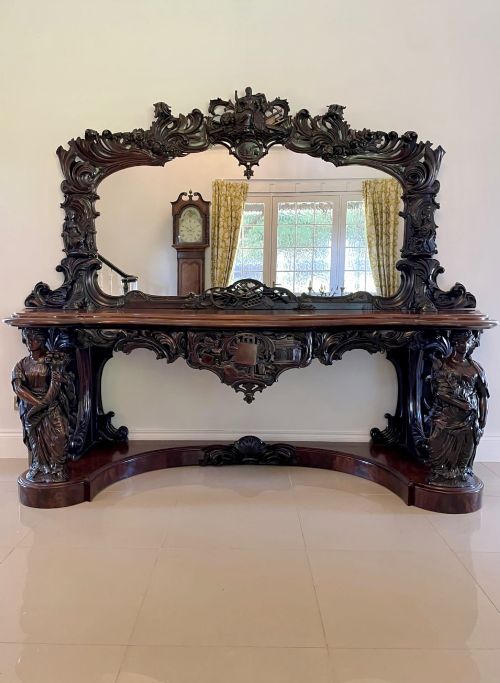
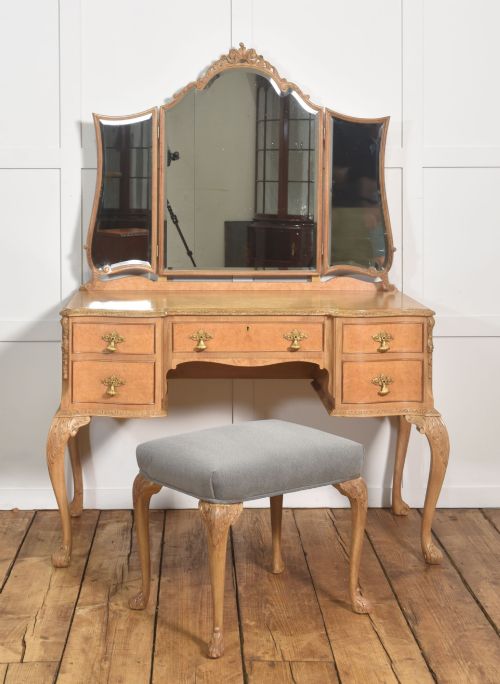
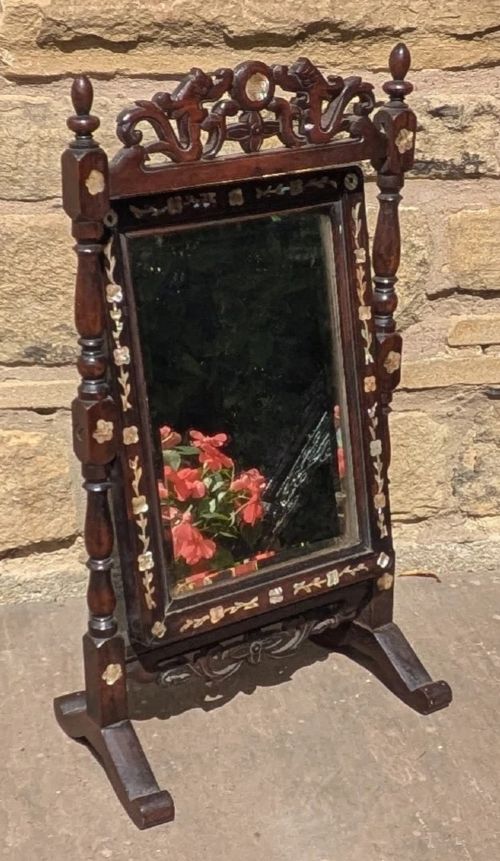
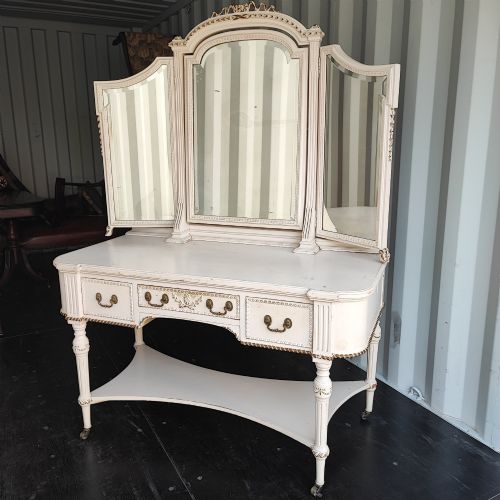
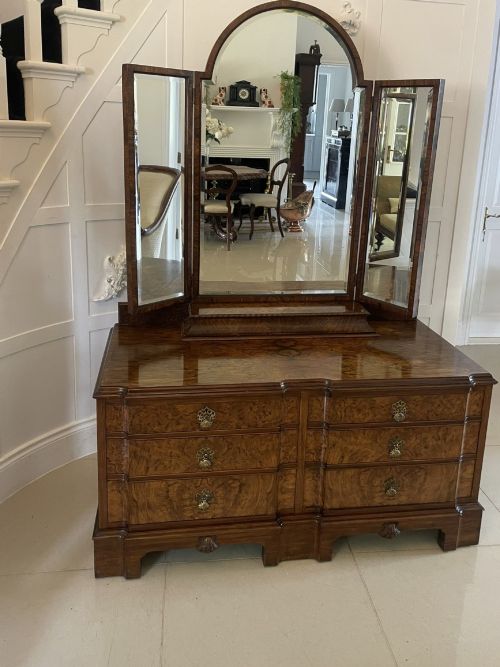
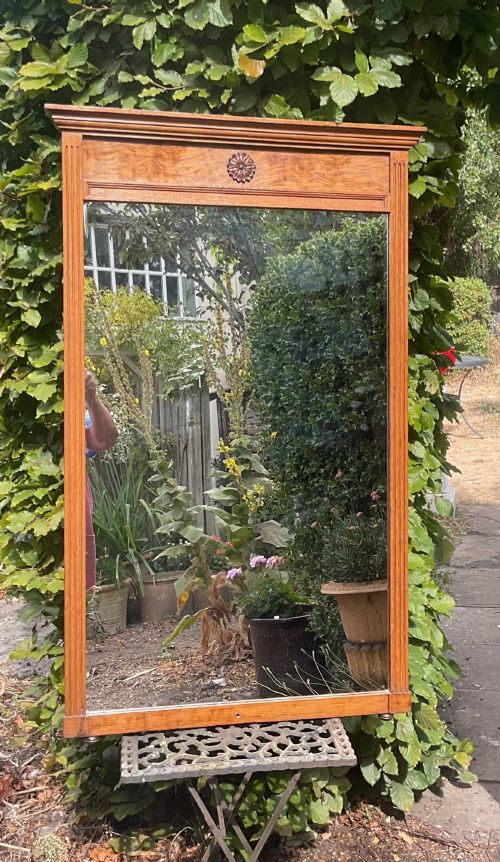
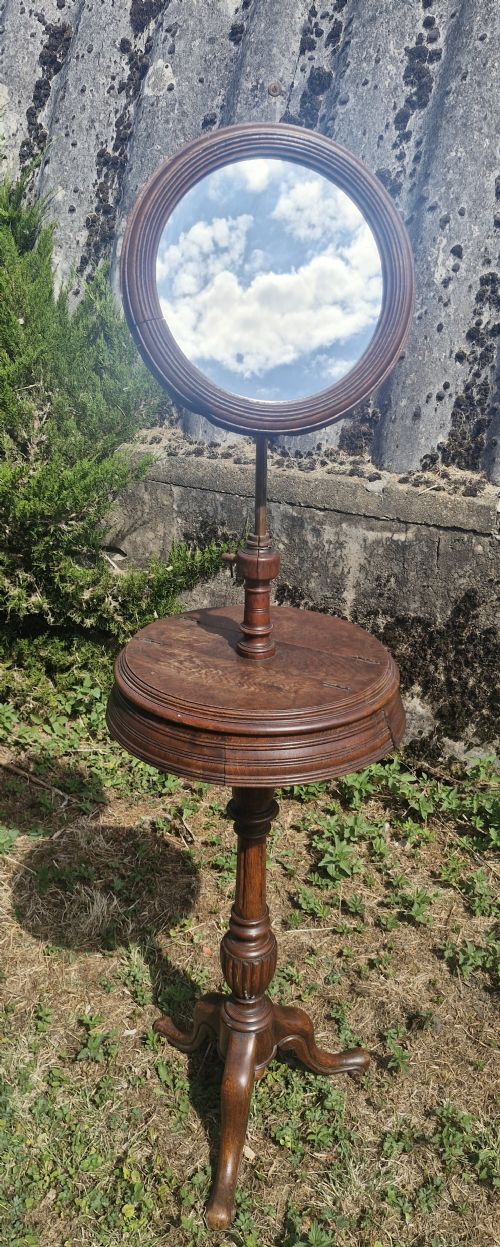
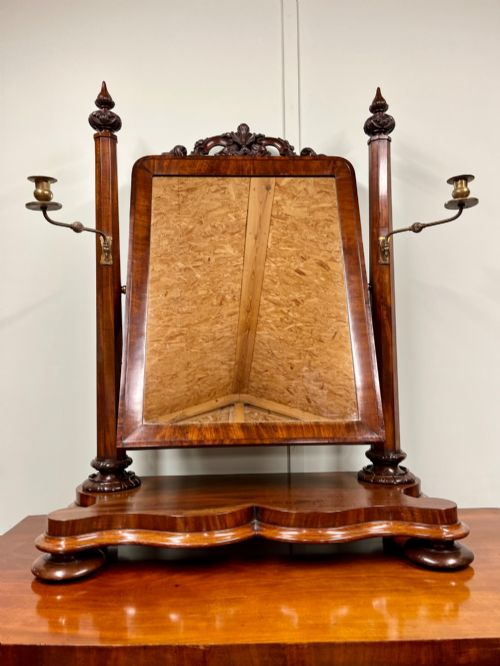
A carved mirror table combines a reflective glass element with a supportive wooden or giltwood base, frequently appearing as dressing tables with attached swing mirrors, cheval mirrors, or grand console tables paired with matching pier glasses.
The pieces on this page span the nineteenth and early twentieth centuries, drawing heavily on Victorian, Edwardian, and Regency aesthetic traditions alongside continental French Rococo and Italian revival styles.
Buyers seeking this phrase encounter everything from compact table-top toilet mirrors to large exhibition-quality console sets featuring integrated marble tops and elaborate carved frames.
Materials and construction
Cabinet makers utilised dense hardwoods such as mahogany, walnut, oak, and rosewood, often selecting figured veneers or burr variations to provide rich surface grain.
Decorative embellishments rely on hand-carved details in lime wood, oak, or pine, alongside applied gesso and giltwood treatments that mimic French and Italian baroque forms.
Reflective elements utilise traditional mirror glass set within pivoting frames or secured above marble-topped console bases with brass hardware and adjustable supports.
Listings demonstrate a strong representation of Victorian walnut and mahogany pieces, alongside Edwardian golden oak furniture.
Assessing quality and execution
The distinction between standard domestic output and exhibition-grade pieces rests in the depth and crispness of the hand carving, particularly around acanthus scrolls and figural motifs.
Superior examples demonstrate meticulous timber selection, such as matching flame mahogany or burr walnut veneers, paired with heavy cast brass fittings and intact original mercury or silvered mirror plates.
Maples of London and Paris·Waring & Gillows·Gillows
The Carved Mirror Table Glossary
- Console table
- A table designed to stand against a wall, frequently secured to the brickwork or paired with a matching wall mirror above. These pieces often feature shaped marble tops and elaborately carved giltwood frames.
- Cheval mirror
- A full-length mirror hung on a vertical swivelling frame, allowing the glass to tilt at various angles. They stand independently on four feet or floor supports.
- Toilet mirror
- A smaller table-top dressing glass mounted on upright supports above a small base drawer. They gained popularity during the Georgian and Victorian periods for personal grooming.
- Pier mirror
- A tall mirror designed to hang on the narrow wall space between windows, frequently positioned directly above a matching console table.
- Gesso
- A plaster-like mixture applied to wood surfaces and carved or moulded before gilding. It provides the sharp relief seen on many continental and revival frames.
Carved Mirror Table: Frequently Asked Questions
How do I date a Victorian dressing table?
Dating relies on examining the timber construction, drawer linings, and the style of the carved ornament.
Earlier Victorian examples often employ solid flame mahogany with hand-cut dovetails, while later pieces from the 1880s and 1900s embrace burr walnut, ebonised details, or revival movements.
Where should I place a console table and mirror?
These combinations suit entrance hallways, principal reception rooms, or dining spaces where they create an immediate focal point.
Positioning them beneath natural light enhances the reflective glass and highlights the carved giltwood or timber grain of the base.
Are swing mirrors original to these tables?
Most surviving tables retain their original pivoting mirrors, secured by matching brass screw caps and upright support arms.
Slight variations in timber patina between the glass frame and the table base require careful inspection to confirm period pairing.