




Rococo Carved Wooden Mirror
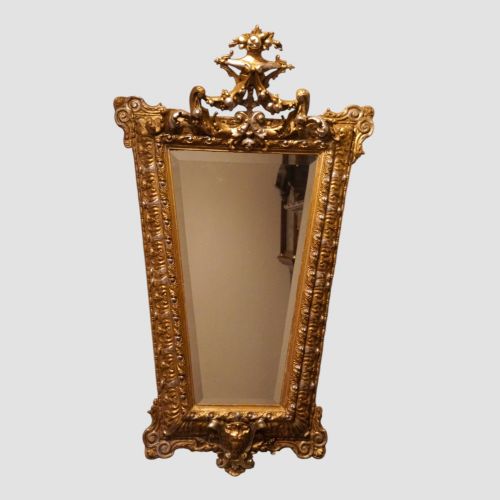
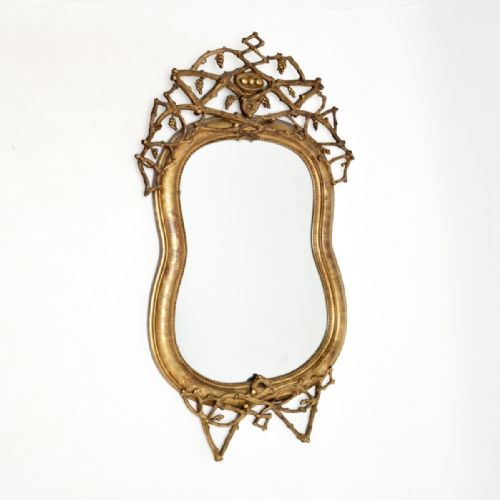
A rococo carved wooden mirror brings swirling asymmetrical leafwork and naturalistic curves into a room, offering both functional reflection and dramatic wall sculpture.
Rococo Carved Wooden Mirror
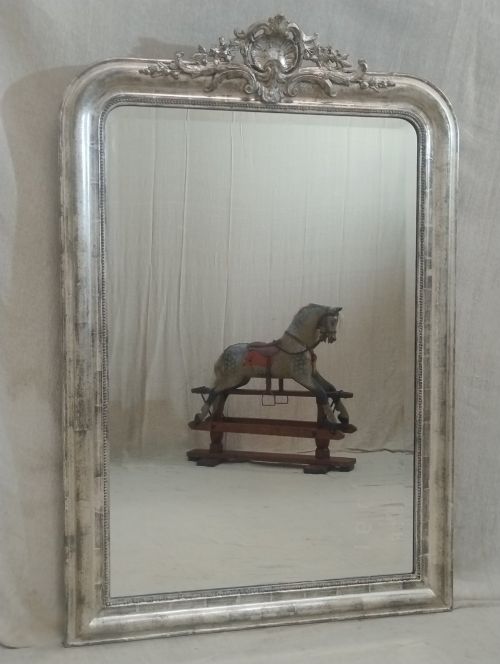
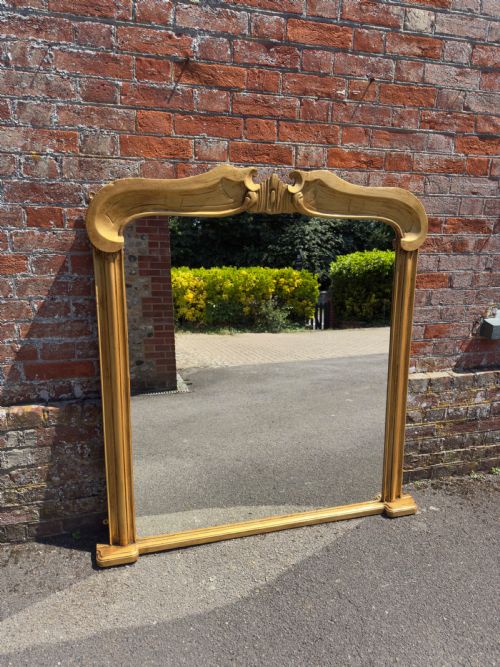
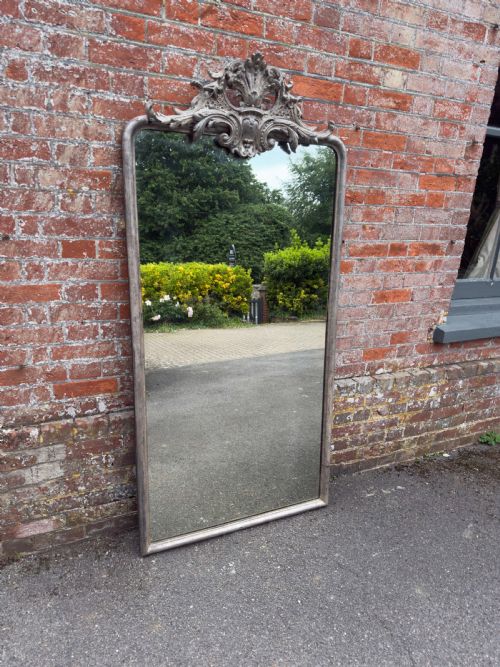
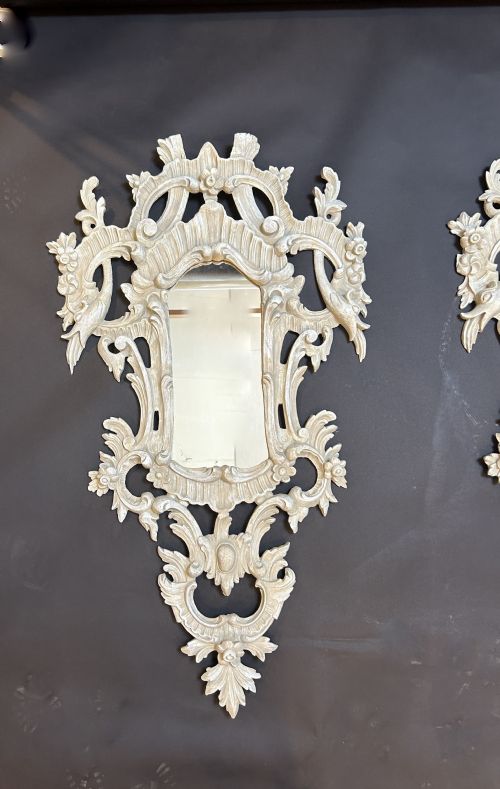
When you search for a rococo carved wooden mirror, you encounter reflective pieces spanning the eighteenth century through to the late nineteenth and early twentieth centuries. These objects take the form of wall mirrors, overmantel glasses, picture frames, and pier glasses created in English, French, and Italian workshops.
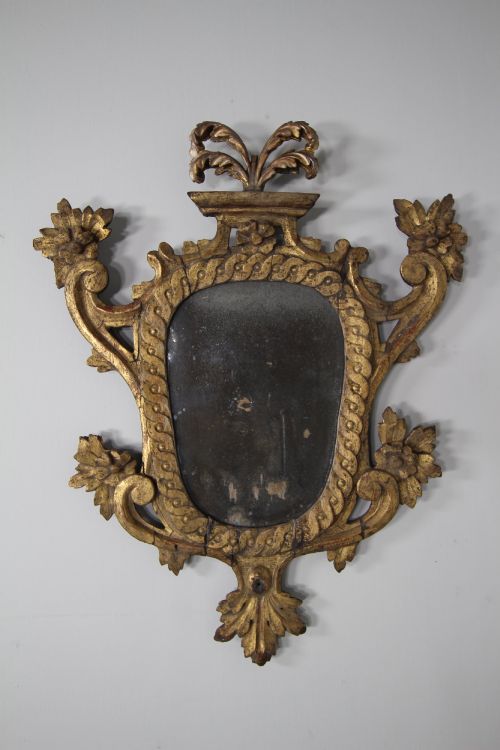
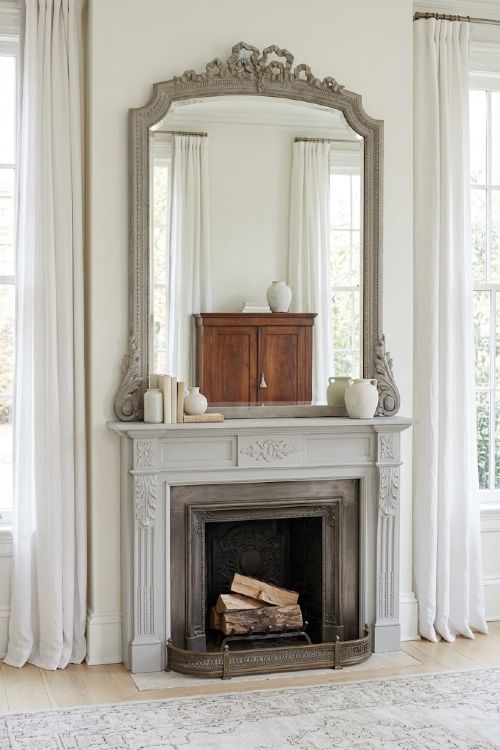
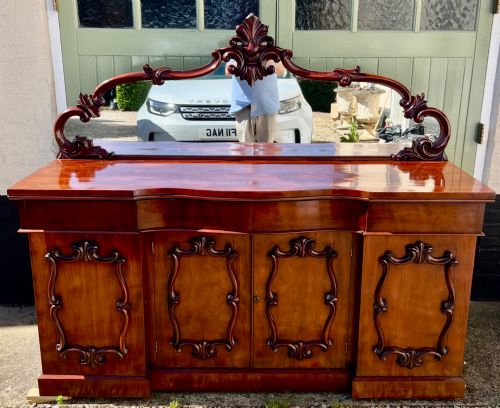
The most common examples on this page date from the nineteenth century, reflecting nineteenth-century revivals of earlier French and Italian tastes. They appear in varied formats, from diminutive oval frames to large architectural overmantels designed to sit above a fireplace.
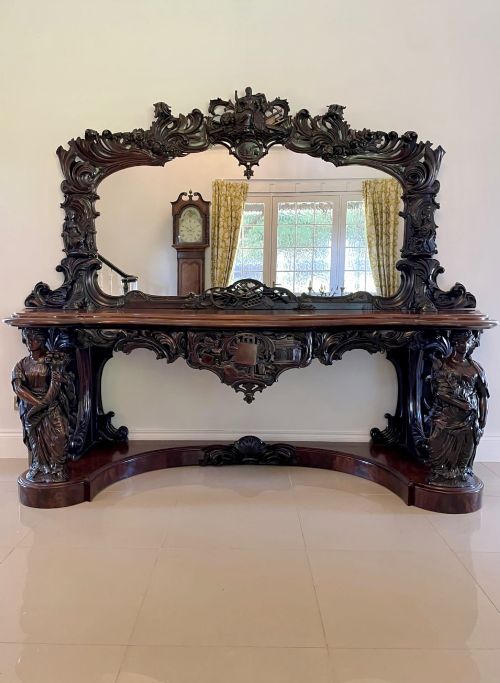
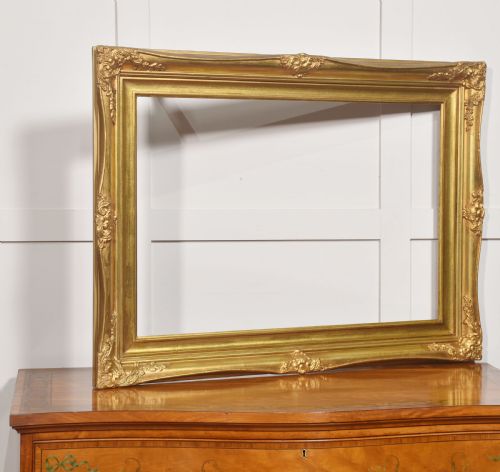
Beyond standard hanging mirrors, the selection includes related forms like trumeau panels and carved wooden frames originally intended for paintings. Each piece employs carved timber foundations shaped into the scrolling C-scrolls and foliage characteristic of the style.
How they were made
The foundation of a rococo carved wooden mirror begins with solid timbers such as oak, mahogany, walnut, sycamore, or fruitwood, shaped by hand with gouges and chisels. Craftsmen then applied layers of gesso - a mixture of chalk and binder - over the carved wood to build up crisp relief details before gilding or painting.
Surfaces were frequently finished with gold leaf, silver leaf, or metal gilt applied over the gesso ground, whilst other examples received plain paint finishes or left the natural grain of woods like oak and walnut exposed. The glass plates themselves were often hand-bevelled or engraved, fitted behind timber rebates and secured with wooden backs.
The listings span from the eighteenth century through the Victorian era, utilising materials like gesso, gold leaf, mahogany, and walnut.
What varies in quality
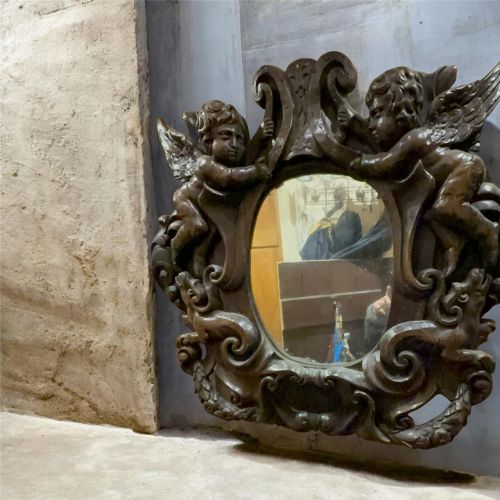
The distinction between ordinary and exceptional examples lies in the depth and crispness of the carving itself. Skilled carvers undercut the wooden foliage and scrolls so they appear to lift freely from the background, whereas lesser pieces rely on thick gesso build-ups to simulate fine relief.
Material quality also dictates value, seen in the purity of the gold leaf application, the weight of the underlying timber frame, and whether the mirror plate retains its original hand-silvered or engraved characteristics rather than modern replacement glass.
The Rococo Carved Wooden Mirror Glossary
- Giltwood
- Timber that has been coated with a very thin layer of gold leaf or metal leaf over a prepared ground. This finish catches candlelight and daylight, adding warmth to the carved surfaces.
- Overmantel Mirror
- A large horizontal mirror designed specifically to hang on the wall directly above a fireplace mantelpiece. These pieces often incorporate architectural proportions to anchor the hearth area.
- Trumeau Mirror
- An upright wall mirror paired with an oil painting or a carved wooden panel set into the same frame. Originating in French interior decoration, they filled the wall space between windows.
- C-scroll
- A principal decorative motif of the rococo style shaped like the letter C, forming asymmetrical, curving flourishes. It dominates the framework of mirrors and console tables from this period.
Rococo Carved Wooden Mirror: Frequently Asked Questions
Where should I hang a rococo carved wooden mirror?
These mirrors suit principal living spaces, hallways, and bedrooms where their decorative frames can act as focal points. Placing them above a fireplace mantel or a console table follows historical placement traditions.
Ensure the wall fixings match the substantial weight of timber and gesso frames. Positioning them opposite a window also helps maximise reflected light within the room.
How do I identify a true period piece?
Examine the construction of the wooden frame at the reverse, looking for old fixings, hand-cut joinery, and the natural oxidation of the timber. Period pieces show consistent ageing across the wooden substrate and the gesso layers.
Hand-silvered mirror plates with minor foxing or distortion also indicate considerable age. Machine-cut screws and modern backing boards usually point towards later reproduction work.
Can these mirrors be cleaned safely?
Dust the carved wooden elements gently with a dry, soft-bristled brush to remove particles from deep recesses. Avoid using liquid cleaners directly on giltwood or painted surfaces.
Clean the glass plate sparingly with a cloth dampened slightly with water or a mild glass cleaner. Prevent any moisture from seeping behind the glass edges where it could damage the silvering.
What is the difference between French and Italian styles here?
French rococo mirrors typically emphasise fluid, asymmetrical C-scrolls and naturalistic floral motifs inspired by Louis XV designs. They often utilise elaborate gesso and giltwood constructions.
Italian examples frequently incorporate bolder architectural elements, fruitwood carvings, or intricate pierced fretwork. Both traditions share a dynamic approach to movement but express regional decorative preferences.