
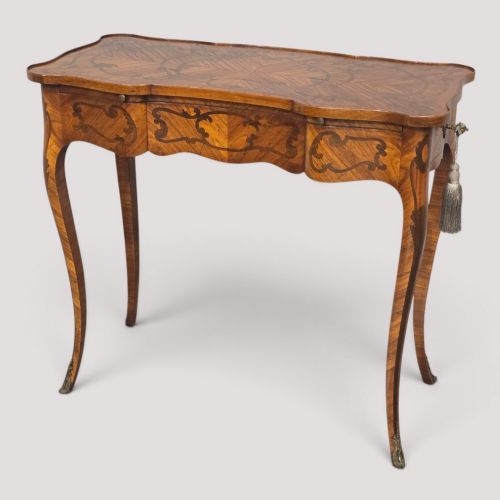
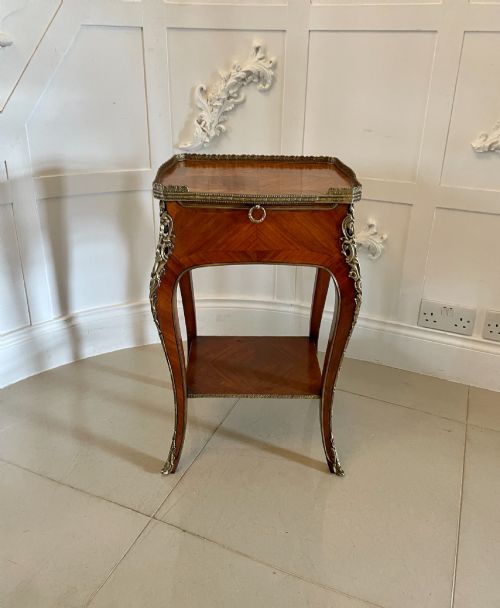
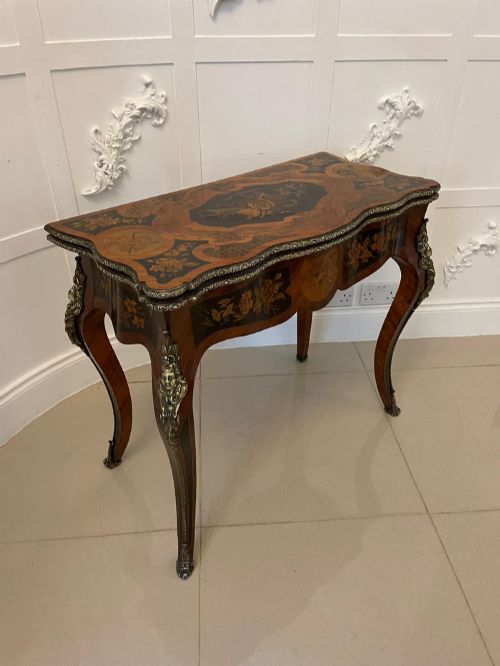
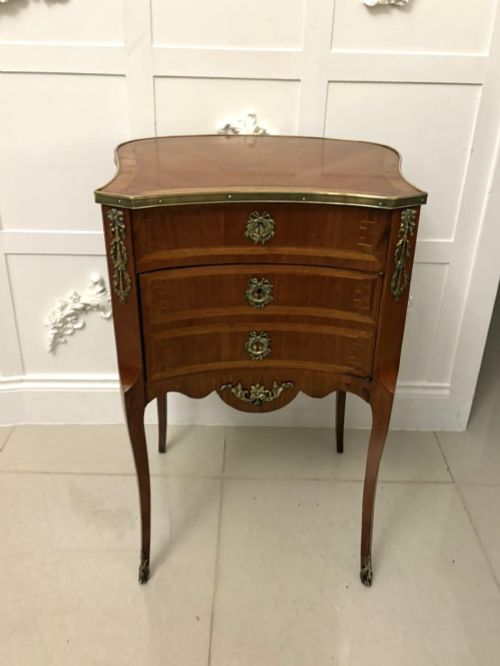

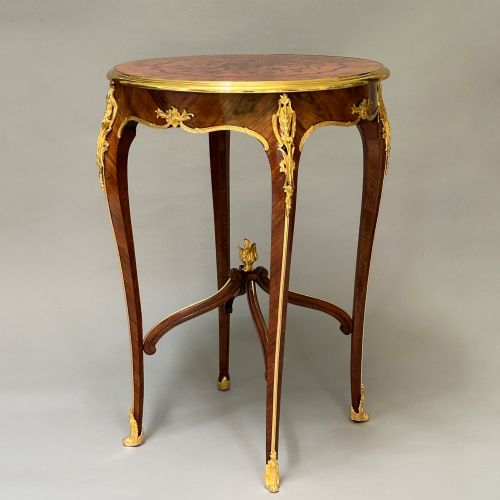
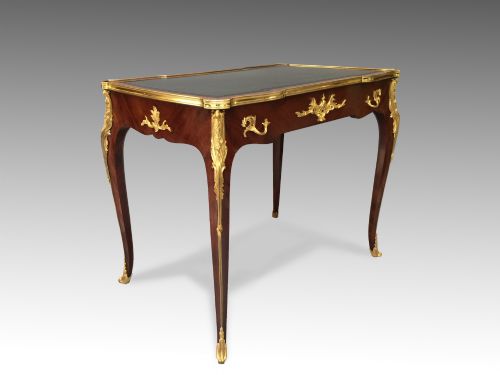
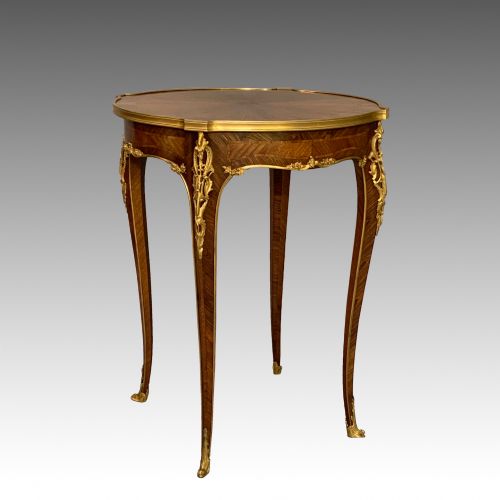
Rococo Cabriole Leg Table
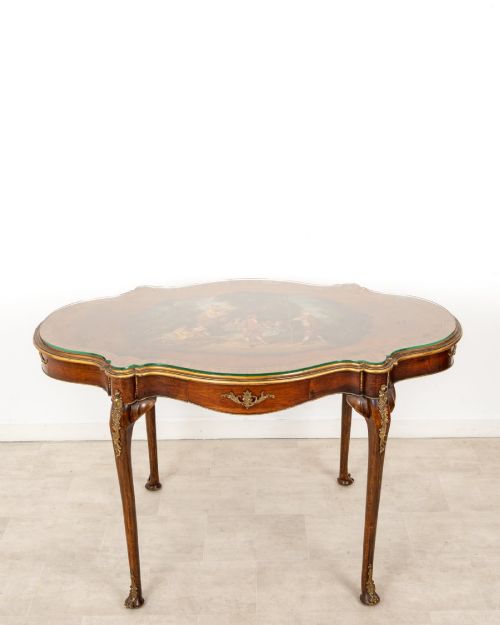
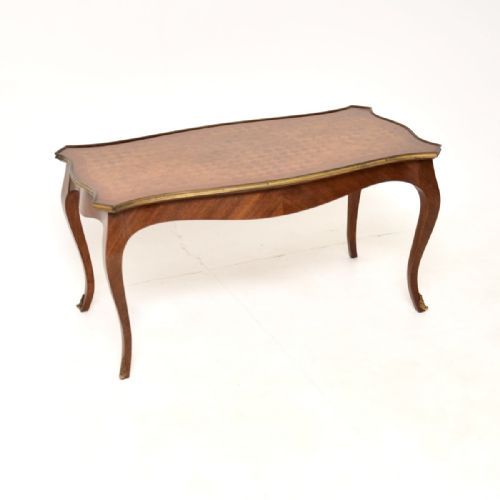
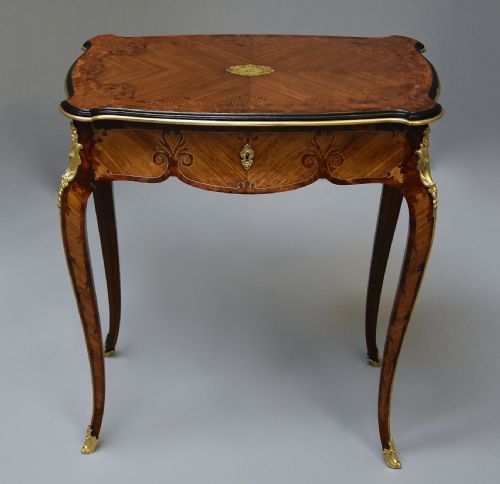
A rococo cabriole leg table brings fluid, serpentine lines and rich marquetry into a room, offering both historical charm and practical surface space.
Rococo Cabriole Leg Table
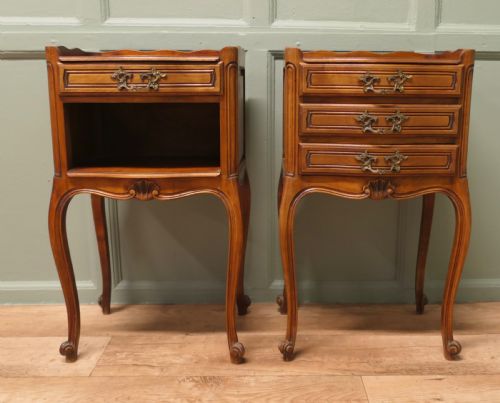
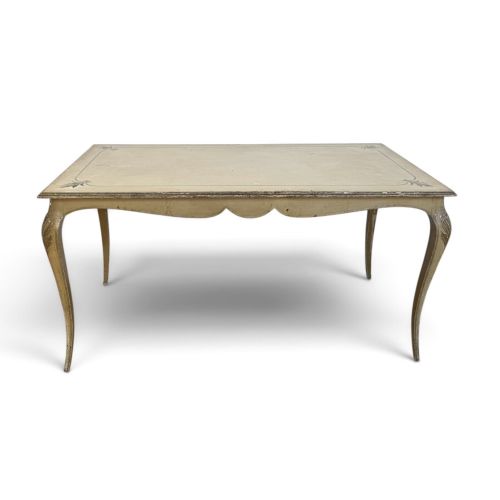
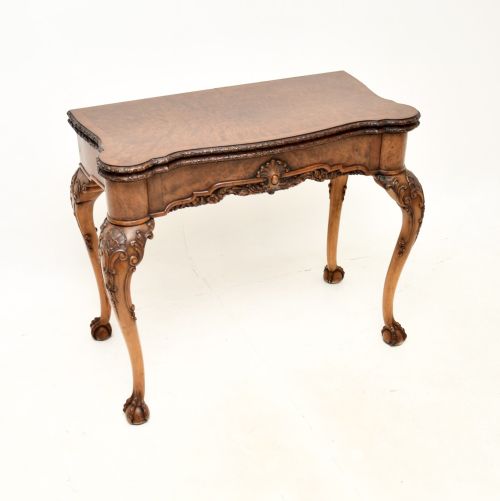
When searching for a rococo cabriole leg table, buyers encounter a variety of forms rooted in nineteenth-century revivals and continental cabinet-making traditions. The selection spans utilitarian surfaces and decorative furnishings designed for domestic interiors.
The most common versions met on this page include side tables, writing desks, and occasional tables originating from the nineteenth century and the early twentieth century. These objects frequently display French design influences such as Louis XV styles and intricate marquetry.
Makers and workshops across this period utilised distinct woods and mounts to produce distinct seating, desks, and small tables. Each piece reflects the enduring popularity of sweeping curves and decorative wood veneers.
How they were made
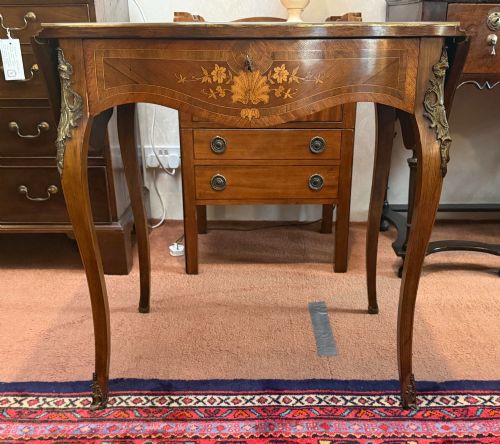
Cabinet-makers built these items using a foundation of solid woods like walnut or mahogany, overlaid with decorative veneers including kingwood, satinwood, and various marquetry patterns. Craftspeople shaped structural elements into characteristic curved profiles to achieve the desired silhouette.
Metal ornamentation played a central role in the construction of finer examples, incorporating cast ormolu and gilt bronze mounts secured to corners, legs, and aprons. Marble tops also appear on certain forms, requiring precise carpentry to support heavy stone inserts safely.
The furniture spans multiple eras of revival design, including Victorian interpretations and twentieth-century French production.
What varies in quality
The standard of execution depends heavily on the precision of the veneer work and the crispness of the cast metal mounts. Master workshops employed thicker veneers and more complex parquetry or floral marquetry, whereas simpler pieces relied on plain polished timber.
Engineering inside mechanical components, such as sliding writing surfaces or secret drawers, distinguishes standard production from exceptional artistry. The fluidity of the hand-carved wooden curves and the integration of ormolu details further separate basic items from sophisticated cabinet-making.
François Linke·Edwards and Roberts·Joseph Emmanuel Zwiener·CH Jeanselme and Co·Durand
The Rococo Cabriole Leg Table Glossary
- Cabriole leg
- A furniture leg that bends outward in a convex curve at the top and inward in a concave curve near the foot, resembling an animal's limb. This silhouette originates from classical furniture design and defines the rococo style.
- Marquetry
- Decorative patterns formed by fitting small pieces of veneer into a wooden support to create pictures or geometric designs. Craftsmen utilised contrasting timbers like kingwood and satinwood to achieve tonal depth.
- Ormolu
- Gilt bronze mounts applied to the edges, feet, and corners of fine furniture to protect vulnerable areas and enhance the visual richness. French makers favored this technique during revival periods.
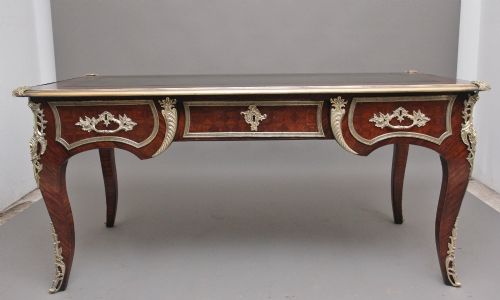
- Bureau plat
- A type of freestanding writing desk featuring a rectangular top inset with leather and one or more drawers in the frieze. These desks typically stand on four slender legs.
- Parquetry
- Geometric wood inlay work arranged in repeating patterns such as cubes, diamonds, or hexagons. It provides a structured decorative surface on tabletops and cabinet doors.
Rococo Cabriole Leg Table: Frequently Asked Questions
What is a bureau plat?
A bureau plat is a flat-topped writing desk designed to stand freely in the middle of a room rather than against a wall. These desks often feature leather-lined writing surfaces and gilt bronze mounts along the frieze drawers.
They emerged as practical yet elegant workspace solutions in French interiors and remain popular for home studies today.
How do I care for marquetry?
Marquetry surfaces require gentle cleaning using a soft, dry cloth to remove dust without abrasive chemicals. Direct sunlight and sudden changes in room temperature should be avoided to prevent the fine wood veneers from drying out or lifting.
Applying occasional appropriate wax polish helps maintain the lustre of the timber and protects the historic finish.
Are these tables French?
Many of the items listed originate from France or follow French design movements closely, particularly the Louis XV revival style. English cabinet-makers also produced pieces incorporating similar serpentine outlines and decorative veneers.
Examining the construction methods and secondary timbers helps clarify the likely workshop origin of each individual piece.
What rooms suit these tables?
Side tables and occasional tables fit comfortably into living rooms, hallways, or bedrooms as functional display surfaces. Their compact proportions make them versatile additions to both traditional and contemporary interior schemes.
Writing desks function well in home offices or studies where a decorative antique focal point is desired.