


Distressed Painted Tea Table
A distressed painted tea table brings tactile character and surface history into a room through weathered finishes and honest timber construction.
Distressed Painted Tea Table
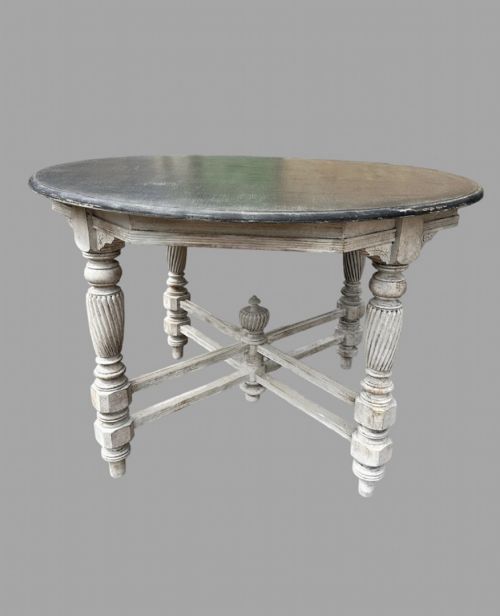
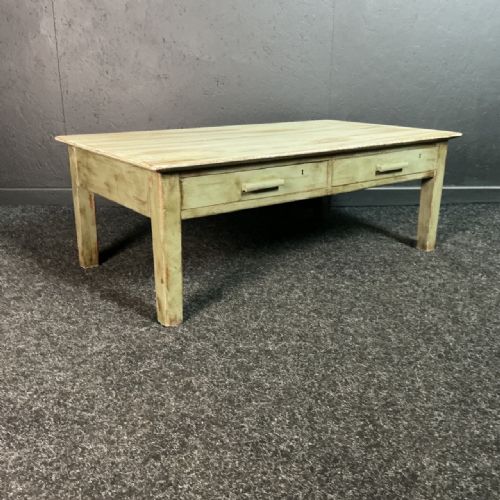
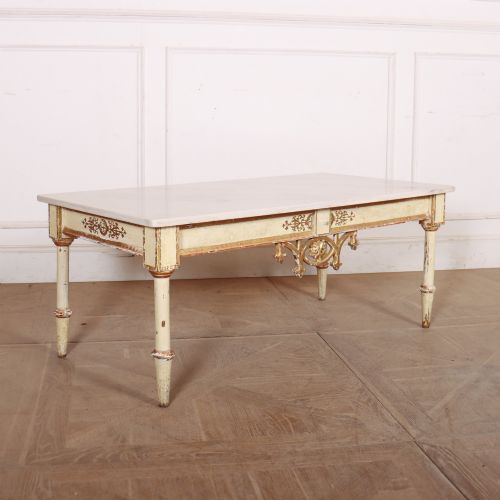
When searching for a distressed painted tea table, you encounter low occasional pieces, coffee tables, and centre tables originating from the nineteenth and early twentieth centuries. These works span rustic farmhouse styles, English and Swedish country aesthetics, and occasional neoclassical flourishes.
The versions most commonly met on this page combine sturdy foundational timbers like oak, pine, and hardwood with worn painted surfaces. Their forms range from drop-leaf designs and spider-leg constructions to broader centre and coffee table proportions.
How they were made
Makers constructed these tables from solid timbers including oak, pine, walnut, and assorted hardwoods, often pairing structural integrity with decorative metal elements like brass. Surfaces received layers of paint that subsequently aged through decades of use.
Joinery suited the domestic purpose of each form, from the nimble framing of spider-leg drop-leaf tables to the robust joints of rustic farmhouse and country occasional pieces.
Spider-leg tables fold their slender limbs like drowsy insects waking up from a long nineteenth-century nap.
What varies in quality
Quality rests in the harmony between the underlying timber and the character of the painted surface, where authentic age creates depth that modern reproduction cannot replicate. The integrity of the foundational structure, whether oak, pine, or hardwood, dictates how well the table bears daily weight.
Proportion and stylistic refinement also separate simpler utilitarian pieces from sophisticated examples displaying Italian or Swedish rococo and neoclassical influences.
The Distressed Painted Tea Table Glossary
- Centre table
- A freestanding table designed to be viewed from all sides rather than pushed against a wall. These anchor a room and often feature decorative painted finishes.
- Drop leaf table
- A table with hinged flaps on either side that fold down to save space or lift up to extend the surface area. Many incorporate slender supports.
- Occasional table
- A small, movable table intended for specific, intermittent uses within a living space. They appear in diverse regional styles.
- Hardwood
- Timber derived from broad-leaved deciduous trees, providing dense and durable construction for tables subjected to frequent use.
Distressed Painted Tea Table: Frequently Asked Questions
How do I use a painted tea table in a modern room?
These tables function as central coffee surfaces or low display areas in a sitting room. Their weathered painted finishes contrast effectively with clean modern upholstery.
Position the piece where its surface character can be appreciated without cluttering the floor space. The varied forms suit eclectic and traditional interiors alike.
What woods were used for these tables?
Constructors utilised regional timbers such as oak, pine, walnut, and general hardwoods depending on the workshop origin. These materials provided the structural strength needed for daily domestic service.
The choice of wood often dictated whether the piece received a simple coat of paint or a more elaborate decorative treatment.
How do I distinguish between regional styles?
English country pieces often display practical simplicity with oak or pine construction, whereas Swedish and Italian variants lean towards rococo or neoclassical elegance. Details in the leg turnings and the tone of the painted finish reveal these geographic origins.
Examining the underlying hardware and timber grain helps clarify the period and stylistic lineage.
Are drop leaf tables practical for everyday life?
Drop leaf variants offer adjustable surface area that adapts when extra space is required. The hinged flaps operate easily to alter the footprint of the furniture.
Their slender legs and folding mechanisms require stable placement on level flooring to ensure secure daily use.