


Rococo Bronze Candelabra
Rococo bronze candelabra combine asymmetrical scrollwork with gleaming metal to illuminate nineteenth-century interiors with lavish, theatrical French flair.
Rococo Bronze Candelabra
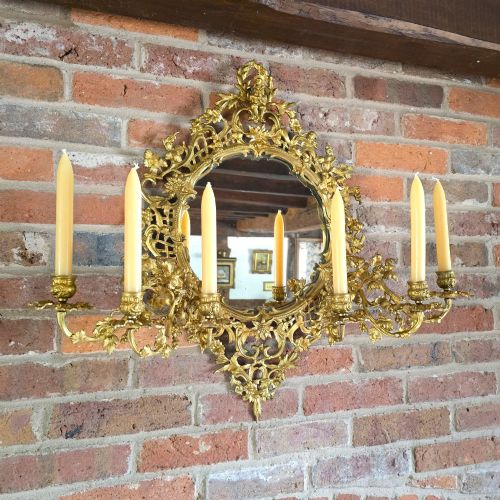
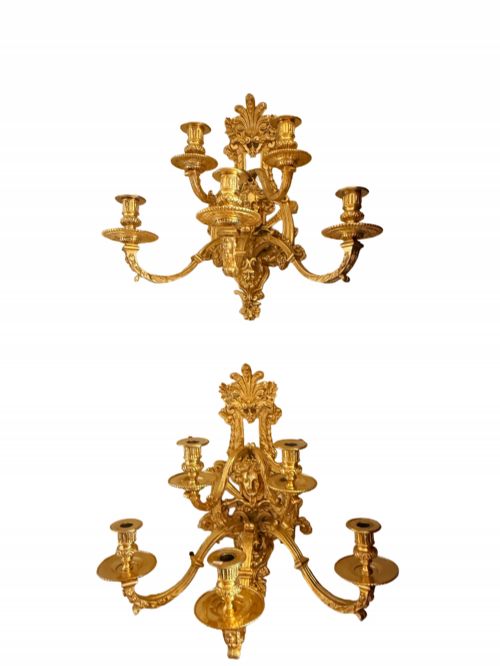
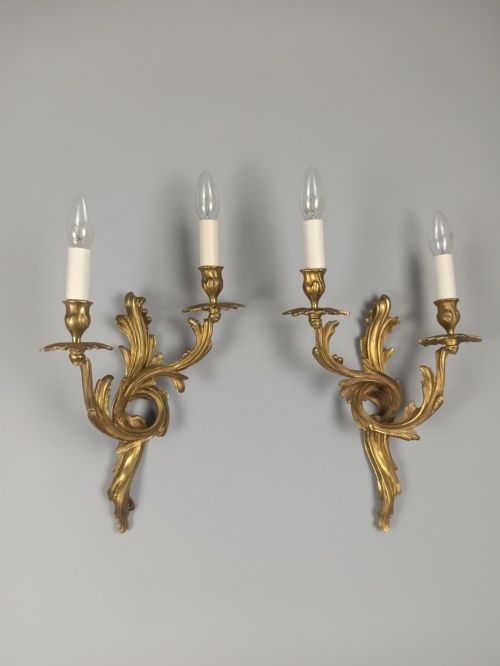
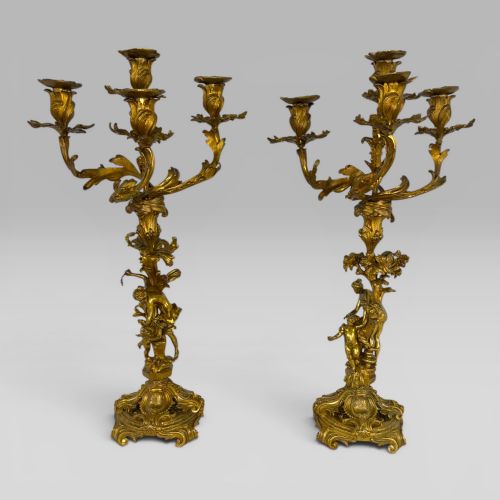
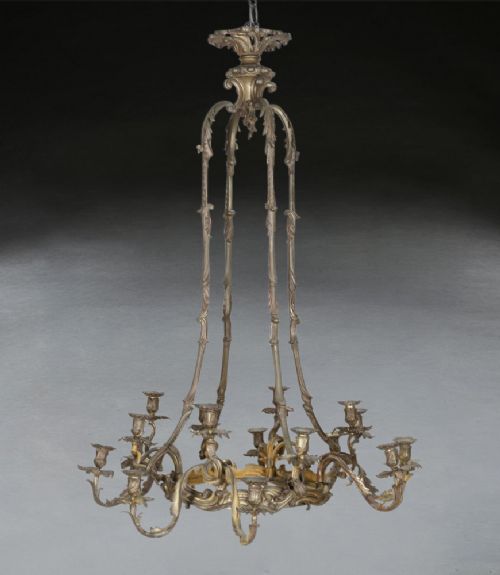
When you search for rococo bronze candelabra, you encounter elaborate nineteenth-century lighting fixtures rooted in French design traditions. These objects range from freestanding pairs designed for mantelpieces to wall sconces and grand multi-branch chandeliers.
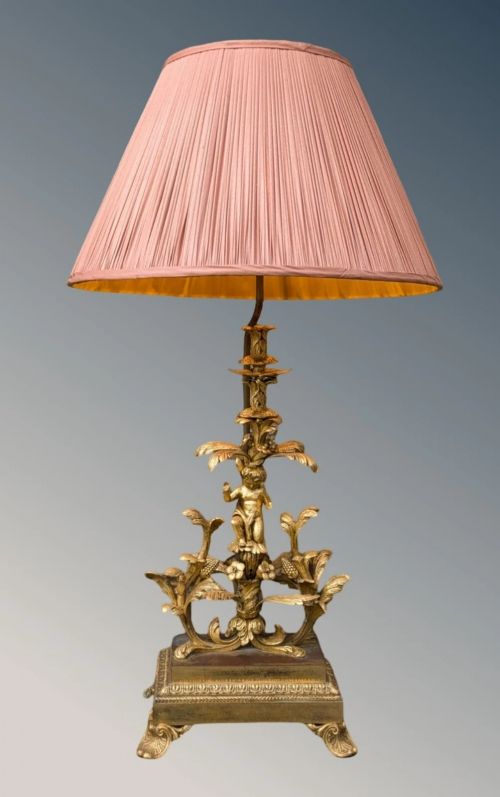
The selections on this page heavily feature French nineteenth-century craftsmanship, including Victorian interpretations, Second Empire pieces, and Louis XV revivals. Alongside traditional candelabra, you will discover related forms such as clock garniture sets, wall lights, and table lamps incorporating the same sculptural motifs.
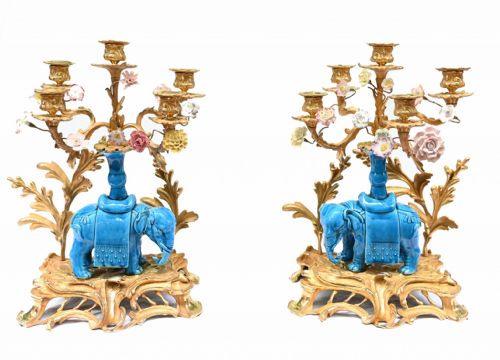
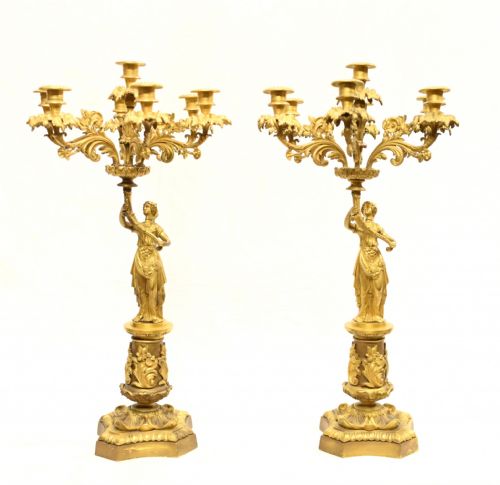
Many examples integrate figural elements like cherubs, puttis, or mythological figures into the scrolling bronze framework. Others combine the metal armature with contrasting materials such as marble bases, porcelain birds, or crystal drops.
How they were made
The foundation of these pieces relies on bronze or brass cast in complex moulds to achieve the characteristic fluid, asymmetrical C-scrolls and plant motifs of the style. Artisans then applied fire-gilding to create ormolu finishes, or polished the bronze to highlight high-relief details.
Many items incorporate mixed media, mounting the cast metal onto carved marble plinths or embellishing the arms with porcelain figures, enamel panels, and cut glass crystals. Multi-branch configurations required precise assembly of individual nozzles and drip pans secured to a central stem.
Listings demonstrate a strong preference for French Second Empire and Louis XV revival styles executed in gilt bronze, ormolu, and marble.
What varies in quality
Heavier bronze casting and substantial marble bases indicate a higher grade of manufacture, whereas lighter brass or hollow assemblies suggest mass production. The integration of high-value secondary components, such as hand-painted porcelain or undamaged crystal prisms, elevates the overall standing of the object.
The Rococo Bronze Candelabra Glossary
- Ormolu
- Gilt bronze created by applying a mercury-gilding amalgam to cast bronze, producing a rich golden lustre. This technique was widely utilised by French bronziers during the eighteenth and nineteenth centuries.
- Garniture
- A set of matching ornamental objects, typically comprising a central clock flanked by a pair of candelabra or vases. They were designed to decorate mantelpieces in formal nineteenth-century reception rooms.
- Chasing
- The manual post-casting process of refining metal surfaces using small hammers and punches. Skilled artisans used this technique to add texture, remove casting flaws, and sharpen relief details.
- Torchère
- A tall standing lamp or candelabrum designed to hold one or more candles. In nineteenth-century interiors, these functioned as dramatic focal points in corners or beside doorways.
- Sconce
- A wall-mounted lighting fixture with multiple branches to hold candles. These pieces projected the flickering illumination across panelled walls and gilded mirrors.
Rococo Bronze Candelabra: Frequently Asked Questions
What is a rococo bronze candelabra?
These are ornate nineteenth-century lighting fixtures cast in bronze or brass, featuring the asymmetrical scrolls, shell motifs, and naturalistic curves characteristic of the revival styles.
They were designed to hold multiple candles and frequently incorporate figures such as cherubs, mythological characters, or porcelain animals within the sculptural framework.
How were these candelabra used?
In period interiors, they occupied prominent positions on mantelpieces, often as part of matching clock garniture sets, or mounted to walls as sconces to reflect candlelight.
Their reflective gilded surfaces amplified the illumination from candles before the widespread adoption of domestic electric lighting.
How do I style them today?
They serve as striking focal points on sideboards, mantelpieces, or entrance consoles, adding architectural weight and historical texture to contemporary or traditional rooms.
You can display them as paired matching sets or utilise single wall sconces to introduce metallic warmth and sculptural depth to an interior wall.
How can I tell the period?
Dating relies on examining the casting quality, the composition of secondary materials like marble or porcelain, and the specific nuances of the revival style.
Nineteenth-century interpretations often display heavier bronze casting methods and machine-assisted finishing techniques that distinguish them from eighteenth-century originals.