



Rococo Brass Vanity Mirror
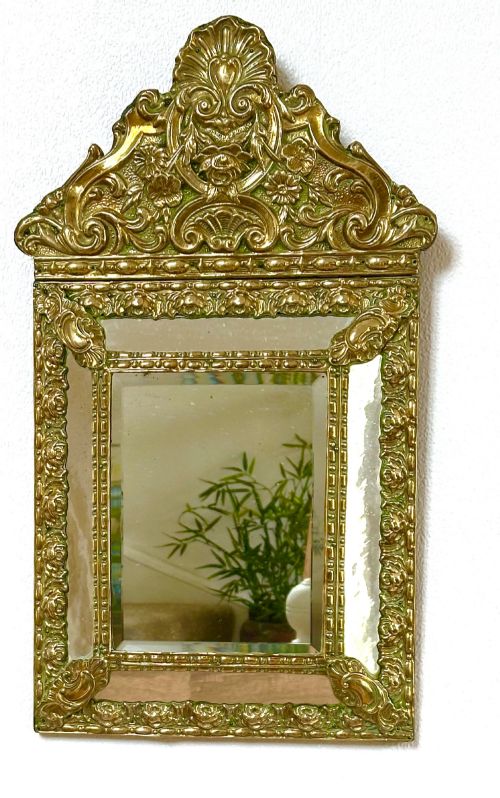
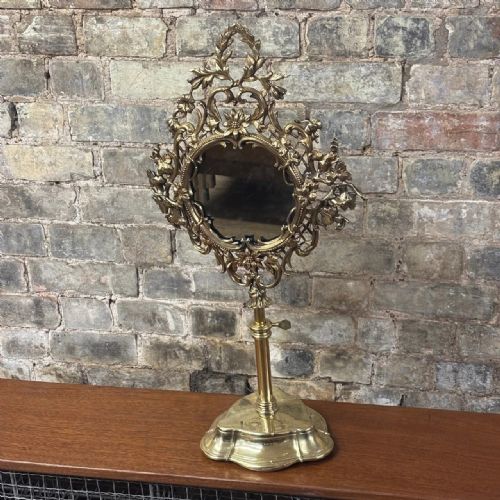
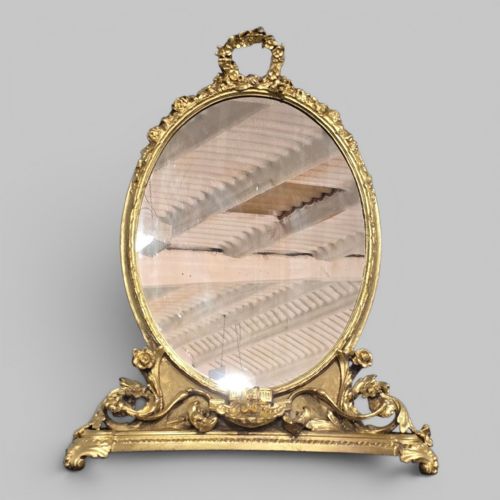
A rococo brass vanity mirror brings flamboyant curves and polished metal to your dressing table, offering both practical reflection and decorative flair.
Rococo Brass Vanity Mirror
When you search for a rococo brass vanity mirror, you encounter pieces designed to sit upon dressing tables and chests of drawers. These items reflect the ornate tastes of the nineteenth century and the early twentieth century, spanning Victorian, Edwardian, and Regency periods.
Makers and manufacturers during these periods embraced exuberant scrolls, asymmetric cartouches, and floral motifs. While the primary form remains the tabletop glass, variations include wall mirrors and hand mirrors sharing the same stylistic vocabulary.
Construction and materials
Makers utilised brass casting techniques to achieve the intricate, fluid scrolls characteristic of the revival styles. Molten metal poured into moulds created the heavy frames and decorative crests, which workers then chased and polished by hand.
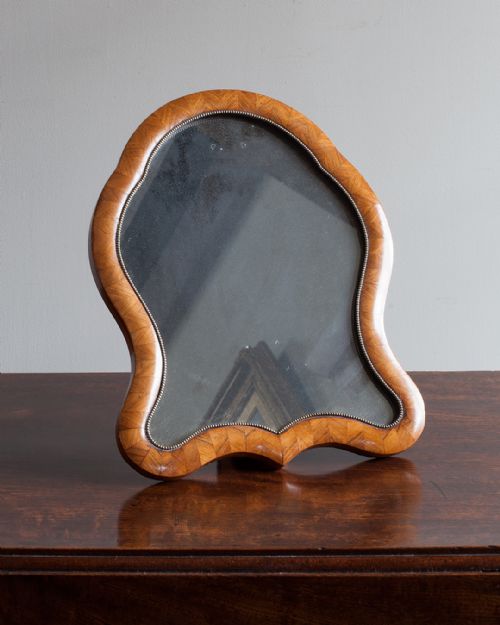
Frames frequently incorporated secondary materials like kingwood or incorporated gilt finishes to heighten the visual drama. Mirror glass was bevelled at the edges to catch the light, then secured into the metal armature with traditional backing methods.
Rococo Brass Vanity Mirror Retail Price Guide 2026
Typical asking prices for rococo brass vanity mirror among the pieces listed under this phrase on Sellingantiques today, from the lower quarter to the upper quarter. They describe what is for sale here now, not the wider market.
Materials recorded across the inventory include cast brass, gilt metal, kingwood, and traditional mirror glass.
Factors that distinguish quality
The crispness of the cast ornamentation dictates the refinement of a piece, separating sharply detailed scrollwork from softer, worn castings. Heavier gauge brass provides structural stability to pivoting frames, preventing the mirror plate from sagging over time.
The quality of the mirror glass itself and the depth of the gilding or patination influence the overall visual impact. Original bevelled glass plates with minimal silver degradation sit at the higher end of the range compared to later replacements.
Joseph Meissonnier
The Rococo Brass Vanity Mirror Glossary
- Rococo Revival
- A nineteenth-century design movement resurrecting the asymmetric, scroll-heavy aesthetic of the eighteenth-century French court. It dominates the frames seen in this category.
- Bevelled Glass
- Mirror glass with edges cut and polished at an angle to create a framed effect. This technique adds depth and catches ambient light.
- Gilt Brass
- Brass treated with a gold-coloured wash or leaf to imitate solid gold. It provides a bright, reflective surface popular in Victorian decorative metalwork.
- Louis XV Revival
- A style echoing the flowing, naturalistic curves popular during the reign of Louis XV. It is frequently employed in French table mirrors.
Rococo Brass Vanity Mirror: Frequently Asked Questions
How do I clean a brass frame?
Dust the ornate crevices gently with a soft-bristled brush to remove accumulated dirt.
Avoid harsh chemical polishes that strip the historic patination from the metal surfaces.
Are these mirrors heavy?
Cast brass and gilt metal frames add substantial weight to table mirrors.
Ensure your dressing table surface can support the heavier pieces, particularly those with pivoting stands.
How do I date a brass mirror?
Examine the casting quality, the method used to secure the mirror plate, and the wear on the glass.
Victorian and Edwardian examples often feature hand-filed components and thicker brass gauges compared to later reproductions.
Can these mirrors be mounted on walls?
Most pieces designed for tabletop use rely on folding struts or heavy weighted bases.
Only items specifically manufactured as wall mirrors include integrated hanging loops on the reverse.