




Gold Brass Wall Mirror
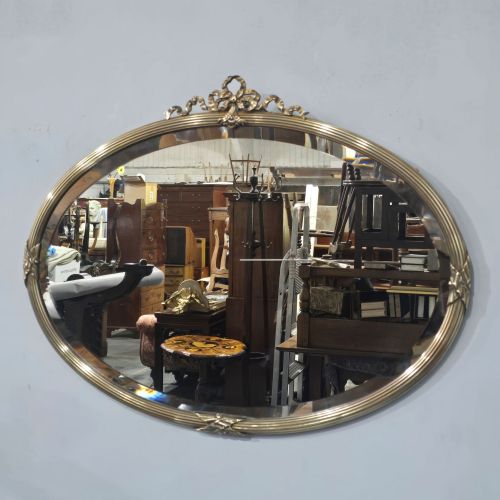
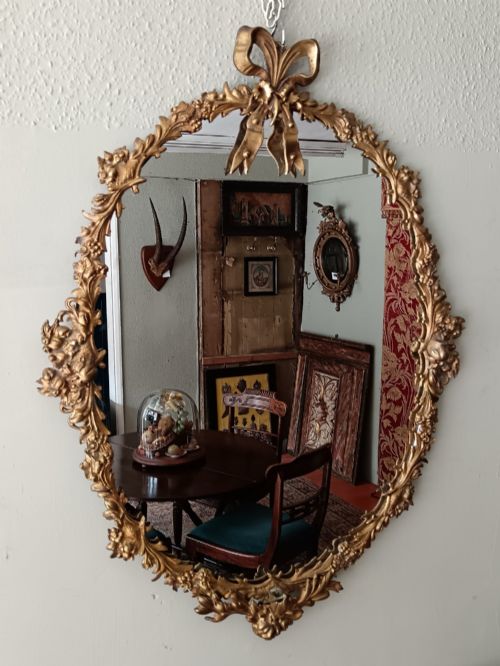
A gold brass wall mirror brings warmth and reflected light to a room, ranging from simple Victorian brass frames to ornate French revival designs.
Gold Brass Wall Mirror
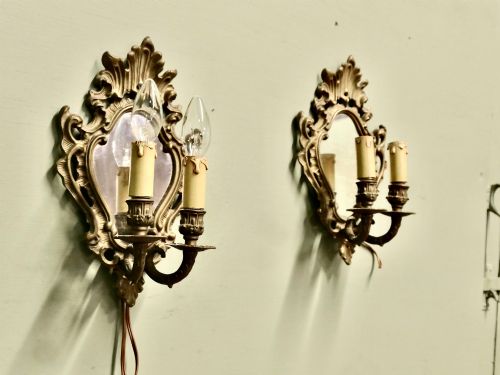
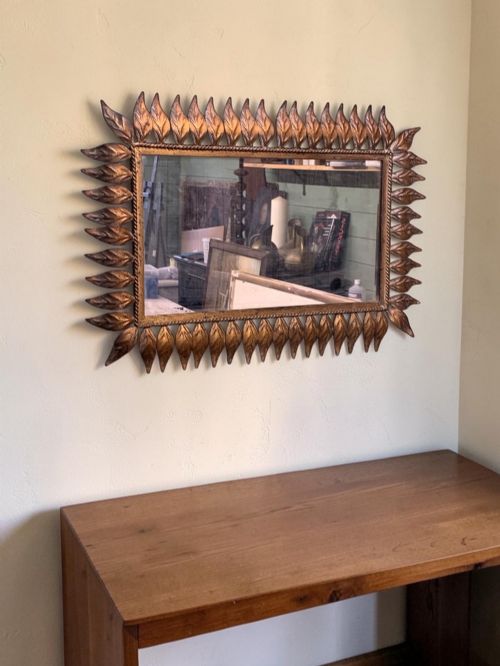
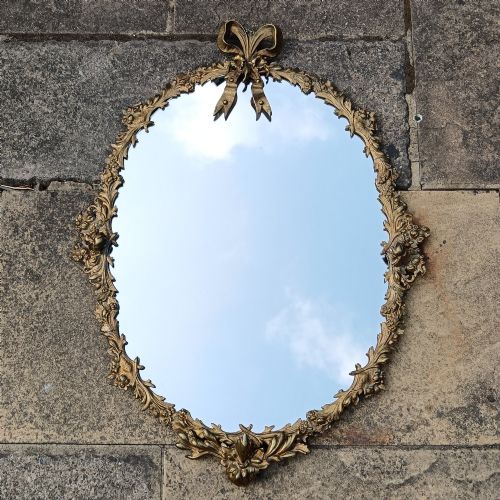
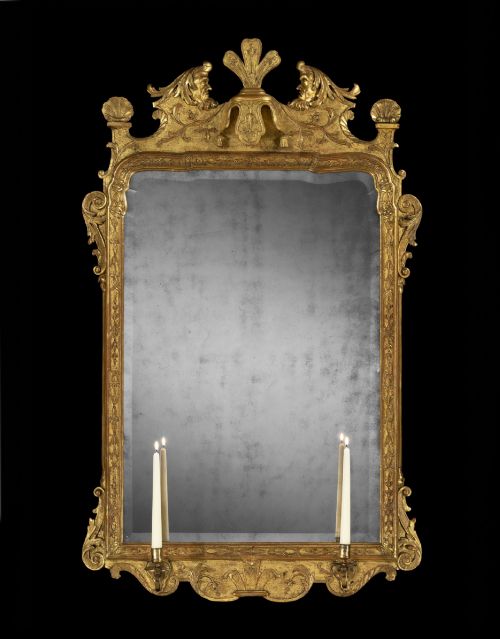
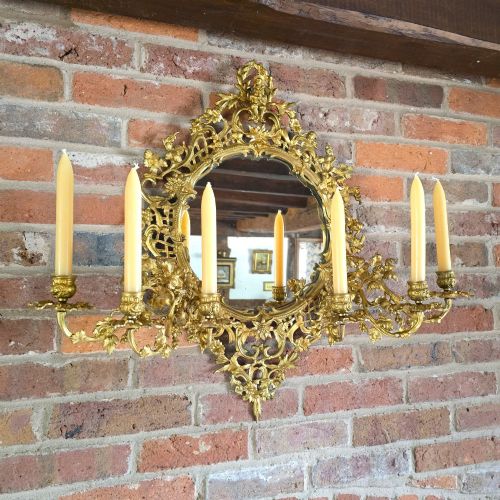
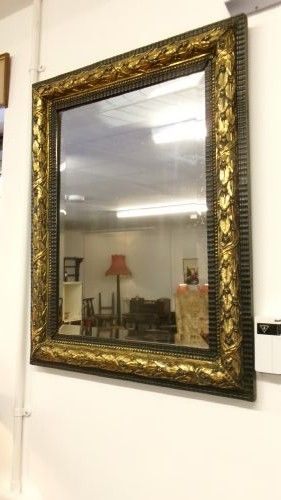
When searching for a gold brass wall mirror, a buyer encounters pieces spanning the nineteenth and early twentieth centuries, with strong representation from Victorian and French revival periods. These items function primarily as wall-hung decorative pieces, taking forms such as oval frames, rectangular wall mirrors, cushion-framed designs, and wall sconces with integrated mirror backs.
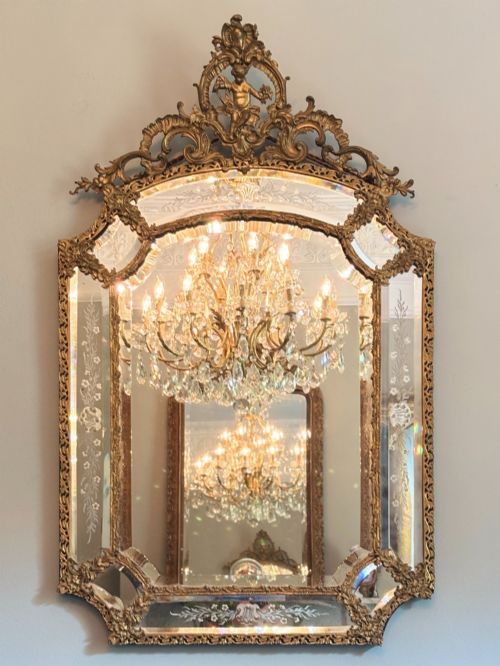
The selection includes specific regional styles like French bistro mirrors, Dutch mirrors, and Flemish repoussé work, alongside classical revivals in the Regency and Louis XVI tastes. Most examples rely on brass, gilt bronze, or gilt metal combined with glass mirror plates, serving both functional and decorative roles in domestic interiors.
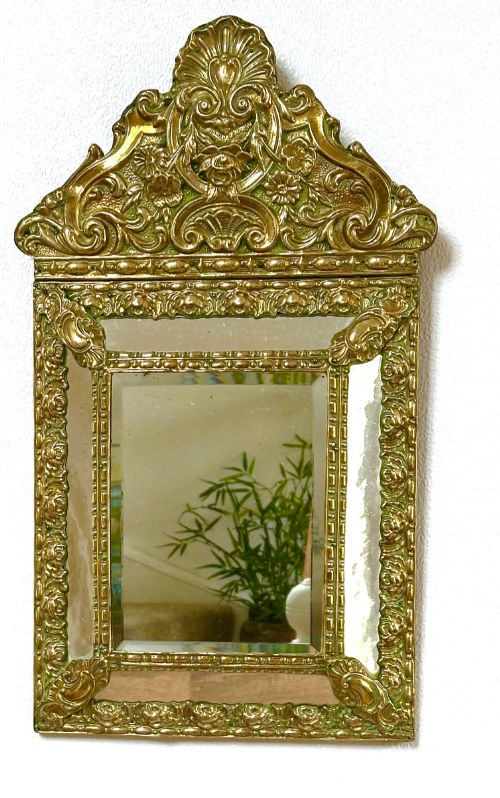
Buyers will find that many pieces incorporate decorative casting, hand embossing, or repoussé techniques, creating textured metal surfaces that catch the light. Whether mounted in a hallway, above a mantel, or paired as wall lights, these mirrors provide a focal point rooted in historical design traditions.
Materials and construction methods
Makers utilised brass, gilt bronze, and gilt metal for the structural frames, often working sheet metal through pressing, embossing, or repoussé techniques to achieve raised decorative patterns. Cast brass components appear in heavier frames and sconces, sometimes finished with fine chasing or gilding to enhance the metallic lustre.
Wooden cores or backing boards support many of the metal frames, providing stability for the heavier pieces and cushion-framed designs. Mirror glass plates are set within these surrounds, with older examples frequently retaining their original distressed plates that exhibit characteristic foxing and age spots.
Gold Brass Wall Mirror Retail Price Guide 2026
Typical asking prices for gold brass wall mirror among the pieces listed under this phrase on Sellingantiques today, from the lower quarter to the upper quarter. They describe what is for sale here now, not the wider market.
Listings feature brass, giltwood, and gesso materials across Victorian, Regency, and French Chateau styles.
Evaluating the standard of execution
Quality in these mirrors rests primarily on the crispness of the metalwork and the depth of the casting or embossing. Finer examples show sharp detail in cast motifs like cherubs or rams' heads, whereas lower quality items feature softer, shallower stamping with minimal hand finishing.
The integrity of the frame construction and the preservation of the original mirror plate and backing also distinguish superior pieces. Original bevelled plates and robust joinery indicate careful workshop production, while replacement glass or loose joints alter the historical integrity of the object.
The Gold Brass Wall Mirror Glossary
- Repoussé
- Metalworking technique where the design is hammered into relief from the reverse side. This method creates tactile, three-dimensional surface patterns on brass frames.
- Girandole
- A branched wall-mounted fixture that holds candles or lights, incorporating a mirror back to multiply the illumination. These often appear in matching pairs.
- Cushion frame
- A frame profile with a rounded, convex section that swells outward toward the edges. This style is frequently seen on Victorian brass hanging mirrors.
- Ormolu
- Finely ground high-carat gold cast-bronze ornamentation applied to metalwork. It provides a rich, durable golden finish on French revival pieces.
- Foxing
- Age-related spots and discolouration within the silvering of a mirror glass plate. Collectors often prize original plates showing this characteristic patina.
Gold Brass Wall Mirror: Frequently Asked Questions
How do I hang a heavy brass mirror?
Heavy brass and bronze mirrors require secure wall fixings suited to the weight of the metal frame and glass plate. Fixing directly into wall studs or using heavy-duty cavity wall anchors ensures safe support.
Many period mirrors feature original hanging rings or chains on the reverse, but checking the structural integrity of these fixings is essential before wall mounting.
What is a French bistro mirror?
French bistro mirrors are utilitarian wall mirrors produced in the nineteenth century for commercial hospitality spaces. They typically feature simple brass frames designed to withstand busy environments.
These pieces often retain original distressed mirror plates with distinctive foxing, making them popular for residential interiors seeking an authentic aged aesthetic.
How do I clean an antique brass frame?
Antique brass frames require gentle cleaning with a soft, dry cloth to remove surface dust without disturbing the historic patina. Abrasive polishes should be avoided because they strip away age-related coloration and fine surface detail.
If the metal requires deeper cleaning, a mild soap solution applied sparingly and dried immediately prevents moisture damage to any underlying wooden backing.
Are mirror plates usually original?
Many period mirrors retain their original glass plates, which can be identified by minor surface imperfections, hand beveling, and natural foxing. Original plates contribute significantly to the character and authenticity of the piece.
Replacement glass often appears clear and uniform without the subtle distortions or age spots characteristic of nineteenth-century manufacturing techniques.