



19th Century Marginal Mirror
A 19th century marginal mirror brings extraordinary depth to a room through its split glass plates.
19th Century Marginal Mirror
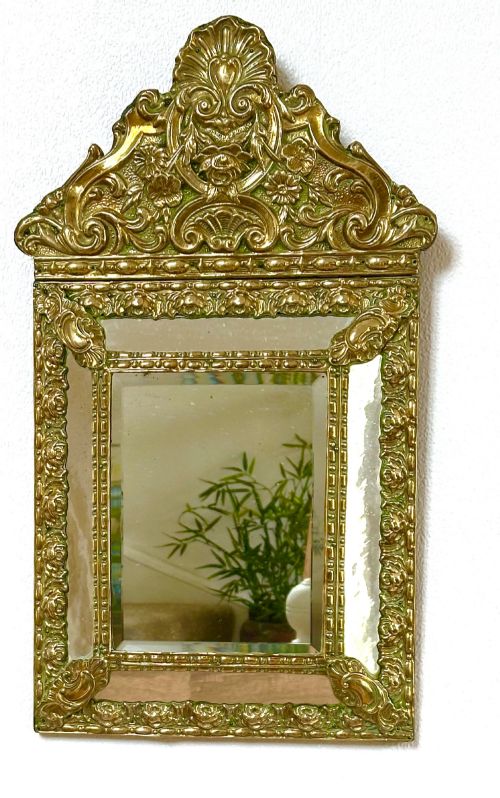
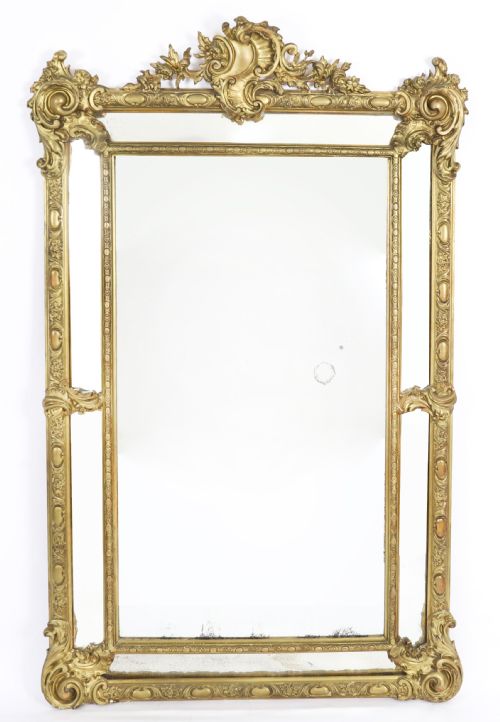
A 19th century marginal mirror consists of a larger central plate surrounded by smaller border panes, often termed a cushion or border mirror. These wall mirrors appear across several distinct stylistic revivals, including Louis Revival, Rococo Revival, and Adam Revival.
The format originated in earlier centuries but found renewed popularity throughout the 1800s, with origins stretching from French chateaux to Italian workshops. Buyers searching for a 19th century marginal mirror frequently encounter substantial overmantel pieces designed to anchor a formal interior.
Italian and French examples dominate the selection, spanning periods from Regency and 1850 through to late Victorian production. The surrounding marginal plates catch ambient light from multiple angles, creating a shimmering effect quite distinct from standard single-plate wall mirrors.
Materials and Construction
Craftsmen built the structural frames from wood, applying layers of gesso to carve intricate ornamentation before finishing the surface with gold leaf or paint. Giltwood and painted wood provide the primary housing for the delicate mirror glass plates.
The individual marginal plates required precise bevelling and fitting around the central mirror to ensure a seamless border. Brass fittings and secondary woods often secure the heavy glass assemblies within their ornate frames.
19th Century Marginal Mirror Retail Price Guide 2026
Typical asking prices for 19th century marginal mirror among the pieces listed under this phrase on Sellingantiques today, from the lower quarter to the upper quarter. They describe what is for sale here now, not the wider market.
These mirrors multiply a room's corners so thoroughly you can keep an eye on the biscuit tin from across the parlour.
Factors of Quality
The crispness of the carved gesso and the depth of the gilding separate standard production from exceptional examples. Superior frames retain their original gold leaf surfaces and display sharp relief in the revival ornamentation.
The clarity and condition of the marginal plates significantly influence the character of the piece, with intact border sections maintaining the intended visual complexity. Scale also dictates standing, as unusually large overmantel formats demand superior internal framing to support the heavy glass.
The 19th Century Marginal Mirror Glossary
- Marginal mirror
- A mirror featuring a central glass plate surrounded by smaller border panes. These outer plates are often bevelled and held in place by decorative division strips.
- Giltwood
- Timber coated with fine gold leaf over a prepared base. This finish gives the frame a warm, reflective metallic sheen.
- Gesso
- A plaster mixture applied to wood frames to create a smooth surface for carving and gilding. It allows for intricate, raised decorative motifs.
- Overmantel mirror
- A large wall mirror specifically proportioned to hang above a fireplace mantel. They often dominate the wall space in nineteenth-century reception rooms.
- Cushion mirror
- A frame style where the outer edges curve outward like a pillow. This profile enhances the multidirectional reflection of the marginal plates.
19th Century Marginal Mirror: Frequently Asked Questions
Where should I hang a marginal mirror?
These pieces traditionally hang above a fireplace mantel as an overmantel focal point, where their size commands the room. They also function effectively on principal reception walls opposite windows to maximise reflected daylight.
Ensure the wall structure can support substantial weight, as nineteenth-century frames combined with multiple glass plates create heavy loads. Secure fixings directly into wall studs or masonry.
How do I identify French versus Italian styles?
French nineteenth-century examples often lean towards Louis Revival or Rococo aesthetics with elaborate carved gesso and curved cushion profiles. Italian pieces frequently exhibit distinct regional interpretations, including painted wood finishes and classical Neo-Classical restraint.
Examining the underlying woodwork and carving style helps reveal the likely country of origin. Revival periods borrow heavily from earlier centuries, so details in the foliage and framing provide the key clues.
Are marginal mirrors suitable for everyday use?
They function exceptionally well as practical looking glasses while serving as significant decorative art pieces. Their multiple border plates disperse light across the space rather than providing a single flat reflection.
Positioning them thoughtfully away from high-traffic household hazards protects the antique frame and delicate glass borders from accidental impact.
How do I care for giltwood frames?
Dust the carved surfaces gently with a soft, dry brush to prevent accumulation in the recesses of the gesso. Avoid liquid cleaners and chemical polishes, which can strip historic gold leaf or painted finishes.
Keep the mirror away from direct heat sources and damp environments to protect the wooden substrate and prevent the gesso from cracking.