






Rich Brown Accent Table
These rich brown accent table pieces bring warm timber tones and practical small surfaces to a room, offering both history and utility.
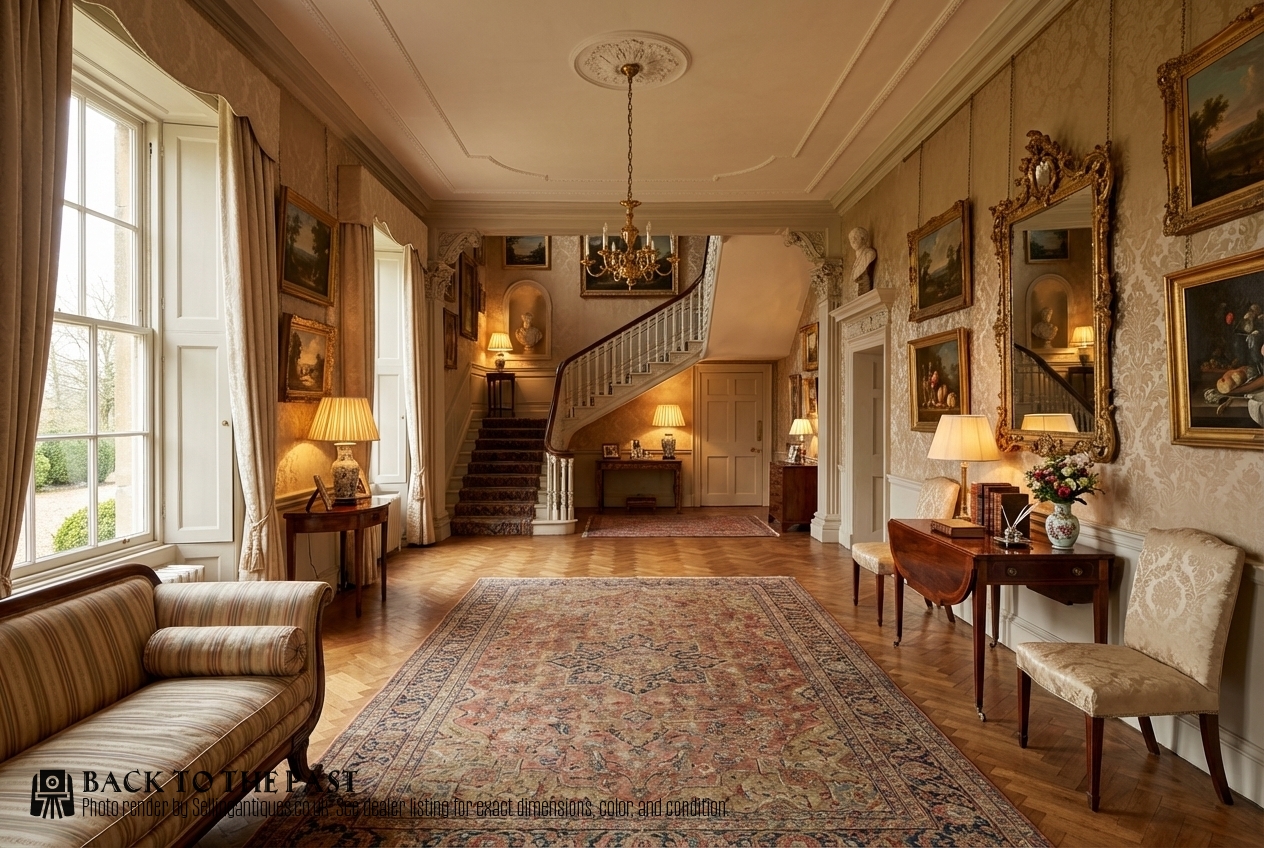
Rich Brown Accent Table
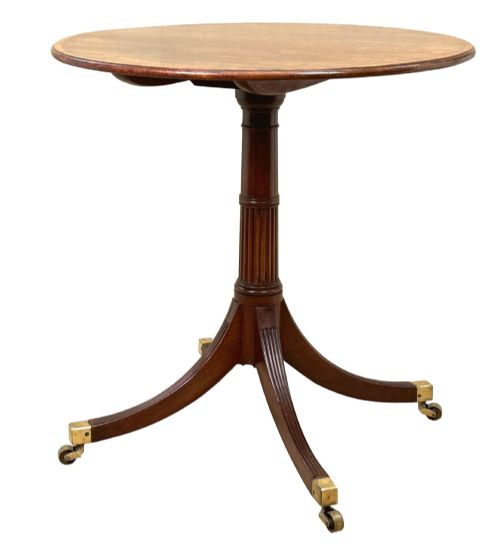
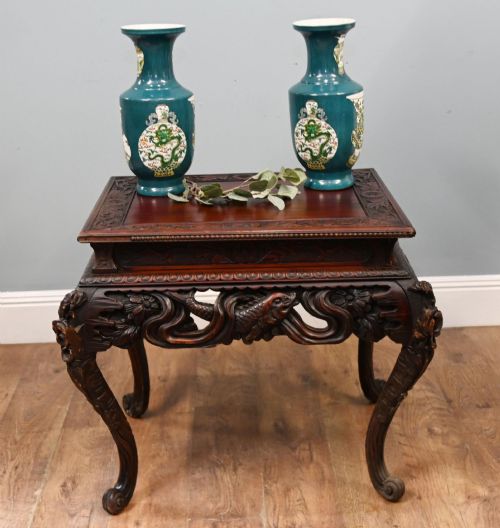
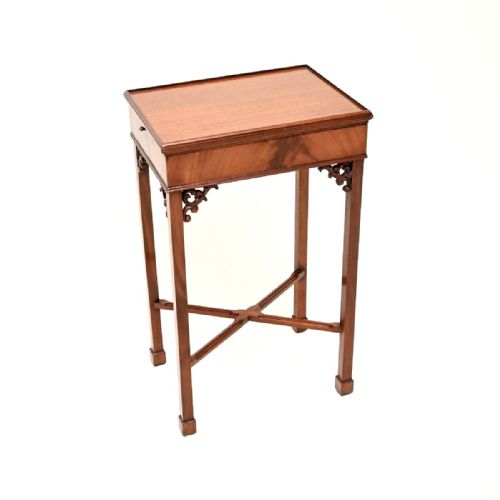
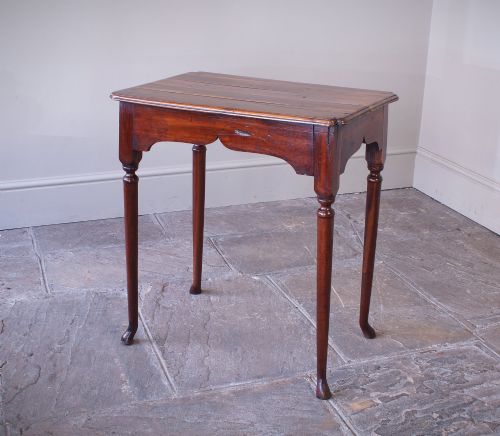
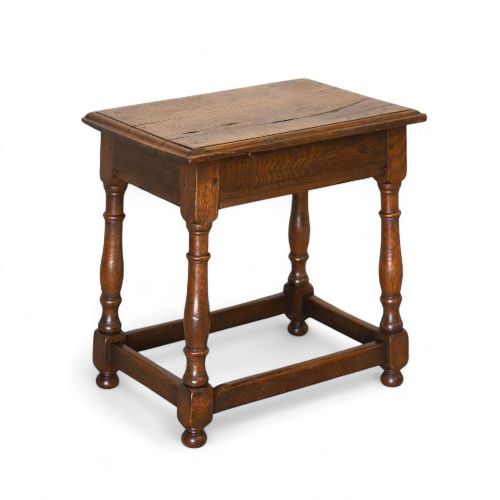
When you search for a rich brown accent table, you encounter compact timber furniture designed to sit beside seating or in corners. These pieces include side tables, occasional tables, stools, centre tables, and pembroke tables.
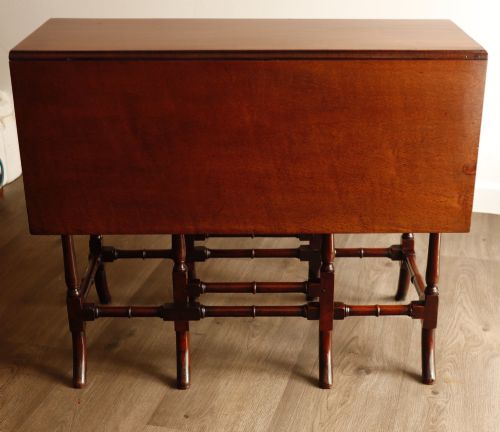
The versions you are most likely to meet span several centuries of British cabinet making, from eighteenth-century provincial joint stools and spider leg designs to nineteenth-century lamp tables and early twentieth-century EDWARDian two-tier tables.
How they were made
Makers utilised dense timbers such as mahogany, walnut, oak, and fruitwood to build these small tables and stools. Surface visual interest often relied on figured veneer and careful wood inlay rather than heavy carving.
Details like brass fittings, boxwood stringing, and drop-leaf hinges provided mechanical function alongside decorative contrast. Joinery methods varied from provincial pegging in oak to finer dovetailing and turned pedestals in mahogany.
Rich Brown Accent Table Retail Price Guide 2026
Typical asking prices for rich brown accent table among the pieces listed under this phrase on Sellingantiques today, from the lower quarter to the upper quarter. They describe what is for sale here now, not the wider market.
Some spider leg tables look decidedly fragile yet have stood firm for centuries, proving that thin legs can harbour surprising resilience.
What varies in quality
The depth and warmth of the timber grain separate standard examples from superior ones, particularly where highly figured mahogany or aged fruitwood displays natural variation. Finer proportion in the turned legs and tilt-top mechanisms indicates greater workshop skill.
Condition of the polished finish and crispness of any inlay or edge moulding also distinguish finer specimens. Provincial items show simpler construction methods compared to urban pieces from recognised periods like the Regency or Georgian eras.
Gillows
The Rich Brown Accent Table Glossary
- Pembroke table
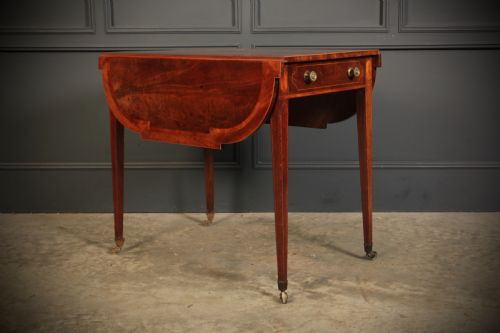
- A small table with hinged drop leaves on two opposing sides. This form typically includes a single drawer and slender legs.
- Spider leg table
- A slender drop-leaf table featuring numerous thin turned legs connected by fine stretchers. This design provides stability while maintaining a light appearance.
- Birdcage tripod centre table
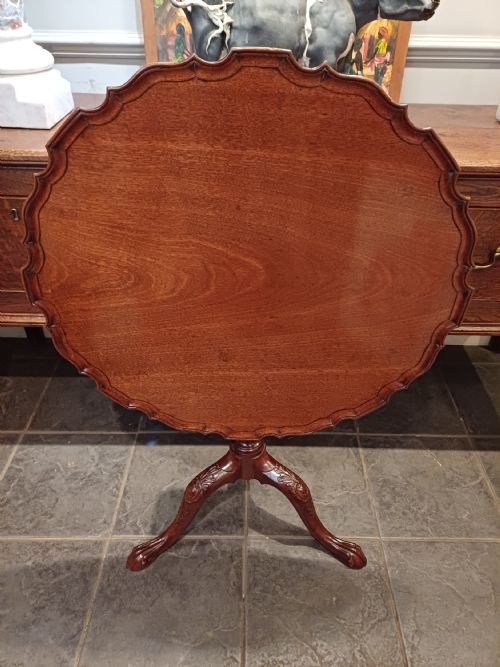
- A table featuring a rotating mechanism above a three-legged pedestal base. This construction allows the top to tilt and turn independently.
- Joint stool
- A sturdy wooden stool constructed with mortise and tenon joints. These early seating pieces often utilise solid oak.
Rich Brown Accent Table: Frequently Asked Questions
What is a pembroke table used for?
These tables served primarily as breakfast or writing surfaces in smaller spaces. The hinged leaves could be dropped to save floor space when not needed.
Over time, owners repurposed them as decorative side tables or lamp stands in living rooms and halls.
How do I identify an 18th-century table?
Eighteenth-century pieces typically display hand-cut joinery, older timber patination, and simpler provincial construction methods. Oak and fruitwood frequently appear in earlier pieces before mahogany dominated later decades.
Hardware and screw types also provide clues to the age of the construction. Hand-forged screws differ noticeably from later mass-produced alternatives.
Where should I place a lamp table?
Lamp tables suit corners, beside armchairs, or next to sofas where a small surface is useful. Their compact footprints allow them to fit into tight spaces without cluttering a room.
Matching the timber tone to existing furniture helps the piece integrate naturally into the interior scheme.