



Ribbon Crest Mirror
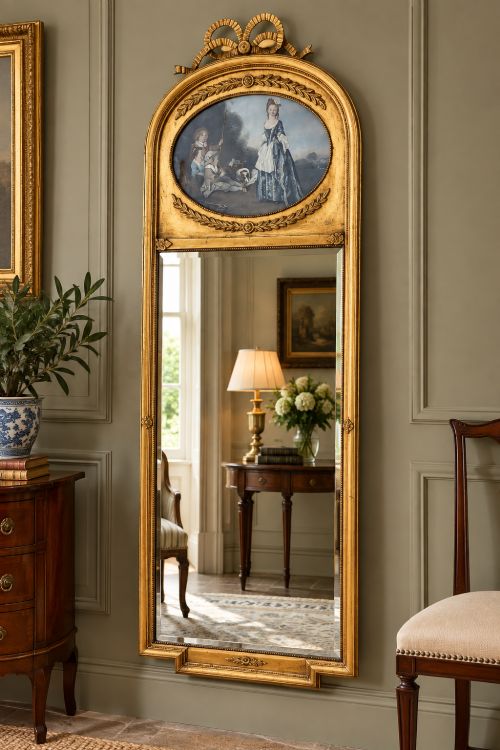
A ribbon crest mirror brings neoclassical elegance to a room through delicate carved bows and cascading foliage.
Ribbon Crest Mirror
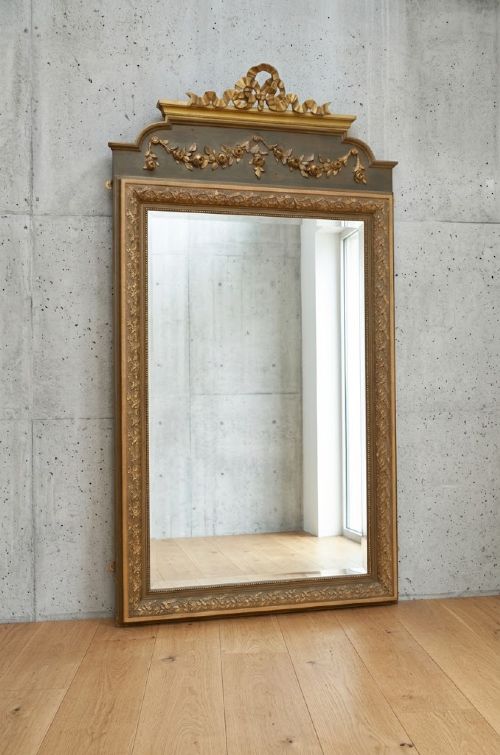
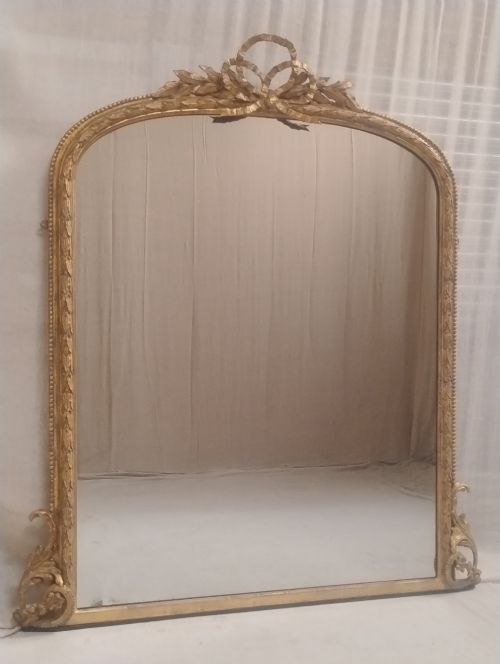
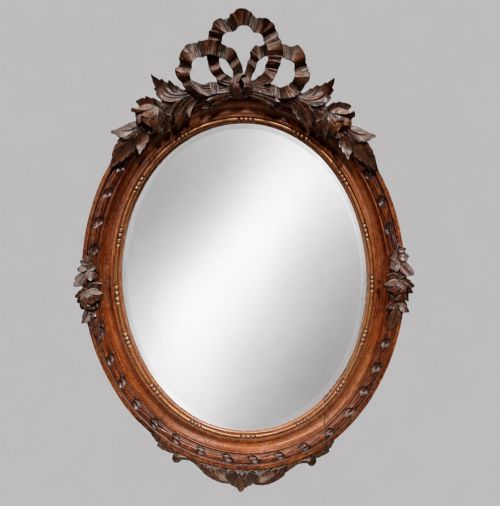
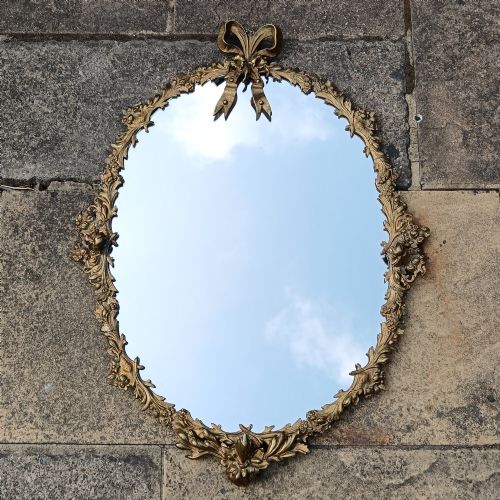
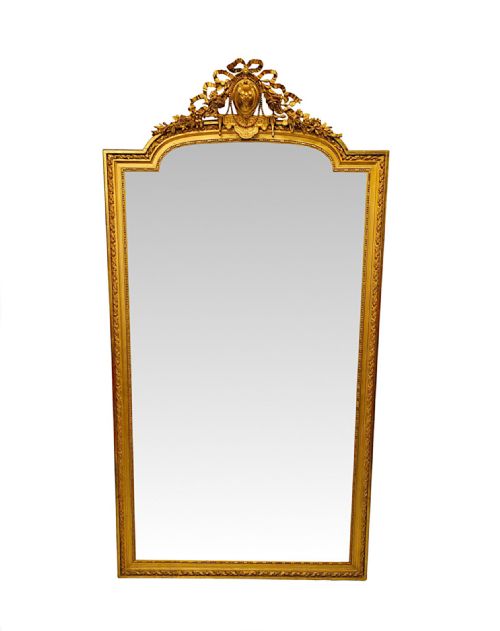
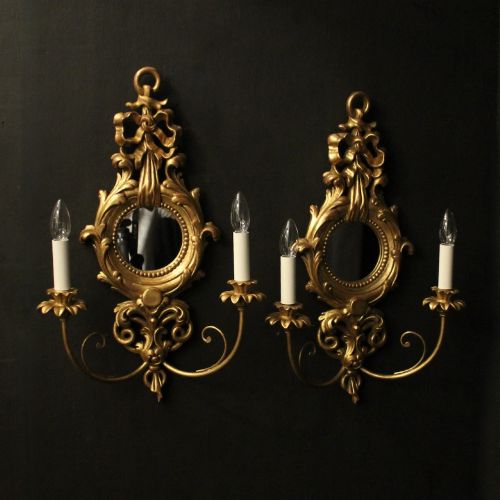
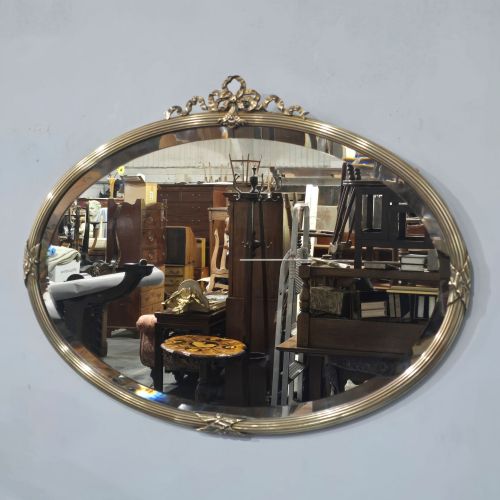
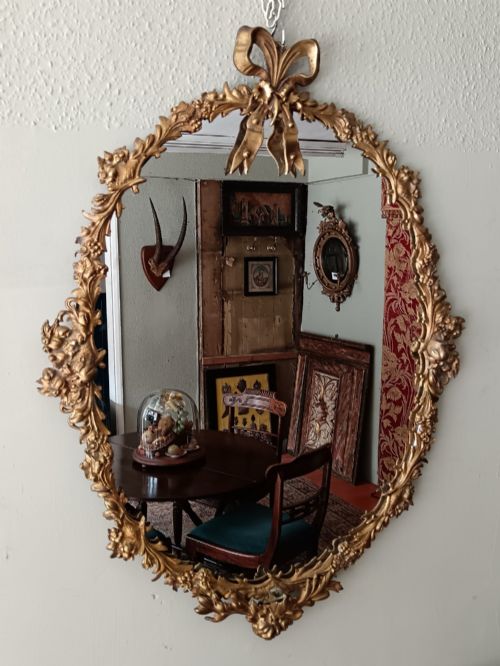
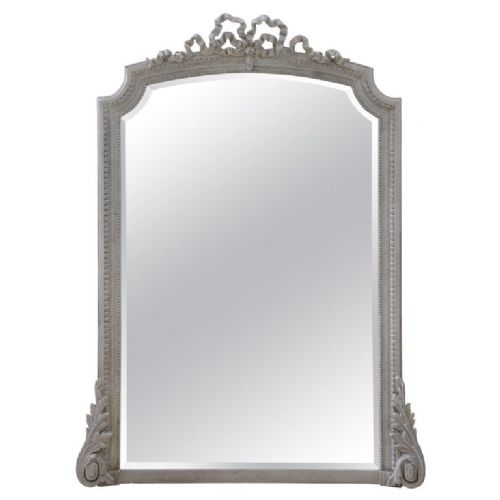
A ribbon crest mirror incorporates a prominent carved bow, ribbon, or knot at the very top of the frame, often suspending floral garlands or wreaths. These pieces appear frequently in Victorian, Edwardian, and Belle Époque formats, spanning periods from the mid-nineteenth century through the early twentieth century.
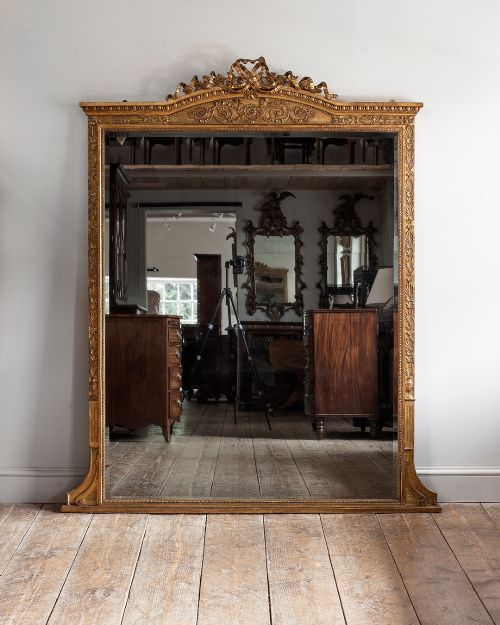
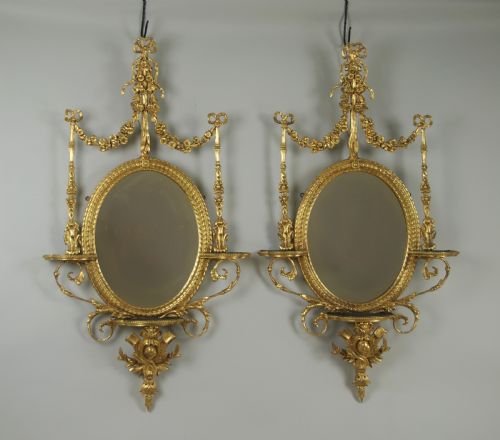
The dominant forms on this page include vertical wall mirrors, substantial overmantel pieces, and oval frames executed in revival styles such as Louis XVI, Adam, and Neoclassical. Makers often combined giltwood, gesso, and painted finishes to accentuate the ornamental crests above the glass.
Buyers encounter both English and French origins, ranging from compact boudoir glasses to tall floor-standing dressing mirrors. The ribbon motif unites these disparate scales, serving as the focal point of the decorative scheme.
Materials and construction
Frames rely on carved wood, gesso, and composition applied over wooden foundations to build up intricate relief ornaments like ribbons and bows. Gilding techniques utilise gold leaf or metallic paint to achieve a brilliant reflective surface across the moulding.
Mirror glass sits within the rebate, frequently featuring hand-bevelled edges that catch the light. Backboards typically consist of tongue-and-groove timber planks secured with traditional joinery.
Ribbon Crest Mirror Retail Price Guide 2026
Typical asking prices for ribbon crest mirror among the pieces listed under this phrase on Sellingantiques today, from the lower quarter to the upper quarter. They describe what is for sale here now, not the wider market.
Some nineteenth-century makers hid tiny nesting birds within the floral swags hanging from the ribbon crest.
Judging quality in a ribbon crest mirror
The crispness of the carving defines the upper tier of these pieces, particularly where the ribbon folds, ties, and drapes over the frame. Hand-carved wooden crests retain sharp relief, whereas heavily moulded composition can appear rounded or indistinct.
The integrity of the surface finish matters immensely, separating items retaining original gilding or paint from those subjected to later heavy-handed overpainting. Original mirror plates showing light, even foxing add depth and authenticity missing in modern replacements.
Strahan of Dublin
The Ribbon Crest Mirror Glossary
- Ribbon Crest
- A decorative carved bow or ribbon motif situated at the top centre of a mirror frame. This ornament frequently ties together hanging swags of flowers or laurel leaves.
- Giltwood
- Timber coated with gold leaf over a prepared gesso ground. This finish provides a warm, reflective metallic sheen characteristic of formal antique mirrors.
- Gesso
- A plaster-like mixture applied to wooden frames and carved to form raised ornamental details. It provides a smooth base for subsequent gilding or painting.
- Overmantel Mirror
- A large horizontal or vertical mirror designed specifically to hang above a fireplace mantelpiece. These pieces often anchor the decorative scheme of a principal reception room.
- Bevelled Glass
- Mirror glass with angled, ground edges that refract light. This technique adds a distinct perimeter frame of sparkle to the reflection.
Ribbon Crest Mirror: Frequently Asked Questions
Where should I hang a ribbon crest mirror?
Position these pieces above a mantelpiece, console table, or dressing chest where the upper bow ornament can draw the eye. They function effectively as focal points in hallways and reception rooms.
Ensure the hanging fixings match the weight of the timber and gesso frame, securing them directly into wall studs or using heavy-duty masonry anchors.
How do I clean the frame safely?
Dust the carved ribbon crest and gilt surfaces gently using a soft, dry brush or feather duster. Avoid liquid cleaners, moisture, or chemical sprays, which can lift fragile gesso or strip original gilding.
For the mirror plate itself, apply a small amount of glass cleaner to a cloth rather than spraying the glass directly, preventing liquid from seeping behind the rebate.
Are the mirror plates original?
Many pieces retain their original glass, which often displays subtle foxing, minor speckling, or light grey oxidation. These characteristics confirm age and provide an authentic historic aesthetic.
Replacement glass usually appears remarkably clear and flat without the subtle distortions or age spots typical of nineteenth-century manufacture.
What styles do these mirrors complement?
They integrate naturally into traditional, neoclassical, and eclectic interiors where ornate architectural details are present. The Louis XVI and Adam revival styles offer refined symmetry that suits formal spaces.
Pairing them with antique furniture or modern minimalist backdrops creates a striking visual contrast that highlights the intricate ribbonwork.