



Retro Manual Wind Watch
A retro manual wind watch offers direct connection to mechanical horology through daily winding, spanning decades from the 1930s to the 1960s and beyond.
Retro Manual Wind Watch
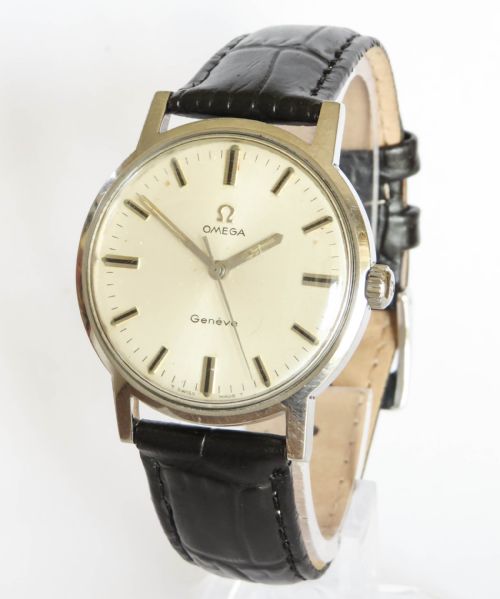
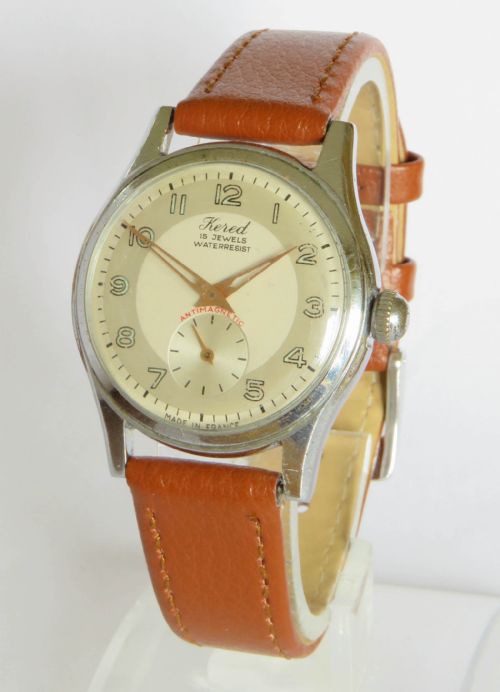
A retro manual wind watch is a timepiece operated entirely by hand without a battery, requiring the wearer to wind the crown regularly to tension the internal mainspring. These wristwatches encompass diverse decades, showing up most frequently from the 1940s, 1950s, and 1960s in varied styles like Mid-Century Modern and 1940s Vintage.
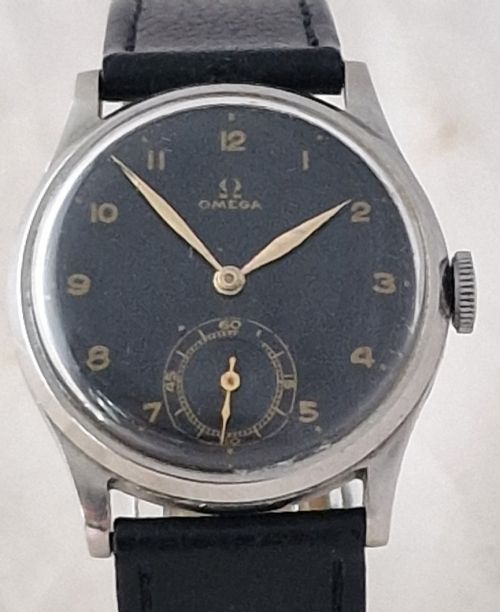
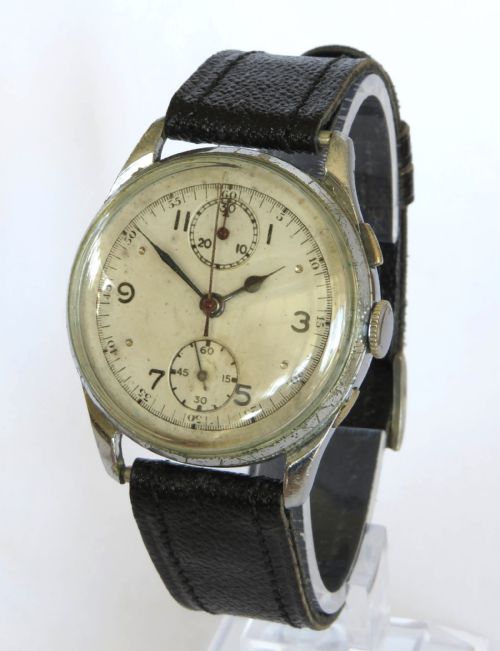
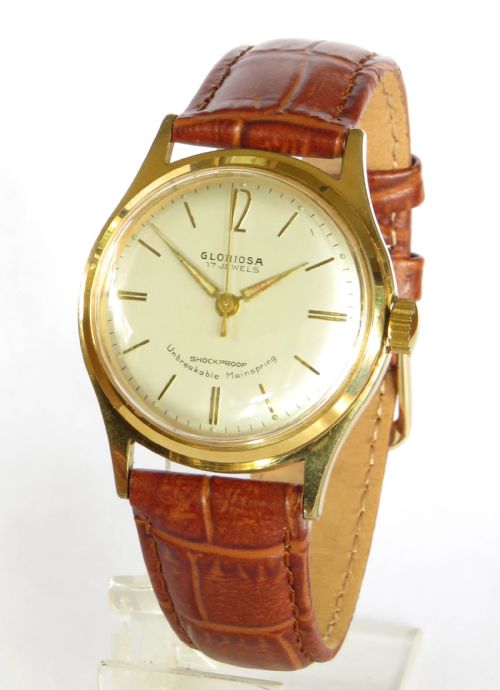
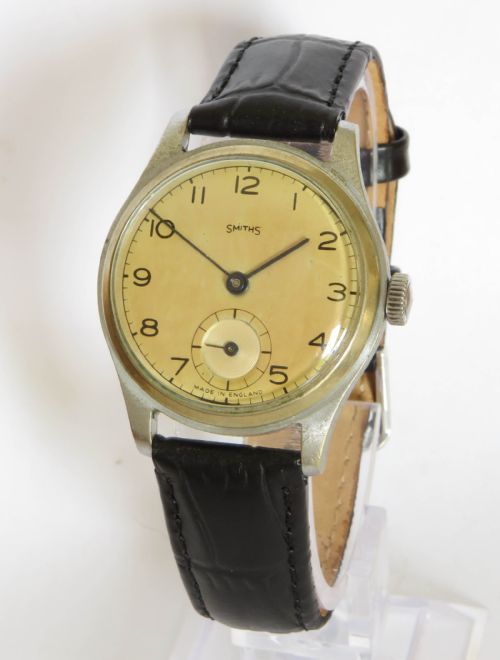
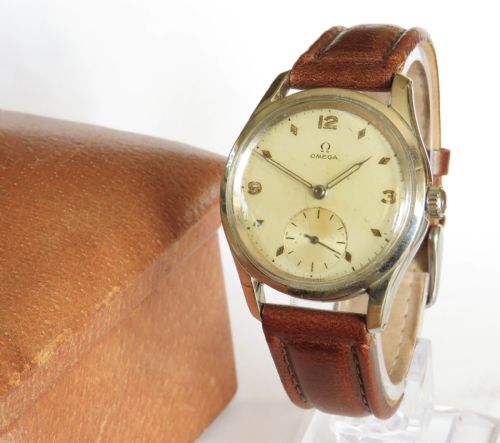
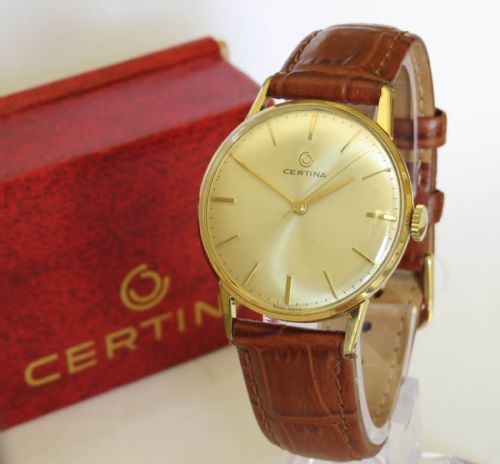
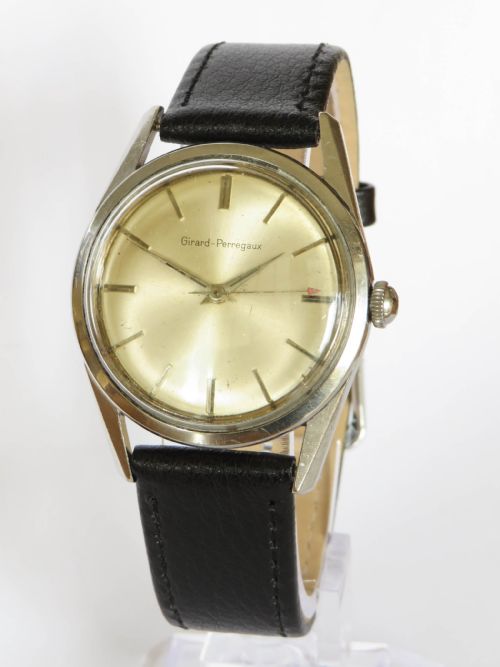
The objects take the form of gents wristwatches produced by prominent Swiss and British makers, alongside chronograph and calendar complications. Pieces originate from periods ranging from the 1930 Art Deco era through to watches dated later than 1960, featuring stainless steel, gold plate, and solid 9ct gold cases.
Materials and Mechanical Construction
Cases utilise metals such as stainless steel, chrome, gold plate, and 9ct gold, paired with protective crystals made from acrylic glass or standard glass. Dials sit beneath these transparent covers, displaying hands and hour markers driven by mechanical movements containing multiple jewelled bearings.
Strap components are typically constructed from leather to secure the watch to the wrist. Internal gear trains and escapements convert the stored energy of the mainspring into precise kinetic movement regulated by a balance wheel.
The listings span multiple decades, incorporating periods from the 1930 Art Deco era through to 1960s vintage aviation and chronograph designs.
Distinctions in Horological Execution
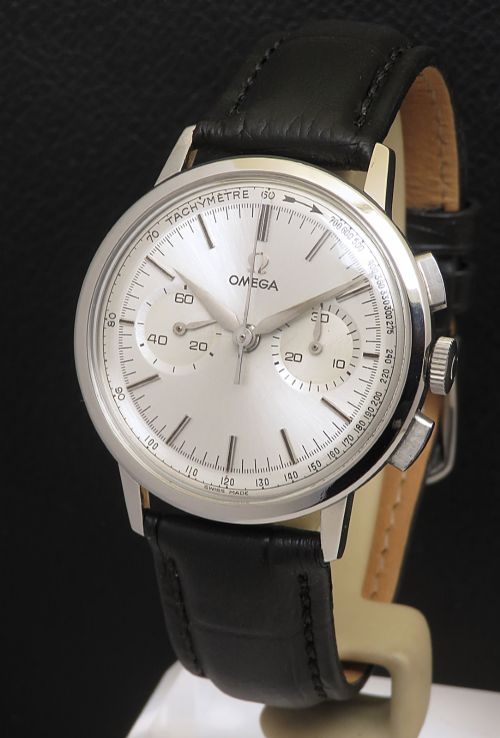
The refinement of the internal movement separates standard utility calibres from high-grade chronograph mechanisms containing complex stopwatch functions and additional jewel bearings. Finishing details on dials, such as sunburst patterns and applied markers, indicate the tier of the original production.
Precious metal cases in solid 9ct gold elevate a watch above standard chrome or gold-plated brass alternatives. The presence of original signed crowns, dials, and specialised complications like triple date moonphase displays or aviation scales defines the upper tier of surviving examples.
Omega·Montilier·Seiko·Smiths·Certina·Enicar·Girard Perregaux·Invicta·Felca·Mappin·Breitling·Longines·Miramar·Avia
The Retro Manual Wind Watch Glossary
- Manual wind
- A mechanical watch movement powered by manually turning the crown to wind the mainspring, rather than relying on automatic rotor weights.
- Chronograph
- A watch equipped with a stopwatch function that can be started, stopped, and reset independently of the timekeeping gear train.
- Calibre
- The specific internal movement design and manufacturer designation used within a timepiece.
- Acrylic glass
- A lightweight, shatter-resistant plastic material utilised for watch crystals during the mid-century period, which can be polished if scratched.
- Incabloc
- A brand of spring-loaded shock absorption system for the delicate balance staff pivots inside mechanical movements.
Retro Manual Wind Watch: Frequently Asked Questions
How do I wind a manual watch?
Turn the crown between your thumb and forefinger clockwise until you feel slight resistance, stopping immediately to avoid overwinding the mainspring.
Most vintage wristwatches require this action once every twenty-four to forty-eight hours to maintain continuous operation.
Are these watches waterproof?
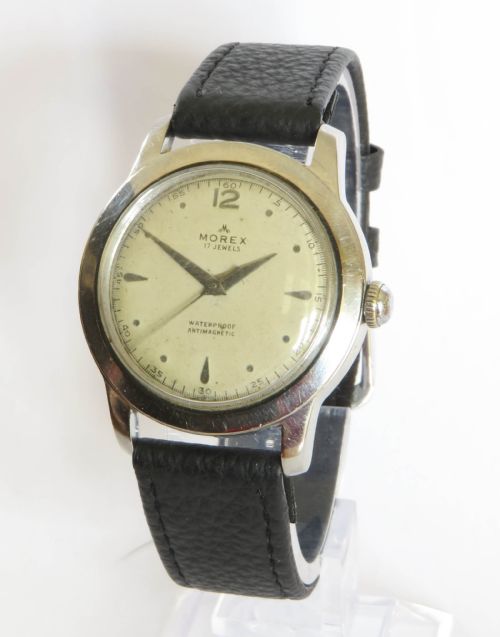
Mid-century timepieces generally lack modern screw-down crown gaskets and pressure seals, meaning moisture can easily infiltrate the movement.
Keep these watches away from water, heavy rain, and handwashing environments to protect the dial and internal steel components.
What is a chronograph watch?
A chronograph functions as both a standard timepiece and an independent stopwatch operated via pushers on the side of the case.
This complication allows the wearer to measure elapsed intervals of time alongside hours and minutes.
How do I date my watch?
Dating relies on movement serial numbers, case back stamps, specific dial typography, and stylistic cues characteristic of decades like the 1940s or 1950s.
Manufacturer archives and reference databases match serial sequences to precise production years.
Can I wear mine daily?
Daily wear is entirely suitable provided the mechanical movement has undergone recent servicing by a professional watchmaker.
Care should be taken to avoid magnetic fields and sharp physical impacts that could disturb the regulated balance spring.