


Reticulated Ceramic Plates
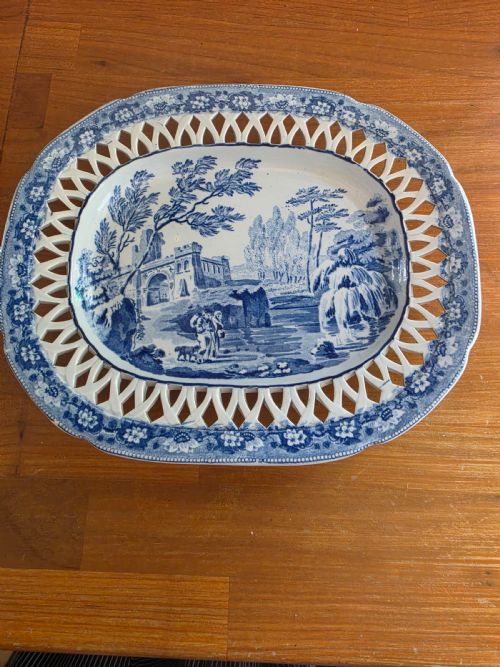
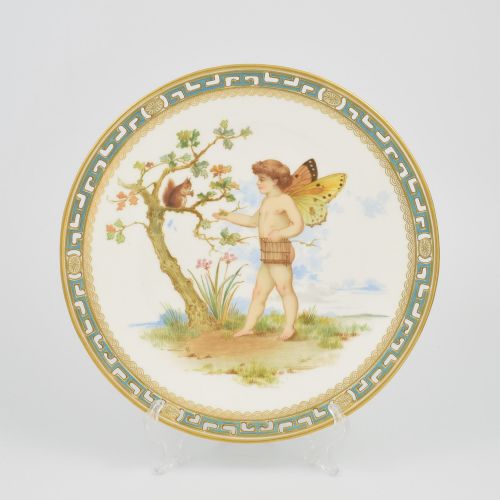
These reticulated ceramic plates bring openwork borders and intricate hand-painted detail to the table, offering a focal point for cabinets and dessert services.
Reticulated Ceramic Plates
When buyers search for reticulated ceramic plates, they encounter pierced and fretted earthenwares, porcelains, and chargers spanning the eighteenth century through the Edwardian period. The forms range from cabinet plates and ribbon dishes to platters and dessert services.
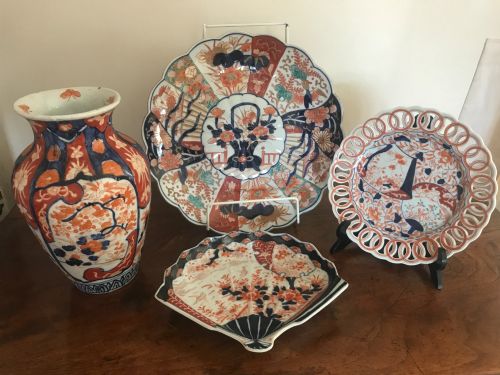
The selection on this page is most likely to meet the buyer in Victorian and Edwardian examples, alongside continental porcelain and Japanese Imari imports from around nineteen hundred. Makers applied pierced borders and openwork rims to display exceptional painting by notable artists.
How they were made
Potters shaped these pieces from porcelain, earthenware, and pearlware, utilising basketweave moulds and careful hand-piercing before firing. Artisans then applied glaze, enamel, and gold leaf or gilt to highlight the openwork rims.
Decoration relied on hand-painted scenes, pate sur pate, and transfer printing. Factories employed specialists such as painters and gilders to finish each cabinet plate or charger.
Listings feature porcelain, earthenware, and pearlware decorated with enamel, gold leaf, and glaze across the eighteenth to twentieth centuries.
What varies in quality
The distinction between standard production and top-tier pieces rests on the precision of the piercing and the execution of the hand-painted artwork. Crisp, clean-cut openwork requires considerable skill from the potter before the ceramic goes into the kiln.
Signed work by known artists elevates a piece significantly above unmarked factory output. The application of gilding and the depth of the enamel palette further separate ordinary tableware from exhibition-grade cabinet plates.
Davenport·Minton·Meissen·Furstenberg·Royal Vienna·Royal Worcester·Coalport·Mintons
The Reticulated Ceramic Plates Glossary
- Reticulated
- Pierced or netted decoration forming an openwork pattern on ceramic borders. This technique requires cutting the clay before firing.
- Cabinet plate
- A decorative ceramic piece intended for display rather than dining use. These items frequently feature elaborate painted scenes.
- Gilding
- The application of gold leaf or powdered gold to ceramic surfaces. It accents handles, rims, and painted motifs.
- Pate sur pate
- A porcelain decoration technique where layers of slip build up a low relief design. The method creates a cameo-like effect.
- Imari
- A style of Japanese export porcelain characterised by blue, iron red, and gold decoration. European factories frequently copied these palettes.
Reticulated Ceramic Plates: Frequently Asked Questions
Are reticulated ceramic plates meant for dining?
Most pieces designated as cabinet plates or ribbon dishes were manufactured for display in drawing rooms rather than for daily meals. The delicate pierced borders make them vulnerable to chipping during routine use and washing.
Heavier platters and dessert services from the nineteenth century saw actual use on dining tables. Buyers should examine the glaze wear to determine whether a specific item served a functional role.
How do I identify the period of a plate?
Dating relies on factory marks stamped or painted on the reverse, alongside the stylistic indicators of the ceramic body and glaze. Aesthetic movement and Rococo revival pieces carry distinct decorative traits associated with the Victorian era.
Earlier eighteenth-century examples feature different paste compositions and hand-painted motifs compared to Edwardian production. Reference marks specific to makers help narrow down the year of manufacture.
What is the difference between a charger and a plate?
Chargers are significantly larger decorative dishes that sit beneath other courses or serve as centrepieces on a table or sideboard. Standard plates are smaller and intended for individual portions or dessert service.
Both forms utilise reticulation and piercing, but chargers provide a wider surface area for detailed artist-signed paintings of mythological or natural scenes.
How should I display a ribbon plate?
Ribbon plates often feature small holes or slots on the foot ring designed to thread a ribbon for wall hanging. Alternatively, sturdy plate stands support the weight safely on a cabinet shelf or mantelpiece.
Placing items away from direct sunlight protects enamel colours and gold leaf from fading over time. Secure placement prevents accidental knocks against delicate openwork borders.