
Restoration Era Portrait Painting
A restoration era portrait painting captures the distinct likeness and gravitas of seventeenth-century figures through dramatic oil on canvas.
Restoration Era Portrait Painting
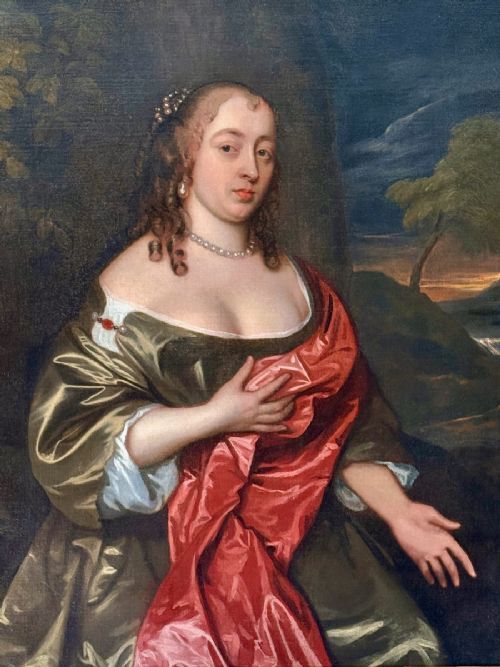
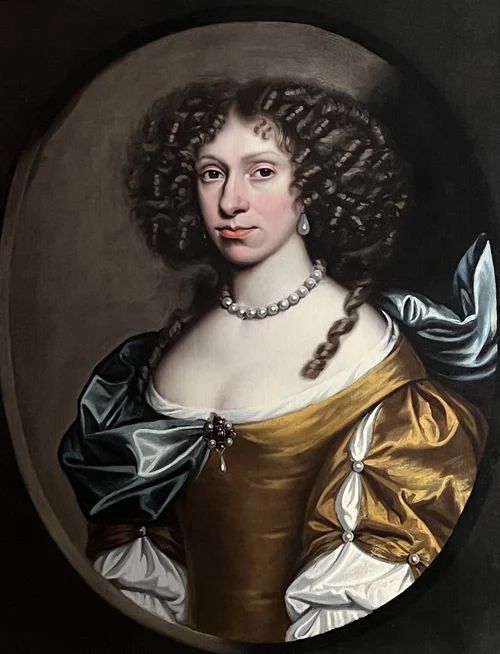
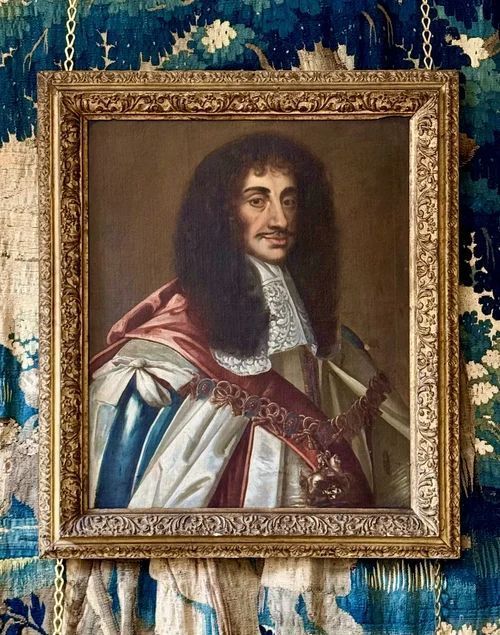
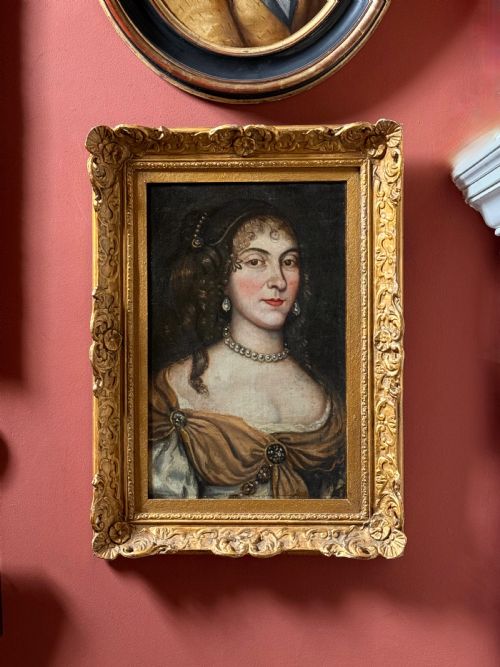
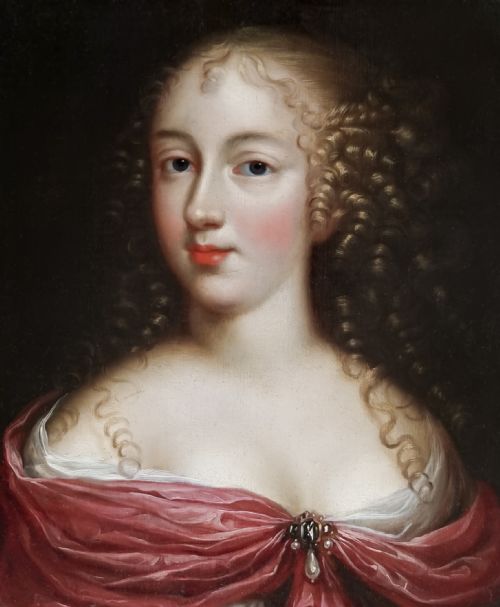
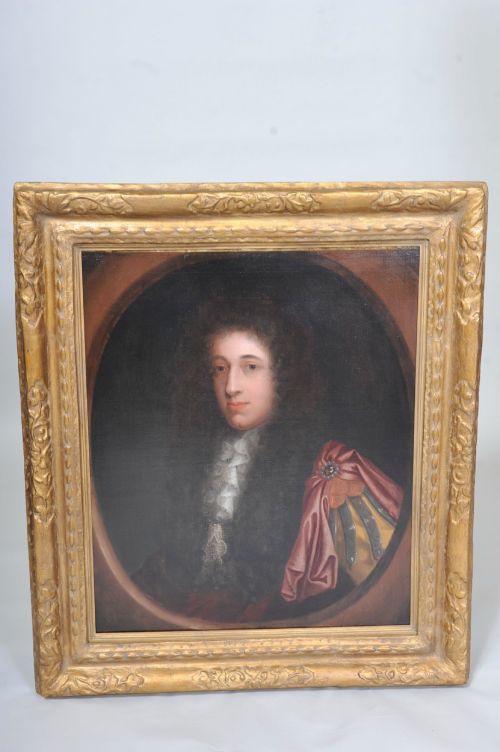
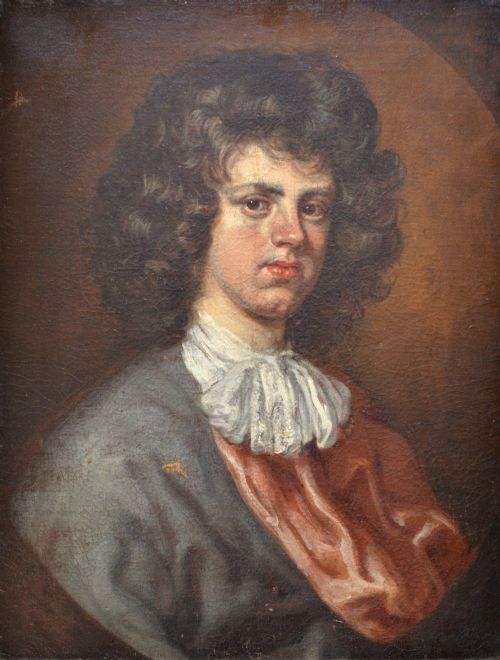
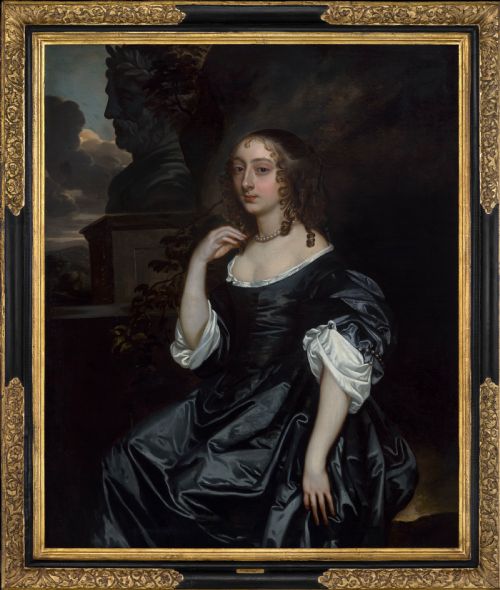
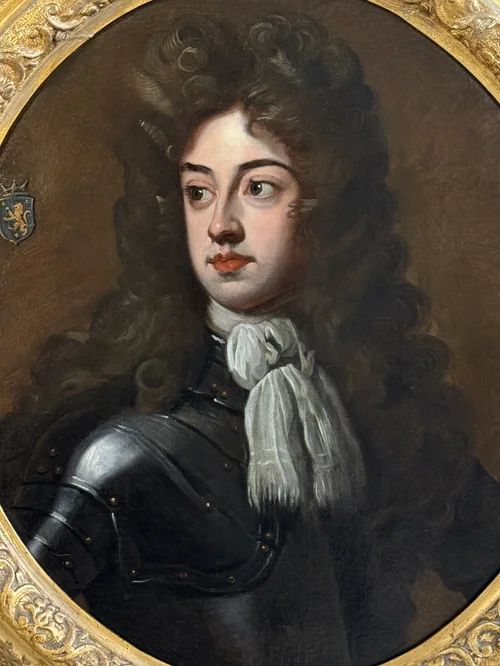
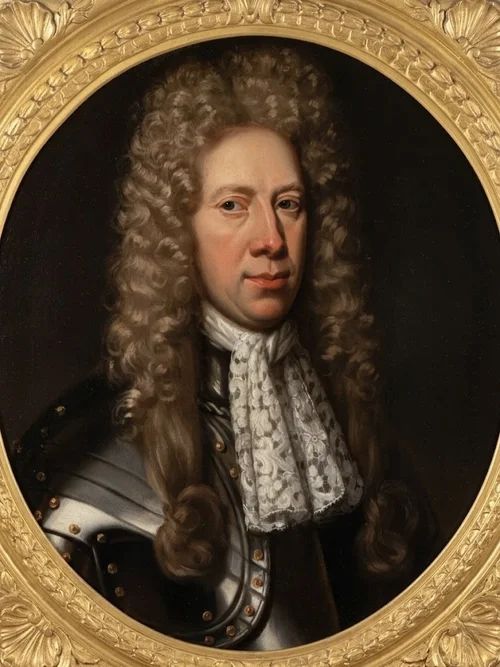
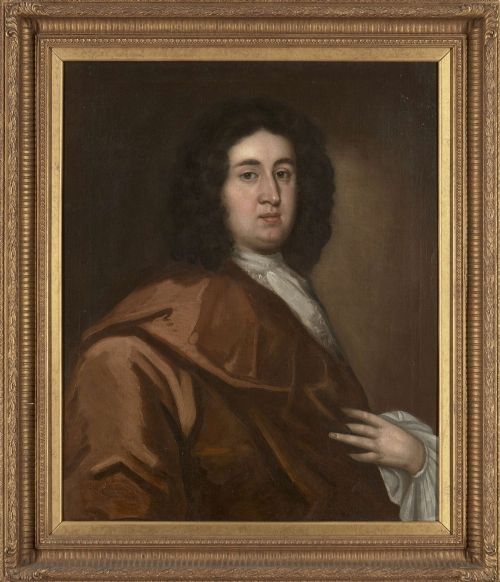
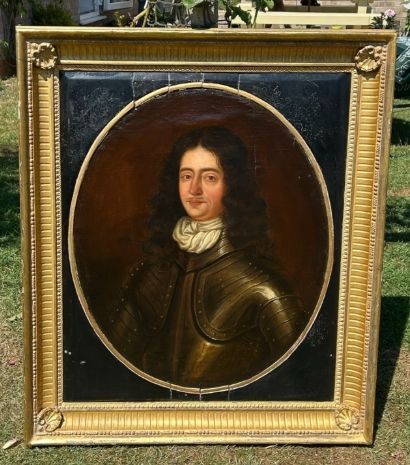
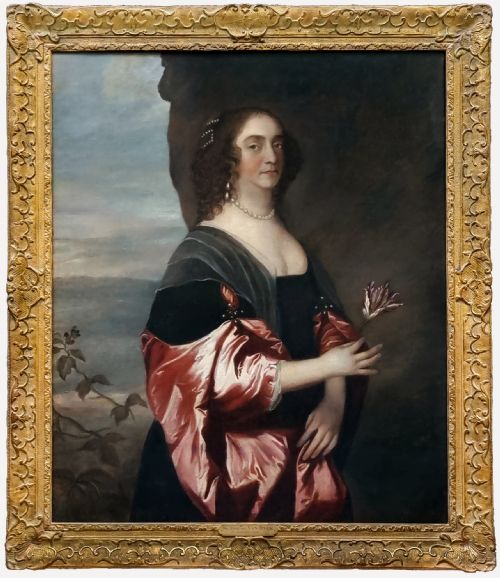
A restoration era portrait painting focuses on depictions of nobility, clergymen, military officers, and gentlefolk dating primarily from the seventeenth century. These works frequently record specific sitters by name, ranging from earls and bishops to prosperous merchants and their ladies.
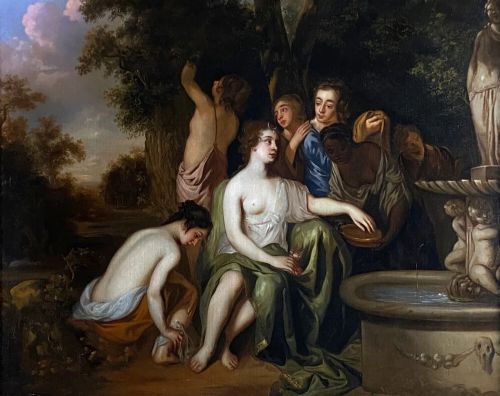
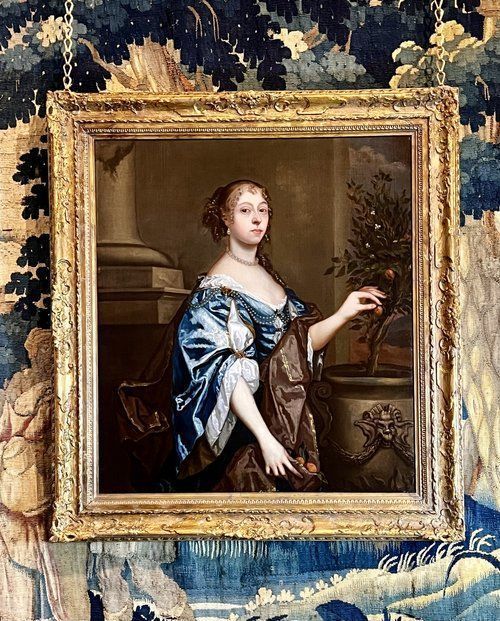
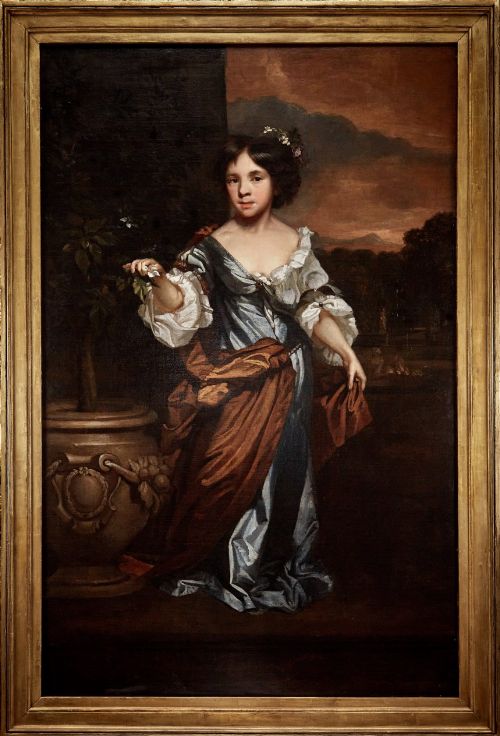
The primary forms on this page include oil on canvas and oil on panel, rendered in styles spanning Baroque, Stuart, and English or Dutch school traditions. Subjects appear in bust length, half length, or integrated within extensive landscapes and garden terraces.
Many canvases connect directly to prominent studios or circles associated with court painters of the period. Buyers encounter both documented portraits by named artists and anonymous studies executed by contemporary followers.
Materials and Technique
Artists of this period built up compositions using oil paint on stretched canvas or wooden panels, often preparing the surface with a dark ground to establish deep shadows. Pigments were applied in layered glazes to achieve rich skin tones and intricate details in silk gowns, lace collars, and velvet drapery.
Framing often complements the artwork through heavy moulded giltwood or gold leaf frames that enhance the dramatic lighting inherent in Baroque portraiture. Signed or inscribed works occasionally bear contemporary lettering detailing the sitter's age and identity directly on the canvas.
Several noble sitters share space with unexpected companions, including a lady picking oranges and a young girl posing with a pet.
Evaluating Quality and Execution
Condition and preservation heavily influence the standing of a canvas, particularly the degree of original surface survival beneath historic varnish layers. Works retaining their original stretchers, contemporary inscriptions, and period giltwood frames hold greater integrity.
Sir Peter Lely·John Closterman·Mary Beale·John Michael Wright·Sir Godfrey Kneller
The Restoration Era Portrait Painting Glossary
- Baroque
- A seventeenth-century European style characterised by drama, deep shadow, and rich theatricality. This aesthetic informs the dynamic lighting and opulent dress seen in restoration portraiture.
- Giltwood
- Wood carved and covered with a thin layer of gold leaf or metallic gilt. Many period frames utilise this technique to complement the dark tones of oil paintings.
- Studio of
- A term indicating a work produced by assistants or pupils working under the direct supervision of a master artist. These pieces often replicate popular compositions from the primary workshop.
- Circle of
- A designation used when a painting shows the distinct manner and technique of a known master without being a direct work by their hand. It suggests an artist working in close proximity to the named painter.
- Panel painting
- An artwork executed on a flat piece of wood rather than stretched canvas. Oak and other timbers served as common supports during the seventeenth century.
Restoration Era Portrait Painting: Frequently Asked Questions
How can I identify a restoration era portrait?
Look for characteristic seventeenth-century costume details such as lace cravats, silk gowns with slashed sleeves, periwigs, and structured armour. Inscriptions naming the sitter, a date, or the sitter's age often appear along the edges of the canvas.
The handling of light and shadow follows Baroque conventions, frequently placing the figure against a dark, undefined background or an outdoor terrace. Attribution to specific schools or followers of court painters further anchors the work in this period.
What is the difference between a circle piece and an original?
An original painting bears the direct brushwork of the named master whose signature or documented style defines the piece. These works represent the highest tier of output from a particular studio.
A circle piece denotes an anonymous contemporary working closely within the stylistic orbit of the master. While sharing the same visual vocabulary and technical approach, these paintings originate from associated hands rather than the principal artist.
How should I hang and care for an oil painting?
Keep antique canvases away from direct sunlight, heating vents, and damp environments to prevent the oil paint and canvas from degrading. Stable indoor temperatures preserve both the structural integrity of the weave and the stability of the ground layers.
Display the painting on secure fixings suitable for the weight of the combined canvas and heavy giltwood frame. Avoid harsh chemical cleaners, dusting the surface gently with a soft, dry brush only when necessary.
Why do some portraits include latin inscriptions?
Inscriptions on seventeenth-century canvases frequently record the sitter's name, titles, and age at the time the portrait was painted. Latin phrases or abbreviations like pinxit were employed to denote who painted the work.
These annotations served to preserve the genealogy and identity of nobility and clergy for future generations. They provide modern historians and collectors with valuable documentary evidence regarding the provenance.