
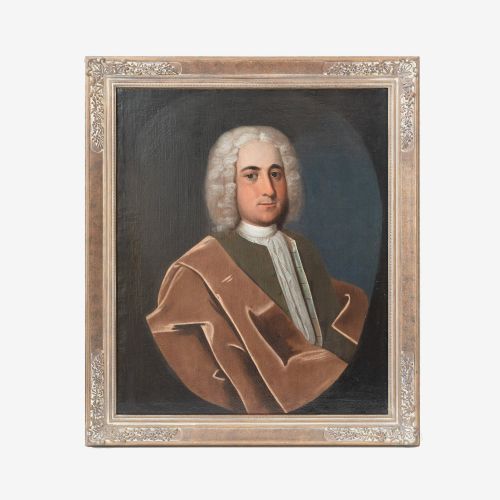
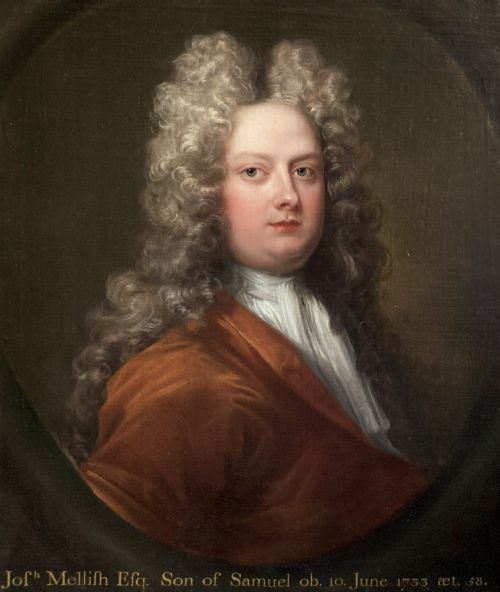
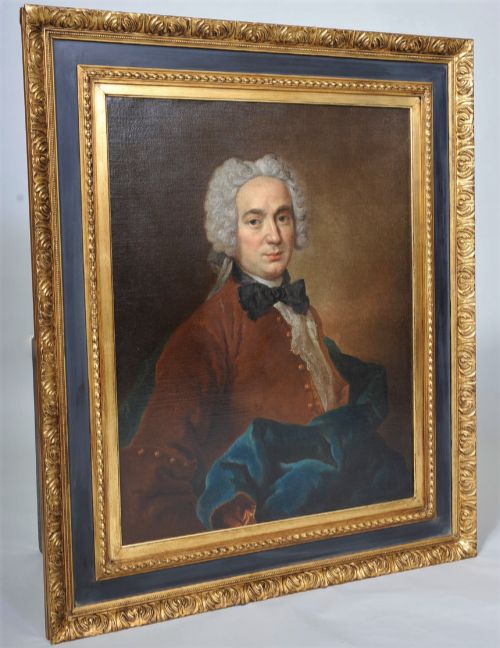
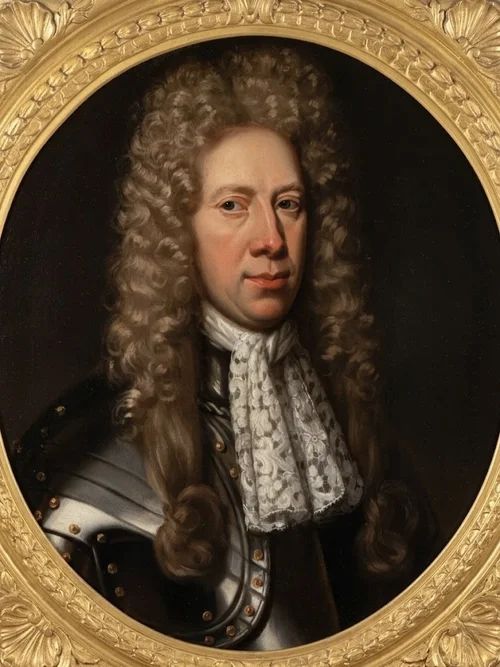
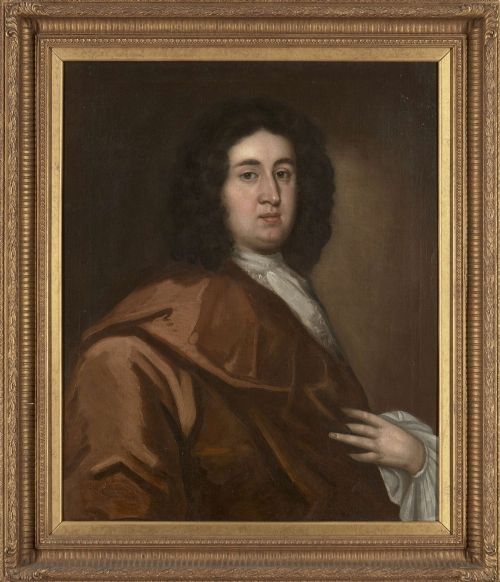
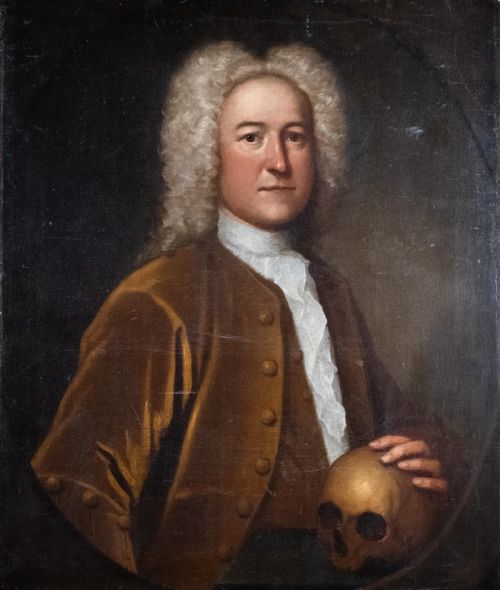


Brown Wig Oil Portrait
A brown wig oil portrait captures the formal dignity of elite gentlemen across the seventeenth and eighteenth centuries in layered oil paint.
Brown Wig Oil Portrait
A brown wig oil portrait presents a serious gentleman depicted from the late seventeenth century through the mid-eighteenth century, typically rendered in realistic oil on canvas. These works span Georgian, Early Georgian, Baroque, and Restoration Baroque styles, capturing subjects in formal attire such as cloaks or holding symbolic objects like a skull.
The pieces appearing on this page include specific named sitters like Joseph Mellish and Richard Oswald, alongside anonymous gentlemen from periods around 1700, 1750, and general eighteenth or seventeenth-century designations. They reflect the portraiture traditions of painters working in Britain and wider European circles during the era of powdered and natural brown periwigs.
Factors of distinction
Quality rests in the precision of the brushwork and the psychological depth achieved in the sitter's expression, separating workshop production from master execution. The handling of drapery, the realism of the wig texture, and the luminosity of the skin tones demonstrate the artist's technical capability.
Condition and originality also dictate standing, particularly the stability of the canvas and the preservation of the underlying oil paint layers over centuries. The integrity of the original wood framing further contributes to the overall historical completeness of the piece.
Materials documented across the inventory include oil paint, canvas, oak wood, and gilded or gilt wood frames.
Charles Jervas·JOHN SCOUGALL·John Closterman·William Denune·Thomas Hudson·George Dowdney·John Riley·Andrea Soldi
The Brown Wig Oil Portrait Glossary
- Oil on canvas
- A painting technique involving pigment suspended in a drying oil medium applied to a stretched woven fabric support. This combination allowed artists to build rich layers and subtle tonal gradations.
- Gilt wood frame
- A wooden surround coated with a thin layer of gold leaf or gold paint. These ornate borders enhanced the prestige of the artwork and protected the canvas edges.
- Baroque
- An artistic style characterised by drama, tension, and deep chiaroscuro lighting. In portraiture, this translated into theatrical drapery and imposing postures.
- Circle of
- A designation used when a painting shows the distinct hand of an artist working closely near a master, sharing their exact studio style and technique without being an autograph work.
Brown Wig Oil Portrait: Frequently Asked Questions
What is a brown wig oil portrait?
A brown wig oil portrait is a historical painting depicting a gentleman from the seventeenth or eighteenth century wearing the characteristic voluminous periwig of the period. These artworks utilise oil on canvas to record the likenesses of merchants, clergymen, and nobility.
Created during the Baroque and Georgian eras, these paintings serve as historical documents of elite fashion and personal status. They frequently depict sitters in formal garments, holding significant objects or posing against dark, dramatic backgrounds.
How should I care for an oil painting?
Preserving an oil painting requires stable environmental conditions away from direct sunlight, extreme temperature fluctuations, and high humidity. Keeping the canvas in a room with moderate climate prevents warping of the wooden stretcher and cracking of the paint layer.
Dusting should be done gently with a soft, dry brush, avoiding any moisture or chemical cleaning agents on the painted surface. Professional conservators should handle any deeper cleaning or restoration work.
How do I identify seventeenth-century portraits?
Seventeenth-century portraits typically feature subjects in heavy drapery, lace cravats, and voluminous wigs associated with the Restoration Baroque style. The brushwork often employs strong chiaroscuro effects with deep shadows and focused light on the face.
Inscriptional evidence on the reverse of the canvas or on the frame can also provide dates and sitter names. Comparing the costume and wig styles against known historical periods helps narrow down the decade of creation.
What frames are period-appropriate for these paintings?
Period-appropriate frames for these portraits are typically constructed from gilded wood or oak wood, reflecting the craftsmanship of the seventeenth and eighteenth centuries. These surrounds often feature carved ornamentation that matches the aesthetic weight of the canvas.
Retaining the original or period-correct frame is important for historical consistency, as framemakers designed these surrounds to complement the tones and style of the oil painting.