

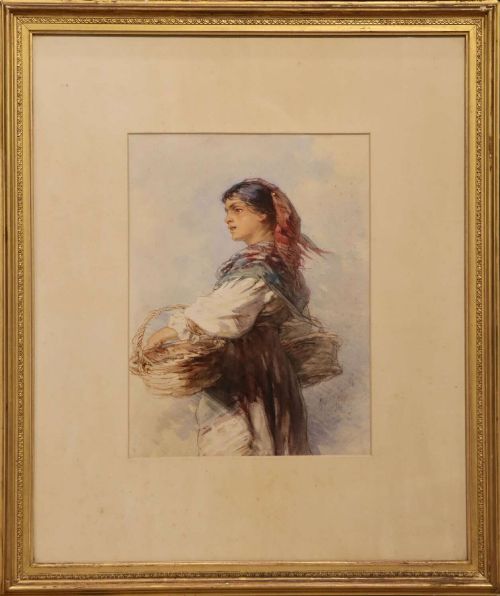
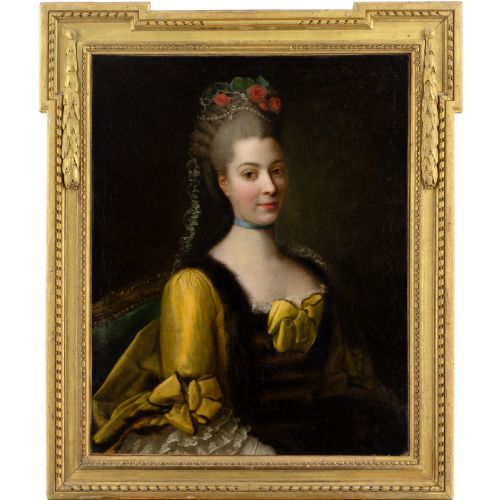

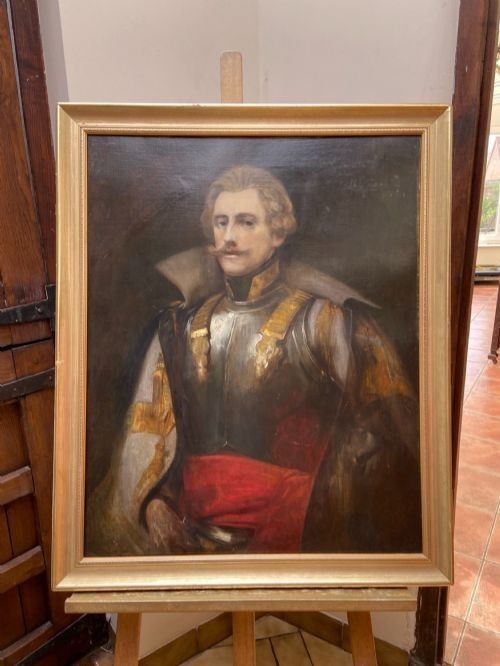
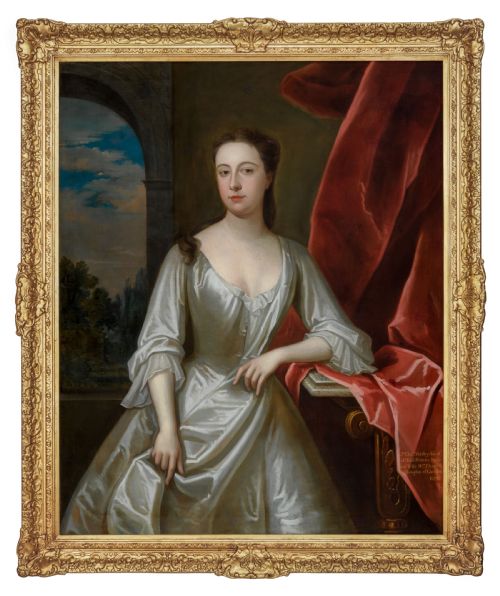
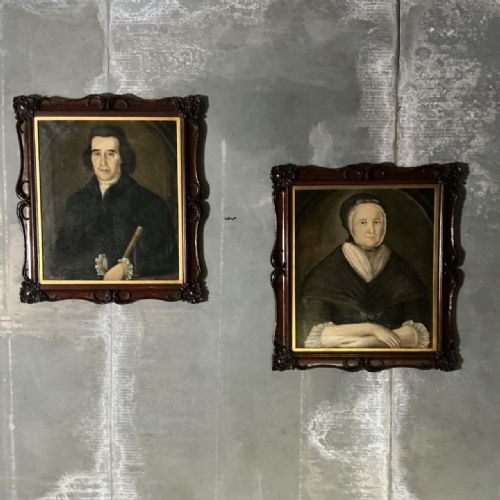
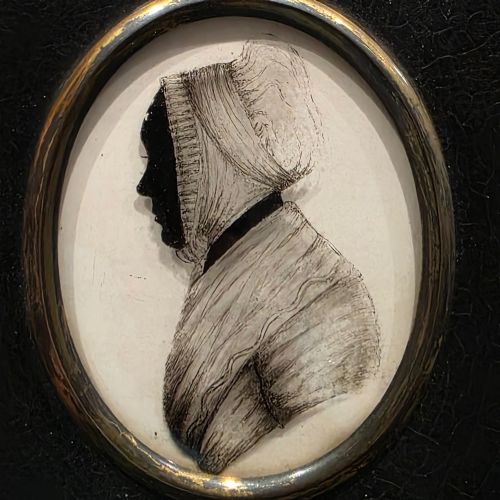
Gilt Frame Portrait Art
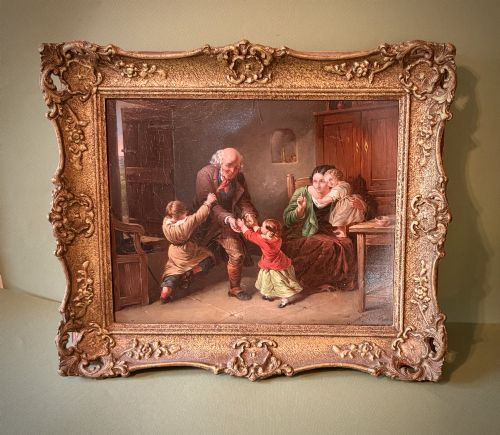
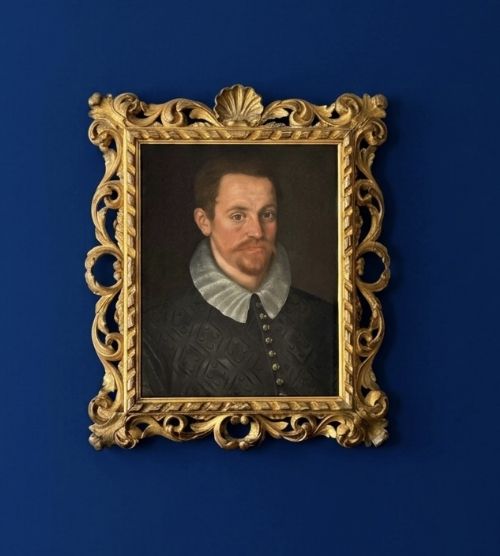
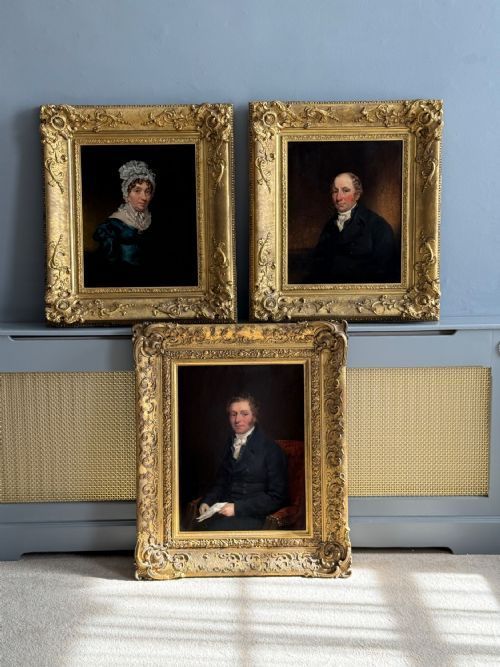
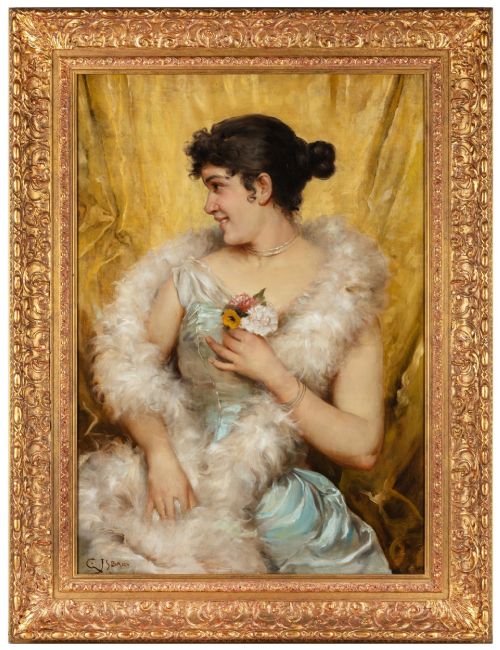
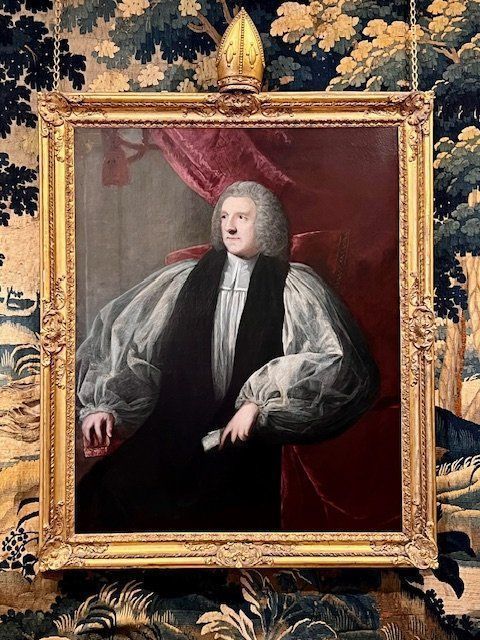
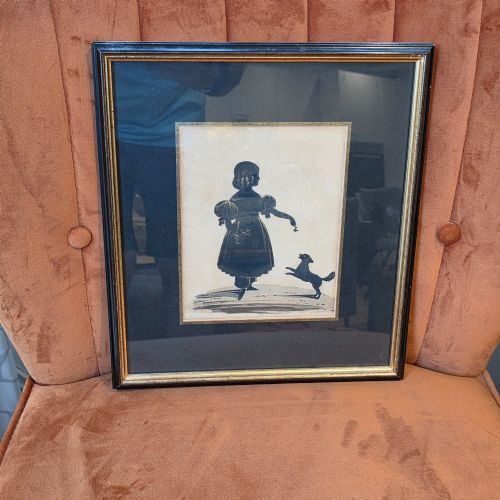
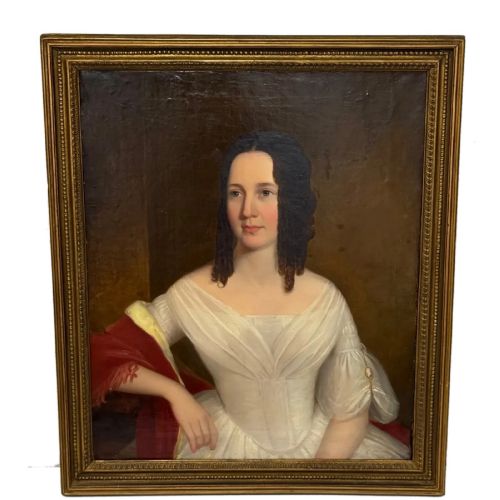
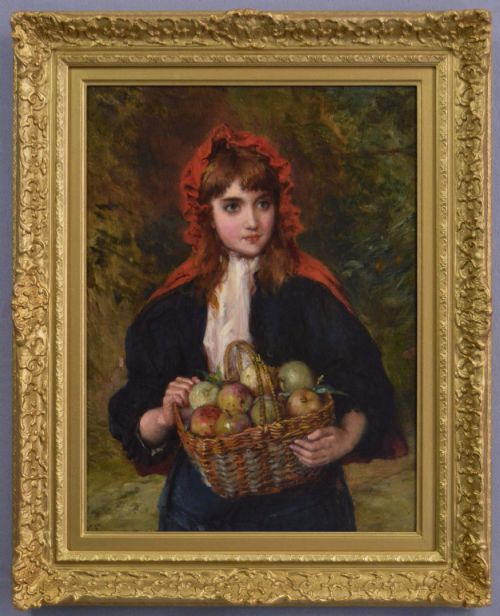
Gilt frame portrait art brings historic presence and character to a room through centuries of painted, engraved, and drawn likenesses.
Gilt Frame Portrait Art
When you search for gilt frame portrait art, you encounter a diverse range of historic depictions enclosed within metallic gold surrounds.
The selections span from seventeenth-century nobility to twentieth-century studies, encompassing oil paintings, pastels, silhouettes, and mezzotints.
The most common pieces on this page are eighteenth and nineteenth-century oil paintings on canvas and panel, alongside portrait miniatures and paper engravings.
How They Were Made
Artists worked primarily with oil on canvas or wood panels, though works on paper, copper, leather, and vellum also appear in the record.
Framing involved laying gold leaf over gesso and wood mouldings, often hand-carved to create ornate decorative profiles that complemented the artwork.
Materials recorded across the archive include canvas, giltwood, gold leaf, leather, glass, and vellum.
What Varies in Quality
The distinction between standard works and exceptional pieces lies in the anatomical precision of the subject and the psychological depth captured by the artist's hand.
The integrity and originality of the surrounding woodwork also influence the overall standard, as period mouldings matched specifically to the canvas elevate the complete object.
Sir Godfrey Kneller·Sir Joshua Reynolds·William James Hubard·John Boydell·James Watson·Jean-Baptiste Van Loo·Joseph Clover·Francesco Bartolozzi·Maurice Quentin de la Tour·Sir Martin Archer Shee·Jean Mariette·Georges de La Tour·Sir Anthony van Dyck·John Hayls·James Sharples·Emily Eyres·John Maler Collier·Dumini Leopoldo·Sir Peter Lely·Jeremiah Davison·Gilbert Jackson·Luigi Bardi·Raphael·Lemuel Francis Abbott·Alfred Egerton Cooper
The Gilt Frame Portrait Art Glossary
- Mezzotint
- A printmaking process where the copper plate is roughened to achieve rich tonal gradations and dark backgrounds. This technique became popular for reproducing oil paintings of notable figures.
- Giltwood
- Timber that has been coated with thin sheets of gold leaf over a prepared base. It provides the reflective metallic border typical of antique framing.
- Portrait Miniature
- A small, highly detailed painting on ivory, vellum, or card designed for intimate viewing or portable display. These works often utilised watercolor or gouache.
- Tondo
- A circular artwork format. This shape appears frequently in classical and religious compositions.
Gilt Frame Portrait Art: Frequently Asked Questions
What is gilt frame portrait art?
These pieces comprise historical likenesses of individuals and groups created across several centuries, preserved within gold leaf or giltwood surrounds.
The works range from grand oil paintings of nobility to delicate silhouettes and engravings on paper.
How were these portraits displayed historically?
Portraits were traditionally hung in family galleries, private studies, and formal reception rooms to signal lineage, status, or personal allegiance.
Smaller formats such as miniatures were often kept in travel cases or displayed on small stands for intimate viewing.
How do I date a gilt frame portrait?
Dating relies on stylistic clues in the clothing, hair, and framing techniques, alongside any inscriptions or artist signatures present on the canvas or reverse.
Changes in pigment use and canvas preparation also offer reliable chronological indicators for specialists.
Are the frames original to the art?
Many pieces retain their period frames, though historic frames were frequently updated to match changing interior aesthetics of later centuries.
Matching the joinery and wear patterns between the artwork and the surrounding gold leaf helps determine their historic association.