


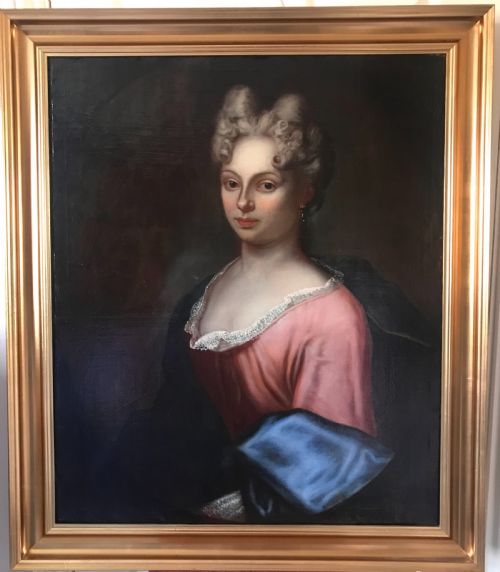


Historic Portraiture Canvas
Historic portraiture canvas works capture individual likenesses in oil paint across centuries, offering direct visual contact with past lives.
Historic Portraiture Canvas
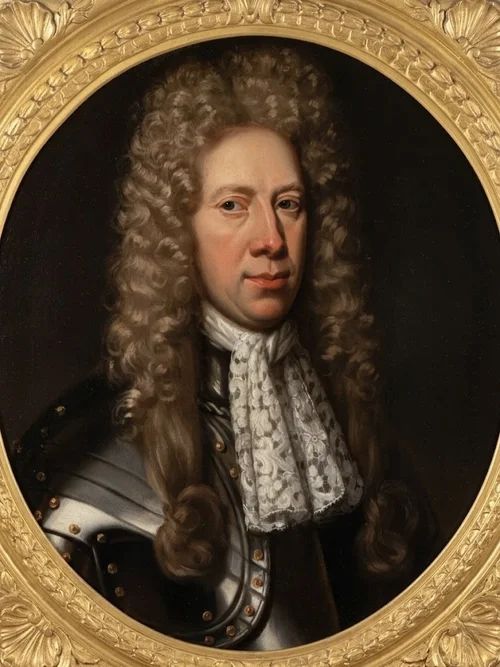
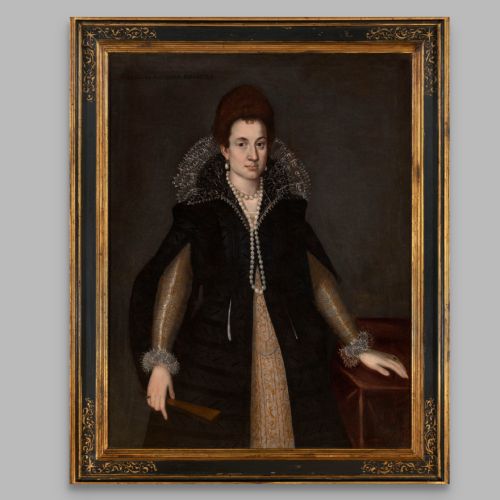
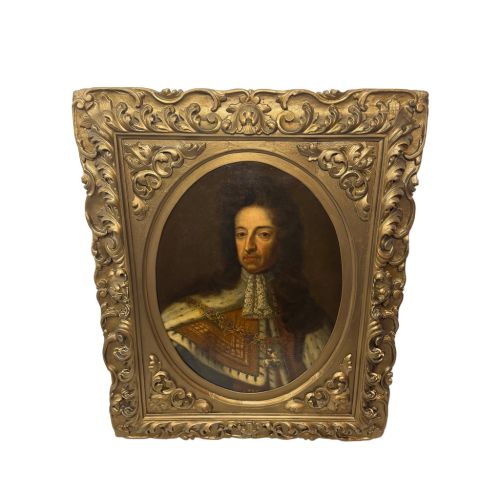
Historic portraiture canvas paintings depict specific sitters, ranging from seventeenth-century gentry and nobility to nineteenth-century figures and interwar personalities. These works appear across several distinct eras, including the Georgian, Victorian, and Baroque periods.
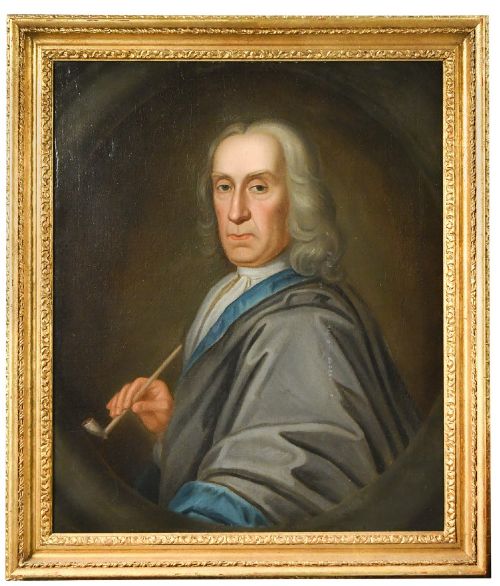
The selection here includes British, Dutch, and Italian schools, showing both formal studies of dignitaries and intimate portrayals of private citizens. Canvas surfaces support oil paint applications that preserve the appearance of historical costume and facial expression.
Buyers encounter oil paintings ranging from seventeenth-century British school pieces to interwar realism canvases. Each historic portraiture canvas records the likeness of a subject using traditional media applied to woven textile.
Materials and Construction
Painters applied oil paint directly onto woven canvas stretched over wooden frames, utilising the texture of the textile to hold pigment. Many of these canvases remain housed within their original or period giltwood and gold leaf frames.
Artists layered oil pigments to build depth in clothing, flesh tones, and background shadows. The combination of oil on canvas with carved wood framing constitutes the primary physical construction of these historic artworks.
One subject holds a pelican tooth extractor, recording an unusual nineteenth-century veterinary instrument for posterity.
Evaluating Quality in Portraiture
Quality rests in the precision of the brushwork, the psychological depth captured in the sitter's expression, and the anatomical accuracy of the hands and face. Superior works demonstrate skilled handling of light and shadow, particularly in rendering fabrics like crimson coats and lace collars.
The integrity of the original canvas surface and the condition of the paint layers influence the visual impact of the piece. Attribution to recognised painters or distinct regional schools elevates the historical significance of the work.
John Scougall·Pietro Fachetti·Joseph Highmore·John Greenhill·Richard Cosway·Eugen Rosenfeld·Francis Alleyne·Rudolph Lehmann·Sir Peter Lely·John Raphael Smith·Daniel Mytens·Lemuel Francis Abbott·John E Fernley
The Historic Portraiture Canvas Glossary
- Oil on Canvas
- Pigment mixed with drying oil applied to a woven fabric support. This combination provides flexibility and durability for large-scale painting.
- Giltwood
- Wood carved and covered with a thin layer of gold leaf or metallic powder. It provides ornamental framing for historic paintings.
- Baroque
- An artistic style prevalent from the seventeenth into the eighteenth century, characterised by drama and rich colour. It informs several works in this selection.
- Georgian
- The period covering the reigns of the four British monarchs named George, spanning the eighteenth and early nineteenth centuries. Portraits from this era often depict sitters in formal attire.
- School
- A group of artists associated with a particular place, time, or master. Listings frequently reference British, Dutch, or Norwegian schools.
Historic Portraiture Canvas: Frequently Asked Questions
How are historic canvases cleaned?
Conservation requires professional intervention to address surface grime and aged varnish without disturbing the underlying oil paint layers.
Specialist restorers examine the pigment stability before applying any cleaning agents to the canvas.
What frames suit these portraits?
Period giltwood frames complement the age and style of seventeenth and eighteenth-century oil paintings.
Matching the frame moulding to the century of the canvas maintains historical coherence.
How do I identify the sitter?
Inscriptions on the reverse of the canvas, period documentation, or accompanying biographical notes often record the subject's identity.
Costume details and heraldic symbols also provide clues to the social standing of the portrait.
Where should I hang a canvas?
Display oil paintings away from direct sunlight and steady heat sources to protect the canvas and paint layers.
Stable indoor humidity prevents the wooden stretcher frames from warping over time.