
Baroque Gentleman Oil Canvas
A baroque gentleman oil canvas captures elite status and elaborate attire through masterful portraiture from the seventeenth and eighteenth centuries.
Baroque Gentleman Oil Canvas
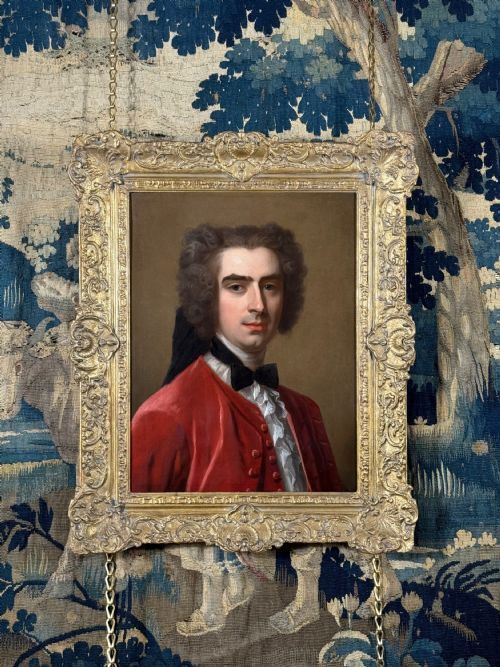
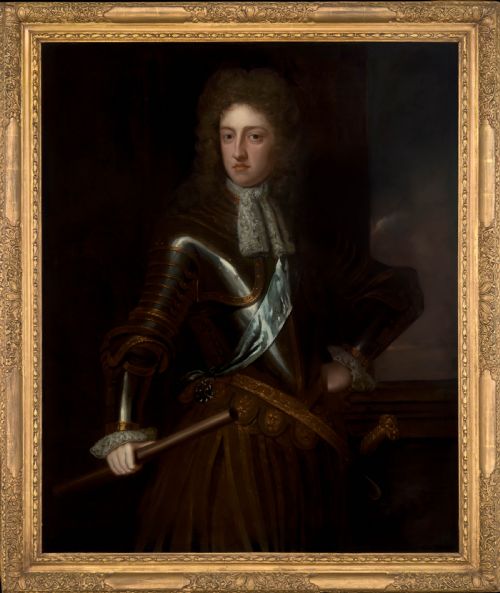
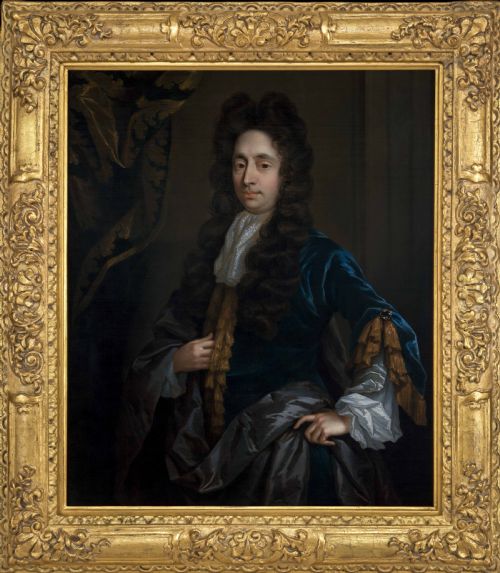
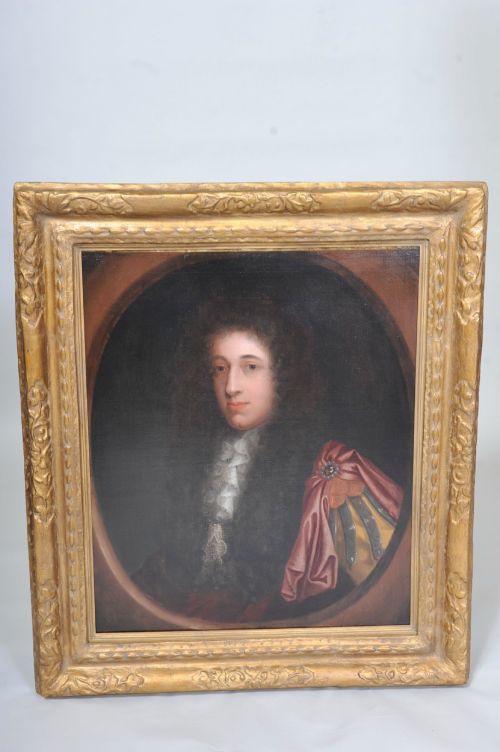
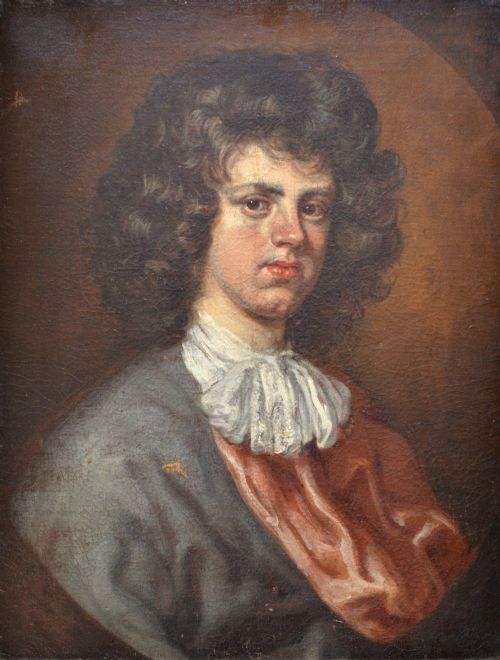
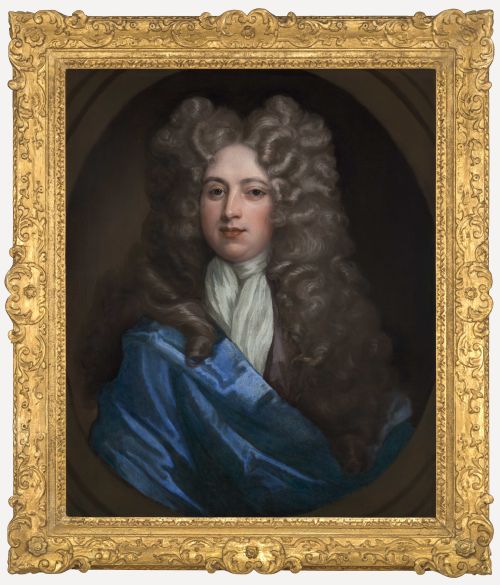
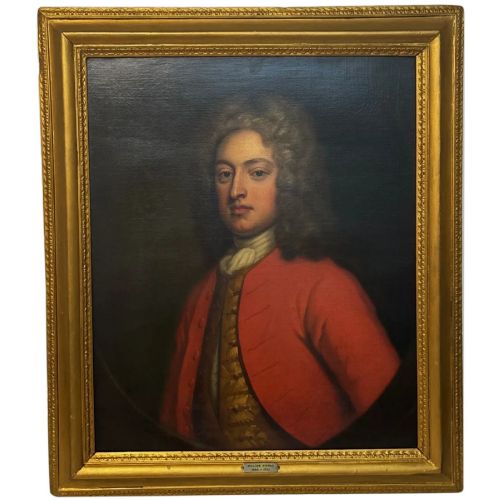
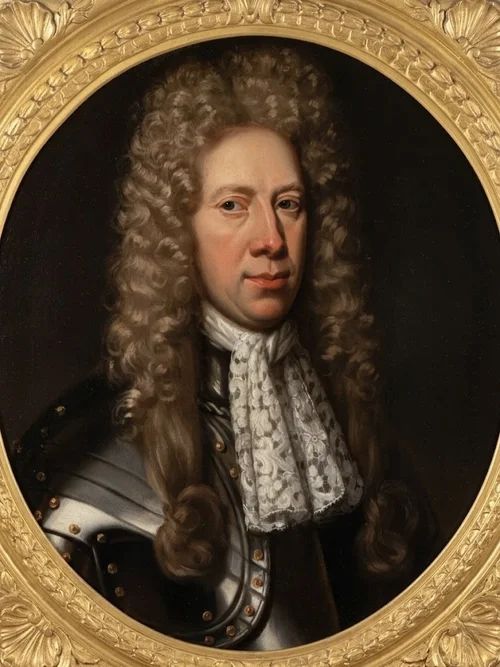
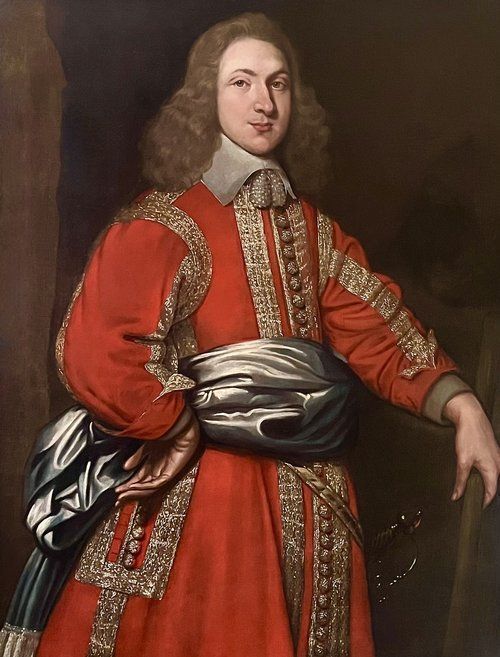
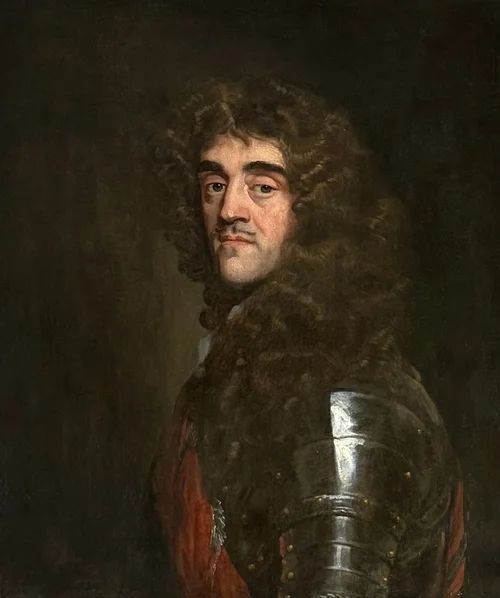
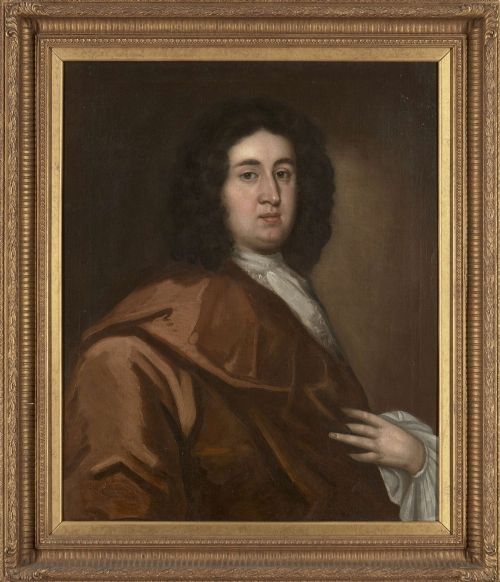
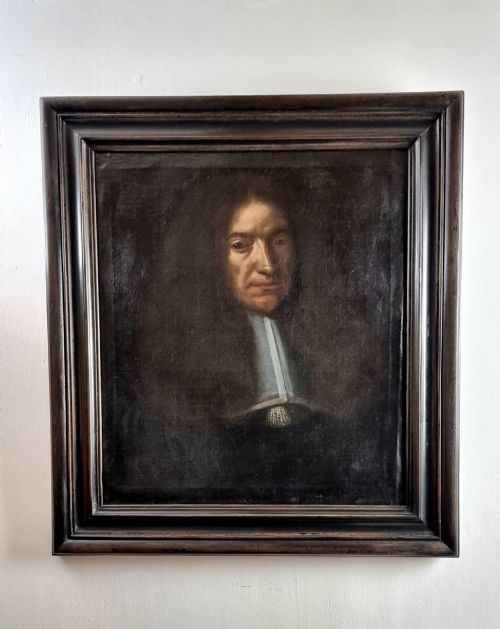
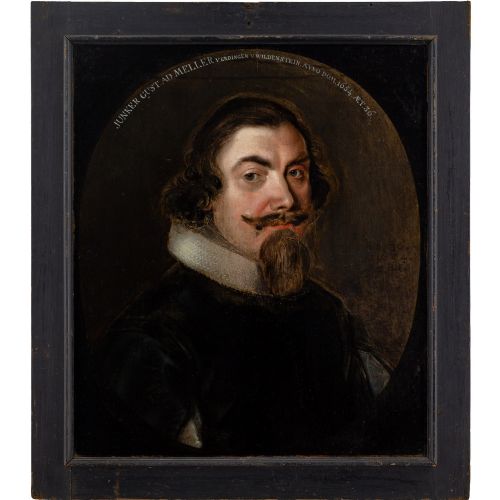
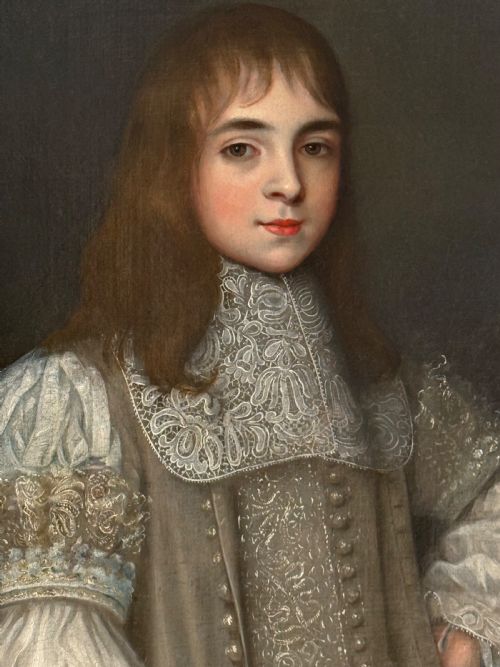
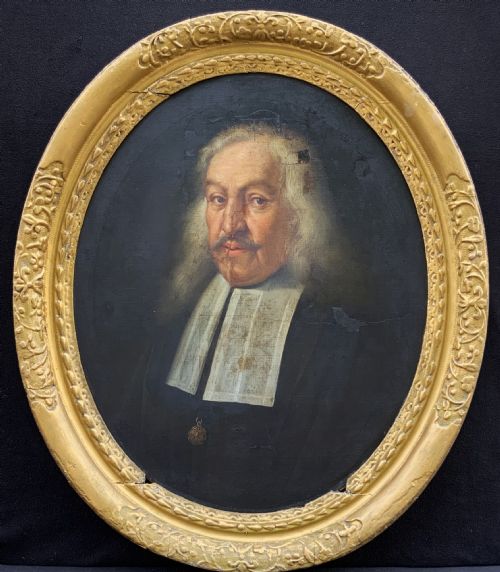
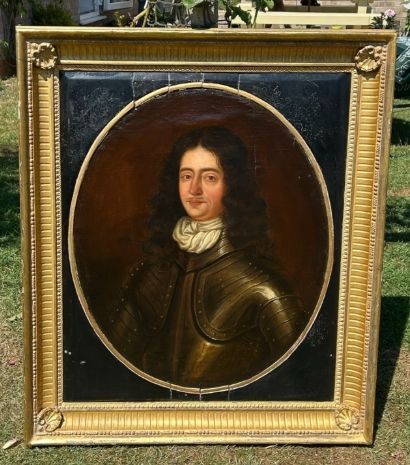
A baroque gentleman oil canvas represents male subjects from the seventeenth century and early eighteenth century, rendered in oil on canvas by British, Dutch, Flemish, and German schools. Buyers discover military officers, judges, aristocrats, and scholars portrayed in formal attire such as periwigs, armour, ruffs, and heavy cloaks.
The selection on this page centres primarily on portrait paintings from the seventeenth century alongside early eighteenth century examples, spanning Dutch Golden Age and British Baroque traditions. These works frequently depict named historical figures or members of notable families from Britain and continental Europe.
Most entries originate from circles or studios of prominent portraitists, offering collectors access to period works associated with well-documented seventeenth and eighteenth century painters. The formats range from intimate half-length studies to grander canvases depicting subjects with symbolic objects like skulls or curtains.
Factors of quality
Quality in these portraits rests upon the anatomical precision of the hands and face, the handling of textile textures like silk and velvet, and the preservation of the original canvas surface. Works produced by the primary hand of an established master command greater attention than studio repetitions or circle pieces.
The psychological depth of the sitter and the complexity of the surrounding elements, such as elaborate armour or draped curtains, distinguish superior canvases from standard workshop output. Preservation of the underlying pigment layers without extensive overpainting further elevates the standing of a canvas.
Several gentlemen in the collection sport remarkably lavish periwigs that appear to possess more personality than the sitters themselves.
Sir Godfrey Kneller·Michael Dahl·John Greenhill·Mary Beale·John Michael Wright·Jean-Baptiste Van Loo·Constantyn Netscher·Thomas Murray·John Scougall·John Closterman·Joseph Vivienne·Pieter Borseler·Willem Wissing·John Riley
The Baroque Gentleman Oil Canvas Glossary
- Baroque
- An artistic style originating in the seventeenth century characterised by dramatic movement, deep shadow, and rich detail. This aesthetic dominated European portraiture during the period represented in these listings.
- Periwig
- A voluminous artificial hairstyle worn by men of high status during the late seventeenth and early eighteenth centuries. Its presence helps date portraits to specific decades.
- Giltwood
- Wood that has been treated with a thin layer of gold leaf, commonly utilised for framing seventeenth and eighteenth century paintings. Original frames significantly enhance the historical context of a canvas.
- Circle of
- A designation indicating that an artist worked closely within the immediate milieu of a master painter, sharing techniques and workshop practices. These pieces reflect the dominant style of the named master.
- Ruff
- A prominent pleated collar of stiffened fabric worn during the early seventeenth century. This garment provides an immediate visual marker for dating early works in the collection.
Baroque Gentleman Oil Canvas: Frequently Asked Questions
How do I date a baroque portrait?
Dating relies heavily on the clothing, periwigs, and facial hair styles depicted in the canvas. Examining the evolution of lace collars into elaborate full-bottomed wigs provides a reliable timeline from the mid-seventeenth to the early eighteenth century.
Attributions to specific painters or workshops mentioned in the title offer additional chronological anchors based on the active working years of the artist.
What subjects appear in these paintings?
The sitters encompass military officers, aristocrats, judges, and scholars, reflecting the upper echelons of seventeenth and eighteenth century society. Many portraits identify specific historical individuals by name or family lineage.
Subjects often display markers of their profession or status, including suits of armour, judicial robes, academic scrolls, or classical drapery.
Where were these portraits painted?
Production spans British, Dutch, Flemish, and German schools of painting, reflecting the widespread influence of the baroque movement across Northern Europe. London workshops and continental courts were major centres for this type of elite portraiture.
Artists frequently moved between European courts, influencing regional portrait styles while maintaining distinct national traditions in pigment use and canvas preparation.
How should I hang an oil canvas?
Oil paintings require stable environmental conditions away from direct sunlight, excessive heat sources, and high humidity to protect the canvas and pigment layers. Proper wall placement prevents warping of the wooden stretcher frames and cracking of the oil medium.
Ensuring secure wall fixings suited to the weight of the canvas and its period frame is essential for the safe display of large historical portraits.