

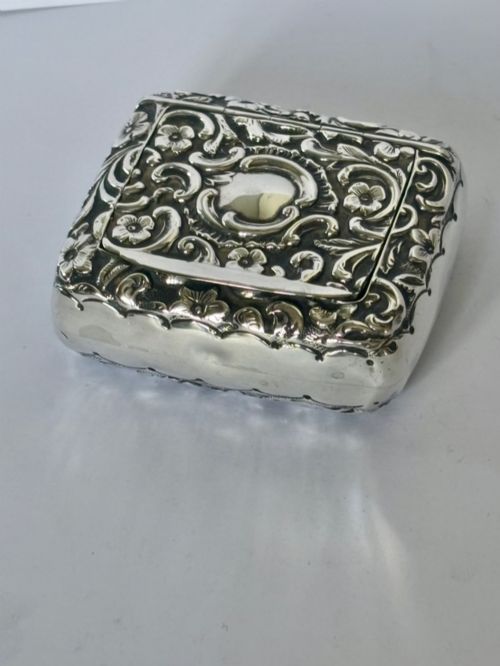
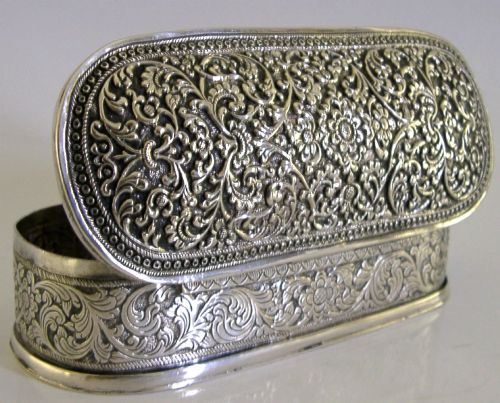
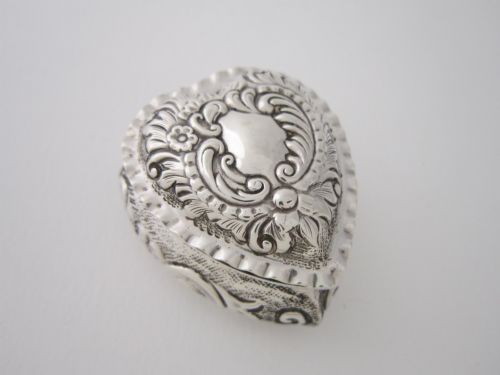
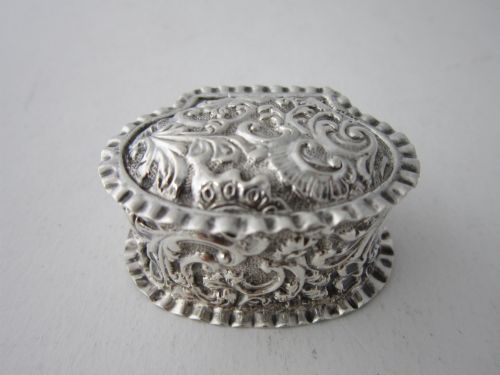
Repousse Silver Trinket Box
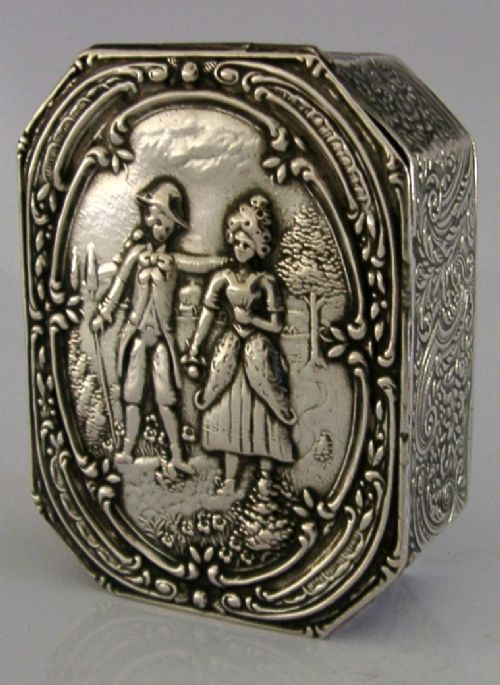
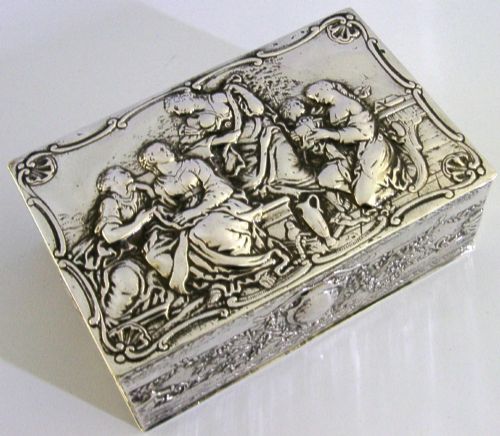
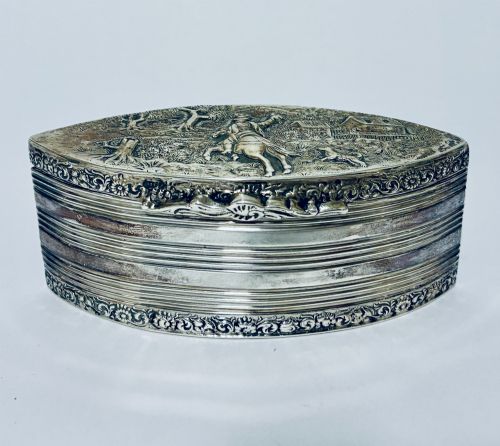
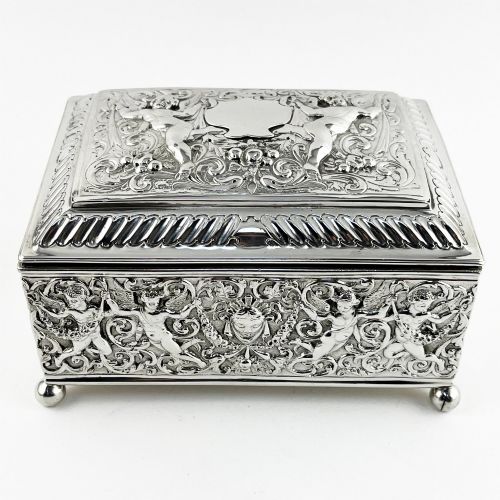
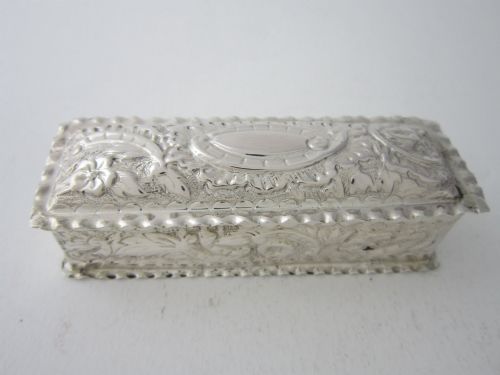
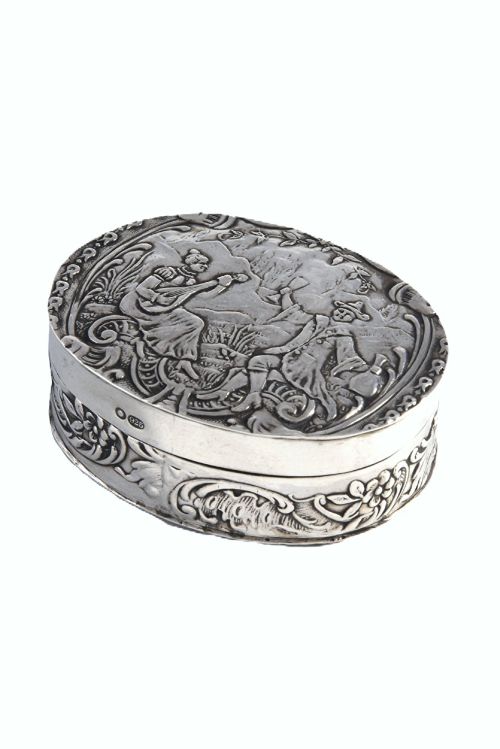
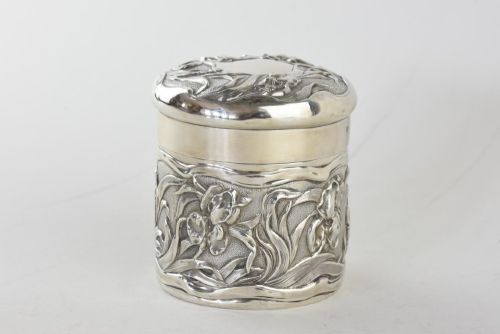
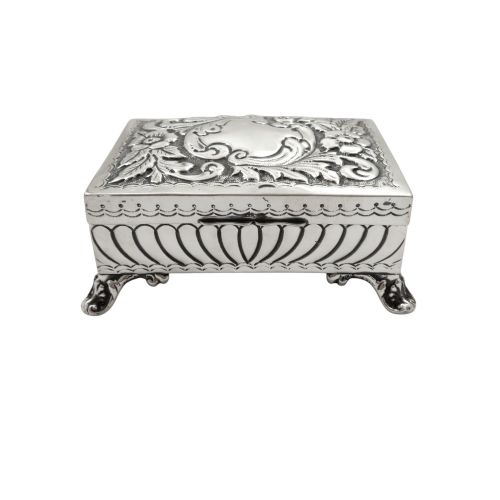
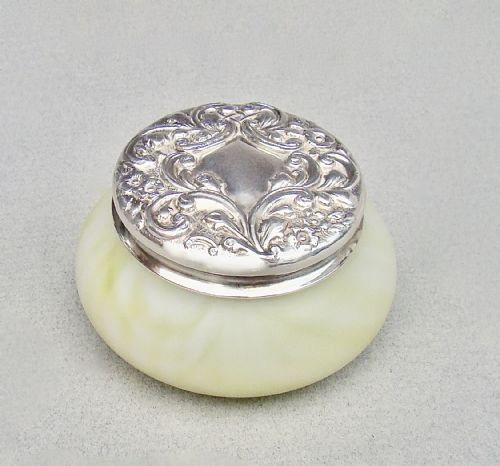
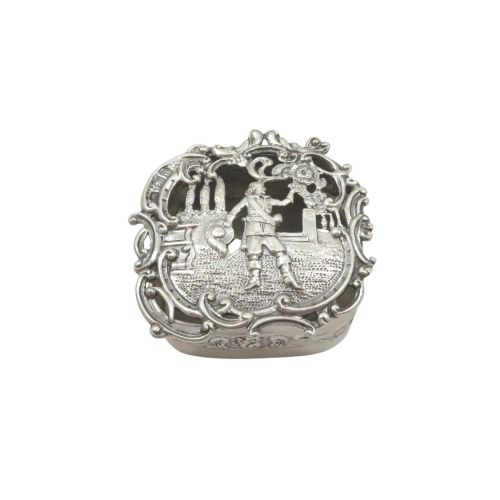
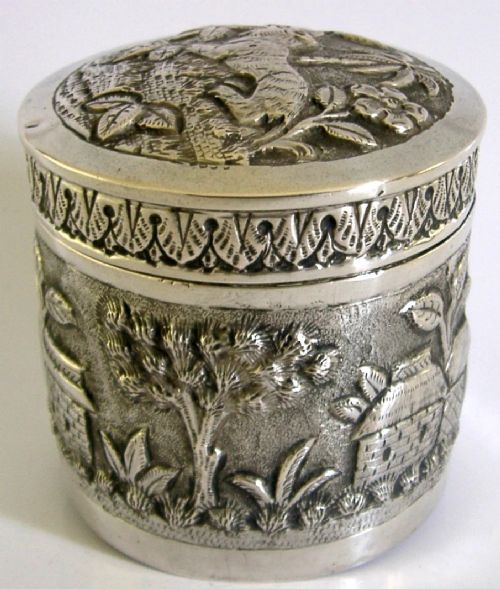
A repousse silver trinket box brings tactile luxury to your dressing table, offering chased floral and scroll decoration to keep small valuables safe.
Understanding repousse silver trinket boxes
A repousse silver trinket box is a small container designed for dressing tables or bedside storage, specifically intended for rings, pins, and small keepsakes. These boxes emerge in various forms within the evidence, ranging from pill boxes to jewellery boxes and small pots.
The pieces appearing on this page belong primarily to the Edwardian period and the late Victorian era, spanning dates from 1895 through to 1904. Buyers are most likely to encounter Sterling silver examples displaying characteristic repousse floral and scroll decoration across their surfaces.
Origins recorded in the evidence point to English manufacture, including specific assay marks from Chester and pieces dated to 1901. These items combine functional storage with intricate ornamentation, making them enduring favourites for collectors of small antique silver.
Materials and construction
The primary material across the evidence is sterling silver, shaped into compact boxes, pots, and pill boxes. Silversmiths utilised the repousse technique, hammering the metal from the reverse side to raise ornamental floral and scroll motifs in relief.
Interiors frequently feature a gold wash, also known as gilding, which adds a warm contrast to the bright exterior silver and protects the base metal from tarnishing. Hallmarks stamped directly into the silver provide official verification of the metal standard, the assay office such as Chester, and the year of manufacture.
Many Edwardian trinket boxes retain faint traces of scented powder after a century of holding vintage toiletries.
Assessing quality and craftsmanship
Quality in these pieces is dictated by the depth and crispness of the repousse hammering, where finer examples display sharp, well-defined floral and scroll details rather than flattened or worn relief. The thickness of the sterling silver plate also contributes to the tactile weight and structural integrity of the box.
The presence of a well-executed gold wash inside the box elevates the interior finish, distinguishing standard utilitarian containers from more refined dressing table accessories. Clear, legible hallmarks showing the maker, assay office, and exact year further distinguish higher-grade items.
The Repousse Silver Trinket Box Glossary
- Repousse
- A metalworking technique where the design is hammered into relief from the reverse side of the silver sheet. This method creates the characteristic raised floral and scroll decoration found on the lids and bodies of these boxes.
- Sterling Silver
- A silver alloy consisting of significant purity, legally standardised for British hallmarked items. It provides the durable yet malleable material necessary for detailed chasing and repousse work.
- Gilded Interior
- A thin layer of gold applied to the inside of the silver box, sometimes referred to as a gold wash. This treatment enhances the visual appeal and helps prevent tarnishing of the interior surface.
- Hallmark
- A series of official marks stamped onto silver items to indicate the standard of purity, the assay office of testing, and the date letter for the year of manufacture. These stamps allow accurate dating to periods like the Edwardian era.
- Assay Office
- An official body responsible for testing the purity of precious metals and stamping them with hallmarks. The evidence records Chester as one such location for these pieces.
Frequently Asked Questions
How do I date an antique silver box?
Dating relies primarily on the hallmarks stamped directly onto the silver by the assay office. These official marks include date letters that correspond to specific years of manufacture.
The evidence shows pieces bearing specific dates like 1895, 1901, and 1904, alongside broader period attributions such as Victorian and Edwardian.
What was a gold wash used for?
A gold wash, or gilding, was applied to the interior of silver boxes to provide a rich contrasting colour against the bright exterior silver. It also served the practical purpose of protecting the interior surface from tarnishing through daily contact with jewellery and cosmetics.
Examples in the evidence specifically highlight pill boxes featuring these gilded interiors.
How do I care for antique silver?
Antique silver benefits from gentle cleaning using non-abrasive cloths specifically designed for precious metals to preserve the raised repousse details. Avoiding harsh chemical dips prevents damage to the delicate relief work and any interior gold wash.
Storing the boxes in stable humidity environments helps maintain both the silver exterior and the historic hallmarks.