



Small Silver Vanity Box
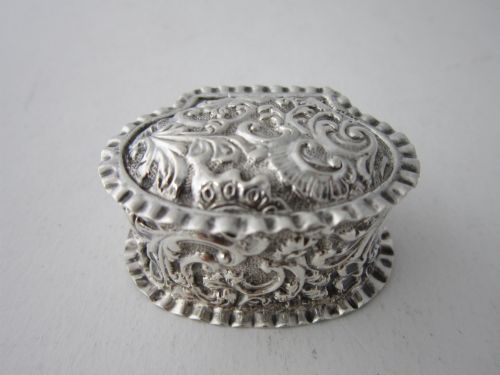
These small silver vanity box examples are compact silver containers crafted for dressing tables, offering refined storage for trinkets, pills, and personal items.
Small Silver Vanity Box
When you search for a small silver vanity box, you encounter compact receptacles designed for dressing tables and personal use. These items span periods from the Georgian era through to the Art Deco movement, encompassing Victorian and Edwardian examples.
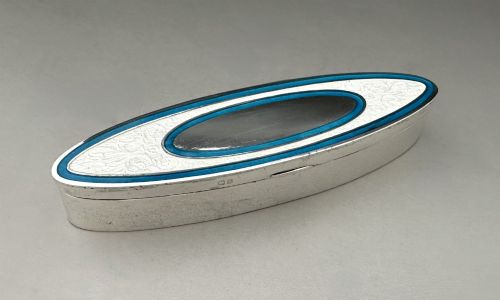
The forms on this page include trinket boxes, pill boxes, patch boxes, and ring boxes. Many pieces combine sterling silver with materials like mother of pearl, enamel, amethyst, and garnet.
Origins range from English manufacture, including Birmingham hallmarks, to Anglo-Indian and nineteenth-century Eastern workshops. Buyers most frequently meet Victorian and Edwardian pieces configured for holding small personal treasures.
How they were made
Maker's workshops combined sterling silver with organic elements such as mother of pearl and gemstones like amethyst and garnet. Enamel work, including bi-colour variations, added colour and decorative detail to the metallic surfaces.
Silversmiths utilised traditional manufacturing techniques to shape pill boxes, trinket boxes, and ring boxes, applying Birmingham hallmarks to English pieces. Vermeil finishes and velvet linings further enhanced the interior and exterior presentation.
Heart-shaped pill boxes ensure your remedies arrive with romance.
What varies in quality
Quality depends upon the crispness of the silver form and the precision of any decorative additions such as enamel or inset gemstones. Pieces that integrate materials like mother of pearl or amethyst show varying degrees of skill in their mounting and fit.
The presence of clear hallmarks, particularly from Birmingham, and the preservation of intricate ornamentation distinguish superior examples from simpler ones. The harmonious integration of velvet interiors and vermeil surfaces also marks out finer execution.
ASPREY
The Small Silver Vanity Box Glossary
- Sterling silver
- A standard of silver alloy consisting of ninety-two point five percent silver by mass. This material forms the primary body for the majority of these vanity and pill boxes.
- Vermeil
- Sterling silver coated with a thin layer of gold. This finish provides a warm golden appearance to the interior or exterior of the box.
- Hallmark
- An official stamp applied to precious metals in Britain to indicate standard of purity and origin. Birmingham served as a major centre for applying these marks.
- Patch box
- A small container originally used for holding small pieces of fabric or leather worn on the face to conceal blemishes. These evolved into general trinket and pill containers.
- Anglo-Indian
- A style reflecting the aesthetic exchange between Britain and India during the nineteenth century. Pieces from this tradition often feature ornate surface detail.
Small Silver Vanity Box: Frequently Asked Questions
What is a small silver vanity box used for?
These compact silver containers served on dressing tables for holding small personal items such as pills, patches, rings, and trinkets.
Their small scale made them portable for pockets or reticules, as well as decorative for bedroom furnishings.
How can I tell a Victorian box from an Edwardian one?
Victorian pieces often display heavier ornamentation and darker patination typical of the nineteenth century. Edwardian examples frequently show lighter, more refined proportions reflecting early twentieth-century tastes.
Assaying dates and Birmingham hallmarks stamped on the silver provide precise verification of the period.
Did makers combine silver with other materials?
Yes, many pieces incorporate contrasting elements alongside sterling silver. Common additions include mother of pearl lids, coloured enamel, and set gemstones like amethyst and garnet.
Interiors were sometimes lined with velvet or finished in vermeil.
Where were these boxes manufactured?
The listings show a strong representation of English manufacture, particularly pieces bearing Birmingham hallmarks from the nineteenth and early twentieth centuries.
Other examples originate from nineteenth-century Indian and Eastern workshops, displaying distinct decorative carving and ornamentation.