


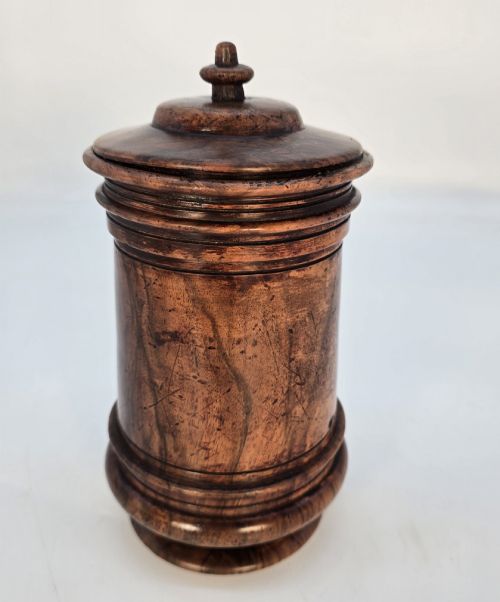


Turn of Century Box
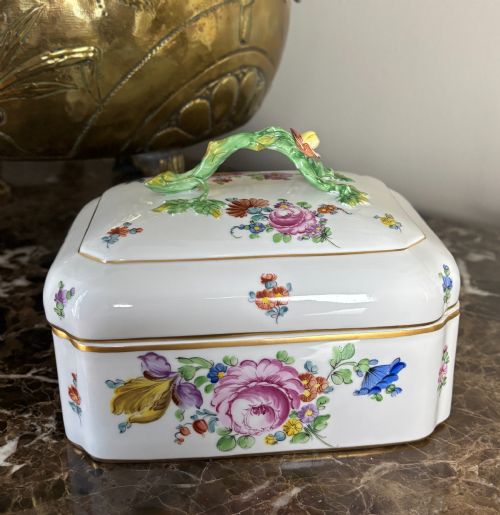
A turn of century box gathers small treasures and practical items across Georgian, Victorian, and earlier eras.
Turn of Century Box
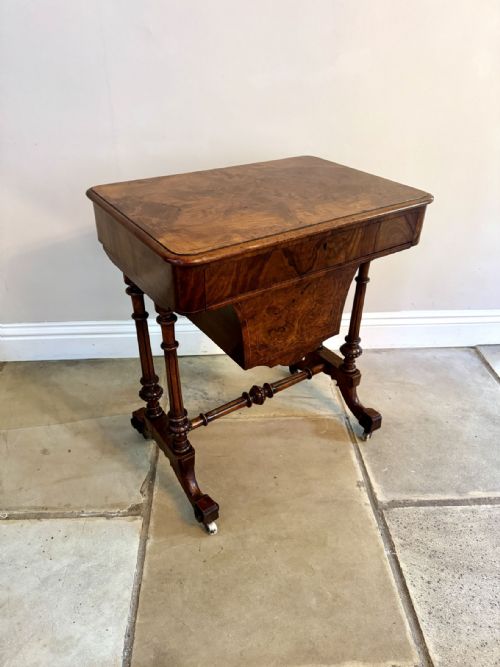
A turn of century box encompasses a diverse group of containers designed for specific domestic and personal uses, spanning periods from the 17th century through the Victorian age. Buyers seeking this category encounter utilitarian treen items, silver-gilt receptacles, and small furnishings that served daily life.
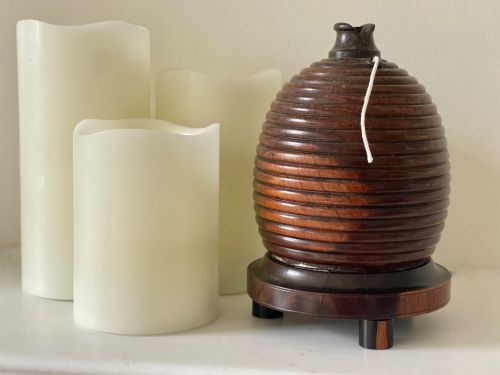
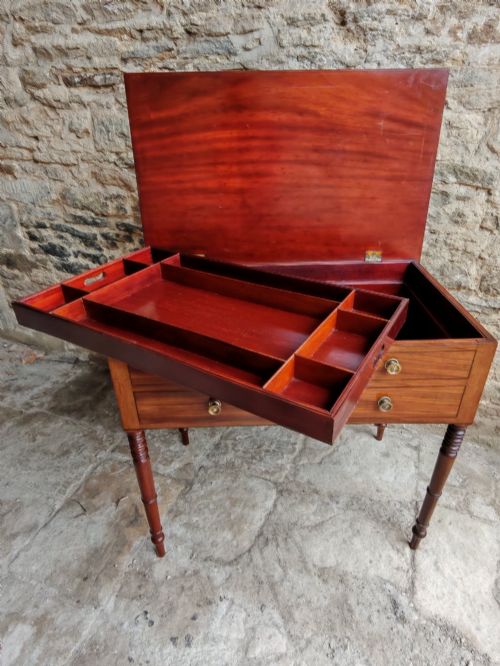
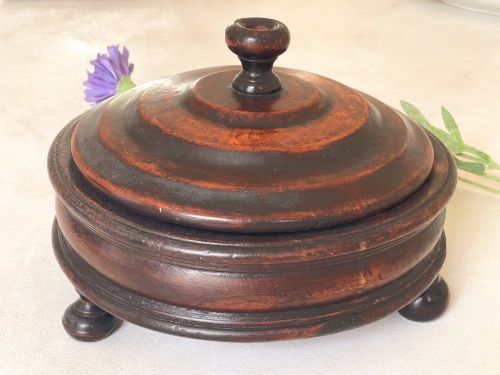
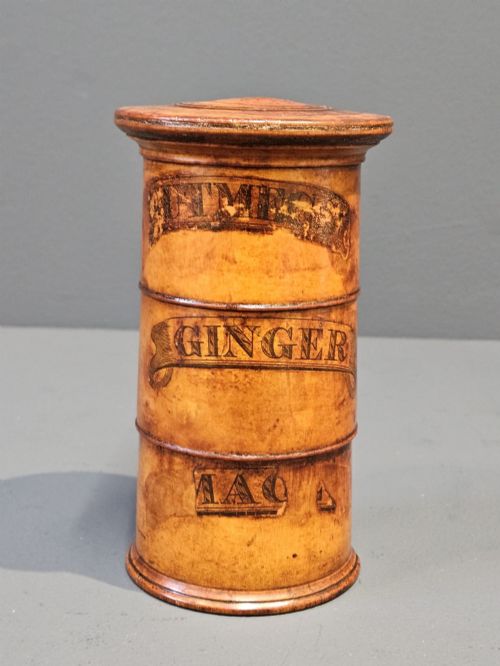
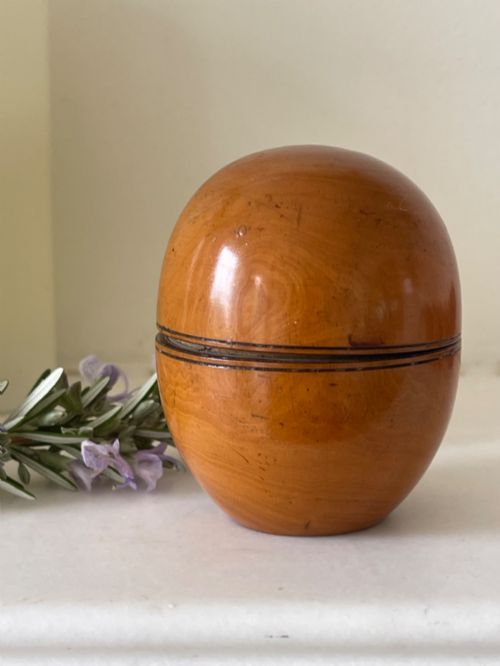
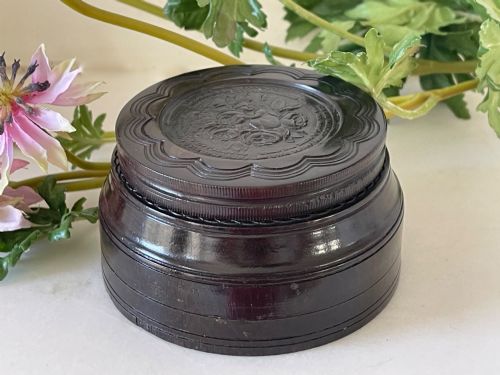
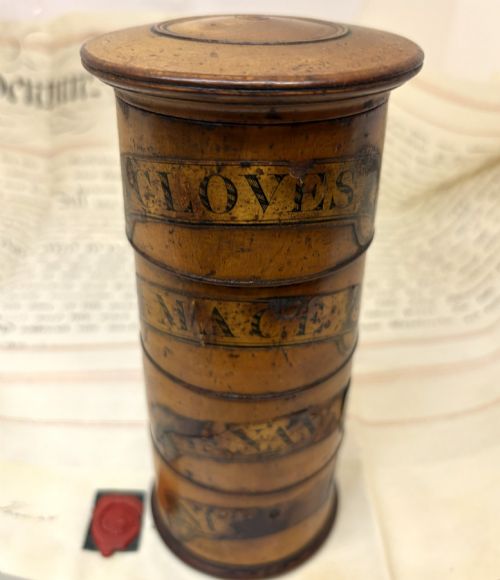
The selections on this page heavily feature pocket-sized snuff boxes, turned wood spice towers, and string holders alongside larger work tables and cellarettes. These pieces reflect the craftsmanship of periods including the Georgian and Regency eras, utilising traditional materials suited to each function.
Materials and Techniques
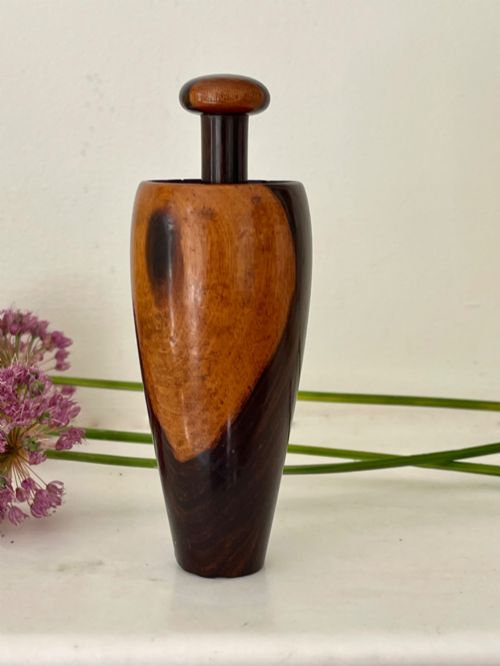
Maker workshops utilised a variety of dense woods such as mahogany, walnut, oak, and fruitwood, often shaping them on a lathe to create cylindrical barrels, string boxes, and mortar sets. Engine turning and guilloche designs decorated metal surfaces, while boxwood and laburnum added contrasting grain patterns to smaller containers.
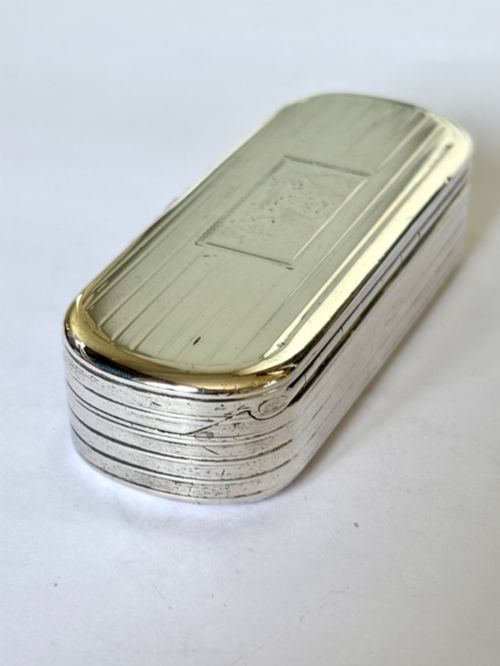
Precious metals like solid gold and silver gilt were cast and worked by silversmiths to form presentation snuff boxes with hinged lids and decorated interiors. Joinery techniques such as those seen in oak joint stools and miniature apprentice chests relied on pegged or dovetailed construction.
Turn of Century Box Retail Price Guide 2026
Typical asking prices for turn of century box among the pieces listed under this phrase on Sellingantiques today, from the lower quarter to the upper quarter. They describe what is for sale here now, not the wider market.
Some Victorian string boxes came equipped with tiny built-in metal cutters just to save you gnawing through your kitchen twine.
Distinctions in Quality
Quality rests in the crispness of the engine turning on metal surfaces and the precision of the turning on treen vessels like spice towers and string barrels. Finer examples display intact interior gilding, working silver linings, or original decorative inlays that remain sharp and unrubbed.
The choice of timber and the complexity of the internal arrangement also elevate certain items, such as multi-tiered spice containers or boxes with secret drawers. Superior pieces maintain their structural integrity and original fitted components without replacement parts.
Louis François Tronquoy·Robert Thornton·William Eaton
The Turn of Century Box Glossary
- Treen
- Small handmade wooden objects designed for domestic use. These items range from spice towers to string holders.
- Engine turned
- A decorative pattern mechanically engraved into metal or wood using a lathe. This technique creates precise geometric designs.
- Cellarette
- A lockable container used for storing bottles of wine or spirits. They often sit on the floor or on short stands during the Georgian period.
- Coffor Bach
- A small Welsh chest traditionally used for storing valuables or linen. They frequently feature panelled construction and small feet.
- String barrel
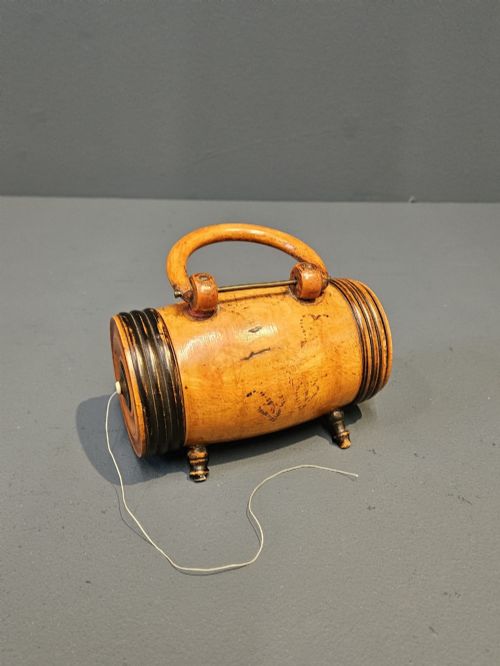
- A turned wooden container designed to dispense twine or string from a central opening. These are common treen items from the Victorian period.
Turn of Century Box: Frequently Asked Questions
What were spice towers used for?
Spice towers served to store distinct culinary spices in separate stacked compartments within the domestic kitchen or dining room.
Craftsmen turned these multi-tiered treen containers from woods like fruitwood to keep costly spices dry and accessible.
How do I date a wooden box?
Dating relies on identifying the timber species, the joinery methods, and the tool marks left by the maker. Oak and walnut predominate in earlier centuries, while mahogany and exotic woods appear more frequently later.
Examine the hinges, interior linings, and fastening methods to establish a chronological baseline that matches known stylistic periods.
What is engine turning?
Engine turning is a mechanical engraving process that cuts precise geometric patterns into the surface of metal or wood. Artisans utilised this method to decorate the exteriors of snuff boxes and etuis.
The resulting texture catches the light and provides a tactile grip on small personal items.
Were string holders common?
String holders and barrels were essential accessories in Victorian households where twine was constantly needed for parcels and sewing. Turned from fruitwood or sycamore, they protected the ball of string while allowing the end to pull through cleanly.
These treen containers often featured integrated cutters to speed up everyday tasks.