
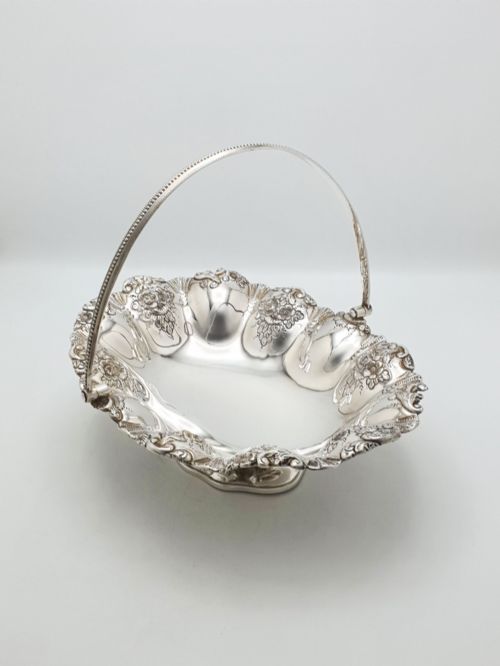
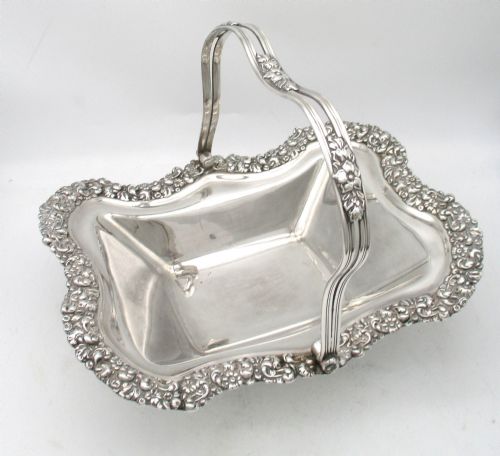
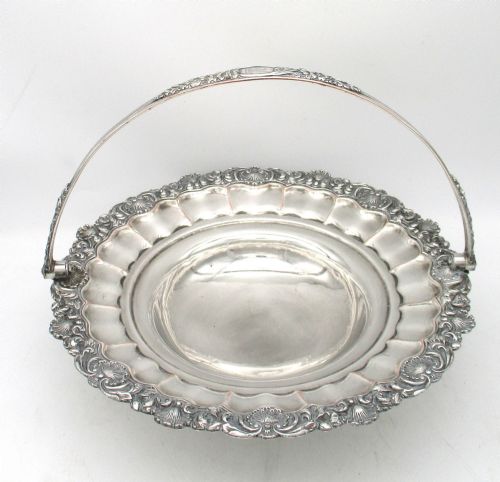
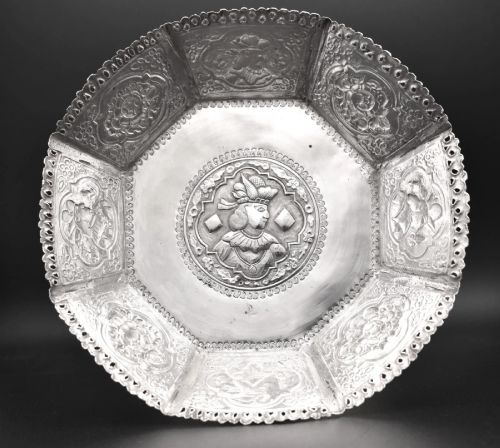


Repousse Silver Fruit Dish
A repousse silver fruit dish brings tactile depth to a dining table through hammered relief work.
Repousse Silver Fruit Dish
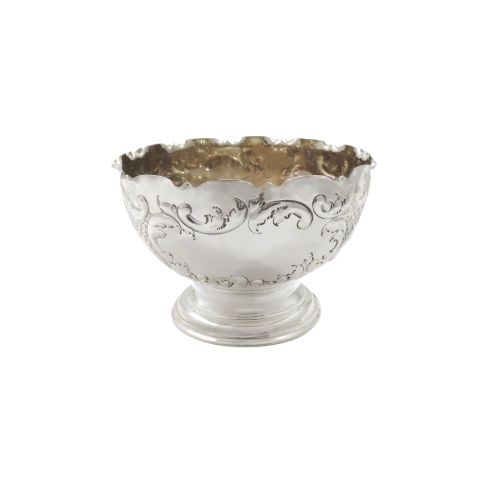
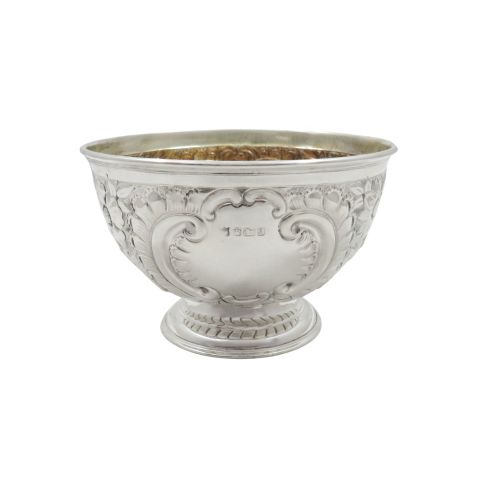
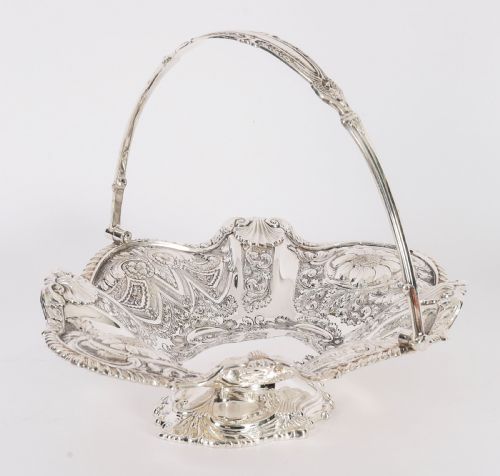
A repousse silver fruit dish encompasses decorative bowls, footed tazzas, and handled baskets designed for table service.
The selections range from Victorian sterling silver footed bowls to Edwardian silver plated baskets with floral rims.
Origin points vary widely, covering British silversmiths alongside Anglo-Indian, Chinese Export, German, and Thai workshops.
Materials and construction methods
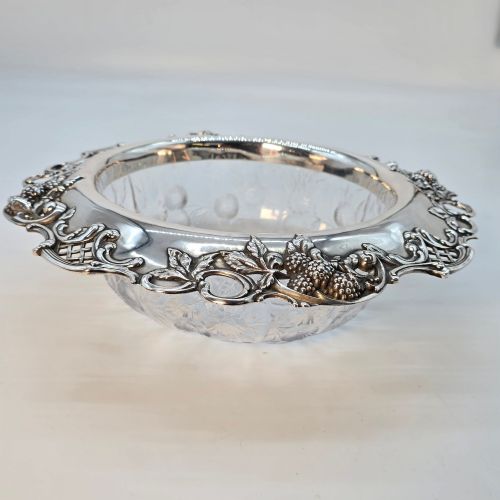
Metals span sterling silver, solid silver, and silver plate over copper, nickel silver, or bronze, often paired with crystal or cobalt blue glass liners.
Repousse technique involves hammering the metal from the reverse side to raise ornamental floral and figurative designs in high relief.
Some baskets feature pierced galleries designed originally to let fruit breathe on the sideboard.
Distinguishing quality across examples
The crispness and depth of the hammered relief define the visual success of each piece.
Substantial weight in the metal and structural integrity in pedestals, rims, and handles mark superior execution.
George W. Scott & Sons Ltd·Tiffany & Co.·Martin Hall·Elkington & Co
The Repousse Silver Fruit Dish Glossary
- Repousse
- A metalworking technique where the design is hammered into relief from the reverse side. This creates tactile, raised ornamentation across the surface.
- Tazza
- A shallow bowl or dish mounted on a stem and foot. These raised vessels highlight the repousse decoration at eye level.
- Old Sheffield Plated
- An early method of fusing a thin layer of silver onto a copper core. This technique predates modern electroplating.
- Sterling Silver
- An alloy containing a high proportion of pure silver combined with other metals for durability. British pieces typically bear standard hallmarks indicating this standard.
Repousse Silver Fruit Dish: Frequently Asked Questions
What is a repousse silver fruit dish?
These pieces are ornamental vessels shaped as bowls, baskets, or footed dishes intended for holding fruit or bread on the dining table.
They combine practical serving forms with deeply embossed metalwork created by hammering patterns from the reverse side.
How do I clean repousse silver?
Gentle washing in warm soapy water with a soft cloth protects the raised relief work from abrasive wear.
Avoid harsh dips that strip the natural dark patination accumulated in the recesses of the hammered design.
Are these dishes made of solid silver?
The selection includes both solid sterling silver pieces and silver plated items over copper, bronze, or nickel silver.
Hallmarks on sterling pieces help identify the metal standard and manufacturing date, while plated wares often show traces of the base metal beneath.
How can I tell Victorian pieces apart?
Victorian examples often feature distinct date letters and maker's marks stamped directly into the silver alongside standard assay office symbols.
Stylistic shifts move from heavy floral Victorian motifs toward lighter Edwardian piercing and international export designs around nineteen hundred.