




Rene Lalique Vase
A rene lalique vase brings the unmistakable sculptural weight of the Art Deco period into a room through translucent glass and organic motifs.

Rene Lalique Vase
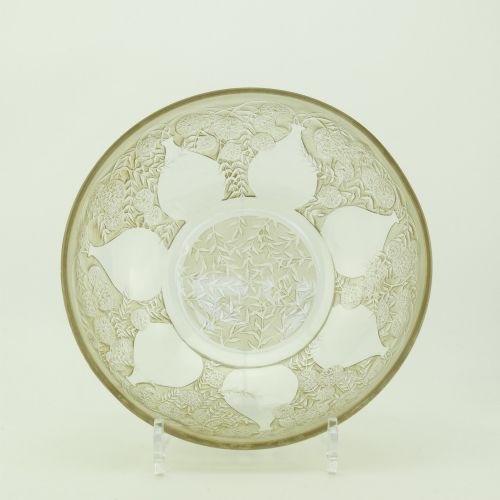
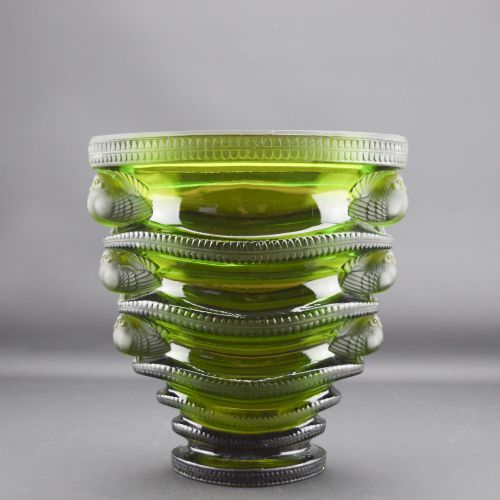
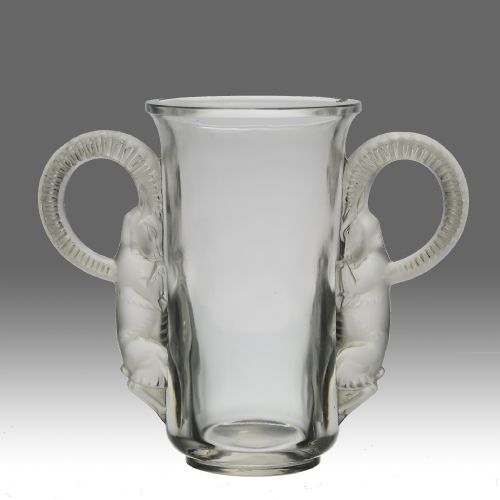
When searching for a rene lalique vase, a buyer encounters glass objects shaped in floral, animal and geometric designs characteristic of the Art Deco period. The pieces originate primarily from the 1920 and 1930 decades, spanning forms such as standard vases and decorative bowls.
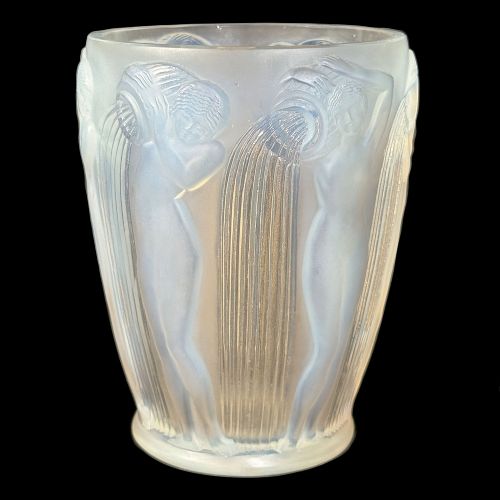
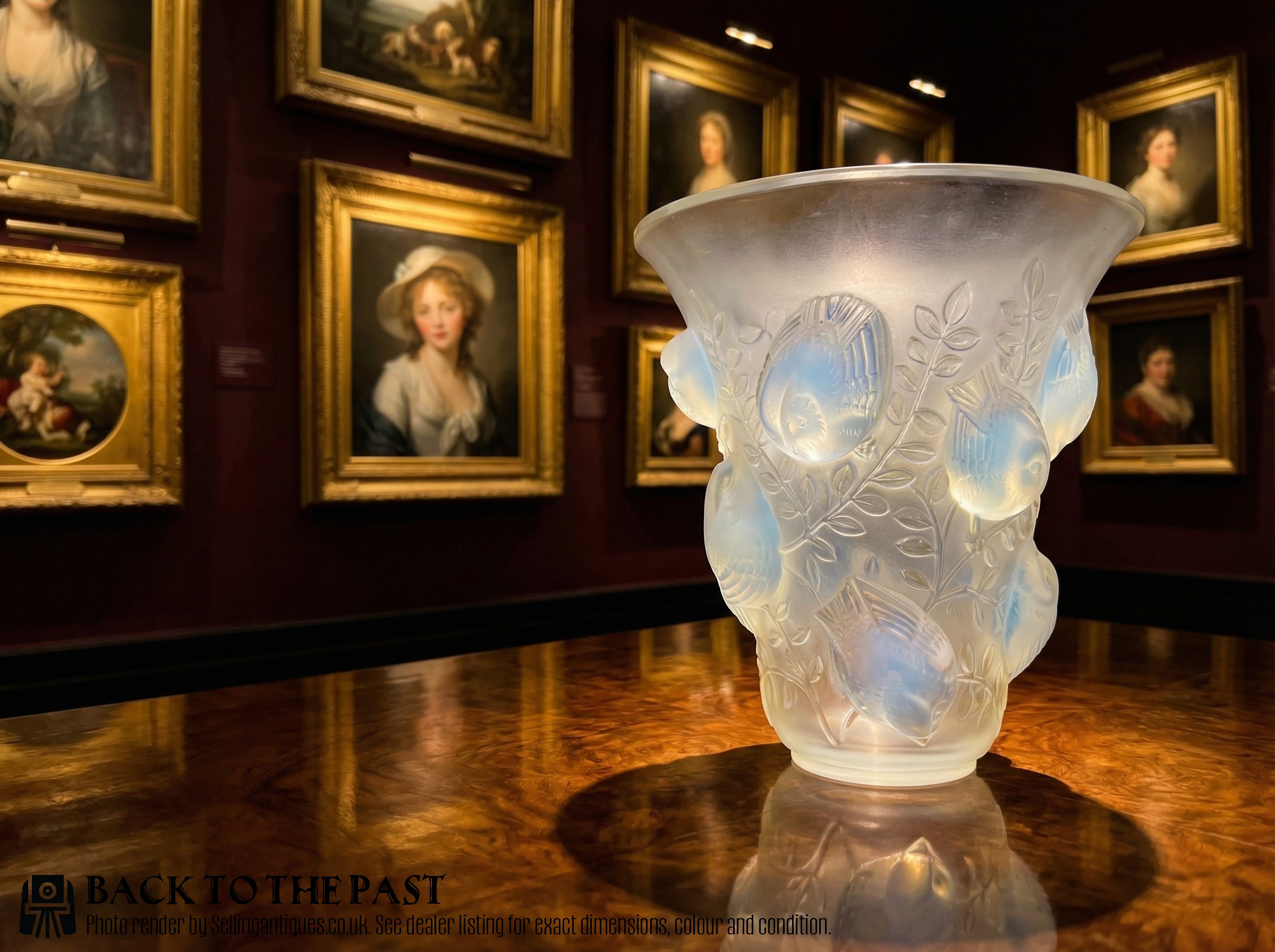
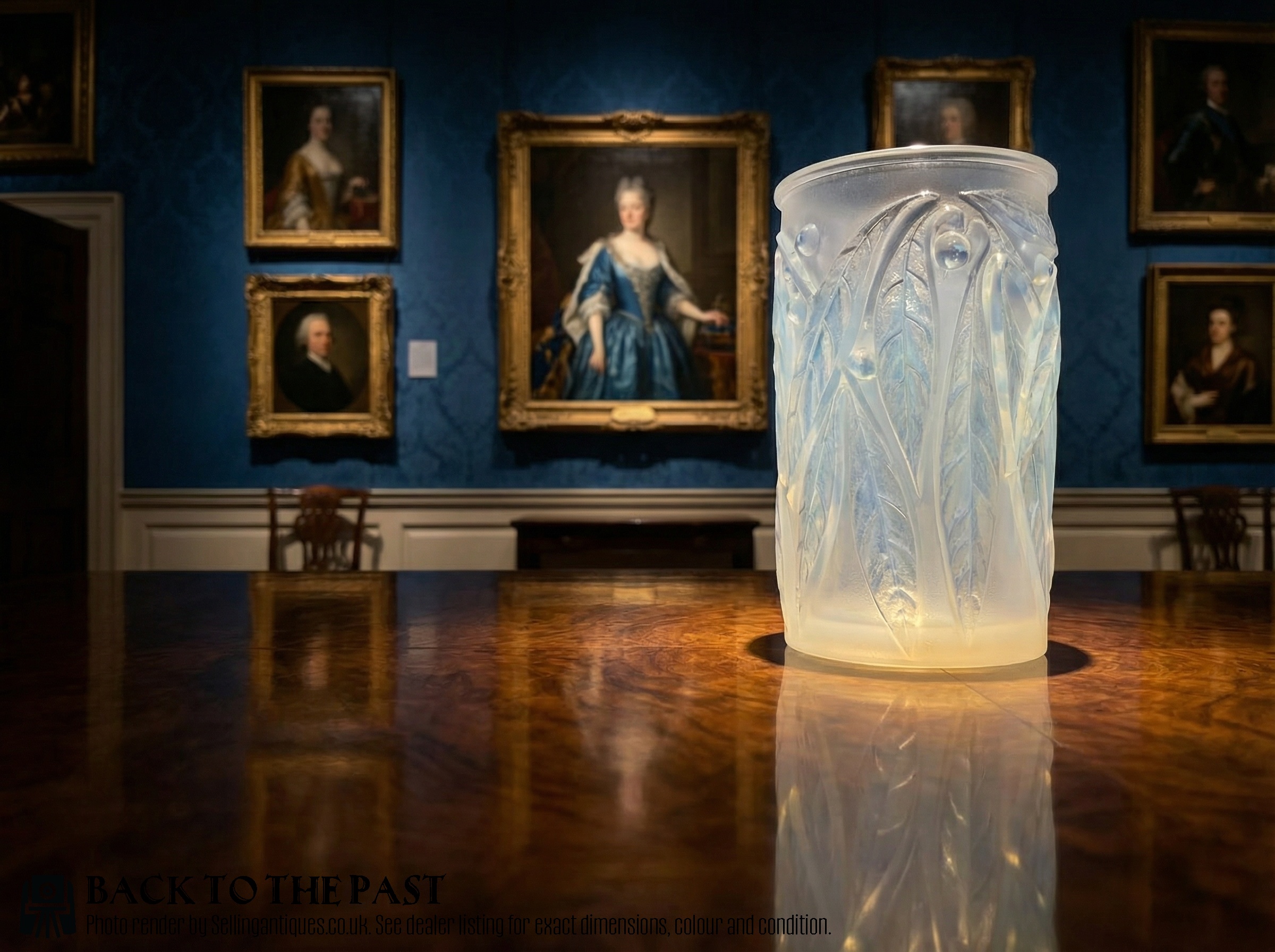
The most common examples on this page utilise opalescent and frosted glass to create shifts in tone when light moves across the surface. Named models like Ceylan, Formose and Rampillon demonstrate the recurring use of birds, fish, fruit and botanical subjects.
Vessels range from straightforward flared necks to complex bodies wrapped in figures, berries or interlaced leaves. Each item reflects the commercial production methods of the era combined with artistic modelling.
How they were made
Production relies on press-moulded and pressed glass techniques to achieve deep relief and sharp contours on thick walls. Molten material is forced into metal moulds, capturing intricate details of feathers, scales and foliage.
Makers introduced coloured agents, producing jade green, deep amber, olive green and electric blue glass. Surface treatments including blue patina, sepia staining and frosting accentuate the moulded motifs by creating contrast between raised and recessed areas.
Rene Lalique Vase Retail Price Guide 2026
Typical asking prices for rene lalique vase among the pieces listed under this phrase on Sellingantiques today, from the lower quarter to the upper quarter. They describe what is for sale here now, not the wider market.
Listings feature items exclusively from the 1920 and 1930 periods, executed in frosted, opalescent, pressed and clear glass.
What varies in quality
The distinction between tiers of work rests on the crispness of the moulded relief and the depth of the finish. Strong examples maintain sharp definition in feathers, animal figures and floral petals without blurring at the edges.
Colour application creates further variation, where applied patinas and uniform tints like opalescence or cased layers interact successfully with the underlying glass. The complexity of the design and the harmony between form and surface treatment determine the standing of an individual piece.
René Lalique
The Rene Lalique Vase Glossary
- Opalescent glass
- Glass that appears milky blue in transmitted light and warm amber or yellow in reflected light. This optical effect shifts according to the angle of illumination.
- Frosted glass
- Glass treated to achieve a matte, textured surface finish that diffuses light. It highlights modelled details by softening the transparency of the material.
- Press-moulded
- A manufacturing method where glass is pressed into a metal mould using a plunger. This technique allows for complex three-dimensional decoration on heavy vessels.
- Patina
- A coloured stain applied to the recessed parts of a glass design to create contrast. Common tones include blue and sepia.
- Cased glass
- Glass composed of multiple distinct layers of different colours fused together during formation. This creates depth and allows light to reveal underlying hues.
Rene Lalique Vase: Frequently Asked Questions
How are these vases cleaned safely?
Wash the glass gently in lukewarm water using a mild, non-abrasive detergent and a soft cloth. Avoid harsh scrubbing that might disturb original surface patinas or stains.
Dry the vessel thoroughly with a lint-free towel to prevent water spots from settling on the textured surfaces.
What periods do these designs represent?
The listed items date from the 1920 and 1930 decades. This timeframe covers the height of the Art Deco movement in decorative glass.
Designs from this era frequently combine stylised natural forms with modern industrial moulding techniques.
How can I tell different models apart?
Identify individual models by studying the specific motifs moulded into the glass body, such as birds, fish, or botanical arrangements. Named pieces like Ceylan or Rampillon feature distinct sculptural reliefs recorded in period catalogues.
Comparing the overall silhouette and the placement of the decorative bands clarifies the specific design.
Where should I display these pieces?
Place the glass where natural or artificial light can pass through the body to activate the opalescent and frosted properties. Locations near windows or illuminated shelving allow the shifting tones to become visible.
Ensure the surface is stable and secure to support the heavy weight of thick moulded glass.