

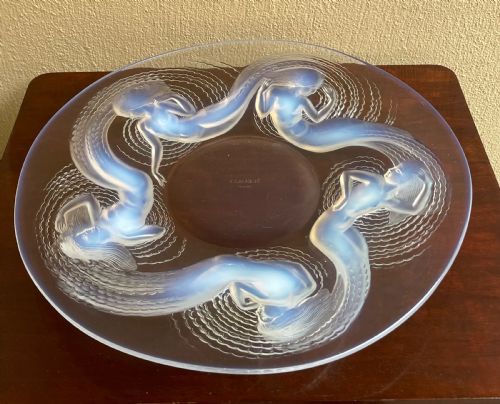


Rene Lalique Plate
A rene lalique plate brings master glasswork into daily interiors, offering collectors tangible pieces of Art Deco and Art Nouveau design.
Rene Lalique Plate
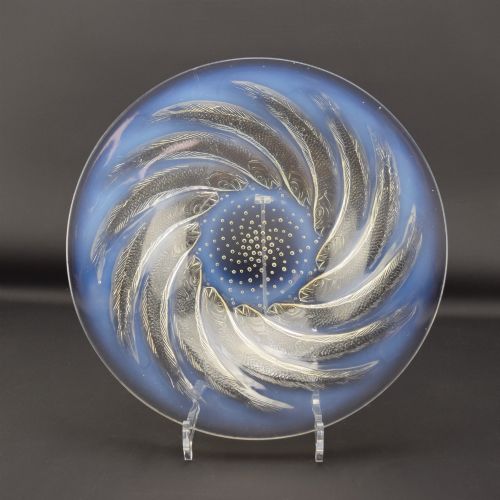
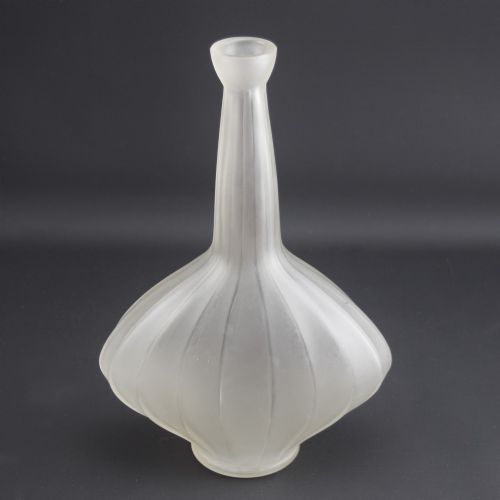
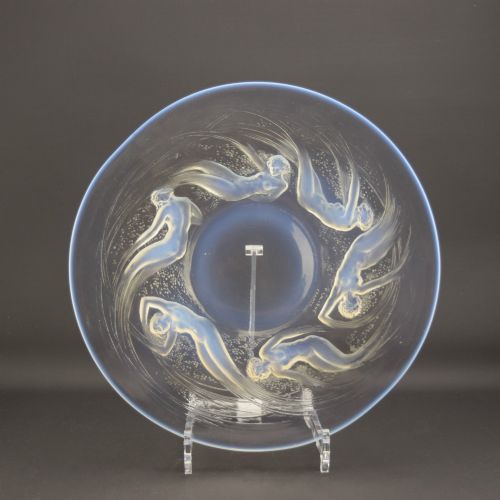
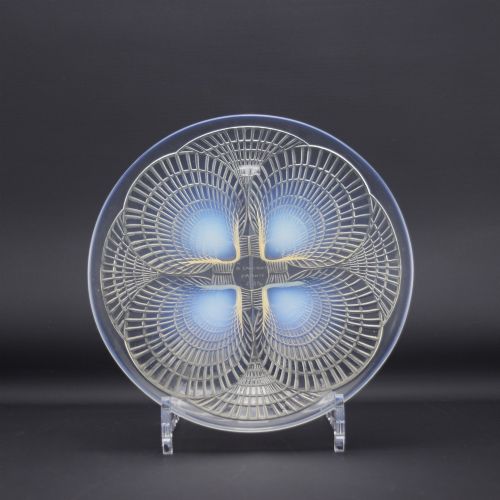
A rene lalique plate represents decorative glassware originating primarily from the Art Deco and Art Nouveau periods. These objects span decorative plates, chargers, and coupe plates, often featuring moulded motifs taken from nature.
The pieces on this page are most frequently encountered in opalescent glass, alongside moulded glass and sepia stain variations. Buyers will find specific named designs such as Coquilles, Ondines, and Poissons among the selections.
Originating from the early decades of the twentieth century, specifically the 1920s and 1930s, these plates function as both flat display items and shallow bowls. Each design demonstrates the distinct moulding techniques utilised during the maker's working periods.
Production Methods and Materials
The creation of a rene lalique plate relies on glass moulding techniques that allow intricate relief patterns to emerge across the surface. Artisans shaped molten material into heavy glass forms, incorporating motifs of fish, shells, and flora directly into the mould.
Opalescent glass serves as the predominant material, capturing light to shift between milky blue and warm amber tones depending on illumination. Certain examples incorporate frosted finishes or sepia staining to emphasise the depth of the moulded design.
Listings feature pieces from the 1920s and 1930s, encompassing both Art Nouveau and Art Deco design movements.
Distinctions in Quality
Quality in a rene lalique plate rests upon the crispness of the moulded relief and the intensity of the opalescent effect within the glass. Superior examples display sharp definition in complex motifs such as figures or swimming fish, whereas weaker pieces lose fine detail in the contours.
The distribution of colour and the success of the frosting or staining contribute significantly to the visual depth of the object. Weight, clarity of the glass, and the presence of distinct surface patination separate standard production runs from masterworks.
Rene Lalique
The Rene Lalique Plate Glossary
- Opalescent Glass
- Glass that diffuses light to display a milky blue or orange appearance depending on the angle of illumination. This optical effect is achieved through the addition of specific chemical agents during the melting process.
- Coupe Plate
- A shallow, curved plate form lacking a traditional flat rim, often utilised for serving or as an open bowl. These pieces frequently carry intricate relief patterns across the inner basin.
- Charger
- A large decorative plate utilised primarily for display rather than standard dining service. In glass manufacture, these items require heavier moulds and precise cooling to maintain structural integrity.
- Frosted Glass
- Glass treated to achieve a textured, matte surface rather than a transparent finish. This technique highlights raised motifs by creating contrast against clear or opalescent backgrounds.
- Sepia Stain
- A dark brownish pigment applied to recessed areas of moulded glass to accentuate relief details. The contrast draws the eye to the underlying narrative or geometric pattern.
Rene Lalique Plate: Frequently Asked Questions
How do I display a rene lalique plate safely?
These glass plates require stable display stands that distribute weight evenly across the base and rim. Avoid hanging pieces unless using certified structural brackets designed specifically for heavy art glass.
Keep items away from direct sunlight and areas subject to sudden temperature shifts to protect the glass composition. Regular dusting with a soft, dry cloth preserves the opalescent surface without risking abrasion.
How do I identify the period of these glass plates?
Dating relies on stylistic markers associated with Art Nouveau and Art Deco design movements active in the early twentieth century. Motifs such as fluid floral patterns indicate earlier work, whilst geometric symmetry points toward the 1930s.
Signatures and model numbers moulded or etched into the glass provide direct chronological reference points. Cross-referencing named designs like Coquilles or Ondines confirms the production era.
Can I use these plates for serving food?
While originally designed as functional tableware or decorative objects, vintage glass requires careful handling during use. Modern dishwashers and thermal shock from hot foods can damage historic opalescent glass.
Hand washing in lukewarm water with mild soap is recommended for occasional functional use. Most collectors prefer to exhibit these pieces purely as decorative art.