




Rene Lalique Glass Vase
A rene lalique glass vase brings Art Deco moulding and frosted surfaces into a room, prized for opalescence and sculptural depth.
Rene Lalique Glass Vase
When you search for a rene lalique glass vase, you encounter sculptural vessels created during the Art Deco period. These works span the nineteen-twenties and nineteen-thirties, taking the form of vases and decorative bowls.
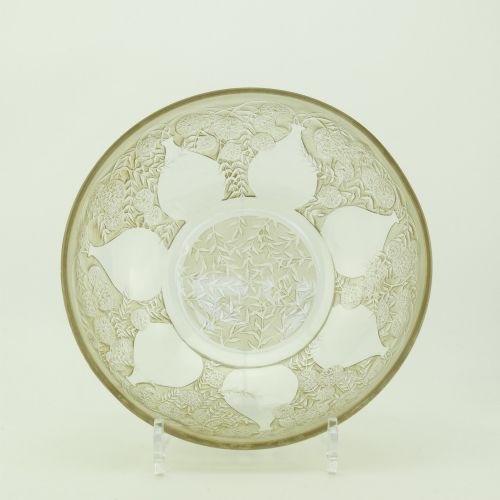
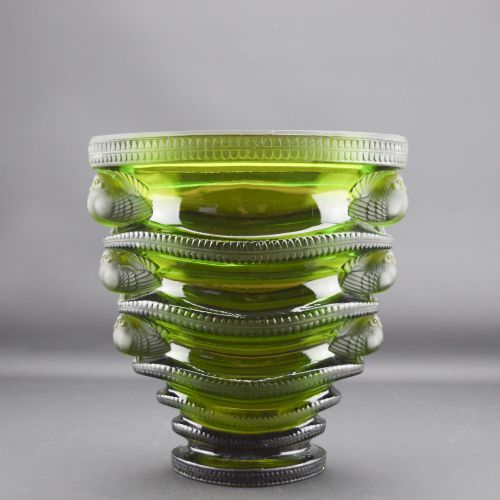
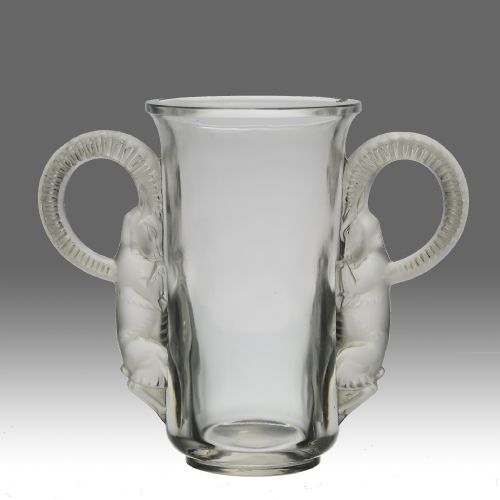
The objects on this page showcase distinct named designs such as Ceylan, Beliers, and Saint-Marc. Natural motifs involving flora and fauna dominate the repertoire, cast in heavy glass.
Most examples you meet here utilise press-moulded or moulded techniques to achieve high relief. The pieces range from large coupe vessels down to smaller cabinet pieces.
How they were made
Makers utilised pressed glass and press-moulded techniques to shape heavy vessels with deep relief. Molten material was forced into metal moulds to capture intricate sculptural details.
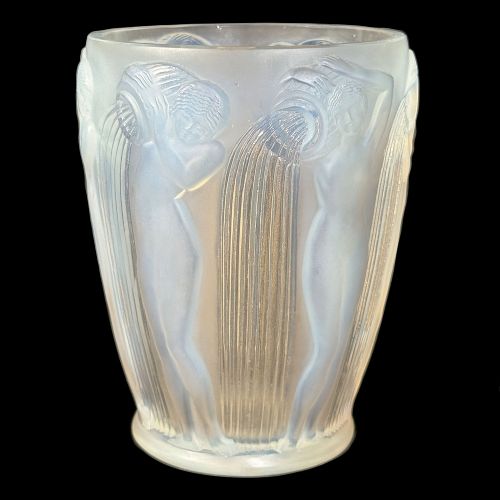
Frosted glass and clear glass provide contrast across the surface, often enhanced by blue patina or enamel stains. Opalescent glass creates a milky blue quality when light hits the glass from the front, turning amber when lit from behind.
Listings show pieces from the 1920 and 1930 periods, incorporating frosted, opalescent, and clear glass materials in Art Deco styles.
What varies in quality
The definition and depth of the moulding separate standard production from superior work. Crispness in botanical details and animal figures indicates careful removal from the press mould.
The retention of original staining, patination, and opalescence alters the visual impact of the glass. Surface finish determines how the piece handles light.
René Lalique
The Rene Lalique Glass Vase Glossary
- Opalescent Glass
- Glass that diffuses light to display a milky blue tint from the front and an amber glow from the back. This optical effect is achieved through chemical additions during the cooling process.
- Press-Moulded Glass
- Glass formed by pressing molten material into a metal form using a plunger. This technique allows for complex three-dimensional decoration.
- Patina
- Coloured pigment rubbed into the recessed details of the glass to heighten contrast. It accentuates the lines of the moulded design.
- Art Deco
- The dominant design style of the nineteen-twenties and nineteen-thirties characterised by stylised motifs and geometric symmetry. It influences the forms and decorations of these vessels.
- Frosted Glass
- Glass treated to give a textured, matte surface rather than a transparent finish. This treatment diffuses light across the moulded relief.
Rene Lalique Glass Vase: Frequently Asked Questions
How do I clean a lalique vase?
Wash the glass gently in lukewarm water using mild soap and a soft cloth. Avoid harsh chemical cleaners or abrasive brushes that can damage the surface.
Dry the vessel thoroughly with a lint-free towel to prevent water spots on the frosted and clear surfaces.
Where should I display my vase?
Place the vessel in a location with strong directional lighting to activate the opalescent qualities of the glass. Natural daylight shifting through a window highlights the depth of the moulded relief.
Ensure the shelf or cabinet is sturdy enough to support the heavy weight of press-moulded glass.
How do I date a lalique vase?
Examine the design style against known production records from the nineteen-twenties and nineteen-thirties. Art Deco motifs and specific named patterns provide chronological anchors.
Compare the glass type, whether frosted, opalescent, or clear, with documentation from the period.
What is opalescent glass?
Opalescent glass diffuses light to create a milky blue appearance when viewed from the front. When light passes through from behind, the glass shifts to an amber tone.
This dual coloration results from specific agents added to the molten batch during manufacture.