



1920s Opalescent Glass Vase
These 1920s opalescent glass vase examples capture light with a milky blue fire, offering an Art Deco centrepiece that every serious collector wants.
1920s Opalescent Glass Vase
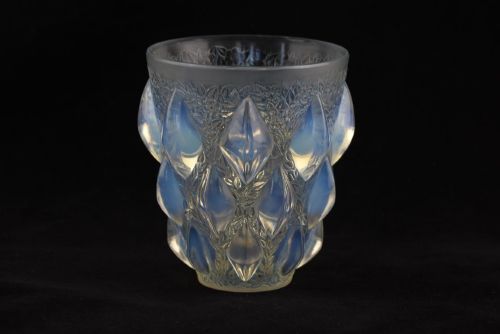
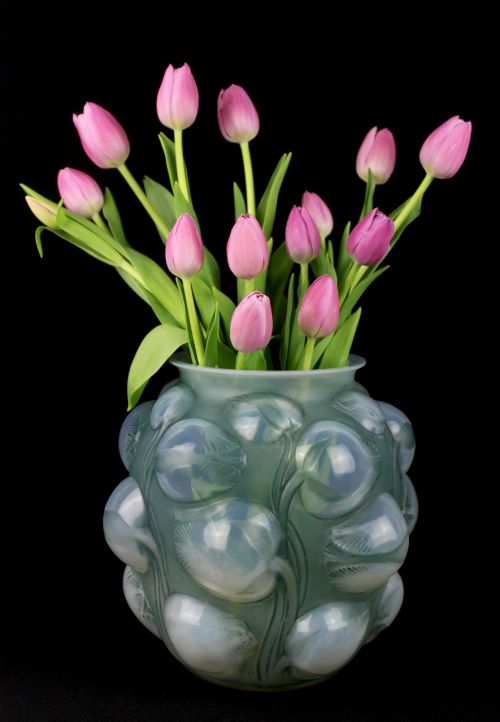
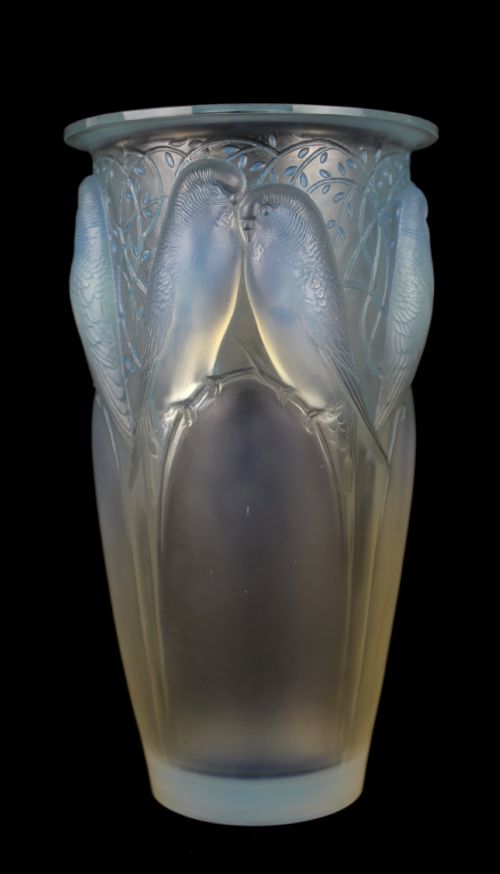
A 1920s opalescent glass vase combines moulded forms with a translucent body that catches daylight to show milky white and pale blue highlights. Most specimens found here belong to the Art Deco period and take the shape of sturdy vases.
Makers of this era utilised pressed and frosted glass techniques to create tactile surface details like floral motifs and berries. These vessels emerge from the 1920 and 1930 decades, representing high-period design.
Production and materials
Makers pressed molten material into heavy moulds, incorporating metallic oxides to achieve the signature milk-blue optical effect within the glass. Subsequent acid-etching or staining produced frosted finishes and highlighted recessed patterns.
The technique relies on precise cooling to develop the milky luminescence at the raised rims and moulded details. Artisans then applied blue or grey staining to deepen the contrast against the opalescent ground.
1920s Opalescent Glass Vase Retail Price Guide 2026
Typical asking prices for 1920s opalescent glass vase among the pieces listed under this phrase on Sellingantiques today, from the lower quarter to the upper quarter. They describe what is for sale here now, not the wider market.
Several vases on this page are named after climbing plants like ivy and clematis, bringing perpetual foliage indoors without the need for watering.
Judging quality
The strength of the opalescent fire distinguishes exceptional vessels from plain frosted examples. Crispness in moulded plant and floral motifs determines the artistic merit of each piece.
Colour application adds another layer of distinction, particularly where dark staining accentuates the relief work. The weight and clarity of the pressed body also define the standard of execution.
René Lalique
The 1920s Opalescent Glass Vase Glossary
- Opalescent glass
- Glass that diffuses light to display a milky blue or white sheen, particularly at thicker edges and raised relief. This optical property creates a shimmering halo effect in natural daylight.
- Frosted glass
- Glass treated with acid or sandblasting to achieve a matte, non-reflective surface. This texture contrasts sharply with the translucent and polished areas of the design.
- Pressed glass
- Glass shaped by being pressed into a metal mould with a plunger. This method allows for complex decorative patterns to be formed quickly and uniformly.
- Stained glass
- Glass coloured by the application of surface pigments or enamels into recessed details. This technique emphasises the depth of moulded flora and fauna designs.
1920s Opalescent Glass Vase: Frequently Asked Questions
How do I clean an opalescent glass vase?
Wash the glass gently in lukewarm water using mild soap and a soft cloth. Avoid harsh scrubbing brushes that might damage frosted or stained surfaces.
Dry the vessel thoroughly with a lint-free towel to maintain the clear lustre of the opalescent finish.
Are these vases from the Art Deco period?
These decorative vessels originate from the 1920 and 1930 decades, matching the height of the Art Deco movement. Their moulded botanical motifs and geometric styling reflect the design language of those years.
Each piece demonstrates the characteristic union of industrial pressing techniques and fine artistic styling typical of the era.
What causes the milky blue effect?
The milky blue effect results from the chemical composition of the glass and controlled cooling. Light scattering through the mineral additives creates the signature opalescence.
This phenomenon appears strongest where the glass is thickest or where the mould forms raised surface details.
Can I display fresh flowers in them?
While these vessels were made to hold flowers, many collectors prefer to display them empty to appreciate the glass optics. Water and mineral deposits can sometimes settle into frosted or stained recesses over time.
If you do use them for stems, empty and dry the interior promptly after use.