

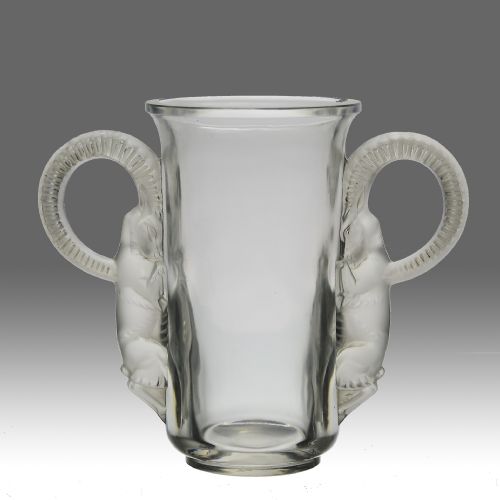


Vintage Lalique Glass Urn
A vintage lalique glass urn brings French moulding brilliance into a room through frosted, opalescent, and clear glassware.
Vintage Lalique Glass Urn
When you search for a vintage lalique glass urn, you encounter sculptural vessels primarily originating from the 1920 and 1930 periods. These pieces embody Art Deco and French Neoclassical aesthetics through substantial forms.
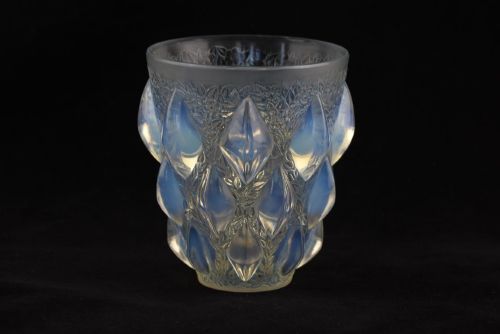
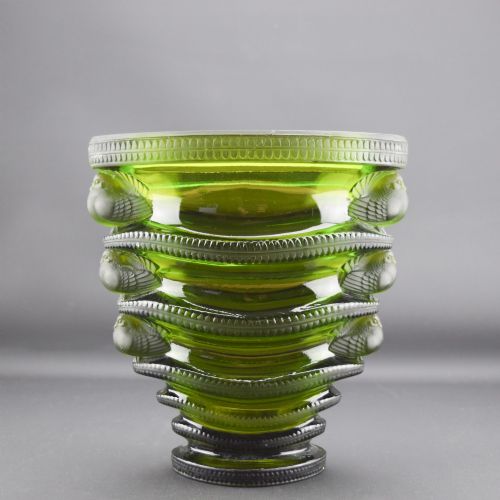
The objects listed display specific named designs such as the Rampillon, Saint Tropez, Thibet, and Versailles vases. They function visually as centrepieces utilising complex surface relief rather than simple vessels for flowers.
Most examples meet you as press-moulded or frosted glass creations reflecting the design ethos of René Lalique. Collectors find these items bridging the gap between decorative art and functional glassware.
Materials and construction
The creation of these vessels relies upon moulded glass, frosted glass, and opalescent glass techniques. Makers shaped crystal and press-moulded glass to achieve deep relief and tactile surfaces.
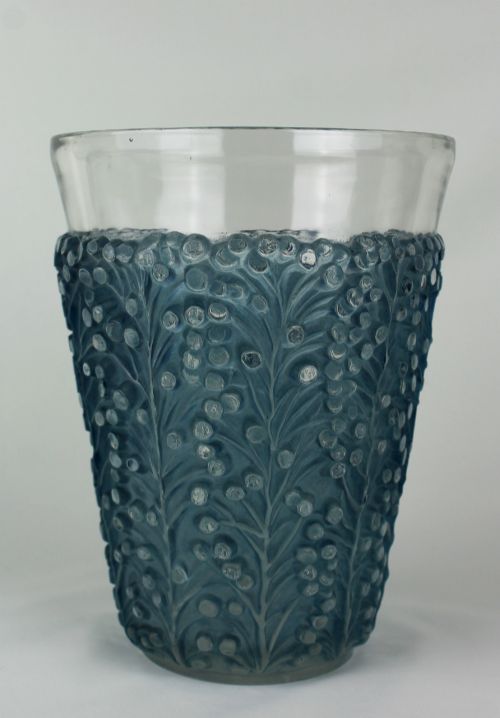
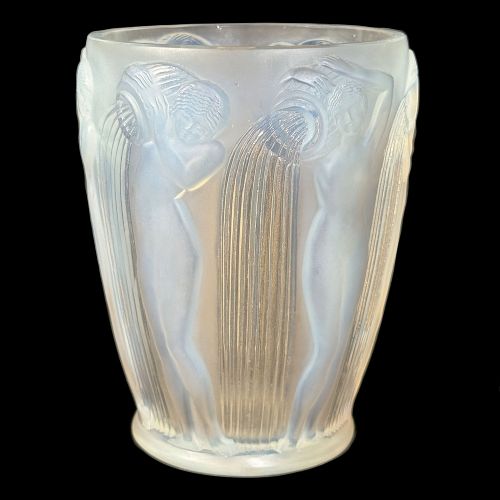
Contrast between clear glass and frosted surfaces defines the manufacturing approach. Acid-etching and high-pressure moulding allowed workshops to produce intricate floral and figurative motifs like water carriers.
Vintage Lalique Glass Urn Retail Price Guide 2026
Typical asking prices for vintage lalique glass urn among the pieces listed under this phrase on Sellingantiques today, from the lower quarter to the upper quarter. They describe what is for sale here now, not the wider market.
Listings span the Edwardian era through the 1920 and 1930 periods, incorporating clear, frosted, opalescent, and press-moulded glass.
Assessing quality and finish
Depth of the moulding and clarity of the frosted contrast separate exceptional pieces from simpler production runs. The crispness of botanical details such as the Gui or Acacia patterns dictates the visual weight.
The integration of opalescence across the glass body creates shifting blue and amber tones under changing light. Superior specimens balance transparency and opacity to emphasise the sculptural relief.
René Lalique
The Vintage Lalique Glass Urn Glossary
- Opalescent Glass
- Glass that diffuses light to display milky bluish or amber hues depending on the angle of illumination. This effect was heavily utilised in early twentieth-century French design.
- Frosted Glass
- Glass treated to achieve a textured, matte surface that scatters light and conceals transparency. It provides high contrast against polished clear sections on decorative vessels.
- Press-Moulded Glass
- A technique where molten glass is pressed into a metal or wooden mould using a plunger. This method allows for the creation of deep, repeating sculptural relief patterns.
- Art Deco
- A design style characterised by sleek geometric lines, stylised floral motifs, and modern industrial materials. It dominated decorative arts throughout the 1920 and 1930 periods.
- French Neoclassical
- An artistic style drawing inspiration from classical antiquity with formal symmetry and restrained ornamentation. It influences several architectural vessel shapes from the era.
Vintage Lalique Glass Urn: Frequently Asked Questions
What is a vintage lalique glass urn?
A vintage lalique glass urn is a heavy decorative vessel produced in France during the early twentieth century, typically featuring moulded or frosted surfaces with botanical or figurative motifs.
These objects showcase the sculptural approach of the period, functioning primarily as display items rather than utilitarian containers.
How do I identify Art Deco pieces?
Art Deco vessels from the 1920 and 1930 periods feature stylized natural forms, geometric symmetry, and high-relief moulding. The integration of frosted and clear glass highlights these characteristic lines.
Look for crisp detailing in plant-based designs such as leaves, berries, or floral garlands which anchor the aesthetic of the era.
Where should I place an urn?
Place your glass vessel where natural light can interact with the frosted and opalescent surfaces. Freestanding placement on a mantelpiece or central table allows the sculptural relief to catch illumination from multiple angles.
Keep these heavy items away from high-traffic edges where accidental knocks might occur.
How does opalescent glass work?
Opalescent glass contains chemical agents that cause it to scatter light unevenly, producing milky blue highlights by transmitted light and warm amber tones by reflected light. This optical property shifts as you move around the object.
Master glassmakers utilised this phenomenon to give depth and movement to static botanical patterns.