

Antique Glass Flower Vases
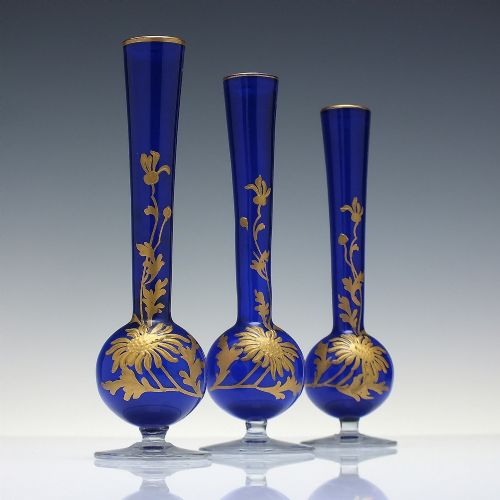
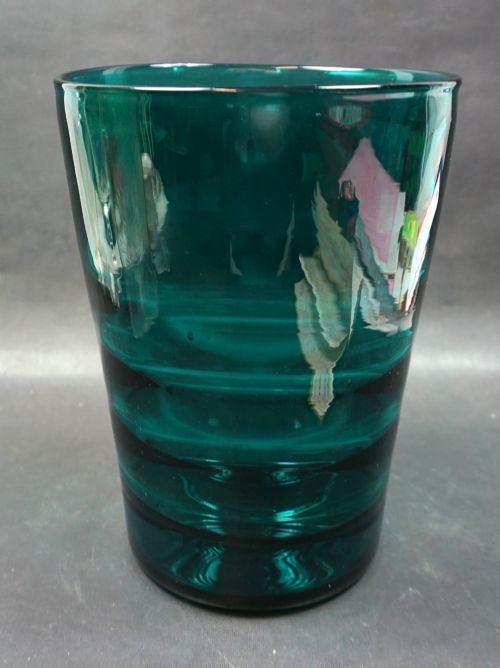
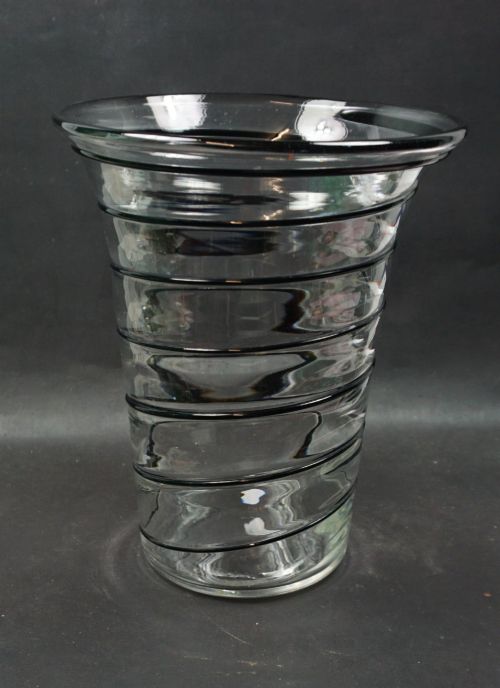
Antique glass flower vases bring together rich Victorian colours and sinuous Art Nouveau forms to hold stems with historic character.
Antique Glass Flower Vases
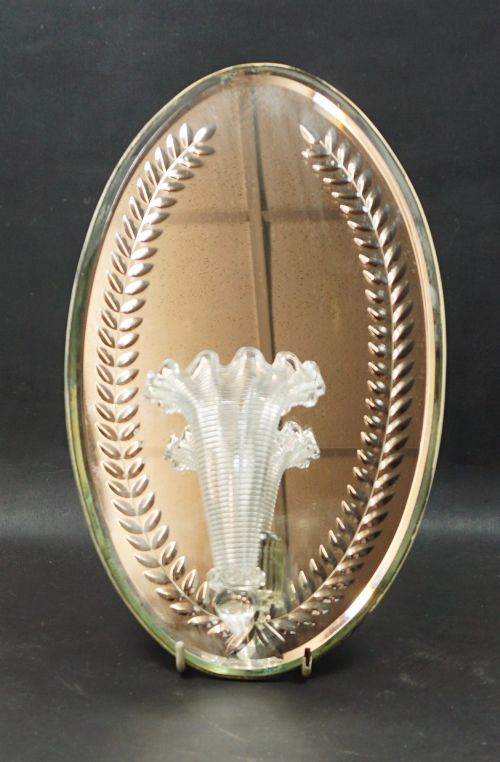
These pieces encompass vessels designed to hold cut blooms, spanning table centerpieces, epergnes, and tall decorative stems. When searching for antique glass flower vases, buyers encounter various forms from the nineteenth and twentieth centuries.
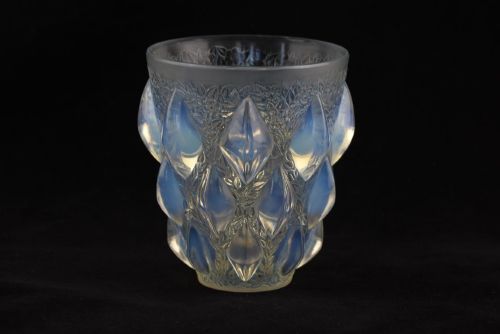
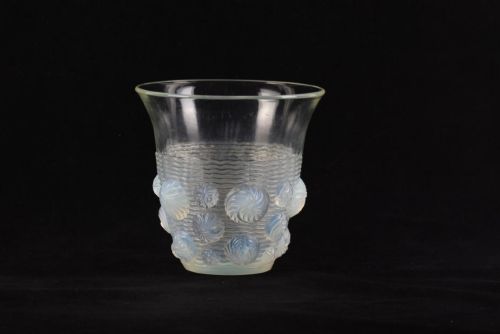
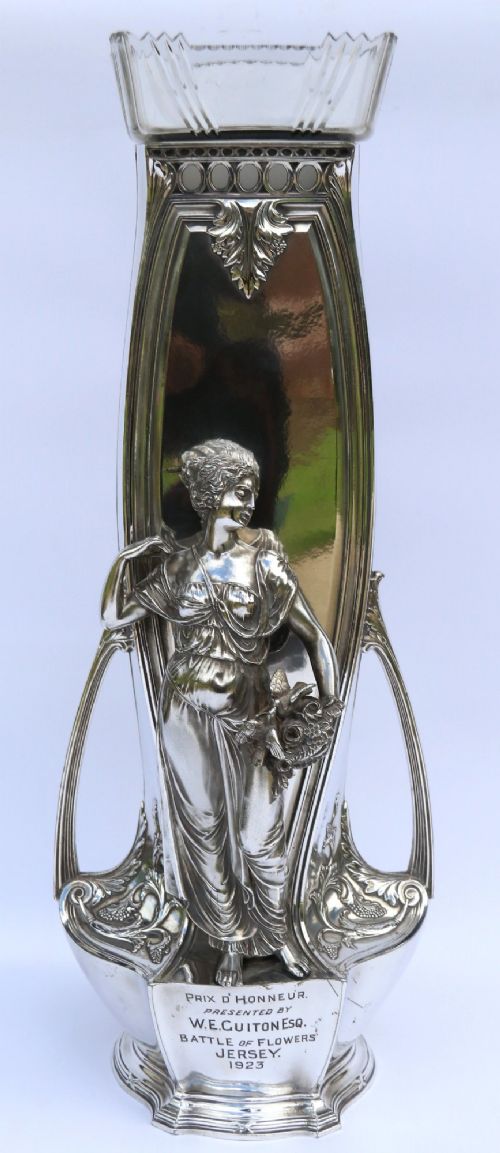
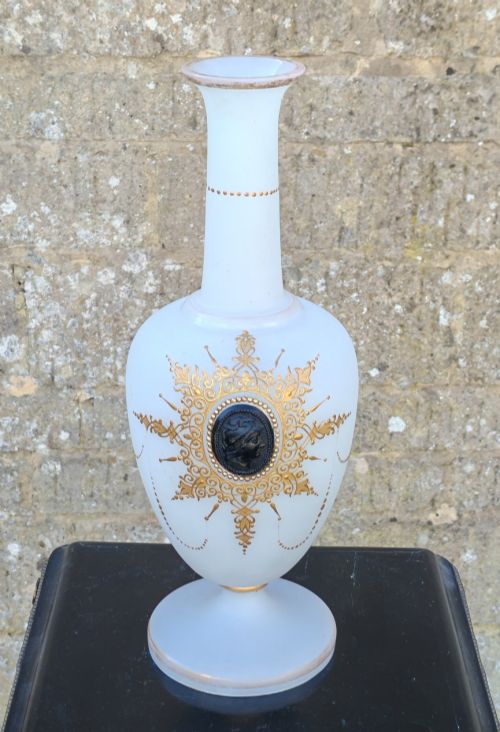
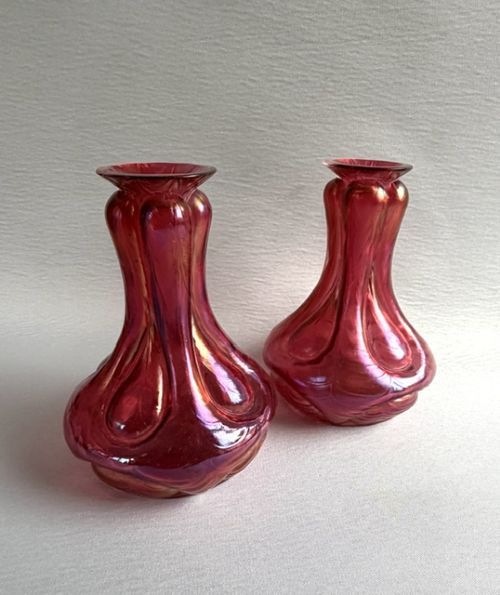
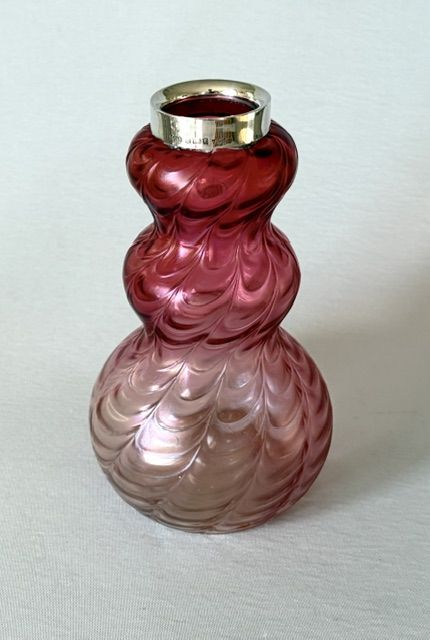
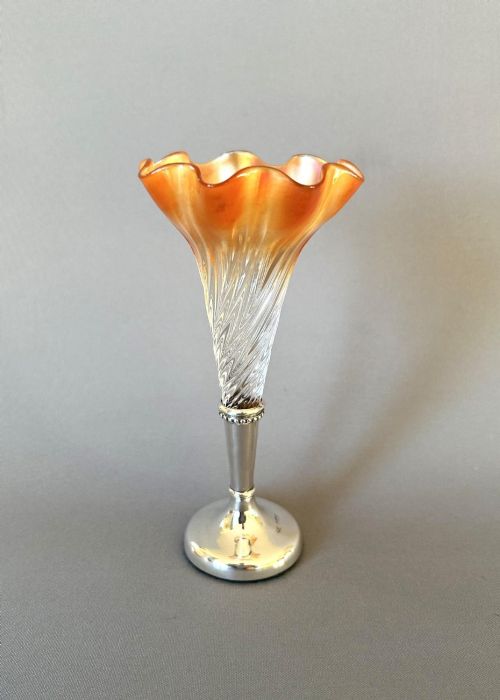
The selection ranges from Victorian cranberry glass and Mary Gregory examples to iridescent Art Nouveau creations and geometric Art Deco designs. Pieces often incorporate silver mounts, enamel decoration, or opalescent finishes alongside the primary glass body.
Originating across Britain, France, Austria, and Belgium, these items reflect distinct stylistic shifts from academic realism to modernist abstraction. The forms serve both decorative and functional roles within domestic interiors.
How they were made
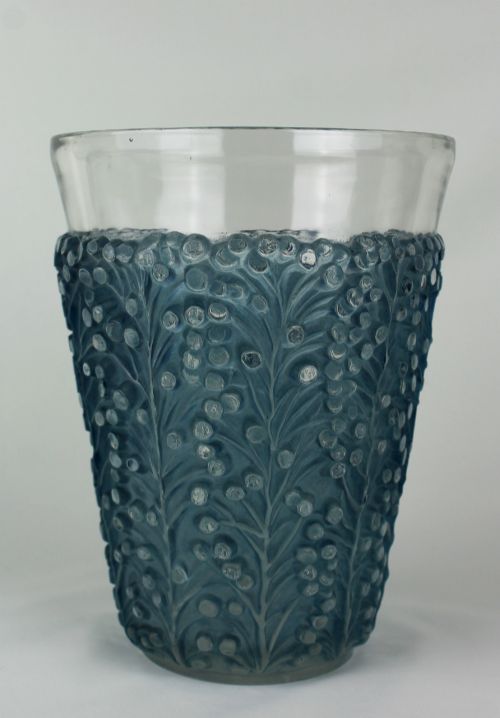
Makers utilised techniques such as cased glass, where layers of different coloured glass are fused together, and mould-blowing to shape intricate forms. Surfaces were frequently decorated with acid-etching, hand-painted enamel, or cameo carving.
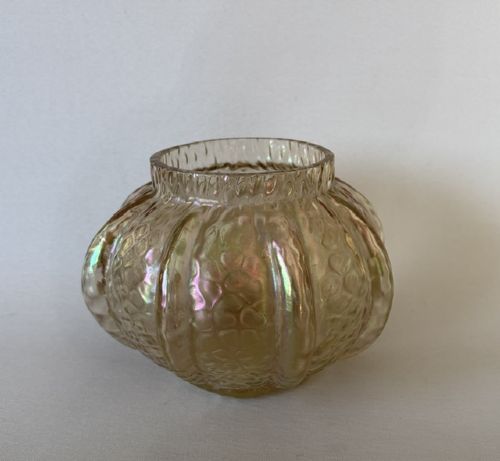
Iridescent effects were achieved by treating the hot glass surface with metallic vapours, producing the shimmering finishes seen on many turn-of-the-century pieces. Silver plating, sterling silver mounts, and gilt bronze fittings were often added to support or embellish the vessels.
Antique Glass Flower Vases Retail Price Guide 2026
Typical asking prices for glass flower vases among the pieces listed under this phrase on Sellingantiques today, from the lower quarter to the upper quarter. They describe what is for sale here now, not the wider market.
Listings feature items from the 1850s through to the 1930s, encompassing Victorian, Art Nouveau, and Art Deco styles.
What varies in quality
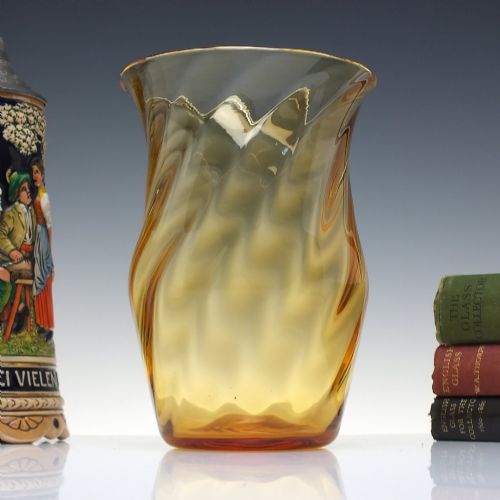
The sophistication of the glass manipulation and the depth of the colour saturation set exceptional pieces apart from standard production. Master glassworks achieved complex optical effects, subtle shade transitions, and precise geometric or organic motifs.
Integration with metalwork also defines the standard, where hallmarked sterling silver mounts or finely cast bronze frames complement the glass body rather than overpower it. The crispness of cameo relief and the durability of hand-applied enamel indicate the level of craftsmanship involved.
René Lalique·Kralik·Loetz·Daum·Emile Galle·Karl Palda
The Antique Glass Flower Vases Glossary
- Cranberry glass
- A rich red glass coloured with gold chloride, highly popular during the Victorian period. It frequently appears in epergnes and posy vases.
- Opalescent glass
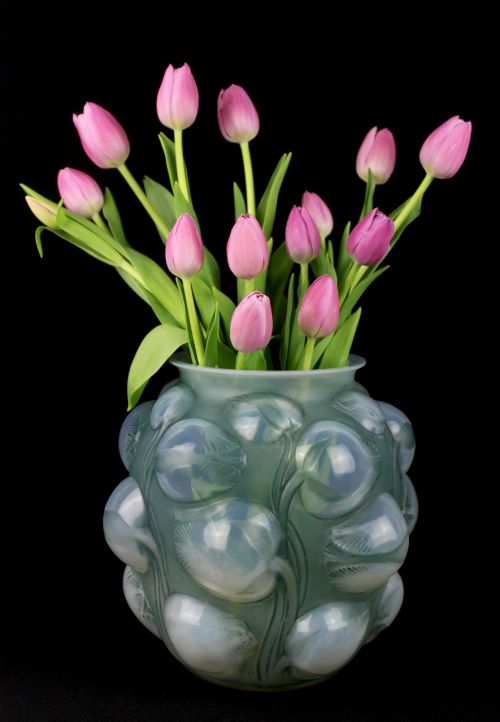
- Glass that diffuses light and displays milky, translucent highlights with contrasting colour at the edges. This effect was favored by Art Deco and Art Nouveau designers.
- Epergne
- A large table centrepiece featuring a central bowl with multiple detachable arms and trumpets for holding flowers. These multi-tier vessels often combined cranberry or vaseline glass with silver-plated frames.
- Cameo glass
- Vessels carved from multi-layered glass to create a raised design in a contrasting colour against the background. This demanding technique is closely associated with late nineteenth-century French workshops.
- Vaseline glass
- Uranium glass that exhibits a distinct yellow-green fluorescence under ultraviolet light. Victorian makers utilised this material for striking cornucopia and posy vases.
Antique Glass Flower Vases: Frequently Asked Questions
How do I clean antique glass vases?
Wash vessels gently in lukewarm water using mild soap, avoiding harsh abrasives that might damage delicate enamel, gilding, or iridescent surfaces.
Dry the glass thoroughly with a soft cloth to prevent water spots, and take extra care around silver mounts or fitted metal collars.
What is vaseline glass?
Vaseline glass is a type of transparent or translucent glass containing uranium dioxide, which gives it a characteristic yellow-green tint. Under ultraviolet light, the material emits a bright greenish glow.
Victorian makers utilised this distinct glass for decorative cornucopia and posy vases, making it a distinct collectable variety.
How do I identify Art Nouveau vases?
Art Nouveau pieces typically feature organic motifs, asymmetrical forms, and fluid lines inspired by natural plant and floral structures. Iridescent finishes and metallic sheens are also common characteristics of this period.
Look for distinctive surface treatments like the papillon or martele decors, which reflect the aesthetic priorities of turn-of-the-century glassmakers.