




Renaissance Wood Plaque
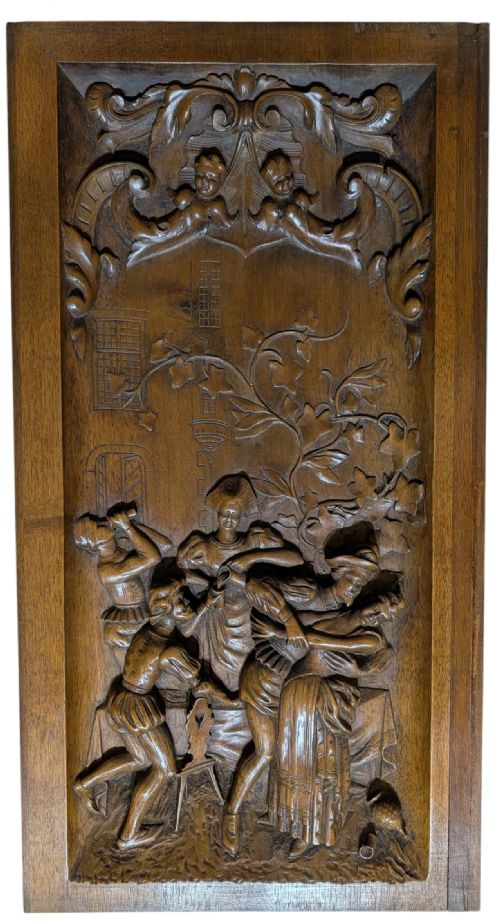
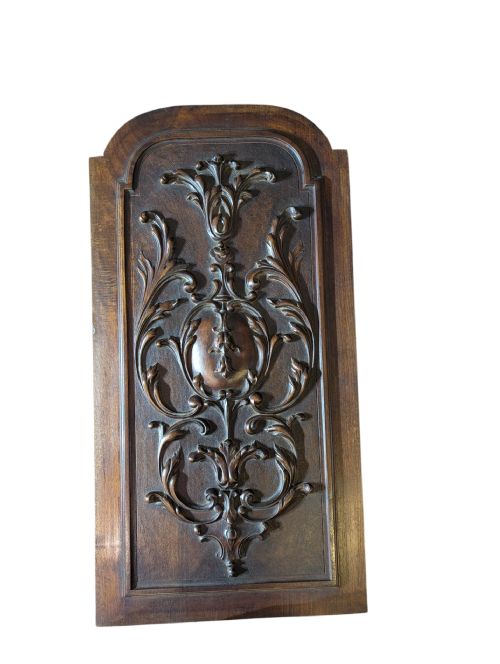
A renaissance wood plaque brings heavy architectural character and deep historical narrative into a room through dense, centuries-old carving.
Renaissance Wood Plaque
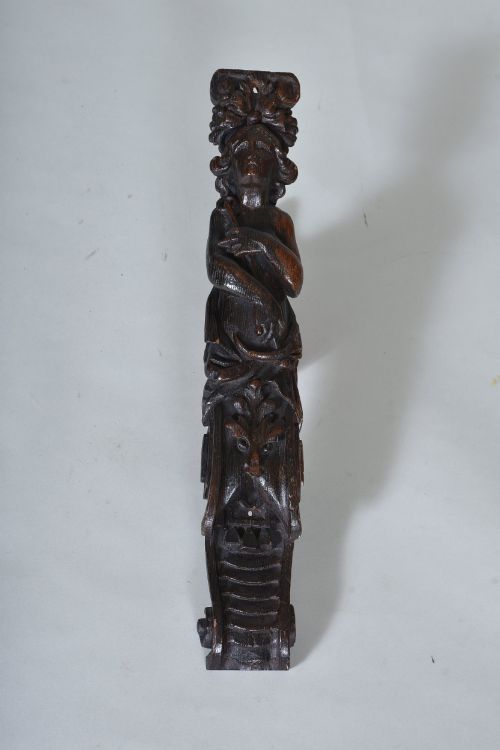
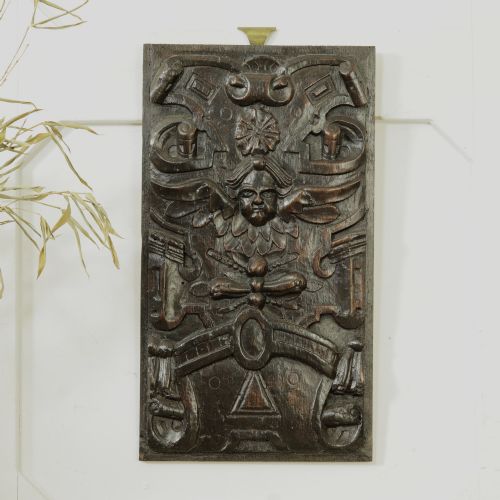
A renaissance wood plaque encompasses architectural salvage, wall reliefs, and carved panels originating from the sixteenth and seventeenth centuries, alongside later nineteenth-century revivals. Buyers searching for a renaissance wood plaque typically encounter solid oak, walnut, and ebonised timber wall art bearing figural or decorative motifs.
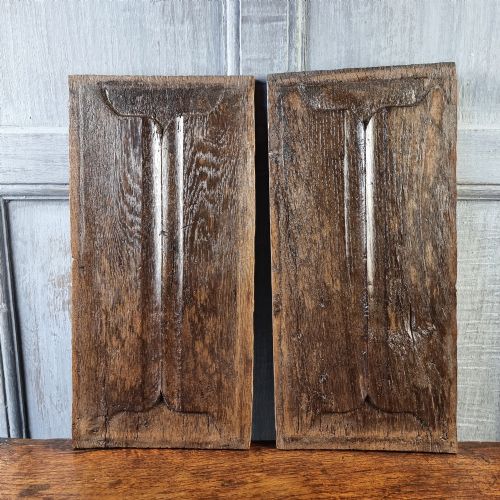
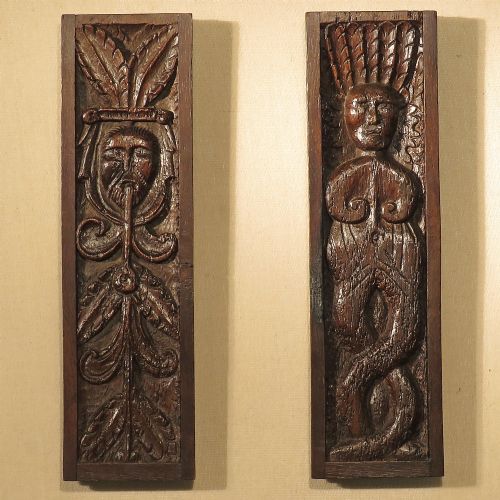
The selection ranges from primitive serpent carvings and Flemish panels to intricate green man depictions and linenfold designs. Later nineteenth-century examples often adopt Renaissance Revival or Jacobean styles, translating earlier religious and secular themes into domestic wall decoration.
Most items function directly as wall panels or plaques, though related architectural carvings and book cover bindings also appear. These wooden objects serve primarily as focal points for panelled rooms, libraries, or hallway displays.
How they were made
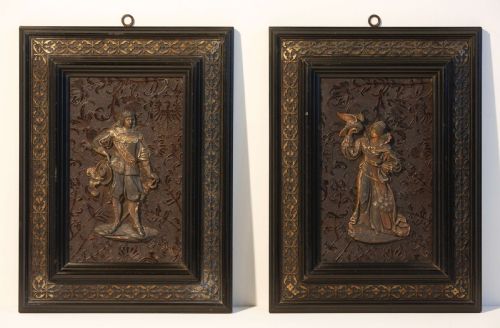
Makers shaped these pieces primarily from dense hardwoods like oak and walnut, utilising hand chisels and gouges to achieve high-relief carving. Surface decoration sometimes incorporates tempera paint or gilded wood to accentuate the carved details.
Ebonised wood and dark oak treatments provide depth and contrast, mimicking the rich patination accumulated over centuries. Joinery techniques such as linenfold assembly and panel construction ensure stability across large wooden surfaces.
Renaissance Wood Plaque Retail Price Guide 2026
Typical asking prices for renaissance wood plaque among the pieces listed under this phrase on Sellingantiques today, from the lower quarter to the upper quarter. They describe what is for sale here now, not the wider market.
A sixteenth-century serpent panel lurks among the woodwork, hissing silently from the past.
What varies in quality
Quality depends upon the crispness of the chisel work and the depth of the relief carving, which determines how sharply figures emerge from the background. Early sixteenth and seventeenth-century originals display organic tool marks and substantial timber weight that distinguish them from later revival pieces.
The sophistication of the subject matter, whether a complex biblical scene or a detailed green man, dictates the artistic merit of the plaque. Conservation history and the preservation of original surface finishes, such as aged oak patination or early tempera, further elevate certain examples above standard architectural salvage.
Icilio Federico Joni
The Renaissance Wood Plaque Glossary
- Relief
- Carving that projects from a flat background surface. High-relief elements stand out significantly from the plane, creating strong shadow and depth.
- Linenfold
- A style of wood panelling carved to resemble folded vertical sheets of linen fabric. This technique was popular during the Tudor and sixteenth-century periods.
- Green Man
- A sculptural motif consisting of a face carved from or surrounded by leaves and vines. It symbolises rebirth and appears frequently in early architectural woodcarving.
- Renaissance Revival
- An artistic movement during the nineteenth century that drew inspiration from fifteenth and sixteenth-century architecture and design. Makers utilised these historic motifs to create dramatic furniture and wall plaques.
- Tavolette
- Painted wooden panels often used as book cover bindings in early libraries. They display fine miniature artwork akin to panel paintings of the period.
Renaissance Wood Plaque: Frequently Asked Questions
How do I hang a heavy wood plaque safely?
Heavy wooden plaques require secure attachment directly into wall studs or masonry using appropriate steel brackets and fixings. Distributing the weight evenly prevents stress on ancient timber joints and old fixings.
Professional framing or custom mounting brackets protect the edges of unfrayed antique panels while ensuring stability against the wall.
What is the difference between original and revival pieces?
Sixteenth and seventeenth-century originals display period tool marks, timber shrinkage, and centuries of accumulated patination. Nineteenth-century Renaissance Revival pieces replicate these historic forms using Victorian manufacturing methods and machinery.
Examining the wood species, nail types, and back construction helps clarify the true age of the panel.
How should I clean antique carved wood?
Dust carved wooden surfaces gently with a soft, dry brush to remove particles trapped within deep relief recesses. Avoid using liquid cleaners, polishes, or water, which can damage aged oak and fragile tempera finishes.
Maintaining a stable indoor humidity prevents the dry wood from cracking or warping over time.
Where were these plaques originally placed?
Many of these items originated as architectural salvage from European churches, manor houses, and civic buildings. They functioned as wall panels, friezes, or decorative elements built into grand interior panelling schemes.
Later pieces were produced specifically as standalone wall art for nineteenth-century domestic interiors.