
Brown Oak Timber Carving
Brown oak timber carving brings deep colour and enduring grain to interiors through centuries of architectural salvage, panels, and seating.
Brown Oak Timber Carving
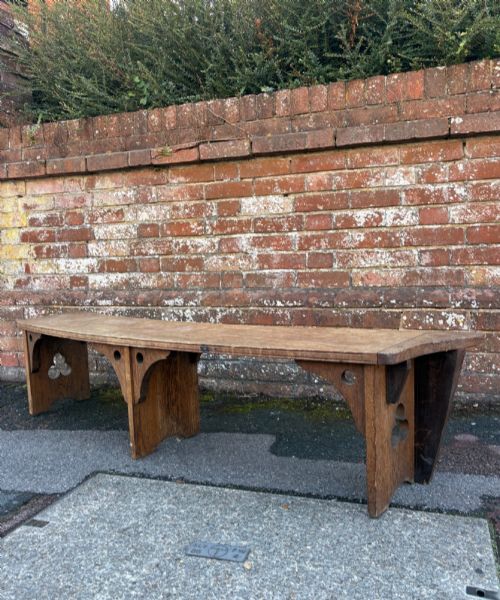
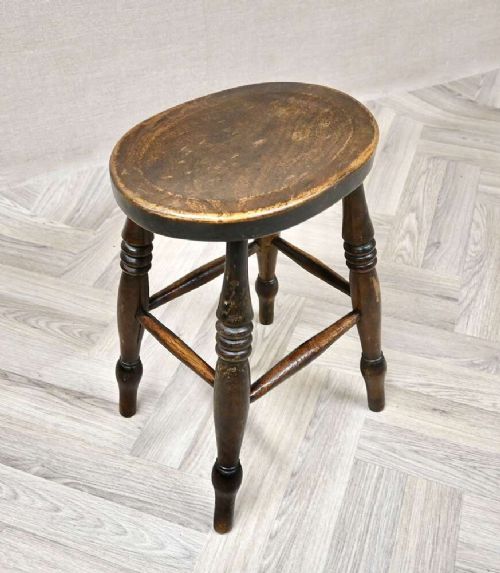
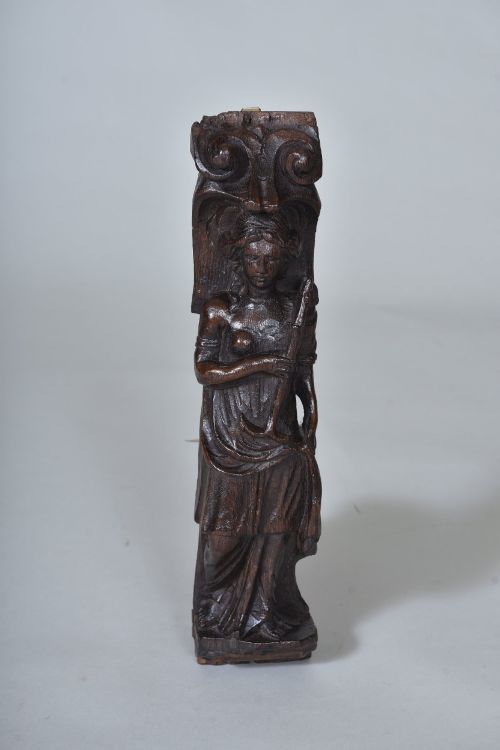
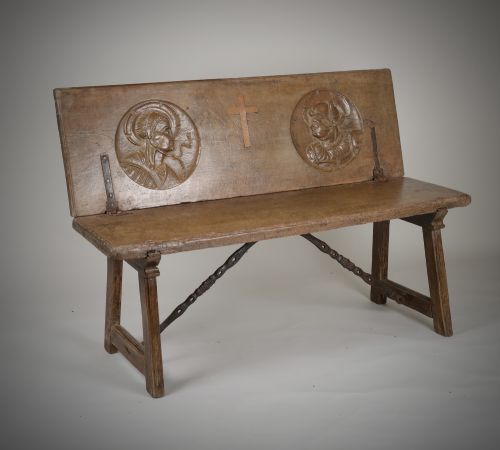
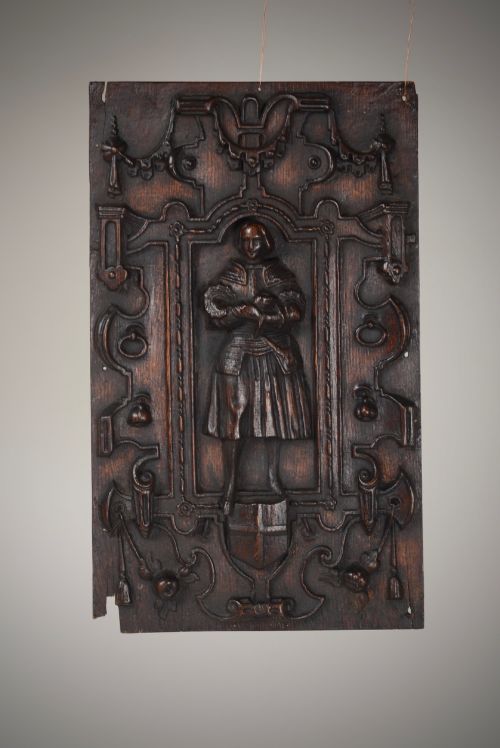
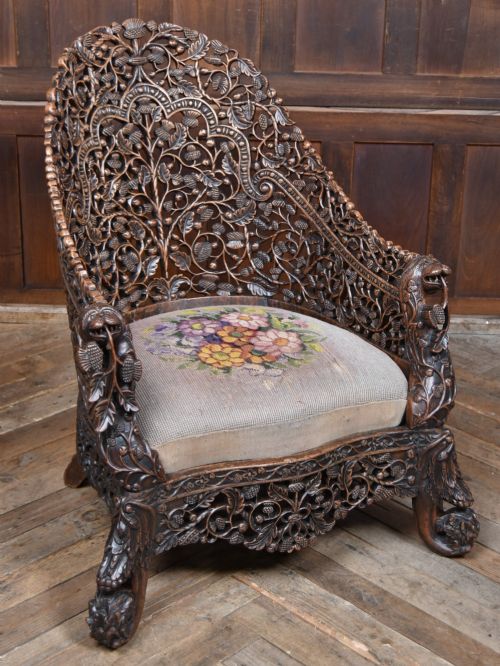
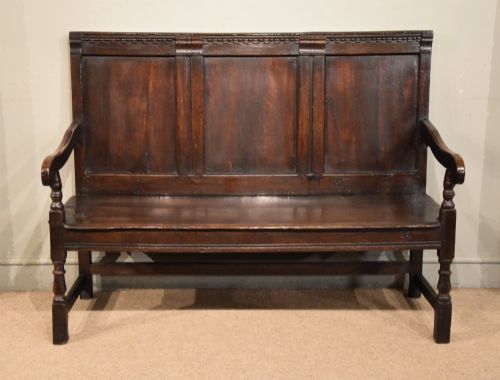
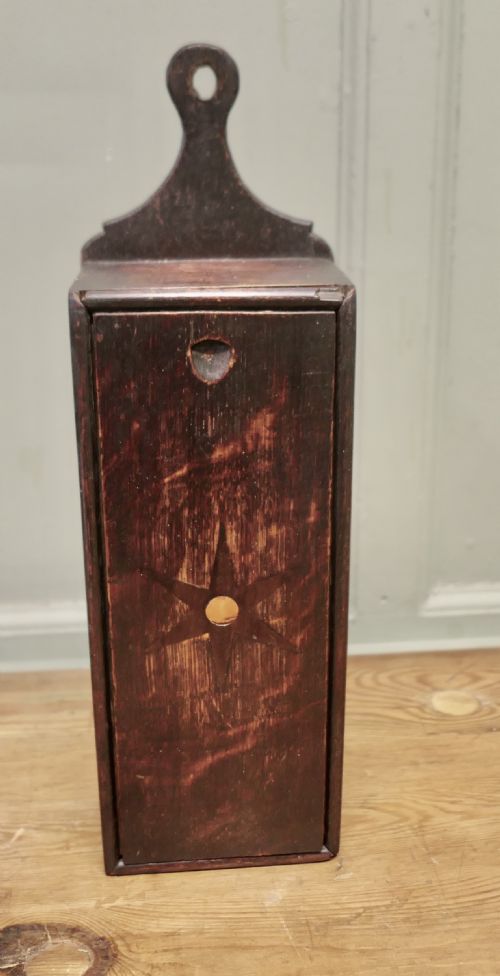
When you search for brown oak timber carving, you encounter a dense lineage of architectural salvage, wall panels, and seating spanning the sixteenth to the early twentieth century. The selection ranges from robust seventeenth-century panels and Gothic Revival benches to rustic country stools and intricate Black Forest ornaments.
The material surface displays the distinctive rich hue and heavy grain characteristic of seasoned heartwood. Many pieces originate from domestic interiors, churches, or country houses, preserving centuries of handling and atmospheric ageing in the timber.
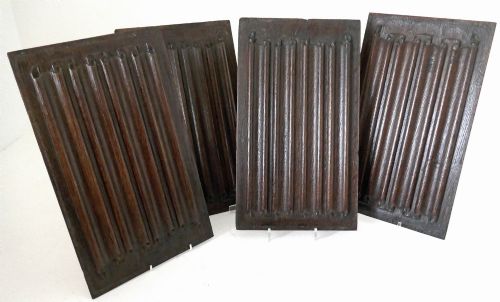
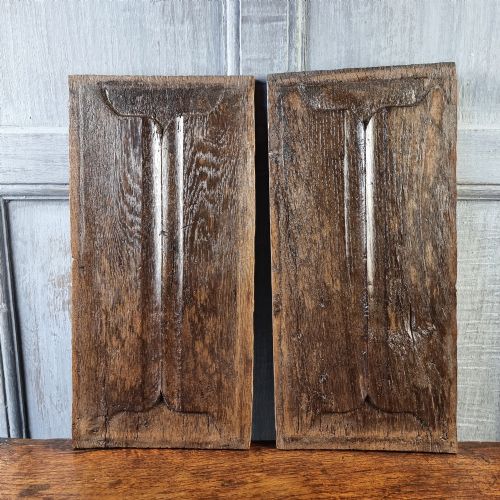
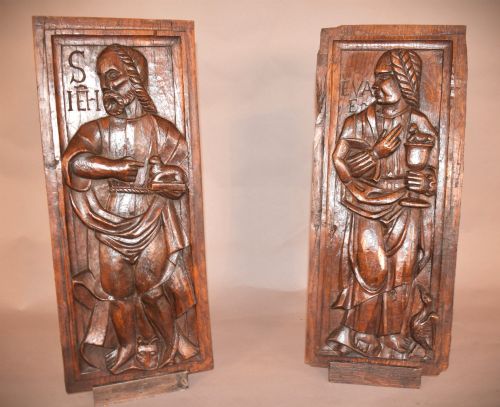
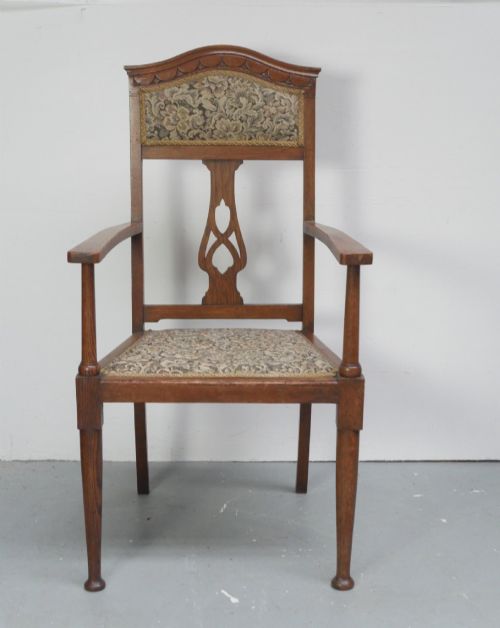
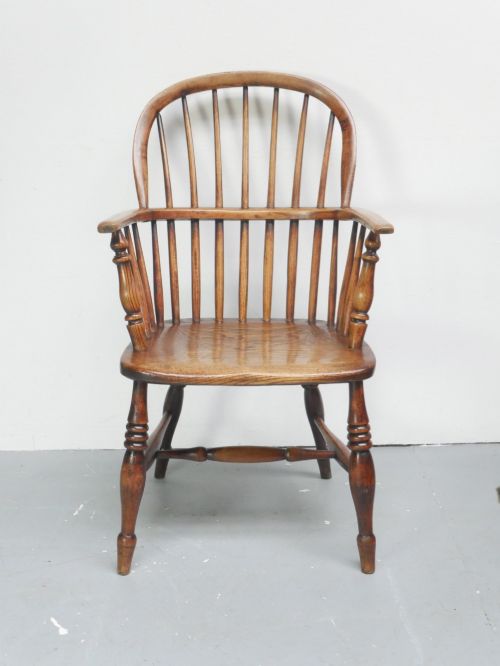
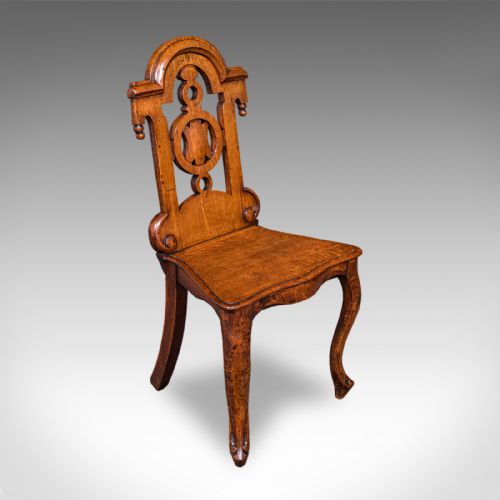
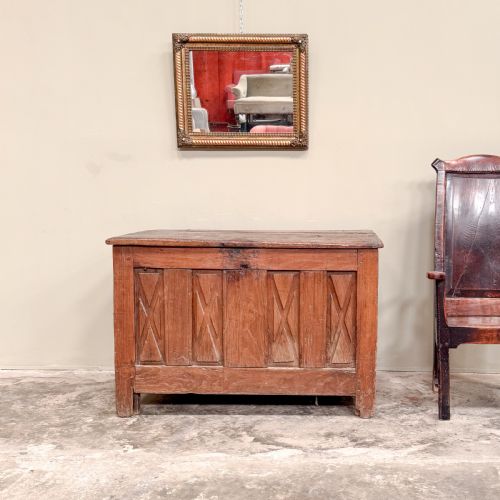
You are most likely to meet panels featuring linenfold or figural motifs alongside utilitarian furniture like hall chairs, settles, and benches. These forms show how carvers utilised durable hardwood for both structural integrity and ornamental expression.
Markers of distinction in carved timber
The depth and clarity of the chisel work define the upper tier of execution, where tool marks remain crisp and proportional anatomical or geometric relationships hold true. Weaker examples show shallow, rushed incision with softened details and muddy contours.
ProVENAnce and structural integrity separate utilitarian yard salvage from fine decorative arts. Original surfaces untouched by aggressive modern stripping retain the patination that collectors prize above flat, chemically cleaned timber.
The listings span eight distinct periods, led by seventeenth and nineteenth-century examples in oak, carved wood, and iron.
J Parker of Woodstock
The Brown Oak Timber Carving Glossary
- Linenfold
- A style of relief carving imitating folded linen fabric, popular on sixteenth-century panelling. This motif creates a textile appearance across rigid wooden boards.
- Gothic Revival
- An architectural and decorative style drawing on medieval forms, prominent during the nineteenth century. It frequently employs pointed arches, trefoils, and heavy tracery.
- Overmantle
- A decorative structure placed above a fireplace mantelpiece, often incorporating carved panels or mirrors. These pieces anchor large room schemes with focal woodwork.
- Patina
- The surface sheen and colour change acquired by wood through age, light exposure, and frequent handling. A rich patina indicates minimal chemical alteration over centuries.
Brown Oak Timber Carving: Frequently Asked Questions
How do I date a carved oak panel?
Dating relies on tool marks, joint construction, and stylistic motifs like linenfold or linen-pattern borders.
Early pieces utilise hand-riven timber and pegged joinery, while later Victorian revivals often show mechanical sawing traces behind the relief.
Where were carved oak panels originally placed?
Carved panels typically formed part of wall wainscoting, overmantles, or church rood screens in domestic and ecclesiastical interiors.
They provided insulation against damp stone walls while demonstrating the wealth and status of the owner.
How should I clean historic carved timber?
Maintain historic wood using a soft bristle brush to remove dust from deep crevices without disturbing the wax finish.
Avoid liquid cleaners and silicone polishes, applying only a traditional beeswax sparingly when the dry timber appears thirsty.
What is the difference between architectural salvage and furniture?
Architectural salvage comprises detached structural elements like ceiling bosses, wall panels, and overmantles removed from buildings.
Furniture items such as settles, armchairs, and stools were built as movable objects designed for immediate domestic utility.