
Antique Carved Timber Reliefs
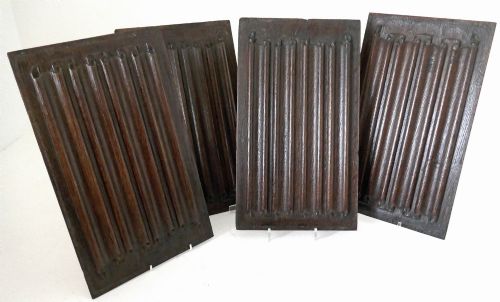
These antique carved timber reliefs range from sturdy sixteenth-century oak linenfolds to intricate nineteenth-century Black Forest plaques, bringing historic texture directly onto the wall.
Antique Carved Timber Reliefs
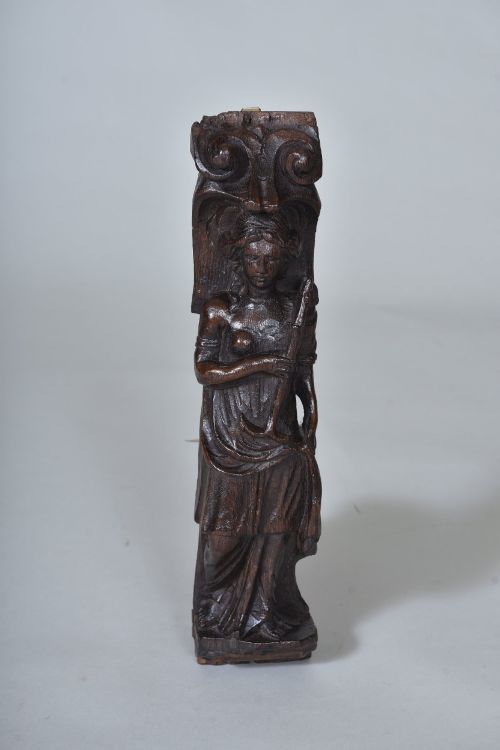
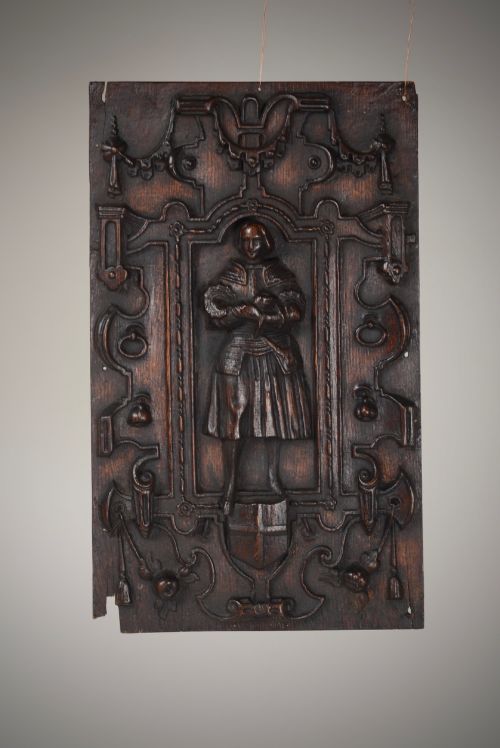
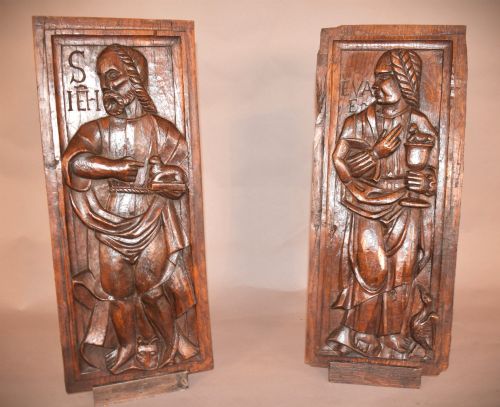
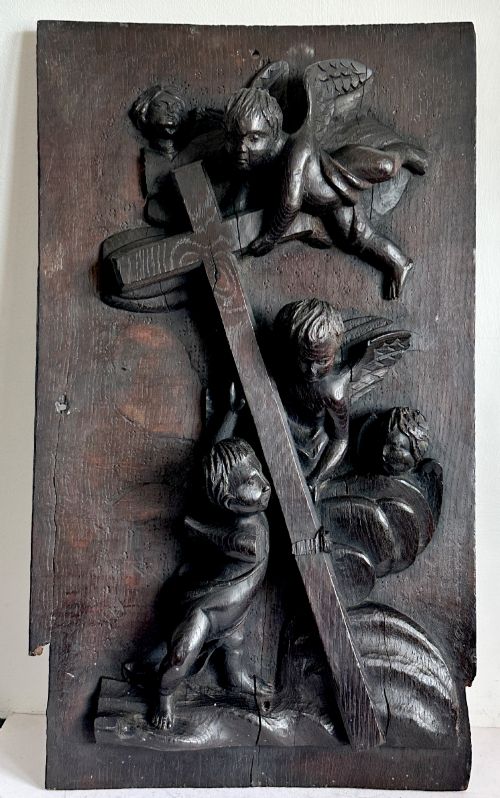
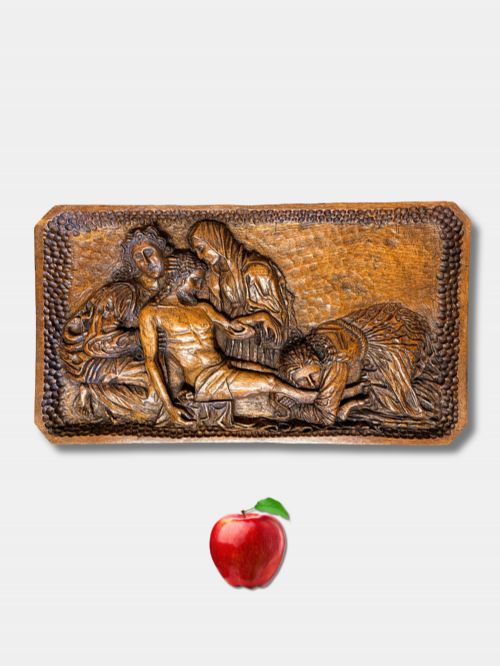
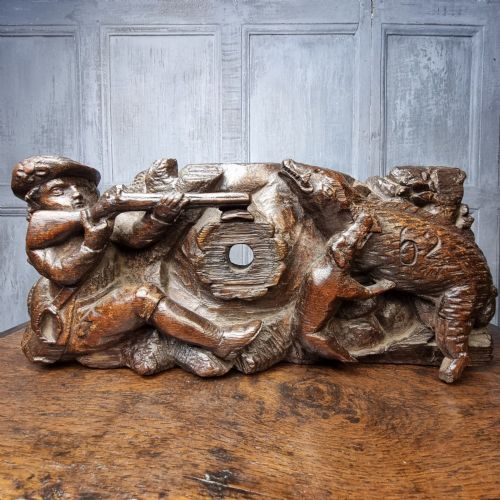
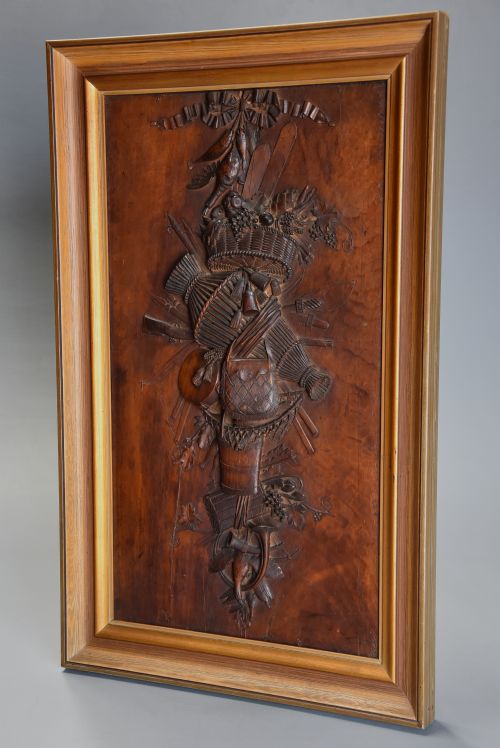
When you search for antique carved timber reliefs, you encounter architectural salvage, wall plaques, and wall sculptures shaped from hardwoods over several centuries. These pieces originate from diverse contexts, including English Tudor panels, continental Baroque church fragments, and nineteenth-century hunting trophies.
Originating from domestic interiors, ecclesiastical settings, and exterior architectural schemes, these timber works function primarily as wall art today. Buyers select them to anchor a room with tactile depth and centuries of human craftsmanship.
How they were made
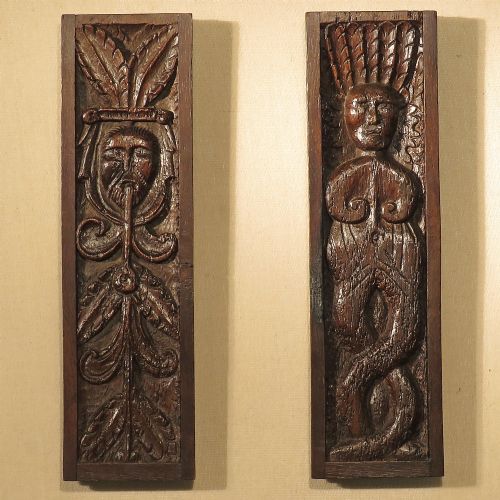
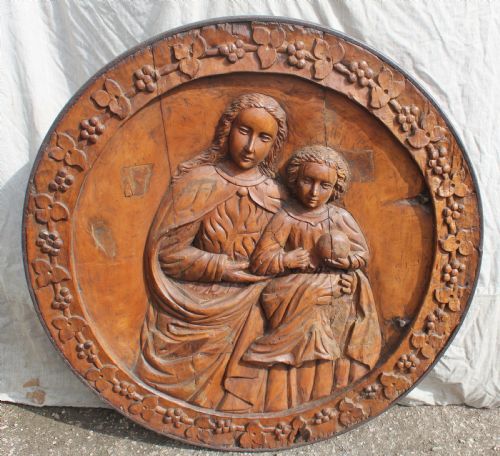
Carvers shaped these reliefs using heavy timbers such as oak, walnut, chestnut, and elm, alongside lighter woods like limewood and fruitwood for detailed work. Craftsmen utilised hand chisels and gouges to carve directly into the seasoned grain, achieving varying depths from shallow incising to high, undercut relief.
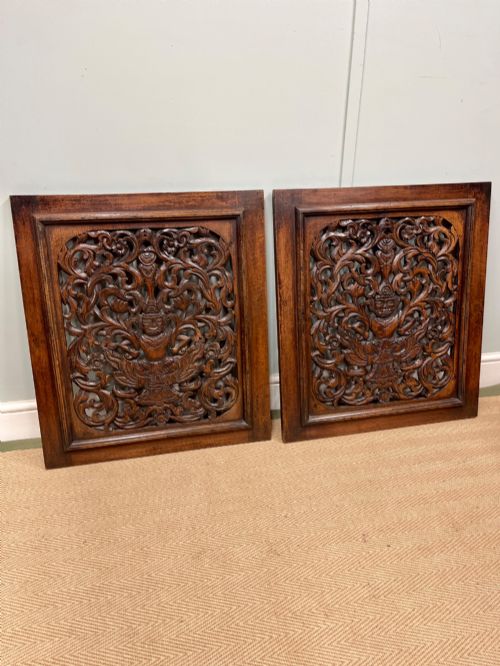
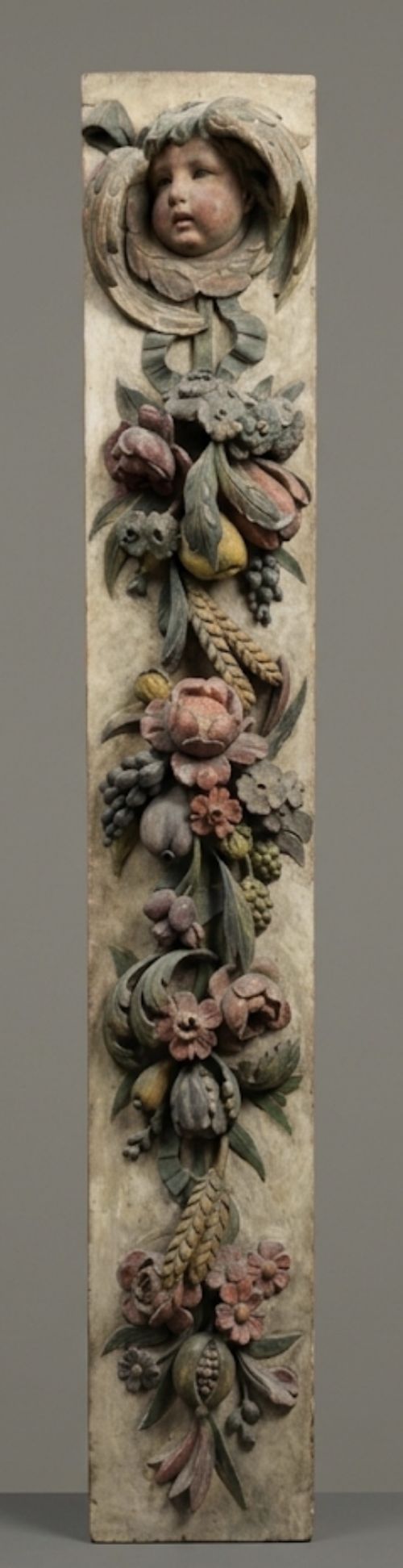
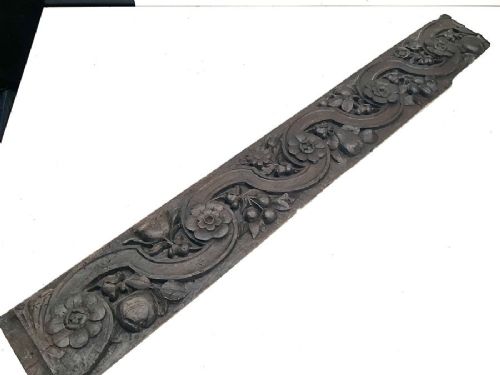
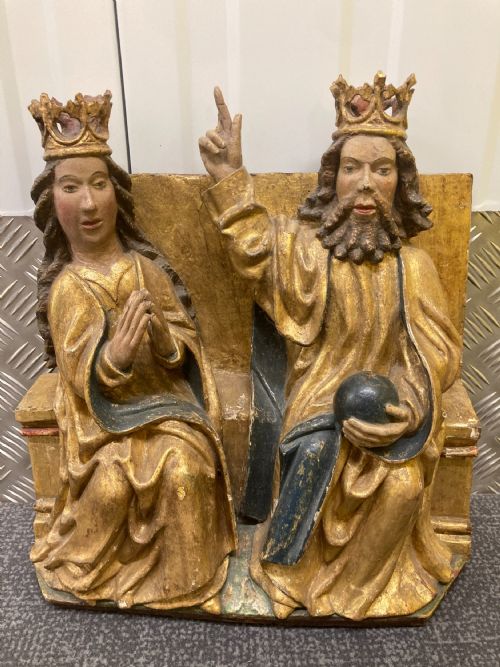
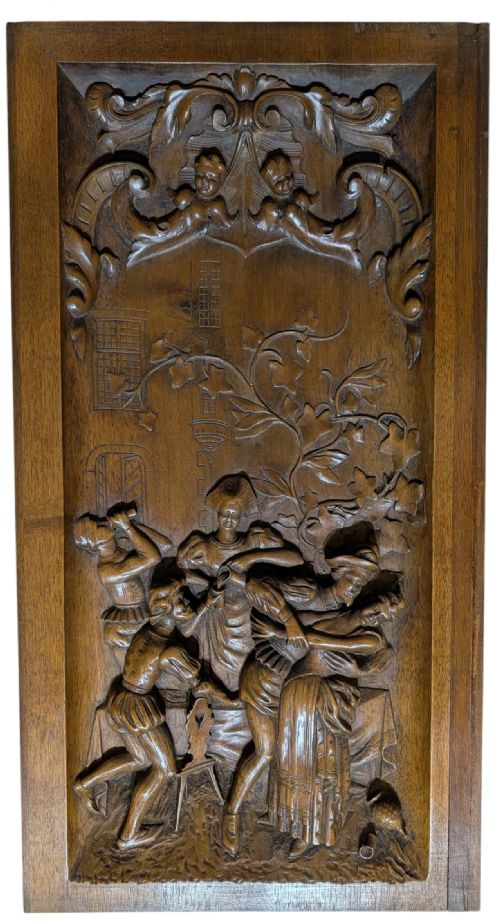
Many surviving panels retain traces of their original polychrome paint, giltwood finishes, or dark wax patination applied over centuries of handling. Pierced carving techniques appear in elaborate seventeenth-century acanthus leaves, where wood is cut completely through to create openwork shadows.
A nineteenth-century fairground dragon ride fragment waits patiently among the austere Tudor panels and Baroque saints.
What varies in quality
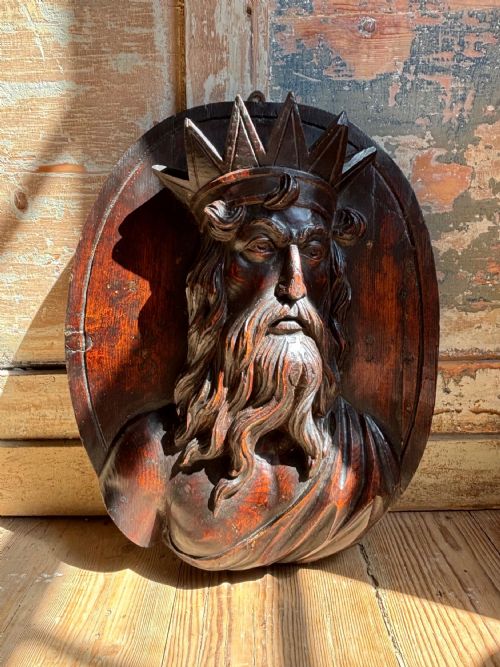
The distinction between ordinary and exceptional carving lies in the precision and confidence of the cutter's hand. Superior pieces demonstrate crisp undercut details, anatomical accuracy in figures, and a dynamic composition that animates the timber.
Depth of relief and the complexity of the subject matter also signal higher workshops. Master carvers achieved subtle facial expressions and flowing drapery, whereas lesser works rely on stiff repetition and shallow planes.
The Antique Carved Timber Reliefs Glossary
- Linenfold
- A style of wood carving that mimics folded parchment or linen, common on sixteenth-century panels. It creates a vertical pattern of rigid, overlapping folds.
- Polychrome
- Painted in several colours, often applied over a gesso ground on wooden sculptures and panels. This surface decoration frequently dates to the medieval and Renaissance periods.
- Ceiling Boss
- A decorative projecting block of wood placed at the intersection of ribs in a vaulted ceiling. These architectural elements often feature carved foliage, grotesques, or heraldic shields.
- Acanthus
- A carved ornamental motif based on the stylized leaves of the Mediterranean acanthus plant. It appears frequently in Baroque and Renaissance scrollwork and architectural pediments.
Antique Carved Timber Reliefs: Frequently Asked Questions
How were timber reliefs used originally?
These carvings served primarily as structural and decorative elements within high-status domestic, civic, and ecclesiastical buildings. Carpenters integrated them into overdoors, staircase panels, church screens, and ceiling bosses to display wealth and narrative art.
Over subsequent centuries, many of these architectural elements were salvaged from demolished structures. They were mounted onto walls as independent plaques or framed as artworks to preserve their historical craftsmanship.
How do I hang a heavy carved wood panel?
Due to the substantial weight of dense hardwoods like oak and walnut, these reliefs require secure wall fixings tied directly into studwork or masonry. Professional framing or custom metal brackets that support the base of the panel are often necessary for larger pieces.
Environmental stability is equally crucial for installation. Timber expands and contracts with humidity changes, so panels should be kept away from direct heat sources and damp walls to prevent splitting.
How can I tell a sixteenth-century panel from a nineteenth-century copy?
Early sixteenth-century panels typically display the tool marks of primitive hand adzes and chisels across the unrefined reverse side of the timber. The grain shows deep oxidation, heavy shrinkage cracks, and dry, dense fibres consistent with centuries of ageing.
Nineteenth-century Gothic Revival copies often feature machine-sawn backs, standardised dimensions, and artificially darkened surfaces lacking the natural wear patterns of early use. Examining the joinery and peg construction also reveals whether a piece belongs to its purported period.
What is a Black Forest carving?
Black Forest carvings originate from the forested mountain region of central Europe, particularly Switzerland and Germany, during the nineteenth century. These pieces are celebrated for naturalistic depictions of wildlife, especially deer, bears, and hunting trophies rendered in rich walnut and limewood.
Local artisans utilised specialised carving knives to render hyper-realistic fur textures and foliage. Such plaques and furniture elements became immensely popular across Victorian drawing rooms.