

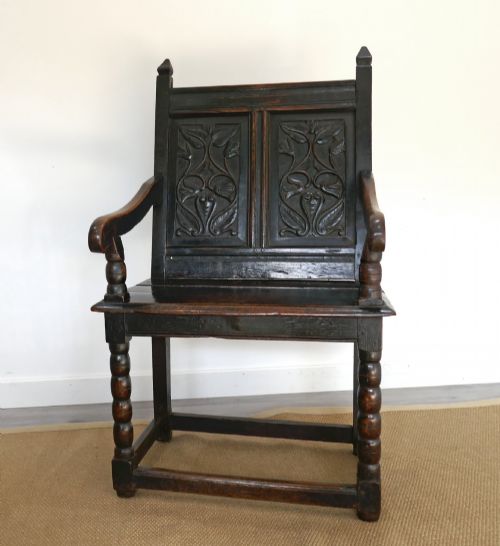
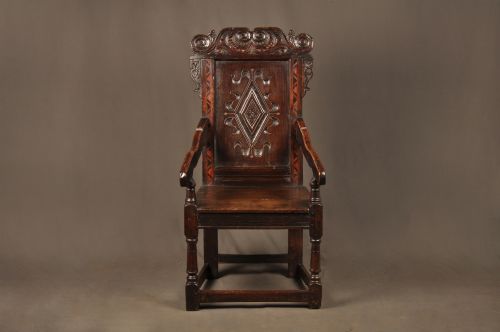
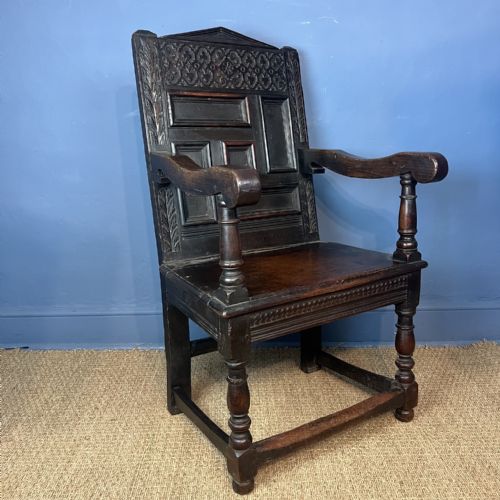
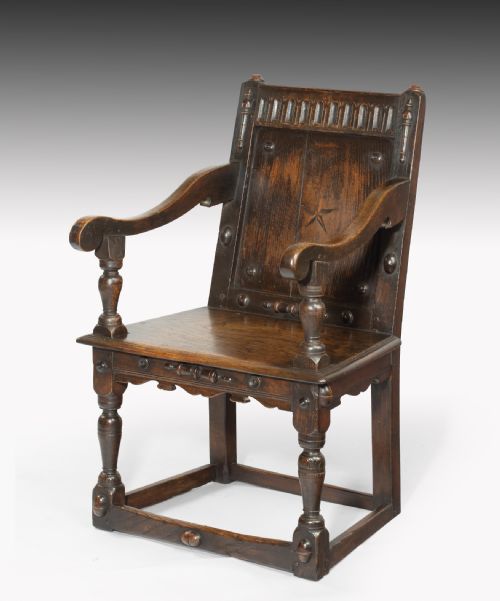
Carved Oak Wainscoting Panels
Carved oak wainscoting panels connect directly to sturdy early chairs and regional seating formed from robust timber.
Carved Oak Wainscoting Panels
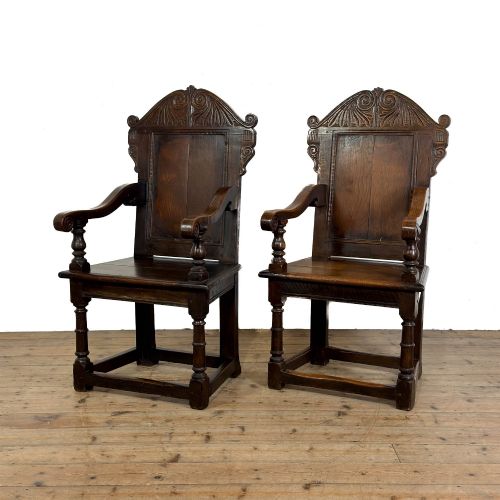
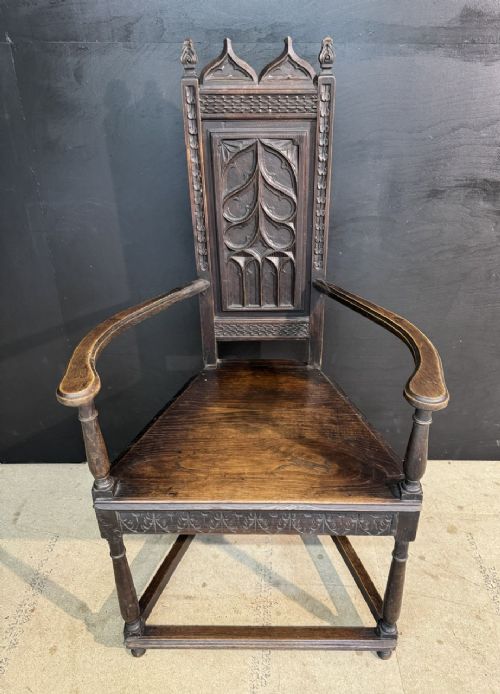
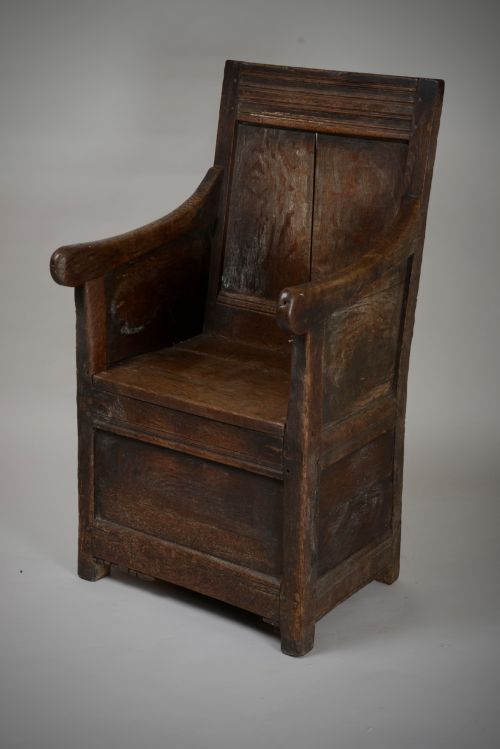
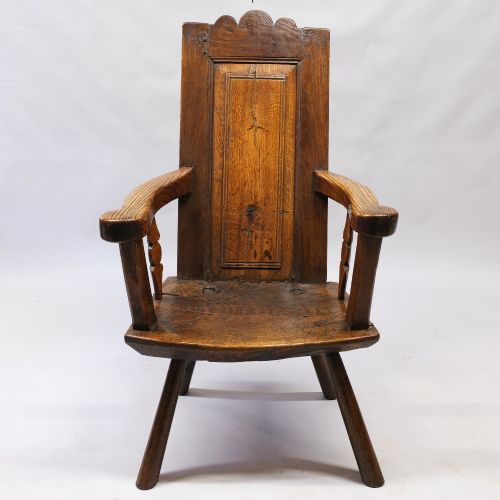
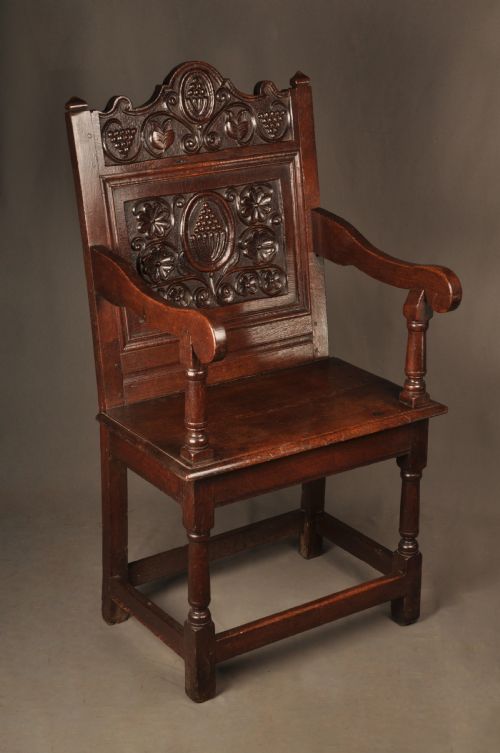
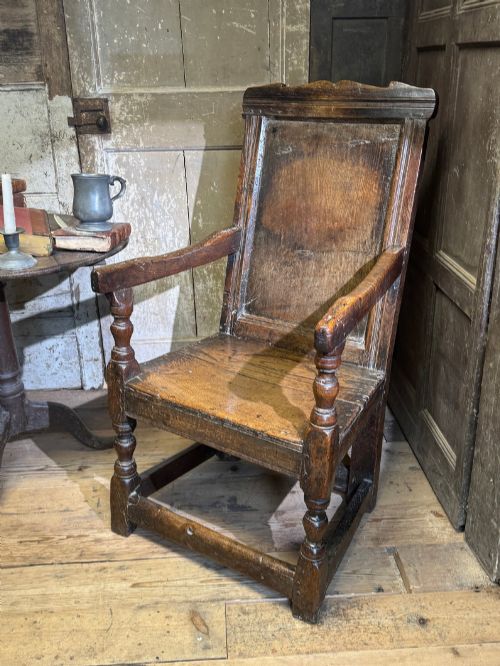
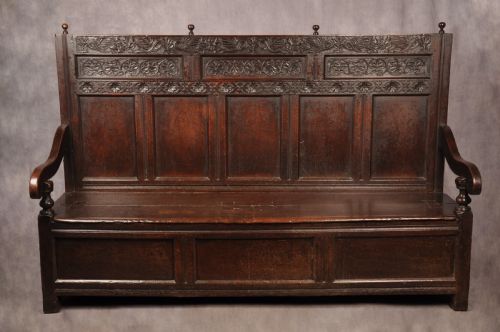
Carved oak wainscoting panels relate closely to solid timber seating, including robust armchairs, box settles and hall chairs originating from the sixteenth, seventeenth and eighteenth centuries. These architectural and furniture components reflect heavy wooden construction methods typical of early English, Welsh and Scottish domestic interiors.
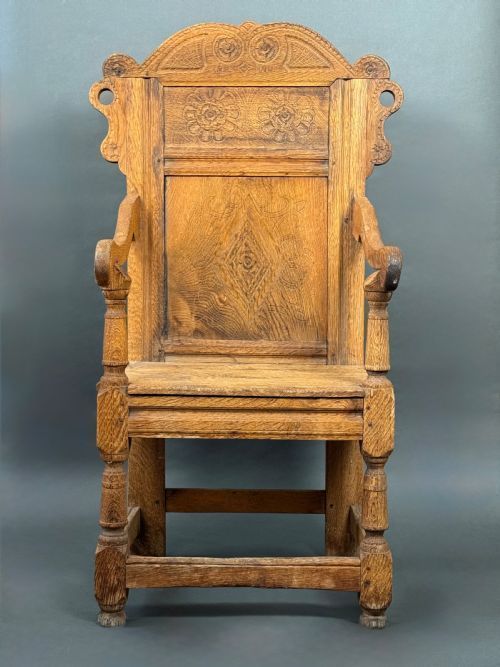
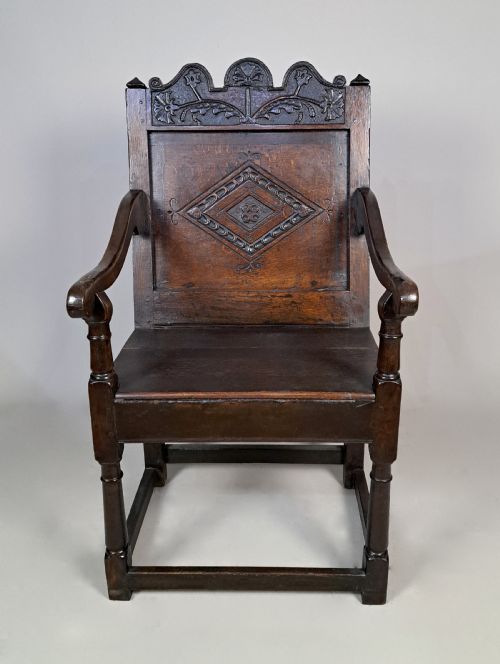
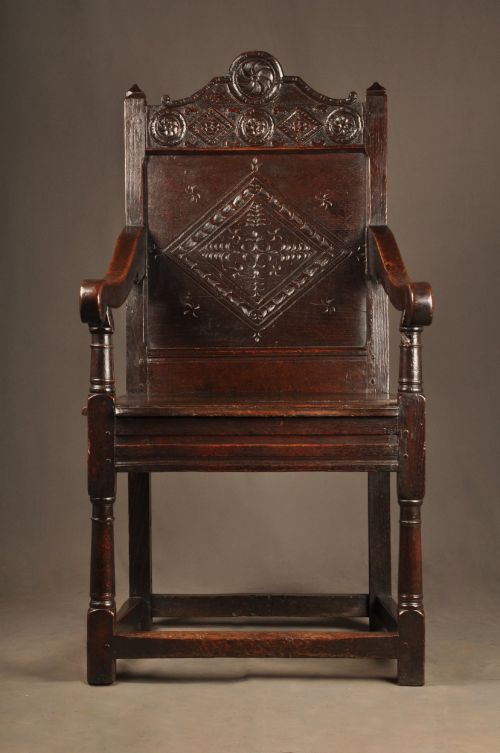
The versions most commonly met on this page span seventeenth-century regional pieces from Yorkshire, Lancashire and the West Country alongside later nineteenth-century revival interpretations. Such items often display carved back panels derived from wainscot traditions, uniting wall panelling aesthetics with heavy armchair framing.
Materials and construction methods
Makers relied primarily on solid oak, supplemented occasionally by elm, utilising sturdy mortise and tenon joinery to build rigid frames that endured centuries of daily use. Wood inlay and textile or velvet elements appear in select examples, adding surface contrast to the dense timber foundation.
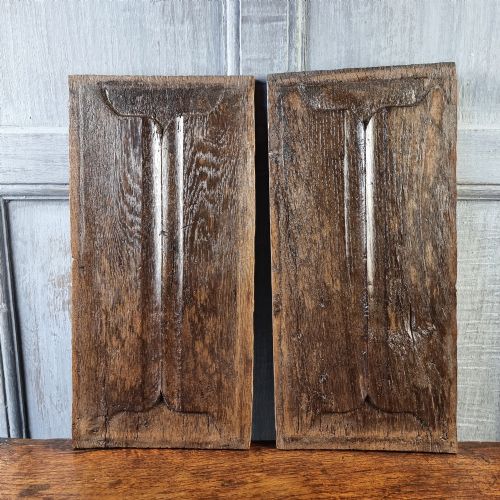
Carving techniques applied directly to the solid wood surface defined the decorative style, ranging from simple linenfold motifs to elaborate Jacobean and Tudor ornamentation.
Current listings demonstrate periods spanning the sixteenth through the nineteenth centuries, executed primarily in solid oak and elm.
Distinctions in quality and execution
Quality rests upon the depth and crispness of the original carving, the integrity of the structural joints, and the uncompromised survival of the primary timber. Regional variations show distinct local carving idioms, where sharper detail and heavier proportions separate superior vernacular pieces from simpler or later revival equivalents.
The Carved Oak Wainscoting Panels Glossary
- Wainscot
- A type of solid oak armchair or panelled seating constructed with wooden back panels rather than open spindles.
- Linenfold
- A style of carved wooden panel resembling vertical folds of draped cloth, frequently seen on early sixteenth-century examples.
- Jacobean
- The architectural and decorative style spanning the early seventeenth century, characterised by geometric mouldings and strapwork carving.
- Settle
- A high-backed wooden bench with solid arms and an enclosed lower storage box, built from heavy oak.
Carved Oak Wainscoting Panels: Frequently Asked Questions
What is a wainscot chair?
A wainscot chair is a heavy wooden armchair constructed with panelled wooden backs and solid framing, originating when oak furniture was reserved for prominent household members.
These pieces rely on pegged joinery rather than metal nails, reflecting early domestic carpentry standards.
How do I care for antique oak?
Antique oak benefits from stable indoor humidity levels away from direct heat sources and sudden temperature shifts. Regular dusting with a dry cloth protects the historic surface finish without moisture damage.
Applying occasional appropriate wax preserves the natural sheen of the timber over time.
How can I tell periods apart?
Early pieces from the sixteenth and seventeenth centuries exhibit hand-tooled joinery marks and authentic regional carving styles unique to areas like Yorkshire or Lancashire. Later nineteenth-century revival items often display machine precision or stylised interpretations of earlier Tudor motifs.
Examining the underside, peg construction and timber oxidation helps clarify the true age of the woodwork.
Where were these chairs used?
These chairs served as principal seats of authority in great halls, farmhouses and merchant dwellings during the early modern period. Their solid panelled construction offered protection from cold draughts near open hearths.
Later periods repositioned them as decorative hall chairs or study seating.