
Relief Wall Sculpture
Relief wall sculpture brings three-dimensional depth and historical narrative to a room, offering bronze, oak, and marble panels that catch the light.
Relief Wall Sculpture
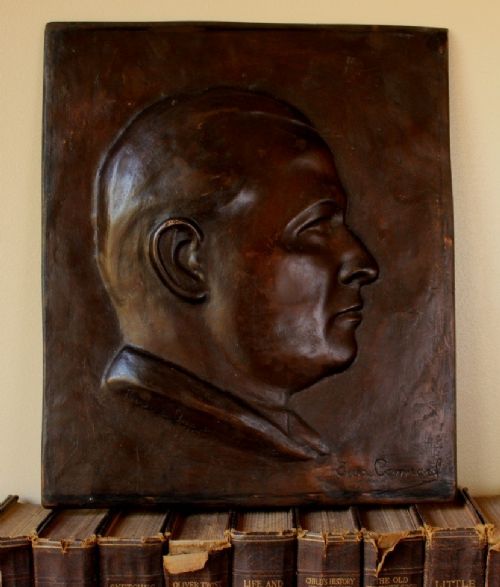
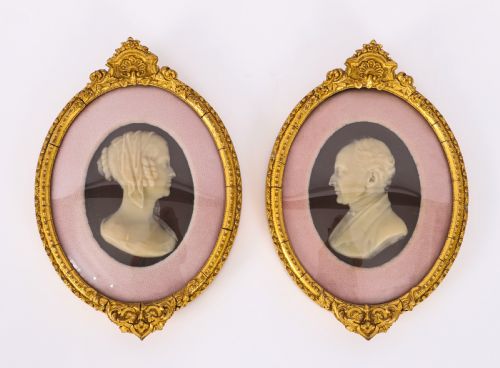
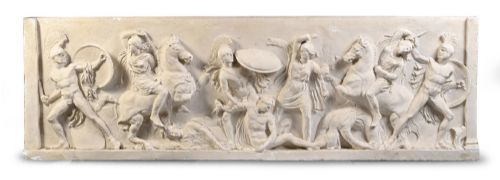
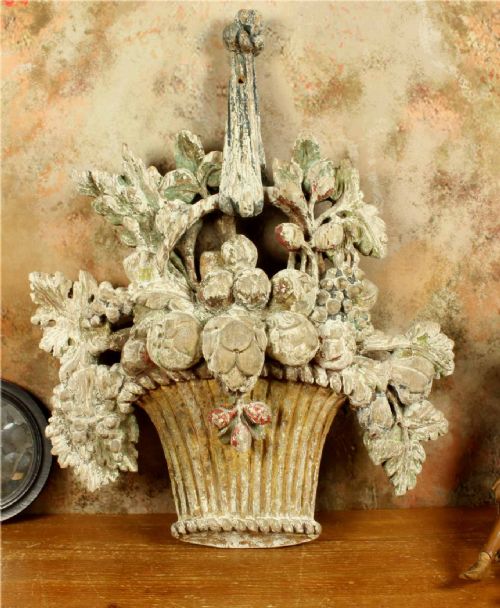
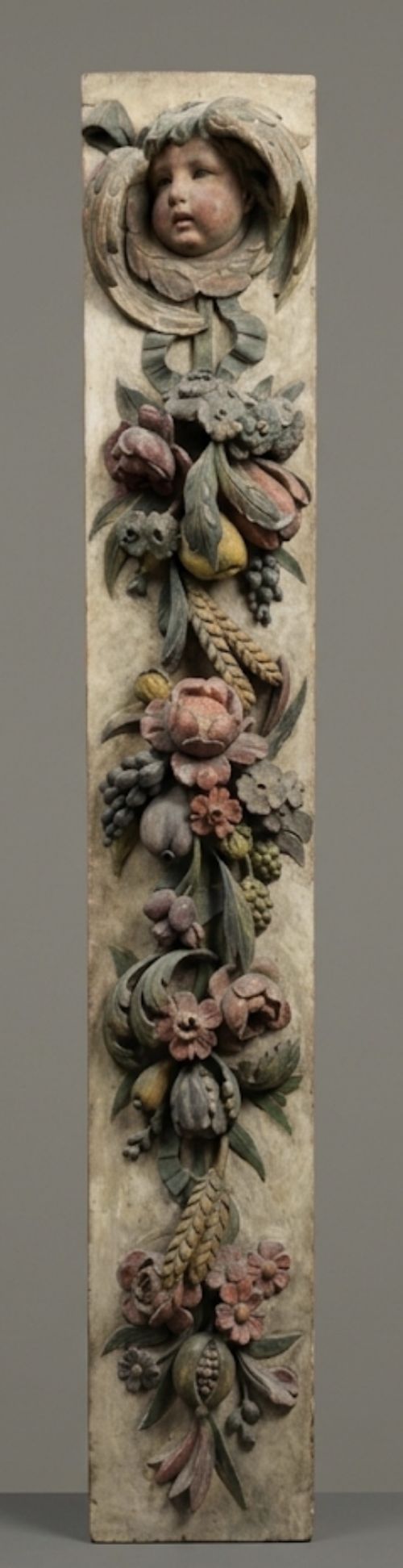
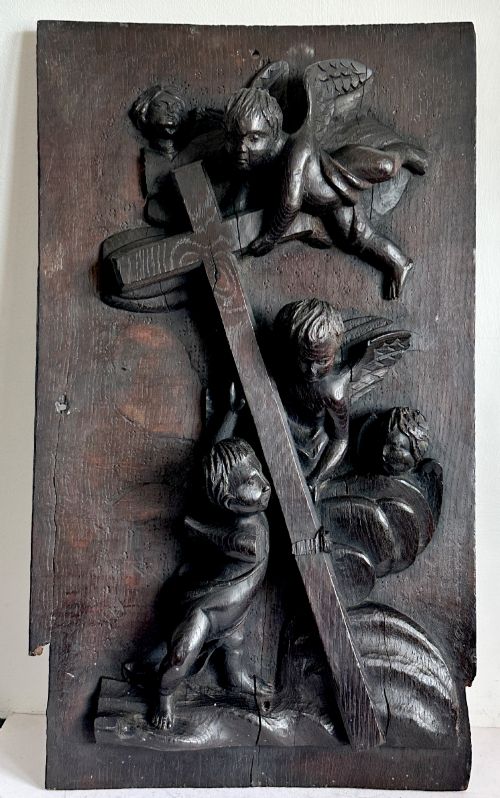
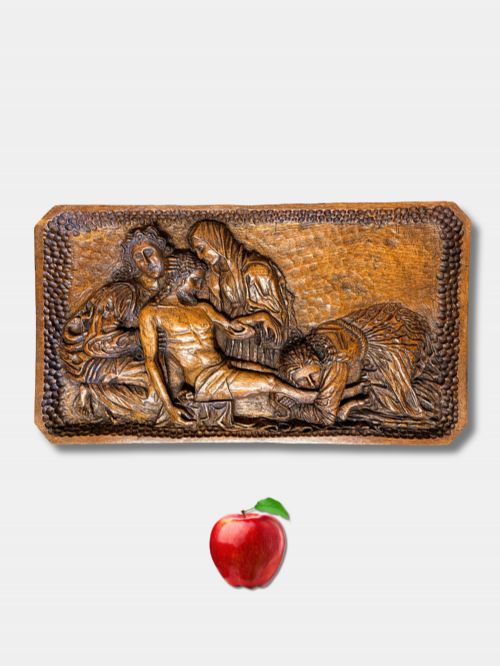
A relief wall sculpture brings three-dimensional form directly to a vertical surface, combining the qualities of painting and freestanding statuary. When you search for relief wall sculpture, you encounter antique wall plaques, carved panels, architectural salvage, and framed portrait reliefs.
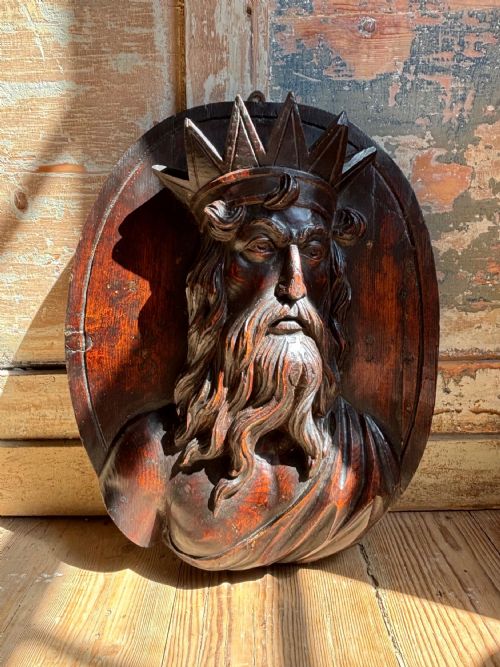
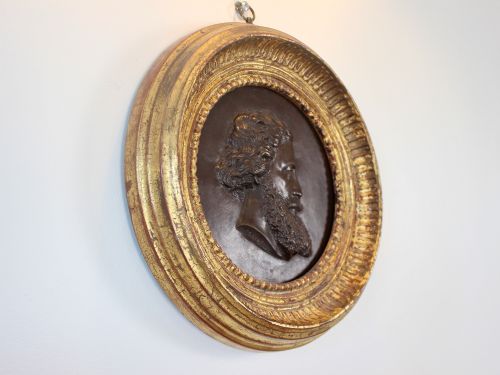
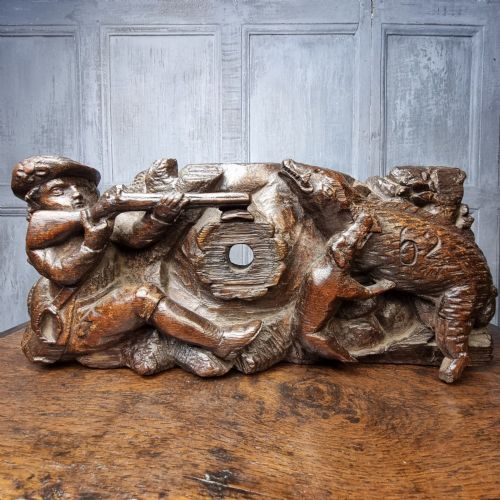
The pieces span from the 16th century through the Victorian era and early twentieth century, drawing on Neoclassical, Baroque, and Edwardian styles. Oak, carved wood, and bronze dominate the selection, often taking the shape of mythological figures, religious scenes, and classical portraits.
Materials and construction
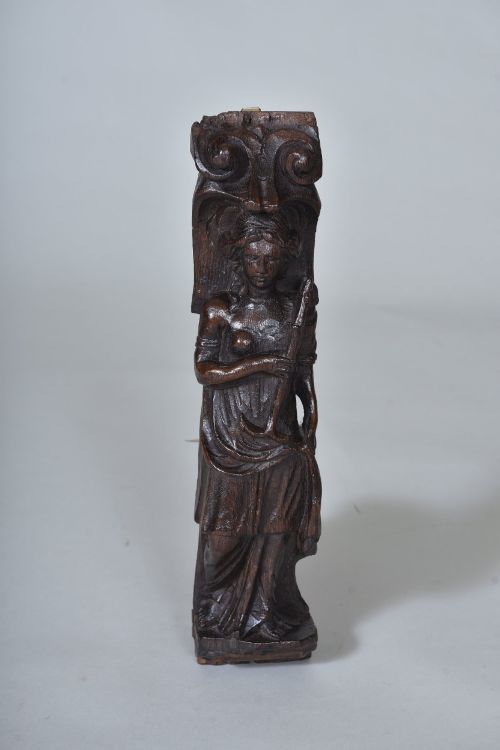
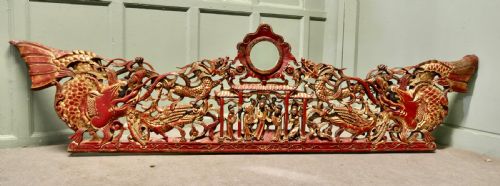
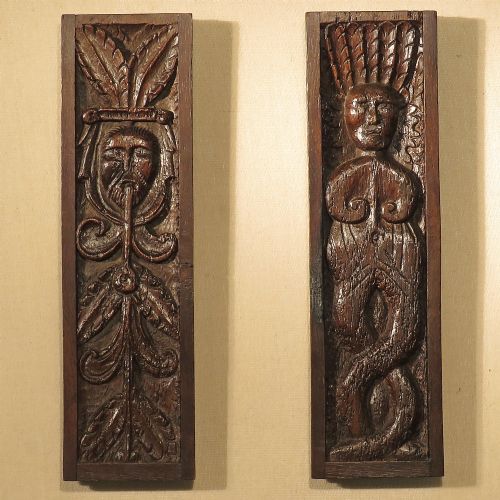
Makers shaped these pieces through meticulous carving in oak, chestnut, and fruitwoods, frequently applying gesso, paint, or parcel gilt to accent the surface details. Architectural salvage and panels often display deep undercutting that creates strong shadow lines across the wood grain.
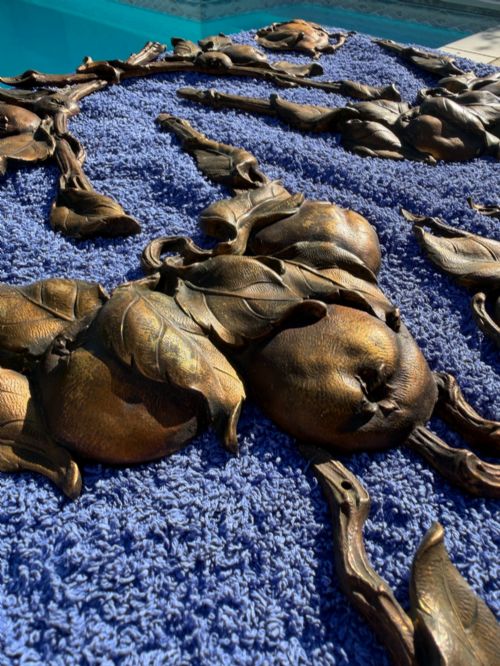
Metalworks utilise bronze, white metal, and gilded brass cast via traditional methods, then hand-finished with patination or ebonising. Other compositions involve cast plaster, marble dust, and leathermaché to achieve intricate relief details for interior placement.
Several pieces feature Green Men peering out from vintage timber, keeping watch over modern living rooms.
Judging the work
Quality rests in the crispness of the chisel work or the precision of the metal casting, where sharper undercut details reveal the hand of a skilled artisan. Depth of carving transforms a flat surface into a convincing spatial composition.
The integrity of the material and the survival of original polychrome, gilding, or patination dictate the standing of a piece. Finer works maintain their structural cohesion across centuries, preserving the intended expression of the sculptor.
Poix Blin·Alice Gates·Eugene Canneel·Mainfroy·Edward Pearce·Carlhian and Corbiere
The Relief Wall Sculpture Glossary
- Relief
- A sculptural technique where the sculpted elements remain attached to a solid background of the same material. High relief projects boldly from the background, whereas low relief maintains a flatter profile.
- Polychrome
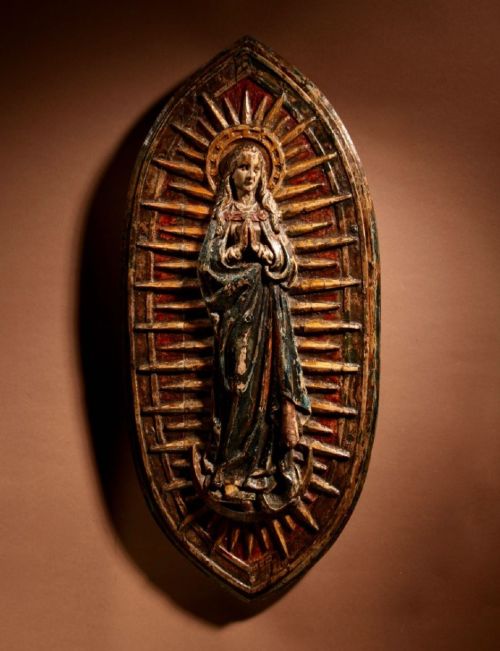
- The practice of decorating architectural elements, sculpture, or pottery in a variety of colours. Antique wood panels frequently show remnants of this painted finish beneath later layers of dust or wax.
- Pediment
- An architectural element consisting of a gable, traditionally placed above the portico of a building. In interior panels and salvage, these take decorative, carved forms designed for placement over doors or mantles.
- Gesso
- A plaster mixture consisting of a binder mixed with chalk, gypsum, or pigment. Artisans used this substance to prepare wood surfaces before applying gilding or paint.
- Gilt bronze
- Metal cast in bronze and treated with a layer of gold or gold amalgam. This technique protects the underlying metal while offering a bright, reflective finish.
Relief Wall Sculpture: Frequently Asked Questions
What is a relief wall sculpture?
A relief wall sculpture is a piece of art designed to be hung on a vertical surface where the carved or cast subject projects outward from a flat background. These works bridge the gap between two-dimensional painting and three-dimensional statues.
They appear in materials such as carved oak, cast bronze, marble dust, and wax, depicting everything from classical mythology to religious narratives and portraiture.
How were antique wooden panels used?
Antique wooden panels served as structural elements in larger architectural schemes, forming parts of altarpieces, overdoors, temple pediments, and wall wainscoting. Many originated as decorative elements within grand European homes and religious institutions.
Over time, collectors removed these panels to preserve their intricate wood carvings, converting them into standalone decorative wall art.
How do I hang a heavy bronze plaque?
Heavy bronze and carved oak plaques require secure wall anchoring into studs or solid masonry using rated fixings that match the weight of the metal or dense timber. Professional picture hangers or structural brackets distribute the load safely across the wall.
Ensuring proper support prevents strain on original wooden frames, old hanging loops, or brittle cast metal components.
How do I tell a bronze casting from a metal panel?
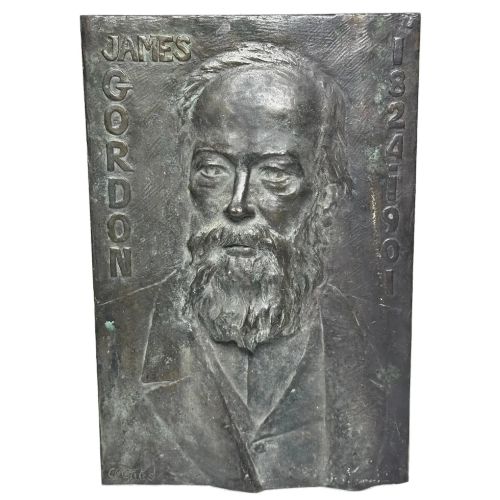
Bronze castings generally exhibit greater depth, heavier weight, and distinct patination developed through metal oxidisation over decades or centuries. They often feature artist signatures or foundry marks on the reverse or edge.
Metal panels made from white metal, copper, or gilded alloys tend to be thinner and may show different surface textures or backing plates from later framing methods.