




Relief Carved Wooden Box
A relief carved wooden box brings together utility and intricate sculptural work, ranging from small card cases to large camphor trunks.
Relief Carved Wooden Box
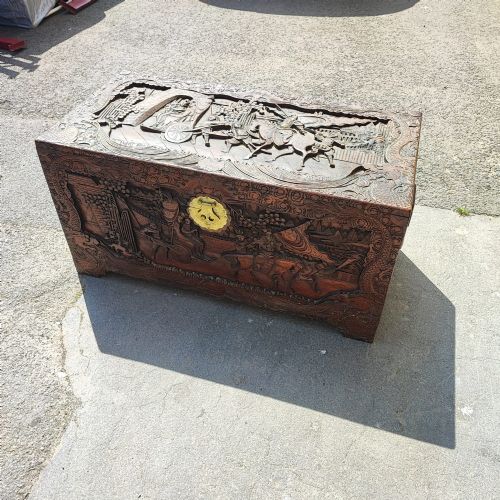
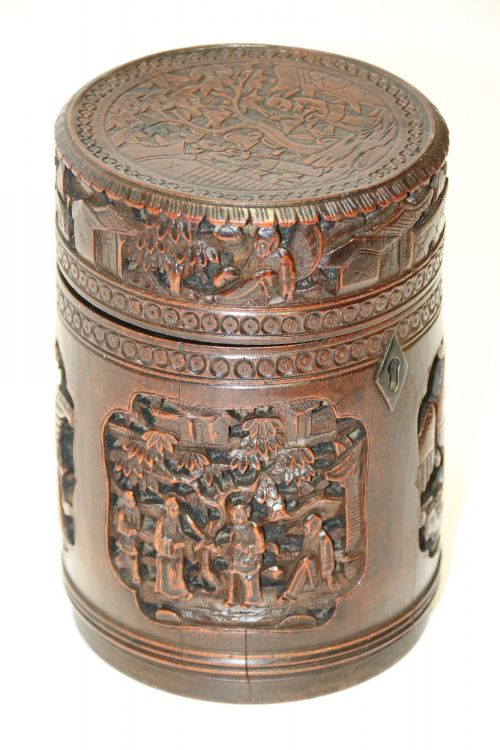
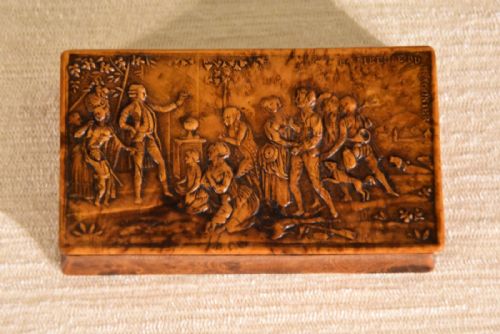
A relief carved wooden box functions primarily as a container for storage or personal items, spanning diverse forms such as tea caddies, snuff boxes, card cases, and large blanket chests. When exploring a relief carved wooden box on this page, the selection draws heavily from nineteenth-century pieces alongside eighteenth-century examples and early twentieth-century trunks.
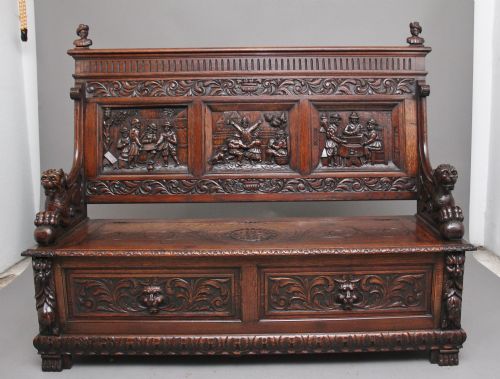
The regional origins of these pieces vary widely, encompassing Chinese export items, Anglo-Indian colonial pieces, Qajar Iran work, and European oak or walnut furniture. Buyers most frequently encounter Chinese camphor wood chests alongside smaller sandalwood or bamboo accessories and British oak storage vessels.
Materials and construction methods
Artisans utilised a variety of timbers suited to the intended function and decorative depth, employing durable woods like camphor, teak, oak, walnut, maple, sandalwood, and bamboo. Hardwoods allowed craftspeople to execute deep, intricate sculptural details without losing structural integrity along the edges.
Techniques range from hand-carved pictorial scenes depicting figures in gardens to pressed maple work and applied brass hardware. Joinery methods support the heavier trunks and coffers, while smaller boxes rely on precise edge-mitres and fitted lids.
The listings here encompass camphor wood, sandalwood, teak, bamboo, oak, and walnut across nineteenth-century and early twentieth-century origins.
Distinctions in craftsmanship
The depth and definition of the carving separate standard workshop output from finer sculptural examples, particularly where figures and foliage retain crisp edges. Pieces showing deep undercut work require greater time and skill from the carver.
Material selection and surface condition heavily influence desirability, with dense camphor, figured burr walnut, and pressed maple retaining distinct tactile qualities. A rich natural patina on the timber indicates careful handling and preservation over generations.
The Relief Carved Wooden Box Glossary
- Camphor wood
- A fragrant timber native to Asia, frequently utilised for large storage chests and trunks due to its insect-repellent properties.
- Tea caddy
- A small container originally designed for storing loose tea leaves securely within the home.
- Card case
- A pocket-sized container fashioned from materials like sandalwood or tortoise-shell, used historically for holding calling cards.
- Relief carving
- A sculptural technique where figures and motifs project from a flat background surface rather than standing entirely free.
- Patina
- The surface sheen and colour developed on wood over decades of handling, exposure, and waxing.
Relief Carved Wooden Box: Frequently Asked Questions
What were camphor chests used for?
Large camphor chests provided secure storage for garments, textiles, and valuable documents, particularly during maritime transport and colonial trade.
The natural aromatic qualities of the wood helped deter moths and other pests from damaging delicate fabrics kept inside over long periods.
How do I care for an antique wooden box?
Keep wooden boxes away from direct sunlight and sudden temperature shifts to prevent the timber from drying out or splitting.
Apply a traditional beeswax polish occasionally to nourish the grain and maintain the protective surface sheen.
Where were Chinese export card cases made?
Cantonese workshops produced intricate sandalwood and ivory card cases specifically for Western export markets during the nineteenth century.
Carvers depicted elaborate garden scenes packed with tiny figures, pavilions, and trees to appeal to European tastes.
How do I identify eighteenth-century oak boxes?
Earlier pieces often display sturdy oak construction joined with pegs, frequently decorated with geometric panels or Biblical scenes.
The weight of the timber and the hand-finished tool marks help distinguish eighteenth-century production from later revivals.