


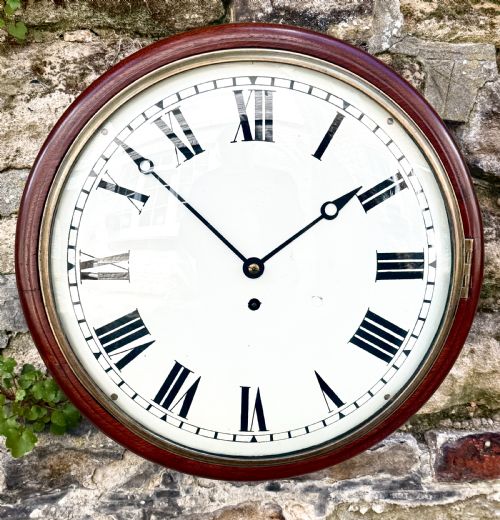
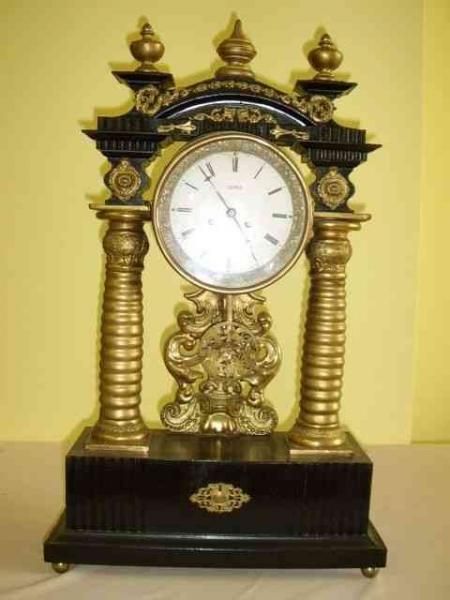
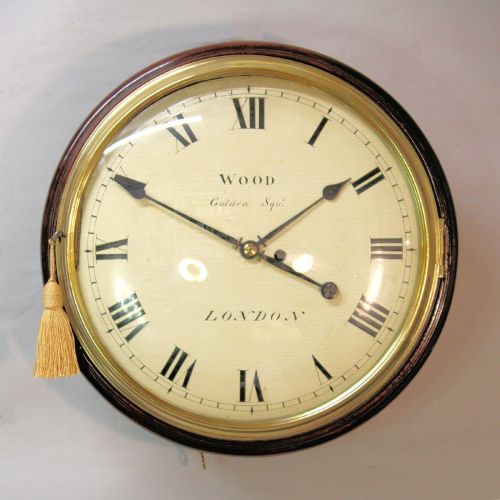
Regency Wooden Clock
These pieces of regency wooden clock engineering combine timekeeping with cabinetmaking, bringing architectural presence and rich timber grains into a room.
Regency Wooden Clock
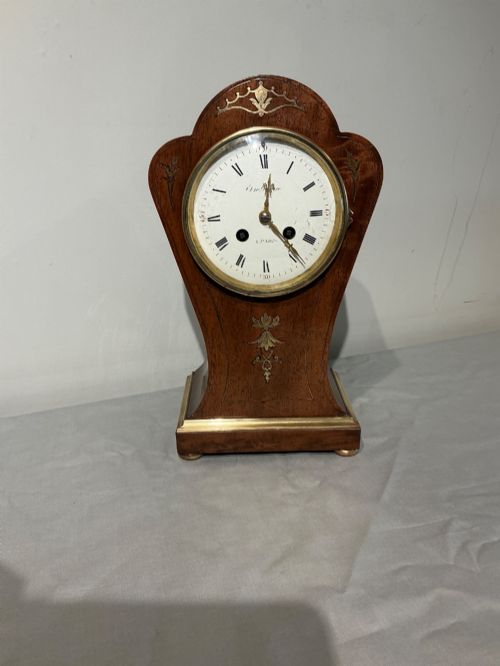
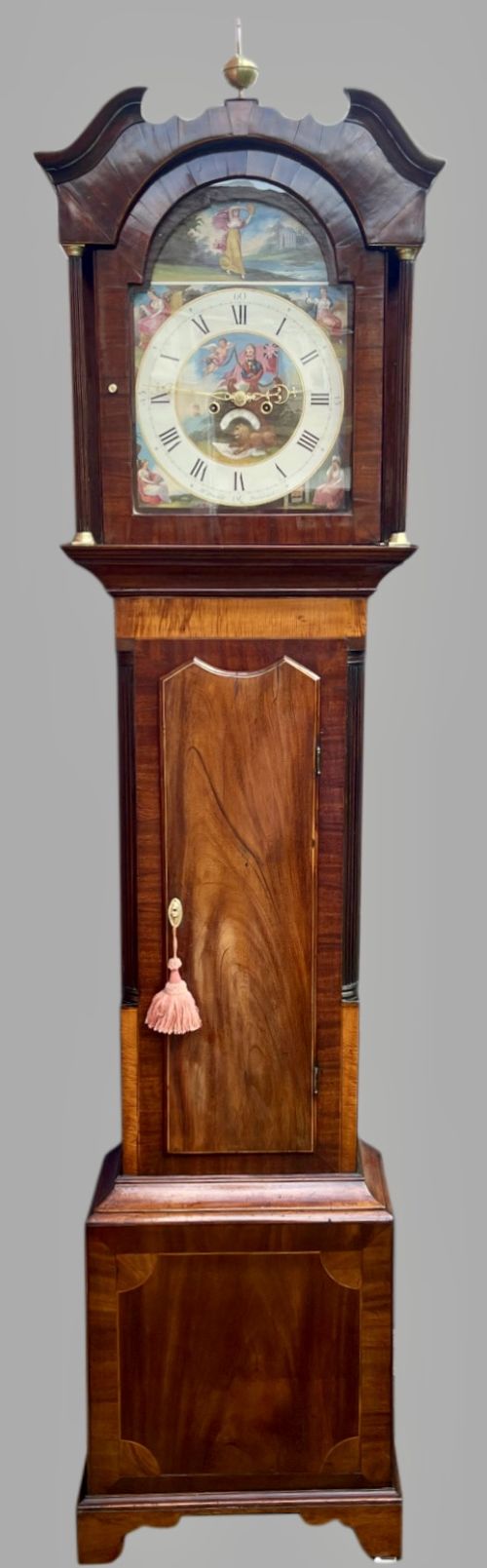
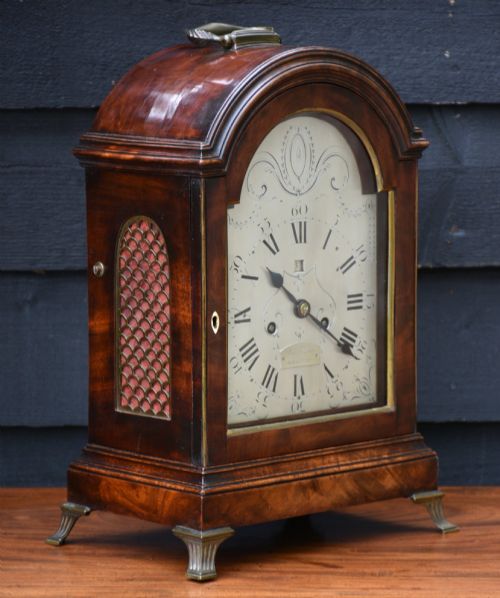
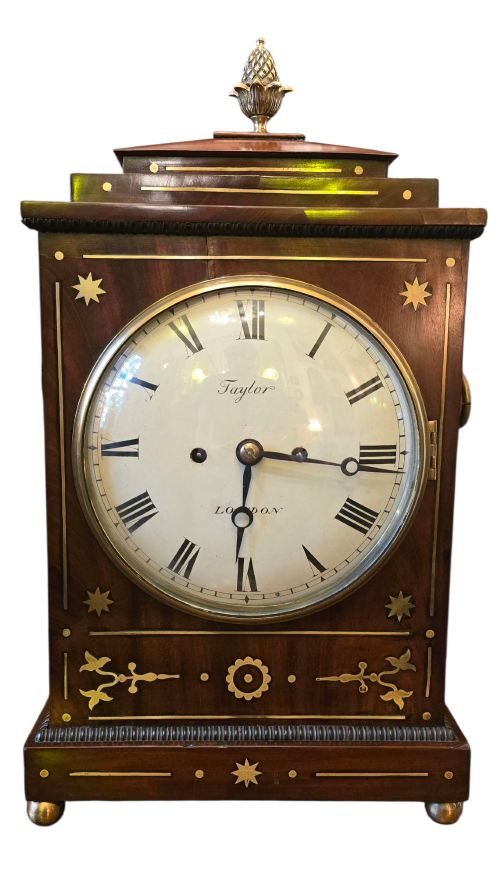
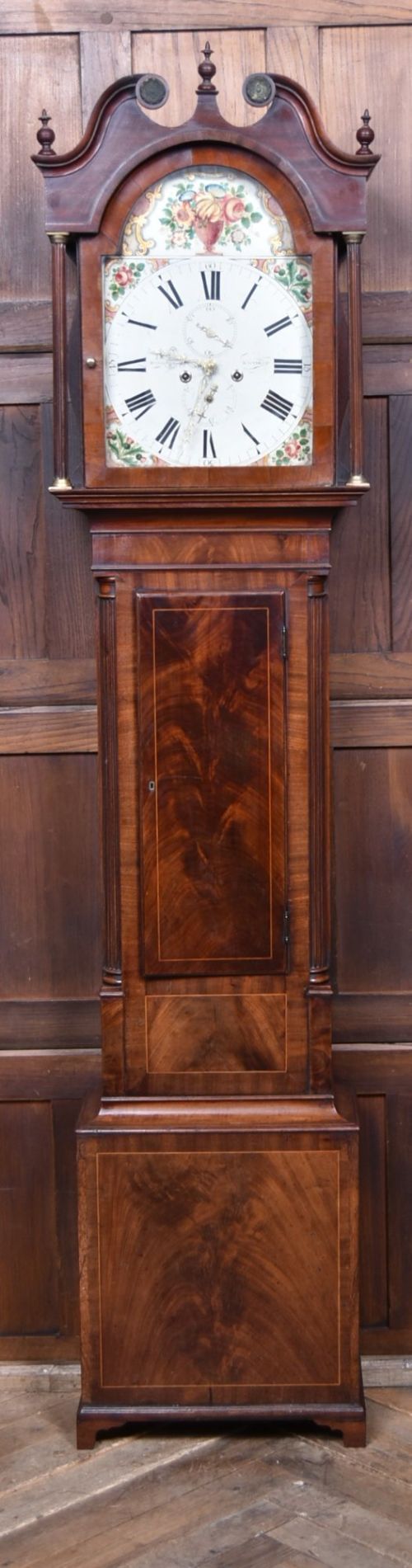
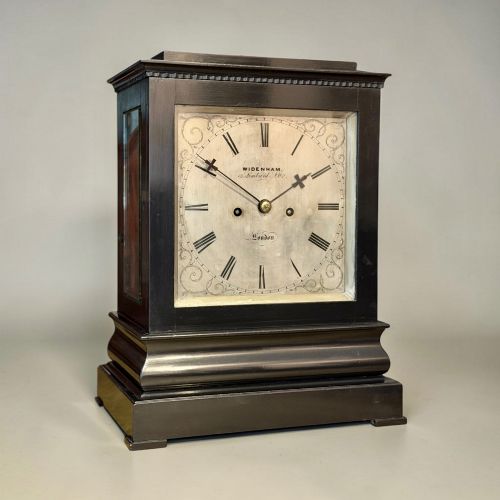
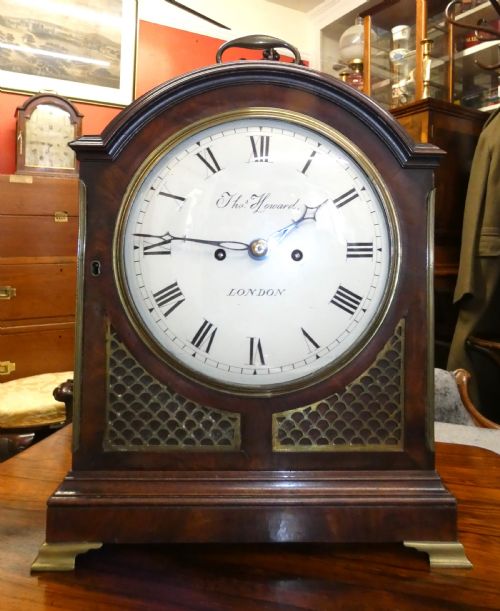
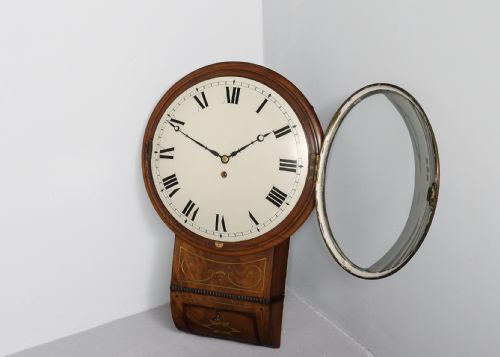
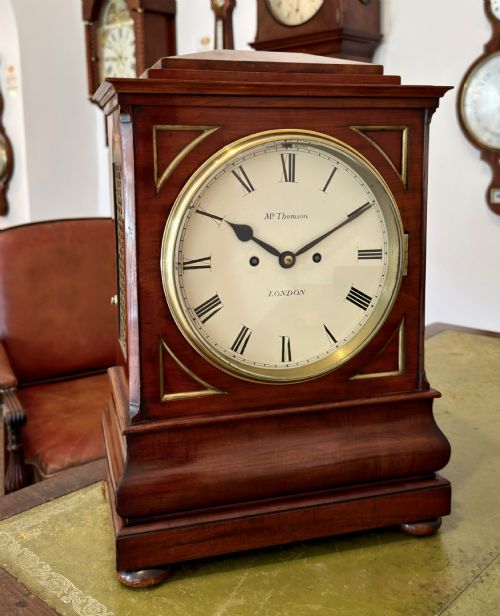
A regency wooden clock search covers a range of formats from tall floor-standing longcase clocks to compact mantel, table and bracket designs, alongside wall dials. The examples found here lean heavily towards mahogany bracket clocks and wall-mounted fusee dials.
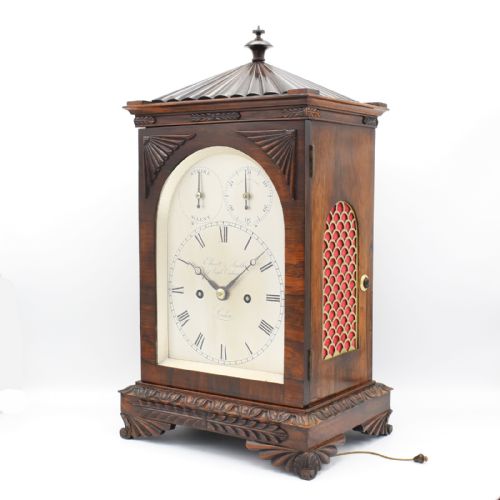
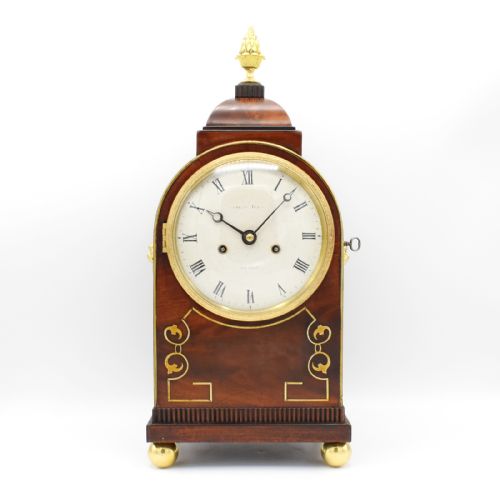
Most items date from the nineteenth century, including the Regency and Georgian eras, with provincial makers sitting alongside London watch and clockmakers. Cases range from simple lancet and balloon silhouettes to architectural portico and pad top forms.
Materials and Movements
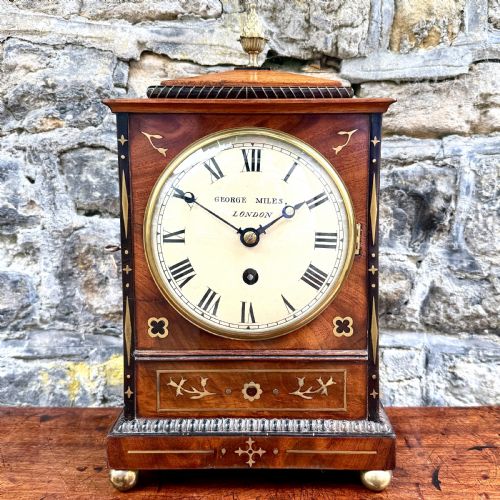
Cabinetmakers used dense hardwoods such as mahogany, rosewood and pollard oak, often accented with brass inlay, ebony stringing and silvered metal dials. Movements rely primarily on fusee mechanisms to maintain even power delivery as the mainspring unwinds.
Dials employ painted iron, enamel or turned wood, protected by glass bezels set into sturdy wooden carcases.
Regency Wooden Clock Retail Price Guide 2026
Typical asking prices for regency wooden clock among the pieces listed under this phrase on Sellingantiques today, from the lower quarter to the upper quarter. They describe what is for sale here now, not the wider market.
One exceptional longcase mechanism incorporates a rocking seesaw automation.
Craftsmanship and Proportion
Superior pieces display careful timber selection, such as matched flame mahogany veneers, alongside crisp brass inlay and well-proportioned case mouldings. Movement quality shows in the fineness of the wheel-cutting, engraving on backplates and the integration of striking or repeating complications.
Provincial and London makers alike varied in their execution, with the finest examples maintaining original surfaces and signed dial work that matches the movement signatures.
Hendrie Ogg·Thomson of London·Widenham of London·Tait·Charles Pratt·Ellicott and Smith·Thomas Jackson·Bush of London·L Vick·Thomas Moss·S Simpson·Cording of London·Des Granges·Wilkinson·J Kingerley·Hyde of Salisbury·Hampson and Son·Garman·J Condliff·Kleyser of London·Pennington
The Regency Wooden Clock Glossary
- Fusee
- A conical pulley used with a cord or chain to equalise the torque of the mainspring as it runs down. This ensures consistent timekeeping across the duration of the winding cycle.
- Bracket clock
- A portable timekeeper originally designed to sit on a wall bracket or table. These spring-driven clocks often feature striking or musical complications.
- Drop-dial clock
- A wall clock featuring a circular dial face above an extended wooden trunk or box enclosing the pendulum. They were widely used in public spaces and domestic halls.
- Lancet top
- A clock case silhouette featuring a pointed, arched top resembling a lancet window. This architectural form appears frequently in nineteenth-century mantel timepieces.
Regency Wooden Clock: Frequently Asked Questions
What is a fusee clock?
A fusee clock uses a conical pulley connected to the mainspring by a chain or cord. This mechanism compensates for the decreasing power of the spring as it unwinds.
Such systems ensure steady force reaches the escapement, leading to more accurate timekeeping across the winding period.
Where were these clocks placed?
Bracket clocks sat on shelves, mantelpieces or dedicated wall brackets in principal rooms. Longcase clocks stood in hallways or landings where their tall wooden trunks fitted the architecture.
Wall dials hung in kitchens, offices and public spaces for clear legibility from a distance.
How do I date a wooden clock?
Dating relies on stylistic clues in the woodwork, such as veneer choices, brass inlay patterns and dial materials. Cabinet styles evolved from Georgian architectural proportions to Regency curves and Victorian flourishes.
Signatures on the dial or movement backplate often provide a maker and working period.