


Regency Wine Bottle Coasters
Regency wine bottle coasters are handsome table accessories designed to protect dining surfaces, bringing period elegance and practical utility to the table.
Regency Wine Bottle Coasters
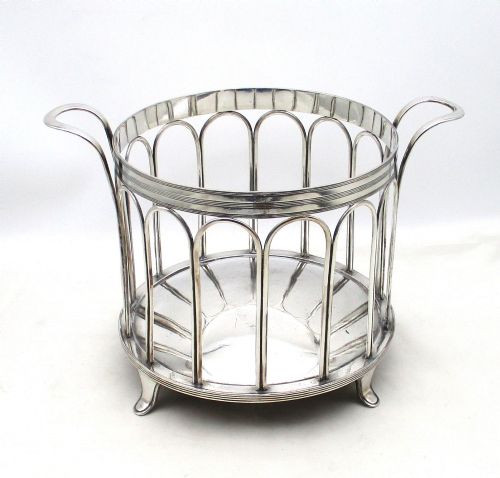
The forms vary from deep metal galleries to turned wooden bowls and lightweight papier-mâché trays. The wooden and papier-mâché versions often feature inserts or bases that protect the table from moisture. These items served a practical purpose in the nineteenth-century dining room, allowing bottles to circulate smoothly around the mahogany table.
Materials and Construction
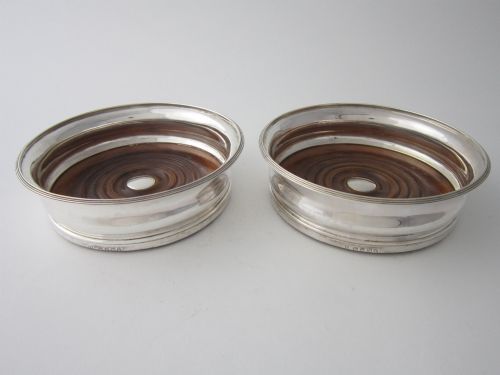
Makers utilised silver and silver plate, often referred to as Old Sheffield Plate, to create durable metallic coasters with decorative borders. These metal pieces employ fused silver over copper bases, sometimes showing the copper line at the edge. Turned mahogany and rosewood form the wooden varieties, frequently paired with green baize on the underside.
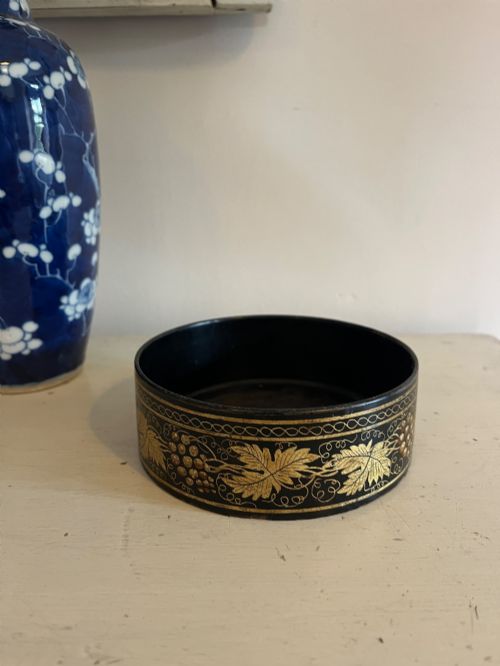
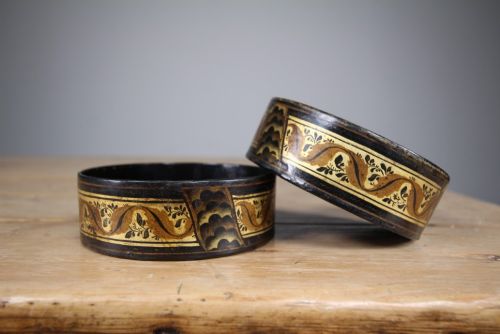
Papier-mâché provides a lighter alternative, moulded and finished with dark lacquer and gilded decoration. Wood turners shaped heavy mahogany bases, occasionally incorporating carved details or armorial bearings. Each material demanded distinct artisan skills, from the silversmith's hammer to the lacquer artist's brush.
Some oversized wooden coasters were specifically built to accommodate bulky ships decanters that might otherwise roll across a pitching dining table at sea.
Distinctions in Quality
The standard of metalwork and the crispness of the chasing separate fine silver and plated examples from simpler production. Superior Old Sheffield Plate maintains its silver layer intact across high relief borders and mounts. Maker marks and armorial engravings add distinction to the piece.
In wooden and papier-mâché versions, the integrity of the turnery and the preservation of the original lacquer dictate the overall standard. Pieces with intact baize bases and original gilded details demonstrate better survival over time. Substantial weight in the turned wooden bases indicates higher quality materials.
Matthew Boulton·James Mein of Kelso·John and Thomas Settle
The Regency Wine Bottle Coasters Glossary
- Old Sheffield Plate
- A composite material made by fusing a thin sheet of silver to a thicker copper base. This technique was widely used before electroplating was invented.
- Papier-mâché
- A composite material made of paper pulp or sheets of paper mixed with glue and resin, pressed and dried to form a hard substance suitable for lacquer.
- Baize
- A coarse woollen material resembling felt, glued to the underside of coasters to protect polished dining tables from scratches.
- Chasing
- A metalsmithing technique where designs are hammered into the front surface of metal rather than engraved by cutting away material.
Regency Wine Bottle Coasters: Frequently Asked Questions
What were regency wine bottle coasters used for?
These coasters held wine bottles and decanters securely during formal dinners. They allowed diners to slide bottles easily along the mahogany surface without lifting them.
The raised sides also prevented condensation and drips from reaching the polished dining table. They remained a staple of nineteenth-century dining room etiquette.
How do I clean silver plated coasters?
Clean silver plate gently using a soft cloth and a mild silver cleaner formulated for antique metal. Avoid harsh abrasives that can wear through the thin silver layer of Old Sheffield Plate.
Store them in a dry environment to prevent tarnishing and moisture damage to any underlying wooden or baize components.
Are papier-mâché coasters durable?
Papier-mâché is surprisingly resilient when kept away from excessive moisture and heat. The lacquer finish protects the compressed paper core from everyday handling.
Care should be taken to avoid submerging them in water or placing wet bottles directly on unsealed surfaces.
How do I tell Regency from Georgian pieces?
The Regency style forms a subset of the broader Georgian period, spanning the early nineteenth century. Stylistic markers include heavier classical motifs and specific silver hallmarks.
Comparative study of maker marks and construction methods helps clarify the exact decade of manufacture.