
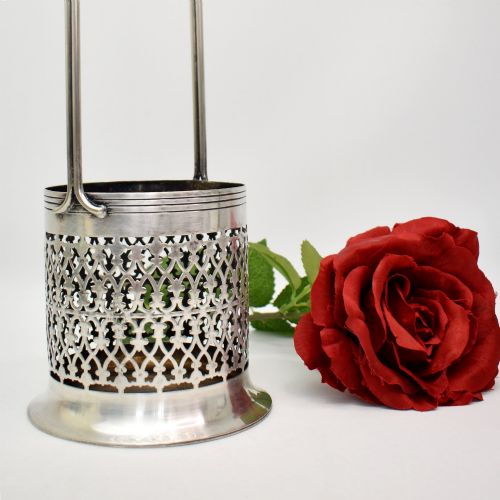


Silver Plated Wine Coasters
Silver plated wine coasters protect the dining table while holding bottles in style, spanning periods from Georgian origins to Edwardian refinement.
What silver plated wine coasters are
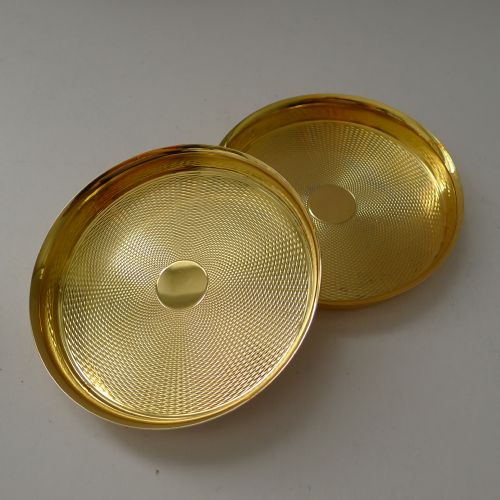
Silver plated wine coasters protect polished table surfaces from condensation and drips while moving bottles around the dining room. These table accessories appear frequently as pairs and sometimes as larger sets suited to hosting guests.
The selections span distinct historical eras, including Georgian, Regency, Victorian, and Edwardian periods. Makers produced these items to hold standard wine bottles, champagne bottles, and decanters securely during meals.
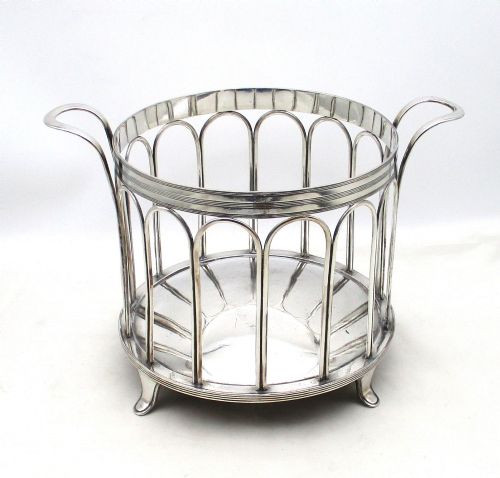
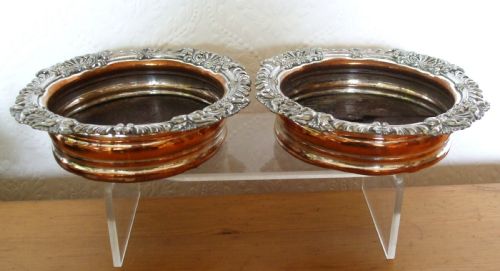
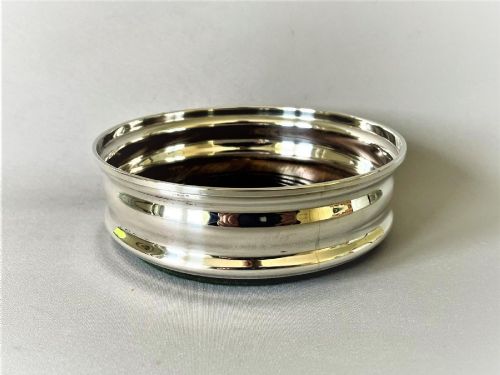
Common forms involve low circular galleries raised on turned bases made of wood or mahogany. Certain examples incorporate handles, lion's head garlands, or pierced metalwork displaying grape and vine motifs.
What varies in quality
The distinction between standard items and superior examples rests on the depth of the metalwork and the crispness of chased or pierced details. Heavy gauge Old Sheffield plate displays greater durability and substance than later electroplated wares.
Refinement in the turned wooden bases and the quality of interior felt linings indicate higher workshop standards. Pieces bearing clear marks from notable makers show superior finishing in the mounts and gallery joints.
Retail Price Guide 2026
Typical UK retail prices for silver plated wine coasters, calculated from the Sellingantiques database of over a million retail prices indexed since 2003. This retail price guide relies exclusively on Sellingantiques data; no external sources or auction records are used, so the figures do not describe the wider market.
Lion's head garlands watch guard over the wine.
Mappin and Webb·Hawksworth Eyre and Co·Elkington and Mason·Elkington and Co·Henry Waterhouse·Garrard and Co·Christofle France
The Silver Plated Wine Coasters Glossary
- Old Sheffield Plate
- A fused metal technique involving a sheet of silver melted onto a thicker copper base before rolling. This early method creates a distinct edge where the base metal shows.
- Decanter Coaster
- An alternative term for a bottle holder sized specifically to fit the broader base of a decanter rather than a standard wine bottle.
- Gallery
- The raised circular wall of the coaster, frequently decorated with piercing, bead wire edges, or cast motifs such as grapes and vines.
- Silver Plate
- A later manufacturing process where a thin layer of pure silver is electroplated onto a base metal substrate.
Frequently Asked Questions
What were wine coasters used for?
They held wine bottles and decanters on the dining table, allowing guests to slide them smoothly along the mahogany surface between servings.
This practice prevented moisture rings and wine drips from staining expensive polished dining furniture during long dinner parties.
How do I clean silver plated coasters?
Use a soft cloth with a mild silver polish specifically formulated for plated items to maintain the shine without wearing through the thin surface layer.
Avoid immersing wooden bases in water during cleaning to protect the timber and keep the internal felt lining intact.
How do I tell Old Sheffield plate from later silver plate?
Old Sheffield plate often reveals a faint line of copper along the cut edges where the fused metals meet during the manufacturing process.
Electroplated pieces from the Victorian era onward display a uniform silver surface without the visible copper seam characteristic of the earlier fusing technique.
Can these coasters hold modern wine bottles?
Most standard nineteenth-century and Edwardian coasters accommodate traditional wine bottle diameters comfortably alongside modern straight-sided bottles.
Larger champagne bottles or wider Burgundy styles may require specific wider coasters or designated champagne holders from the collection.