
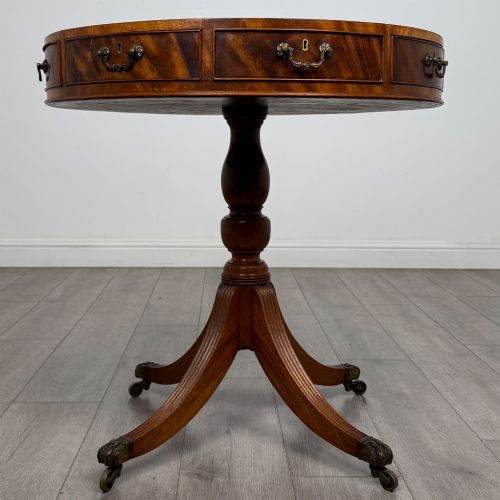
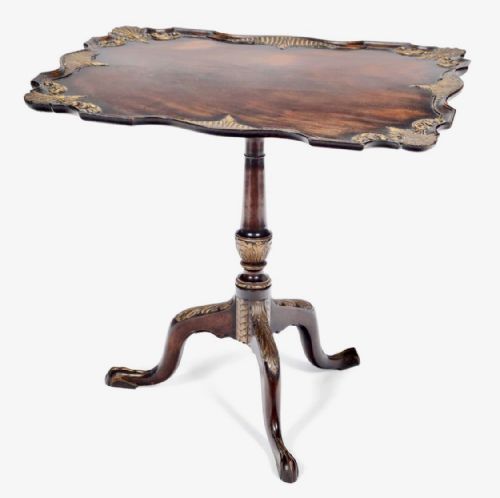

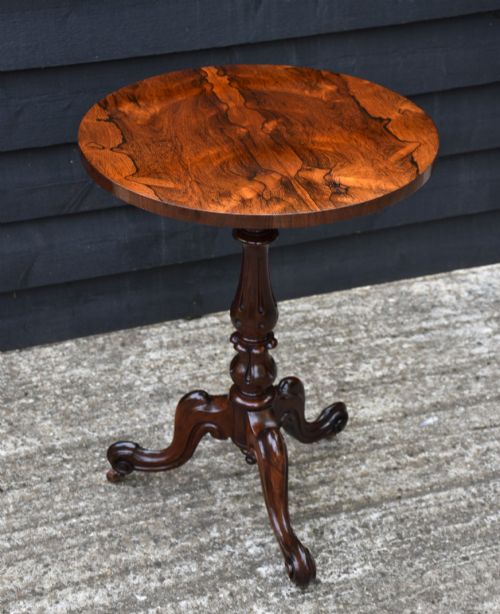
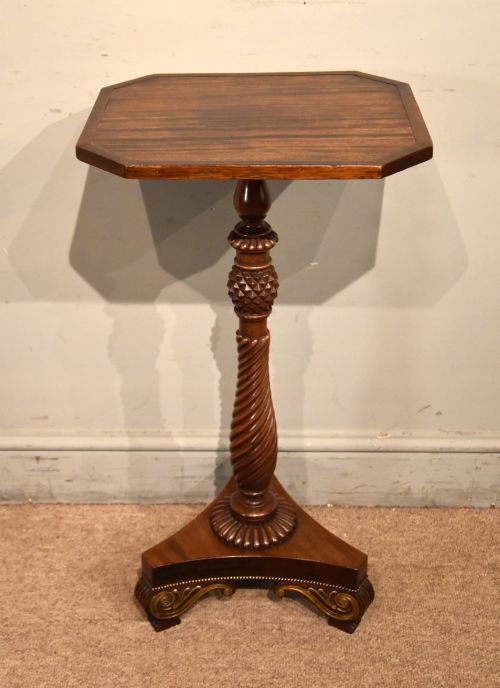
Regency Tripod Side Table
These regency tripod side table pieces are compact occasional surfaces from the early nineteenth century that bring elegance and practical display space to any room.
What They Are
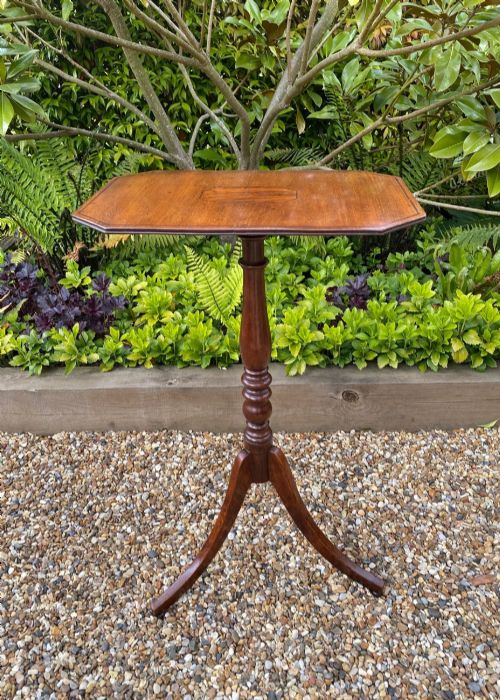
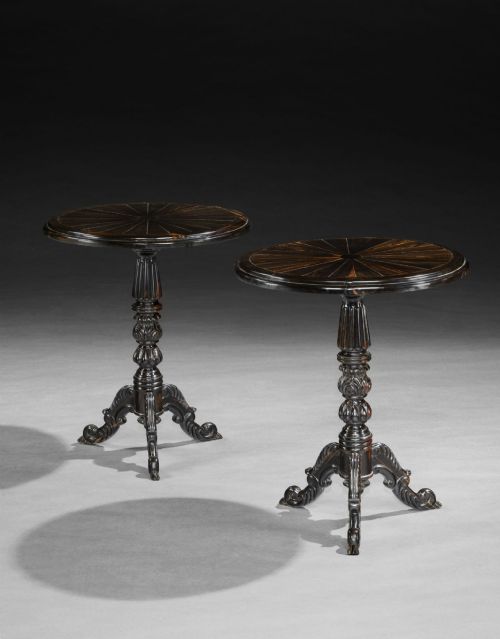
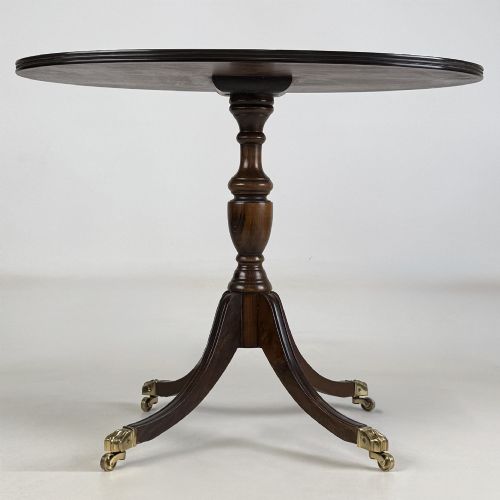
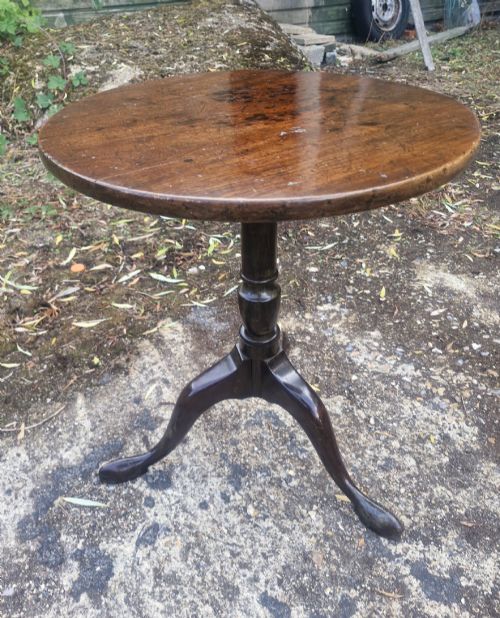
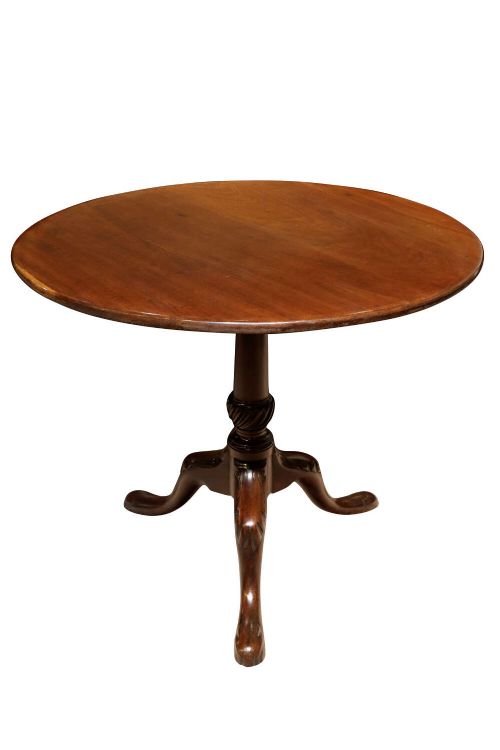
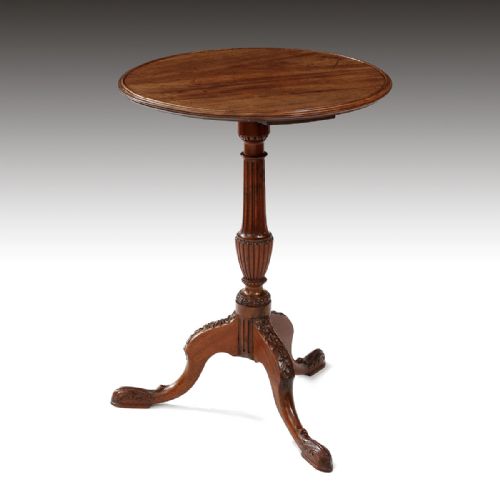
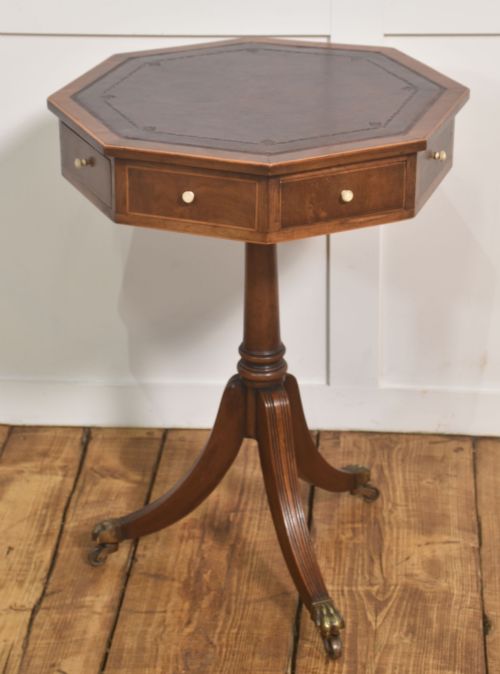
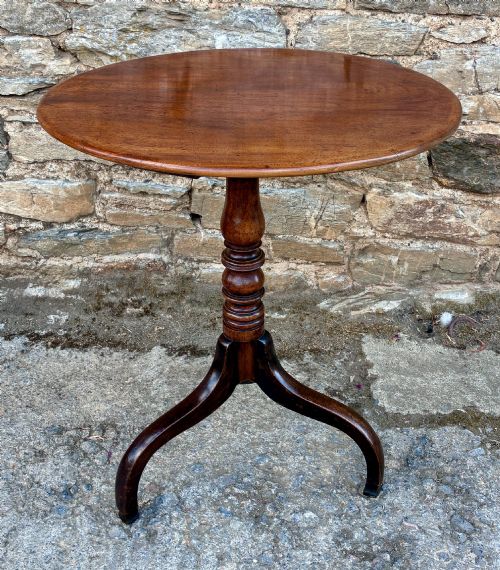
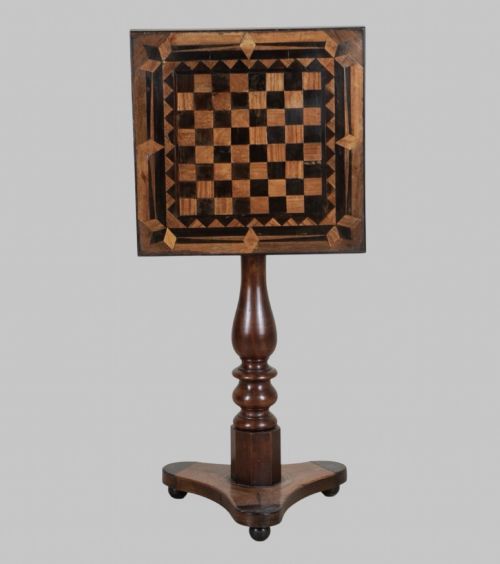
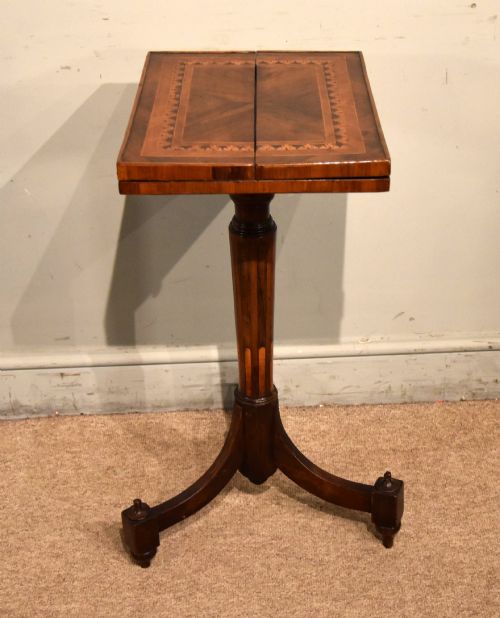
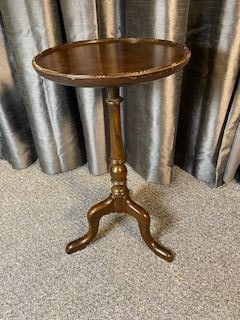
When you search for a regency tripod side table, you encounter small nineteenth century occasional surfaces raised on three-legged supports. The forms vary from circular wine tables and tilt-top designs to octagonal shapes, oval lamp tables, two-tier pieces, and ladies worktables.
Most examples originate from the Regency and Georgian periods, specifically spanning the early decades of the nineteenth century around 1800 to 1830. These pieces function as versatile furniture items suited for holding lamps, drinks, or displaying decorative objects in domestic spaces.
You are most likely to meet mahogany versions on this page, occasionally complemented by oak or enhanced with inlaid decorative details. The selection ranges from plain circular tops to tilt-top mechanisms and multi-tiered constructions attributed to notable workshops.
How They Were Made
Cabinetmakers constructed these tables predominantly using mahogany, flame mahogany, and occasionally oak, selecting timber for its rich grain and warmth. Brass fittings appear on certain examples, adding functional and decorative contrast to the timber frames.
Joinery techniques included tilt-top mechanisms allowing the top to pivot upright when not in use, alongside pillar and tripod leg configurations. Inlaid decoration embellished the surfaces of specific octagonal and oval variants to create visual depth.
Retail Price Guide 2026
Typical UK retail prices for regency tripod side table, calculated from the Sellingantiques database of over a million retail prices indexed since 2003. This retail price guide relies exclusively on Sellingantiques data; no external sources or auction records are used, so the figures do not describe the wider market.
Some tilt-top tables were cleverly folded away against the wall to reclaim valuable floor space after the port had finished.
What Varies in Quality
The distinction between standard examples and superior pieces rests on the choice of timber figure, such as richly marked flame mahogany, and the refinement of the turned pedestal. Attribution to documented makers like Gillow elevates the standing of a piece through known craftsmanship and proportion.
The execution of mechanical elements, such as smooth tilt-top hinges and stable tripod bases with well-proportioned legs, determines the structural integrity and daily usability of the table.
Gillow
The Regency Tripod Side Table Glossary
- Tripod table
- A small freestanding table supported by a central pillar resting on three legs. This design provides stable footing on uneven historical floorboards.
- Tilt-top
- A hinged table top that pivots into a vertical position. This feature allowed tables to be stored flat against a wall when not in active use.
- Flame mahogany
- Mahogany timber cut to reveal a distinctive undulating, flame-like grain pattern. Cabinetmakers reserved this prized veneer for the most prominent surfaces.
- Wine table
- A small occasional table designed to hold glassware and decanters during evening gatherings. These pieces often feature circular or octagonal tops.
- Occasional table
- A general term for a small, moveable table used for specific, temporary purposes around a room. They include lamp stands, display surfaces, and work tables.
Frequently Asked Questions
What were regency tripod side tables used for?
These tables served flexible domestic purposes in nineteenth century interiors, frequently holding wine glasses, lamps, or serving as display surfaces.
Their compact size allowed servants or residents to move them easily around the room depending on the immediate requirements of evening entertaining.
Where should I place this table today?
These pieces fit naturally beside armchairs as lamp stands or serve as small accent surfaces in hallways and corners. Their slender tripod footprints require minimal floor space.
Avoid placing them in areas with extreme temperature fluctuations to protect the historical timber and polished finish.
How do I date a nineteenth century table?
Dating relies on examining the timber species, construction methods, leg profiles, and any incorporated inlay work. Pieces from the Regency period often display refined classical turning on the central pillar.
Comparative study of documented workshop attributions and stylistic shifts from Georgian to William IV designs helps narrow the decade.