


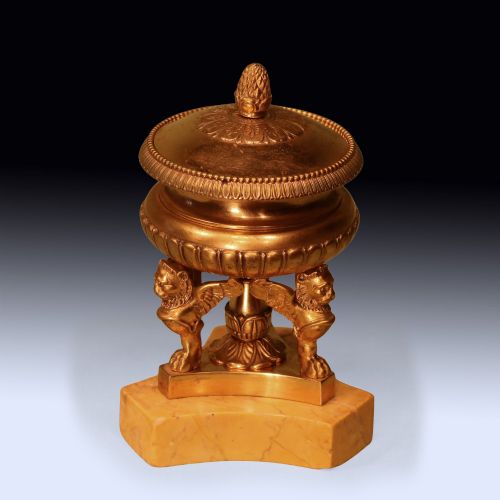


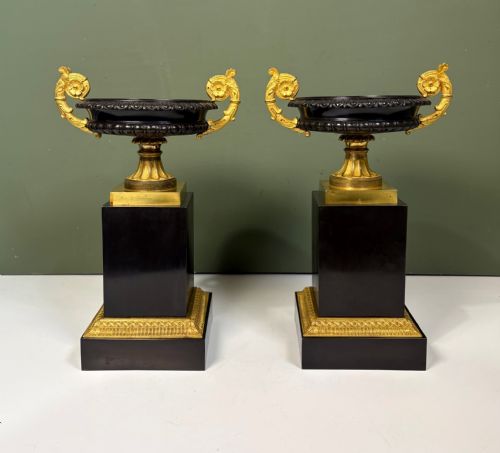
Regency Style Urn
Regency style urn designs bring classical symmetry and neoclassical form into interiors through decorative vessels, lamps, and cisterns.
Regency Style Urn
A regency style urn search brings up ornamental vessels, table lamps, and larger wine cisterns that draw directly upon classical antiquity. These pieces appear primarily in nineteenth-century contexts, including Regency, William IV, and Victorian periods.
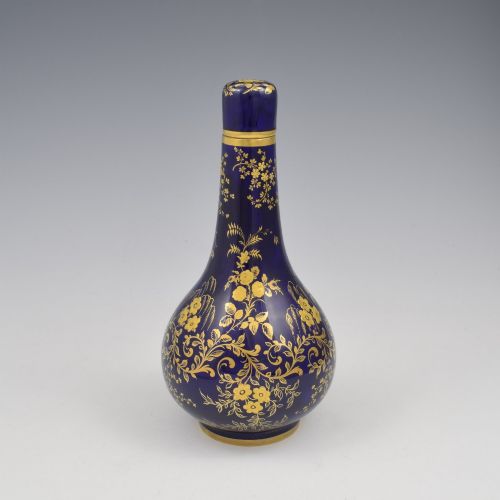
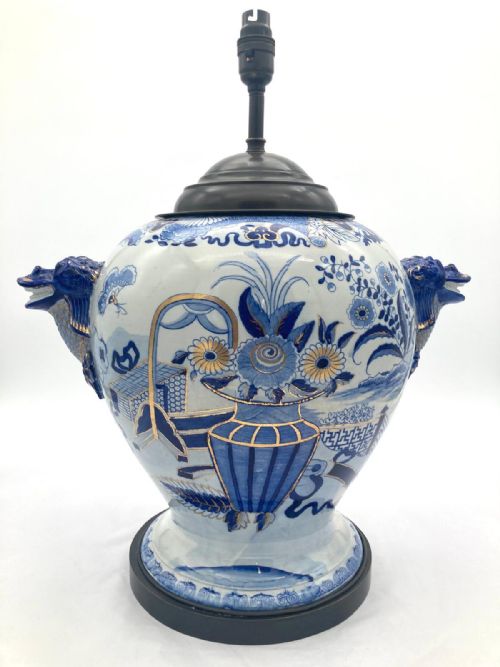
Forms range from campana-shaped plaster urns and porcelain vases to metal samovars and gilt-mounted decorative objects. Many items reflect neoclassical, Empire, and Chinoiserie design influences interpreted across various decades.
Materials and Construction
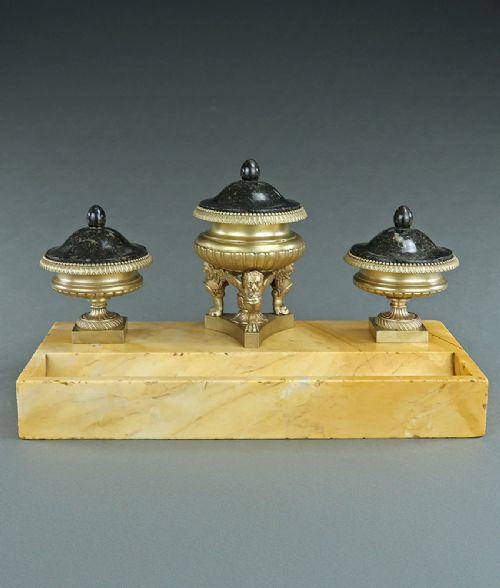
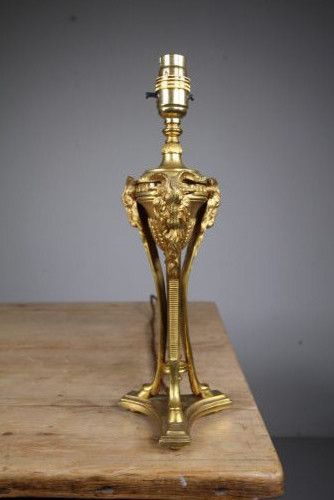
Maker construction relies heavily on metals such as bronze, ormolu, brass, copper, and silver, alongside carved woods like mahogany, pine, and giltwood. Stone elements like Sienna marble, alabaster, and porphyry frequently form heavy bases or structural bodies.
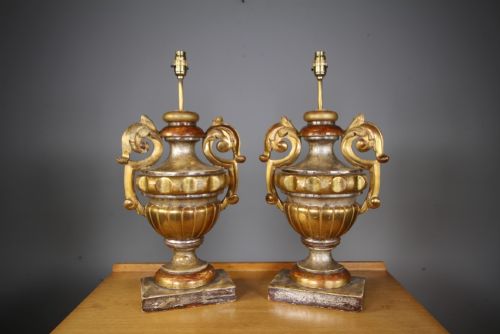
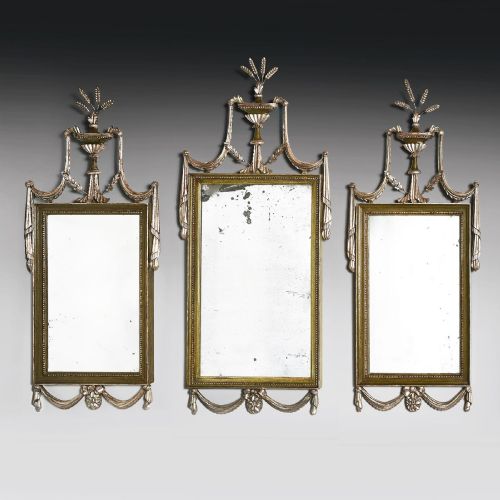
Surface finishes include gold leaf, gesso, black and gold lacquer, and painted or japanned treatments. Many decorative vessels and vases from the nineteenth century are subsequently adapted into lighting with fitted wiring.
Some nineteenth-century chestnut urns spent their early years keeping roasted nuts warm at the dining table before becoming lamps.
Quality and Execution
Distinctions in quality rest upon the crispness of cast metal ornament, the richness of gilding, and the selection of materials like Sienna marble or ormolu mounts. Fine examples display precise detailing in classical motifs such as acanthus leaves and rams' heads.
Proportion and material integrity separate standard decorative items from superior period works. The weight of the base and the refinement of surface finishes indicate the level of craftsmanship involved.
Gillows Of Lancaster·Hicks and Meigh·Chamberlain Worcester·Mason's Ironstone
The Regency Style Urn Glossary
- Ormolu
- Gilded bronze applied to ornamental objects and furniture mounts. This technique creates a rich golden finish popular on decorative metalwork.
- Campana
- A bell-shaped vessel profile derived from ancient Roman pottery. This classic silhouette defines many ornamental urns.
- Japanned
- European lacquerwork imitating traditional Japanese and Chinese designs. It appears on tinware and wooden pieces with dark glossy finishes.
- Tazza
- A shallow saucer-like dish or bowl set upon a pillar and base. These pieces frequently appear in bronze and marble combinations.
- Neoclassical
- A style reviving classical Greek and Roman architectural and artistic motifs. It forms the primary aesthetic foundation for nineteenth-century urns.
Regency Style Urn: Frequently Asked Questions
What is a regency style urn used for?
These pieces serve primarily as decorative focal points on tables, pedestals, or mantelpieces within traditional interiors. Many examples from later periods are also adapted to function as table lamps.
Larger vessels, such as wine cisterns or jardinières, were historically designed to hold ice, bottles, or plants during formal dining and entertaining.
How do I identify a regency style urn?
Look for classical architectural proportions, handles styled as rams' heads or scrolls, and decorative motifs like acanthus leaves. Materials commonly include bronze, ormolu, marble, ironstone, and toleware.
Many objects date from the nineteenth century, though revival pieces from later decades also adopt these distinct neoclassical forms.
Are these urns wired for electricity?
Many decorative vessels and vases listed in this category have been converted into table lamps. These typically feature fitted electrical components while retaining their original antique bodies.
Other examples remain strictly decorative, retaining their solid form as urns, compotes, or cisterns without any lamp fittings.