



Grand Regency Urn
A grand regency urn brings neoclassical dignity to a room, offering classical form and enduring material presence.
Grand Regency Urn
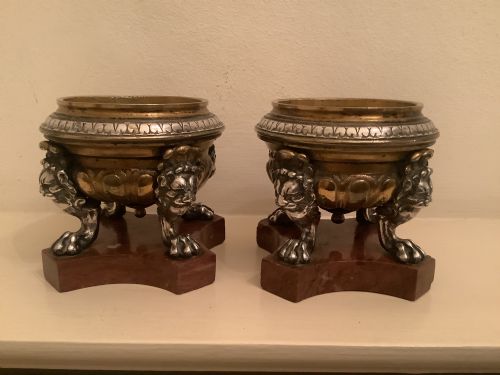
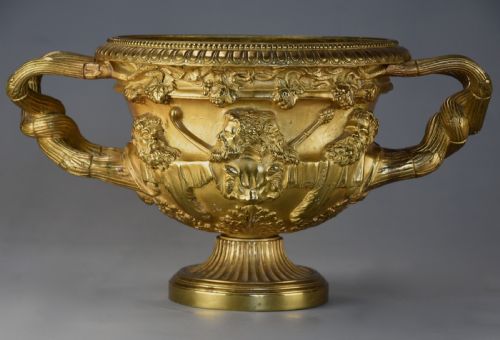
A grand regency urn embodies the neoclassical taste of the nineteenth century, drawing heavily on ancient Greek and Roman models. You encounter these in forms such as campana urns, wine cisterns, and monumental tazzas shaped from stone and metal.
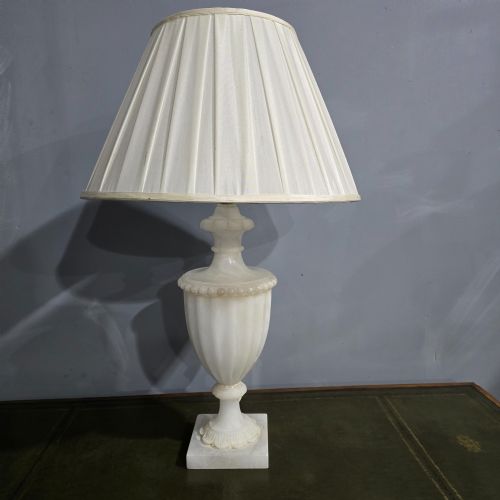
The pieces listed here span the Regency period itself alongside later revivals, including nineteenth-century interpretations and Victorian Neo-Classical Revival examples. They function variously as decorative objects, heavy table lamps, and architectural jardinieres.
Materials range from Sienna marble and alabaster to cast bronze, ormolu, and faux marble finishes. These objects serve as focal points in traditional interiors, carrying the distinct weight of classical antiquity into domestic spaces.
How they were made
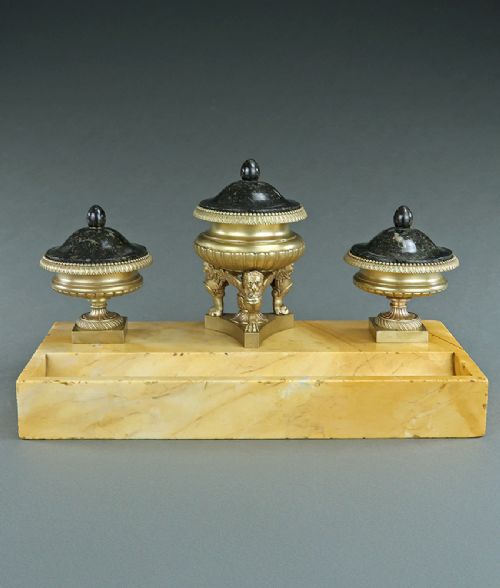
Many of these objects combine metals with stone, mounting cast bronze or gilt bronze figures upon bases of Sienna marble or alabaster. Artisans turned stone on lathes and chased metal components by hand to achieve crisp classical details.
Others employ painted wood, plaster, or faux marble finishes to emulate heavier stones at a grand scale. Surface treatments often include parcel gilding or silvering to highlight the classical reliefs and cast ornamentation.
Grand Regency Urn Retail Price Guide 2026
Typical asking prices for grand regency urn among the pieces listed under this phrase on Sellingantiques today, from the lower quarter to the upper quarter. They describe what is for sale here now, not the wider market.
Listings here feature items spanning from the nineteenth century into the twentieth century, incorporating materials like alabaster, bronze, and Sienna marble.
What varies in quality
The sharpness of the metal chasing and the depth of the casting separate simpler decorative items from superior reductions of classical antiquities. Finer examples display meticulous articulation in figures and foliage.
The choice of raw material dictates the standing of the piece, with solid Sienna marble and finely patinated bronze sitting above painted wood or plaster alternatives. Proportion and scale also define the visual impact of the work.
The Grand Regency Urn Glossary
- Campana form
- A bell-shaped vessel with a flaring rim and a pedestal foot, typical of classical garden and decorative urns. This silhouette remains one of the most recognisable shapes in neoclassical design.
- Encrier
- A desk stand or inkstand designed to hold writing equipment, often incorporating small urns or wells for ink and sand. These combine utility with decorative classical sculpture.
- Tazza
- A shallow cup or saucer mounted on a stem and foot, frequently rendered in bronze or marble. They were used historically for display or serving.
- Ormolu
- Gilded bronze, where gold is applied to a base metal using a mercury amalgamation process or modern electroplating. This finish provides a lasting golden lustre resistant to tarnishing.
- Grand Tour
- The traditional journey of Europe undertaken by upper-class young men to absorb classical art and culture. Souvenirs from these travels included bronze reductions of famous antiquities.
Grand Regency Urn: Frequently Asked Questions
What is a grand regency urn?
A grand regency urn is a decorative vessel inspired by classical antiquity, typically produced during the nineteenth century or its later revivals. These objects draw on Greek and Roman forms to add architectural presence to a room.
They appear in materials such as bronze, marble, and alabaster, functioning as standalone ornaments, lamps, or jardinieres.
How were these urns used historically?
Historically, large urns and tazzas served as garden ornaments, wine coolers, or decorative centrepieces in grand dining rooms and libraries. Smaller versions acted as inkstands or sculptural reminders of classical art.
Many pieces originated as souvenirs brought back by travellers undertaking the Grand Tour across Europe.
Where should I place an urn in a room?
These pieces demand space and light to showcase their form, making them suitable for tabletops, pedestals, or sideboards. Stone and bronze versions anchor heavier interior schemes with their substantial physical presence.
Pairs look particularly striking when balanced on matching furniture or flanking a fireplace.
How do I distinguish Regency from later revivals?
Regency pieces date from the early nineteenth century and reflect the strict neoclassical tastes prevalent during the British Regency and French Empire eras. Later Victorian Neo-Classical Revival pieces often feature heavier proportions or alternative mounting techniques.
Examining the metal casting, wear patterns, and internal fixings helps determine the precise period of manufacture.