
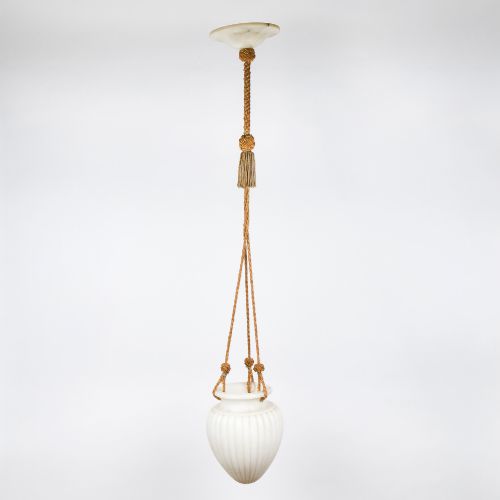
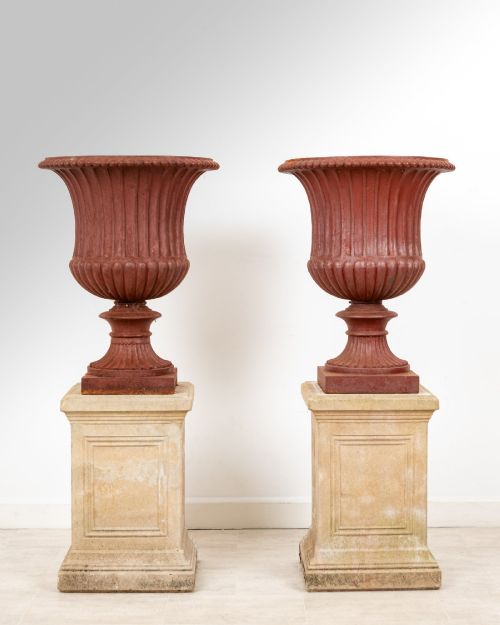
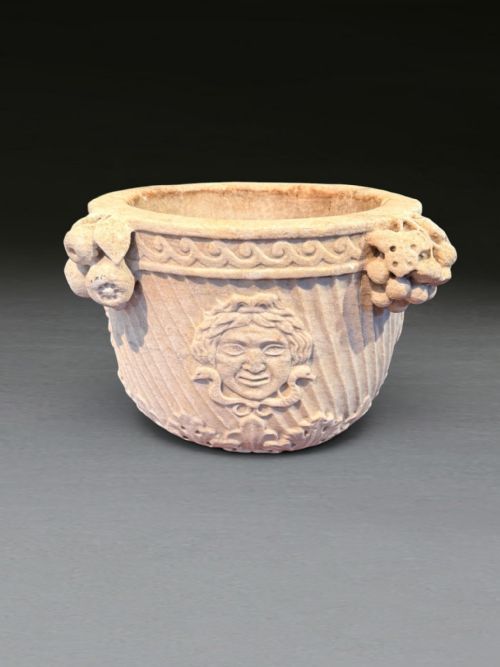
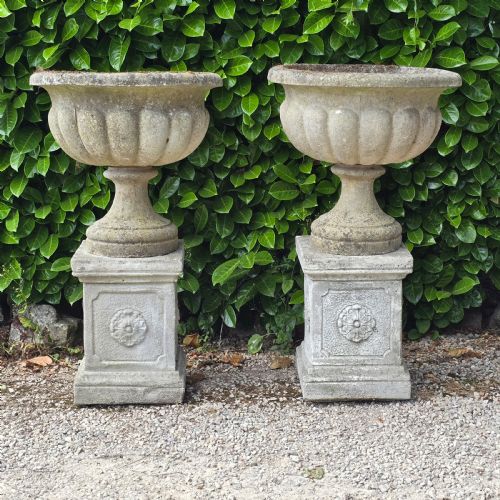

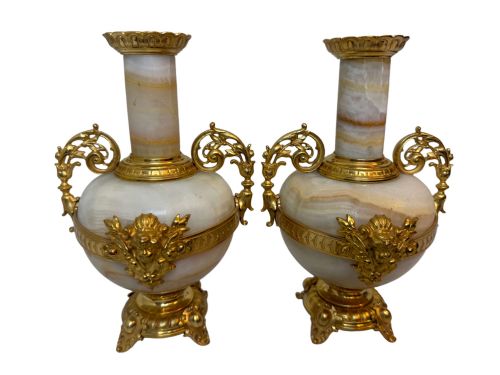


Classical Stone Urns
Classical stone urns bring architectural proportion and antique gravitas to interior rooms and garden settings alike.
Classical Stone Urns
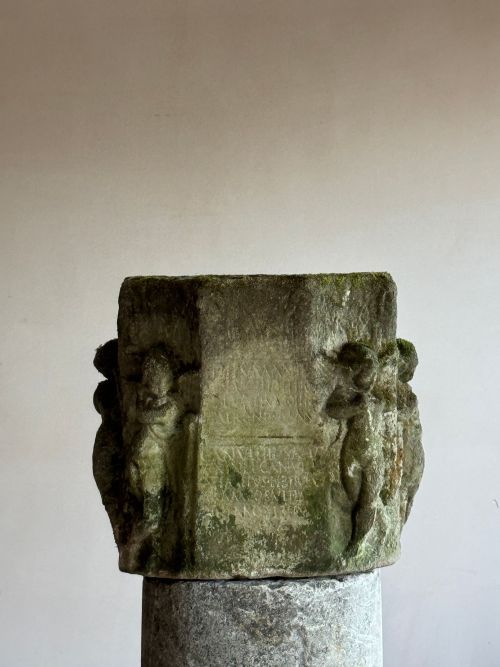
Classical stone urns draw upon architectural traditions spanning several centuries, ranging from seventeenth-century Italian Renaissance examples to nineteenth-century Grand Tour souvenirs and Victorian garden ornaments. Buyers searching for classical stone urns encounter pieces carved from natural stone or cast in durable compositions intended to emulate antiquity.
The inventory includes garden vessels, campana shapes, and architectural fragments originating across European workshops. These objects serve both decorative and functional roles, displayed upon pedestals outdoors or adapted into interior display pieces.
Materials and Construction
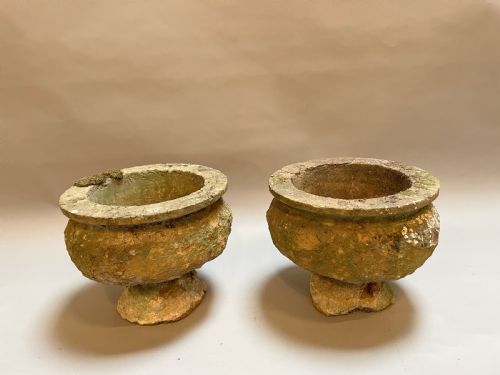
Makers utilised a range of media including native stone, soft stone, carved marble, and reconstituted stone mixtures. Cast iron and terracotta also appear alongside stone variants, shaped through carving, turning, and casting techniques appropriate to the period.
Surface finishes reflect prolonged exposure to the elements or careful hand-finishing, displaying patination that distinguishes older examples from contemporary reproductions.
Listings feature pieces spanning from the sixteenth century through the Victorian era, utilising stone, marble, terracotta, and cast iron.
Markers of Quality
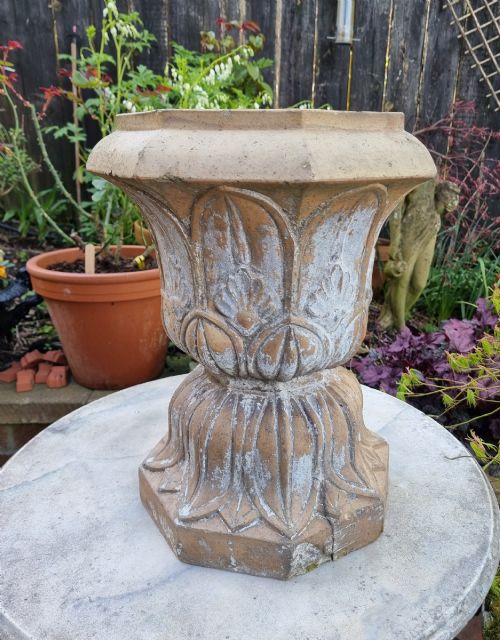
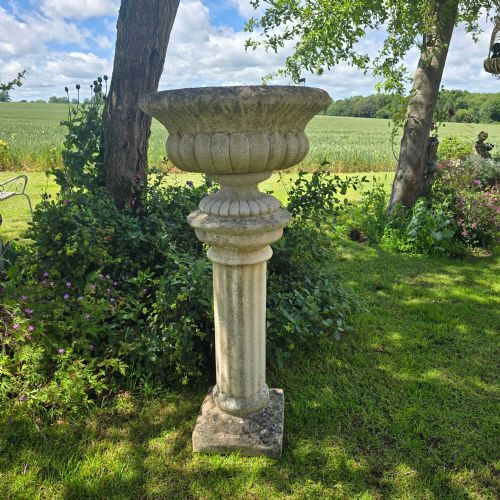
Quality rests upon the crispness of the carving, the selection of the stone block, and the fidelity to historical architectural proportions. Finer examples display balanced classical details, such as acanthus leaf motifs and well-defined fluting.
The integrity of the material and the maturity of the surface patination differentiate superior pieces from simpler utilitarian vessels.
Andrew Handyside·Selim Bright
The Classical Stone Urns Glossary
- Campana urn
- A bell-shaped vessel with a flaring rim and a pedestal foot, commonly cast in iron or carved from stone for garden placement.
- Grand Tour
- A period of travel through Europe undertaken by young gentry to collect antiquities and neoclassical souvenirs such as small marble urns.
- Tazza
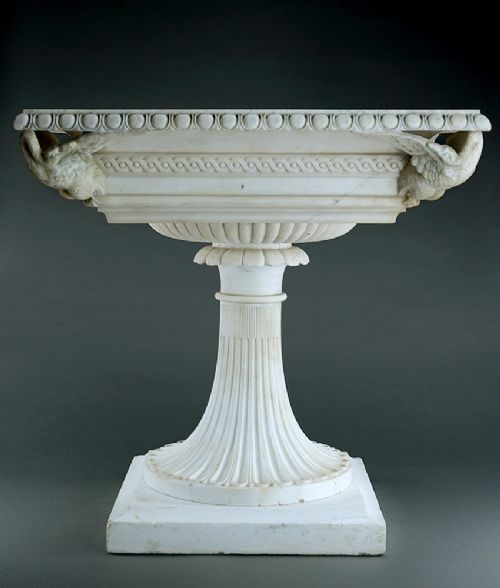
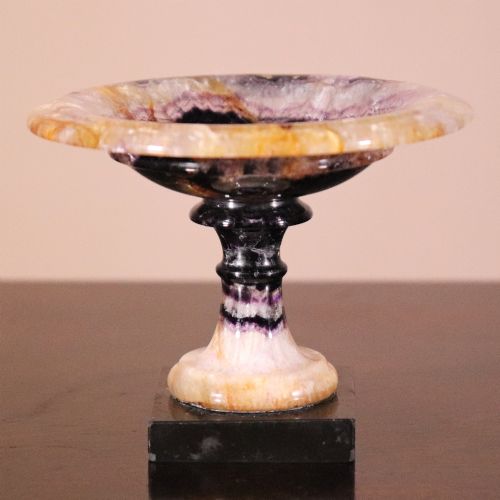
- A shallow saucer-like vessel or cup mounted on a stem and foot, frequently carved from decorative marbles.
- Neoclassical
- A style reviving the architectural forms and decorative motifs of ancient Greece and Rome, prevalent during the eighteenth and nineteenth centuries.
- Pedestal
- An architectural support or plinth designed to elevate an urn or planter above ground level.
Classical Stone Urns: Frequently Asked Questions
Where should I place a stone urn?
Garden urns look best positioned upon stone pedestals, plinths, or framing pathways where their classical proportions structure the surrounding landscape.
Smaller decorative versions function effectively upon interior tables or architectural columns.
How do I distinguish nineteenth-century examples?
Nineteenth-century pieces often reflect Grand Tour influences or Victorian garden design, utilising marbles, soft stone, or cast iron.
Examine the tool marks and surface weathering to understand the age of the material.
Are these urns frost resistant?
Natural stone and cast iron variants generally withstand outdoor conditions well, though porosity varies depending on the specific geological material.
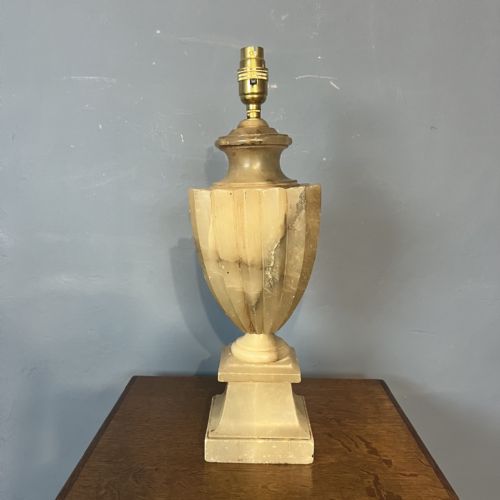
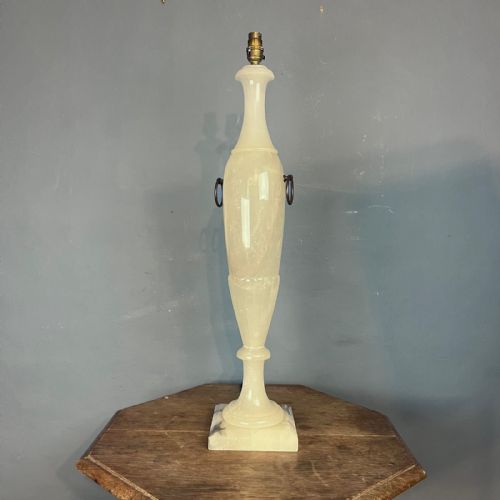
Alabaster and softer stones suit interior settings rather than exposed winter gardens.
What styles influence these designs?
The forms draw heavily from Italian Renaissance precedents, French neoclassical taste, and Roman architectural fragments.
Details such as campana rims and acanthus foliage echo ancient classical monuments.