
Regency Style Gilded Mirror
A regency style gilded mirror brings classic proportion, bright reflection and classical ornament to a room.
Regency Style Gilded Mirror
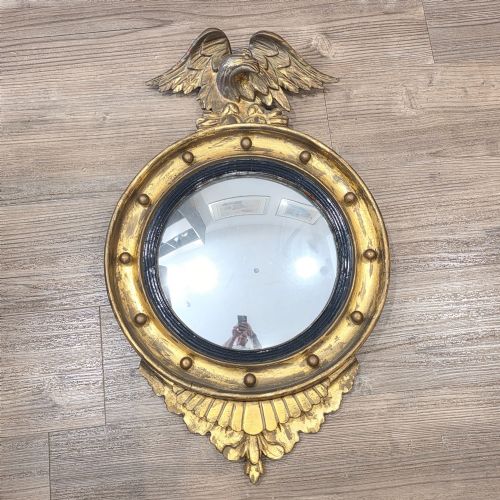
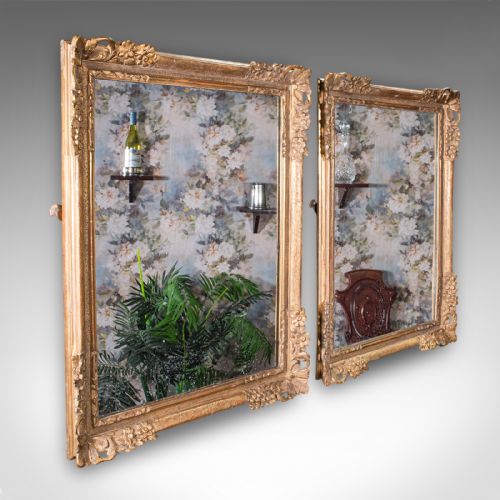
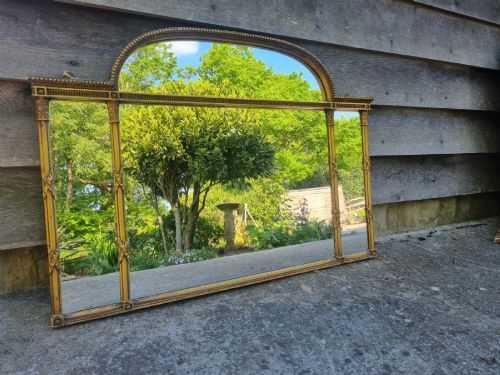
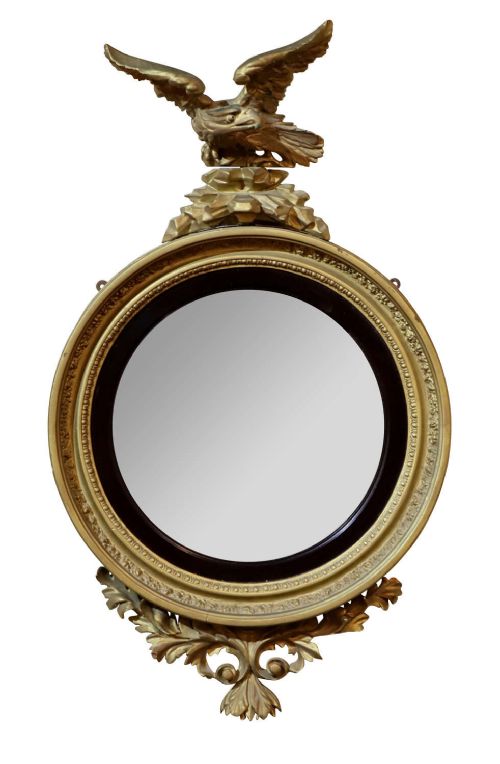
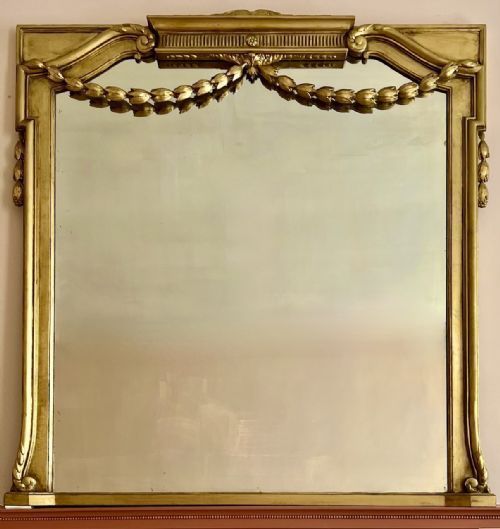
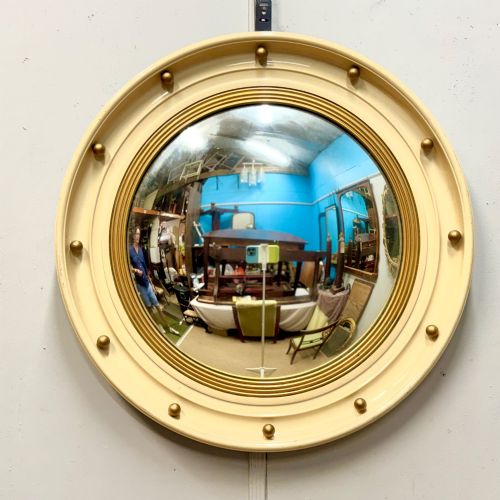
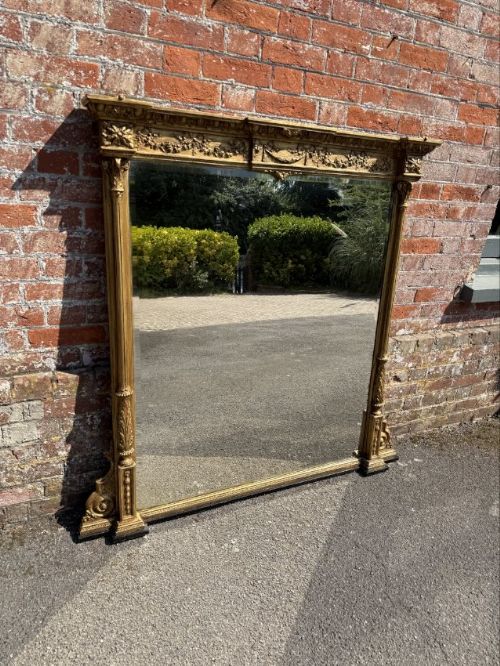
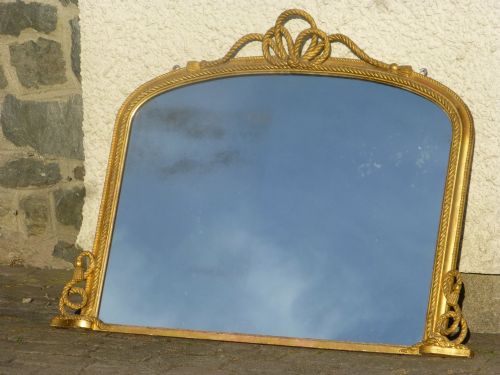
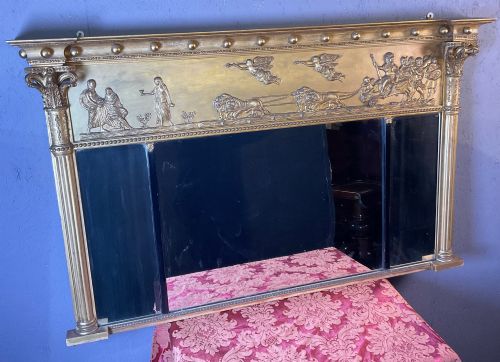
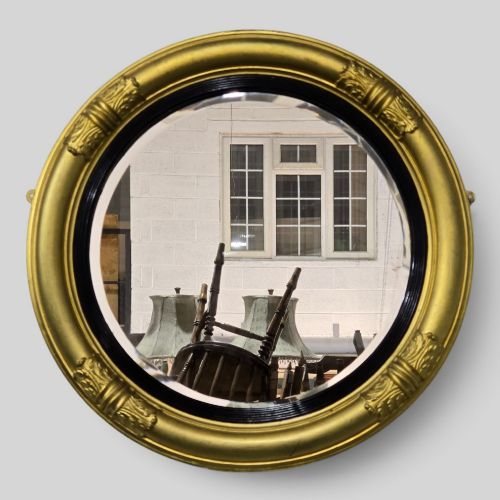
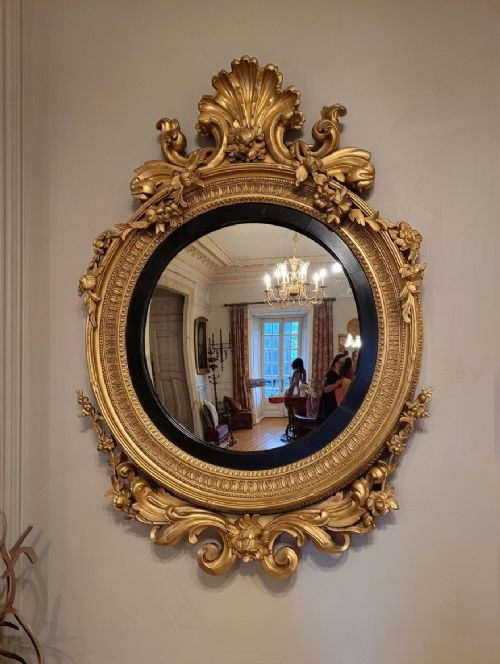
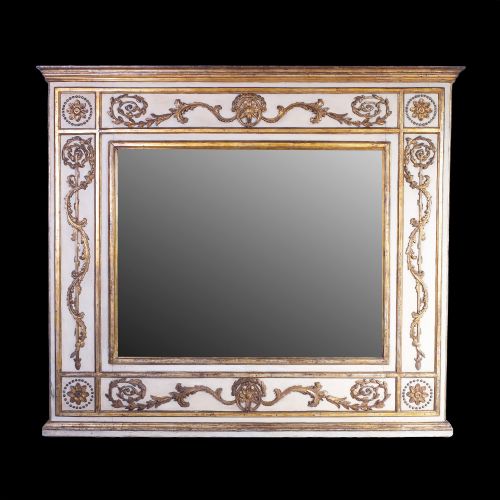
When searching for a regency style gilded mirror, buyers encounter a variety of forms designed to expand light and space in a room. The most common examples on this page are large overmantel mirrors and round convex mirrors, often known as butler's mirrors.
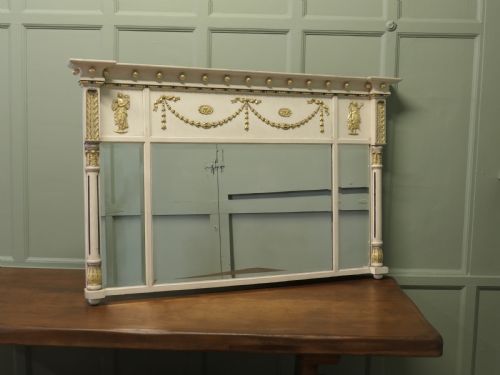
The selection spans genuine pieces from the nineteenth century alongside later revivals from the Victorian, Edwardian and early twentieth century periods. Makers and craftsmen utilised styles including Neoclassical, French Empire and Regency Revival to create architectural wall pieces and pier mirrors.
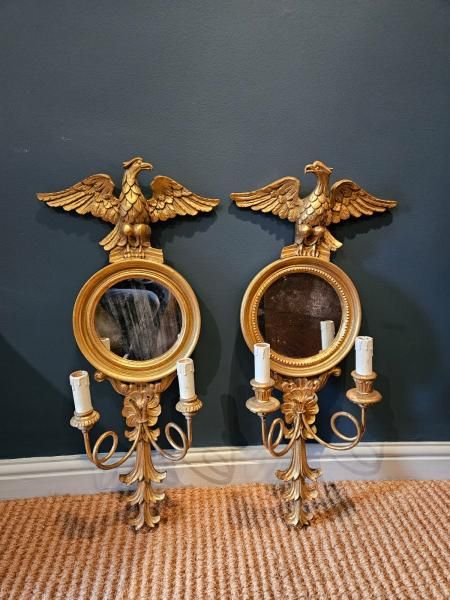
Rectangular multi-plate glasses and circular frames surmounted by eagles appear frequently among the listings. These objects served traditional functions above fireplaces, between windows and along drawing room walls.
Materials and Construction
Makers built these frames using carved wood and composition applied over a wooden base to form intricate surface ornaments. Giltwood, gold leaf and gesso provide the traditional luminous finish characteristic of the period.
Mirrors employ flat mirror glass, triple plate configurations or curved convex glass designed to reflect wide angles of an interior. Secondary materials such as ebonised wood, paint and verre eglomise panels frequently accent the gilded surfaces.
Many convex mirrors feature an eagle perched defensively on top, keeping a watchful glass eye over the room.
Judging the Standard
Quality rests in the depth of the carving, the crispness of the gesso ornaments and the integrity of the original gilding. Stronger examples display sharp neoclassical details, well-balanced proportions and sound structural joinery within the wooden frame.
The condition and clarity of the mirror glass contribute significantly to the character of the piece. Older plates often show honest foxing and distortion that indicate age, while replacement glass alters the visual weight of the object.
Gillows Of Lancaster
The Regency Style Gilded Mirror Glossary
- Gesso
- A plaster-based mixture applied to wood frames to provide a smooth surface for gilding. Craftsmen carved intricate neoclassical motifs directly into this layer.
- Convex glass
- A curved circular mirror plate that diverges light to offer a wide-angle reflection of the interior. These pieces are often paired with giltwood frames and eagle surmounts.
- Overmantel mirror
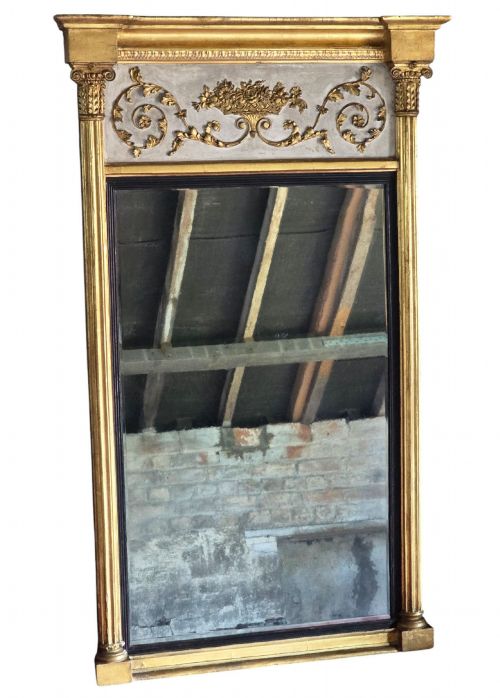
- A large horizontal looking glass designed to hang specifically above a fireplace mantelpiece. They frequently feature triple plate glass and column frames.
- Pier mirror
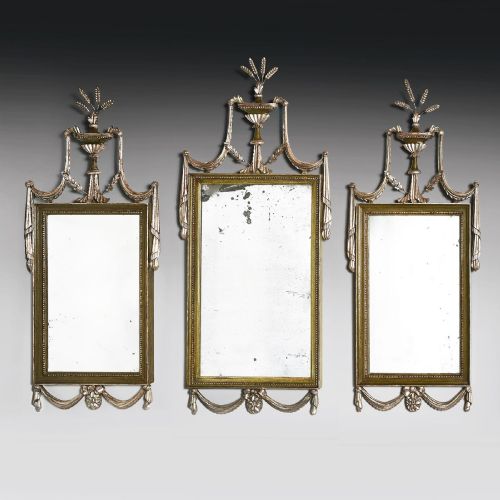
- A tall, narrow looking glass intended for the wall space between two windows. These items often incorporate painted panels or decorative top sections.
- Verre eglomise
- A cold decoration technique involving the application of gold leaf and paint to the reverse of glass. It appears on elite pier and trumeau mirrors.
- Composition
- A moulded material made from whiting, oil, resin and glue used to form decorative reliefs on picture and mirror frames. It offers a cost-effective alternative to hand-carved wood.
Regency Style Gilded Mirror: Frequently Asked Questions
Where should I hang a regency style gilded mirror?
These pieces traditionally occupy the wall space directly above a fireplace mantelpiece or between tall windows to maximise natural light. Their reflective qualities help brighten darker corners and visually expand smaller rooms.
Horizontal overmantel formats suit wide living spaces, while circular convex designs function well as focal points on narrower walls.
How do I identify a true nineteenth century piece?
Examine the construction of the wooden frame, the composition ornaments and the backboards for signs of age and traditional hand tools. Original nineteenth century surfaces typically exhibit subtle wear to the gold leaf and minor oxidation within the glass.
Later Victorian and Edwardian revivals often employ machine-cut timber and standardised composition mouldings that lack the depth of earlier work.
What is the difference between a convex mirror and a flat mirror?
Convex mirrors feature an outward-curving glass plate that captures a panoramic view of the entire room in miniature. They were historically placed by butlers to monitor activity in dining spaces.
Flat mirrors provide a direct, undistorted reflection and are typically found in rectangular overmantel or pier mirror configurations.
How do I care for antique gilded surfaces?
Dust the giltwood frame gently with a soft, dry brush to prevent the accumulation of dirt within the carved details. Avoid liquid cleaners, moisture and chemical sprays, as these substances can strip the delicate gold leaf and gesso.
Clean the glass plate sparingly using a cloth slightly dampened with water or glass cleaner, taking care not to let moisture touch the surrounding frame.