

Regency Storage Furniture
Regency storage furniture brings together refined chests of drawers, side cabinets and linen presses built to organise domestic spaces with architectural dignity.
Regency Storage Furniture
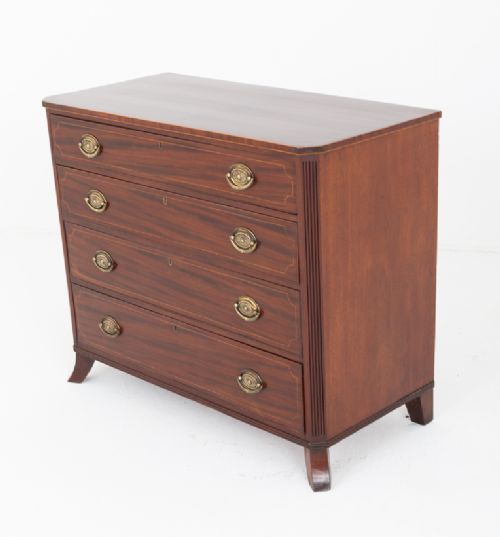
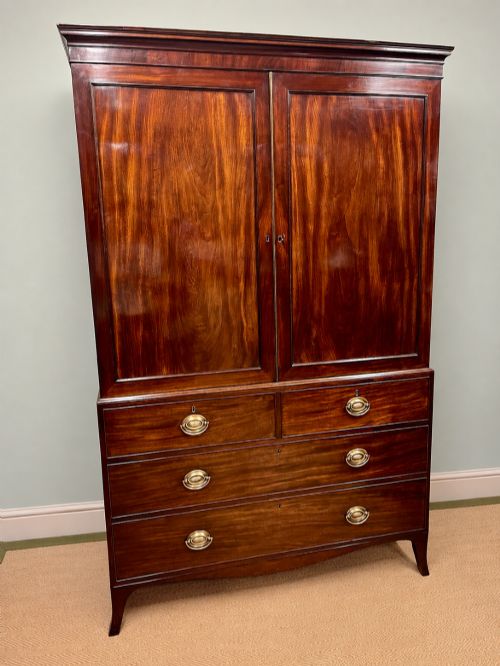
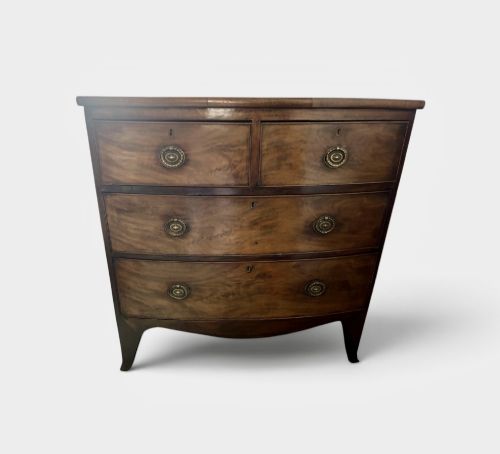
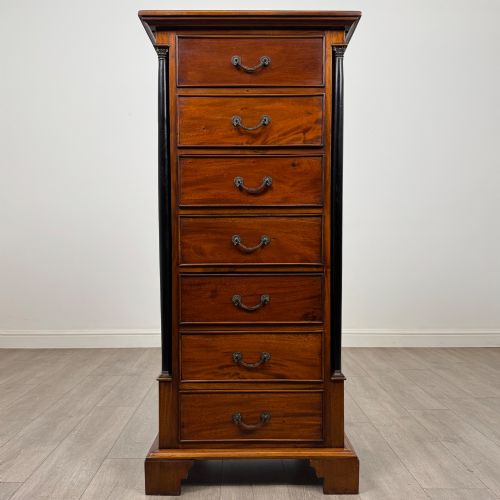
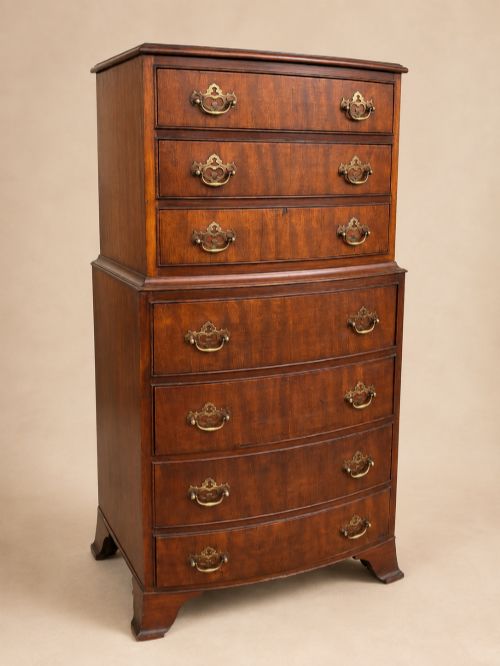
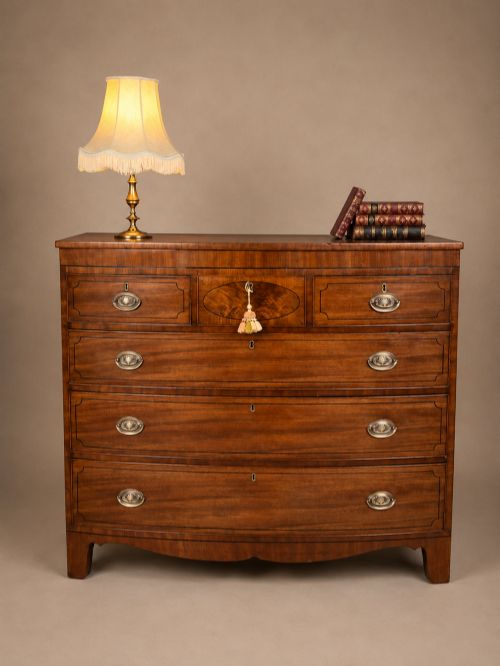
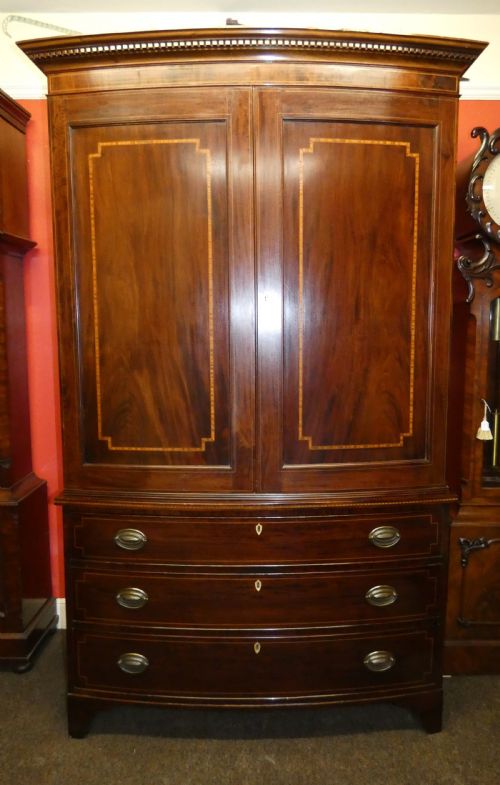
Regency storage furniture encompasses case pieces designed to hold clothing, linen and household items during the early nineteenth century and subsequent revival periods. When exploring regency storage furniture, a buyer encounters forms ranging from tall linen presses and chiffoniers to compact tea poys and narrow bow front chests of drawers.
Mahogany and rosewood dominate the selection, often worked into curved bow fronts or fitted with secret compartments. Pieces emerge from several eras including the Regency, George IV, William IV and later revival decades.
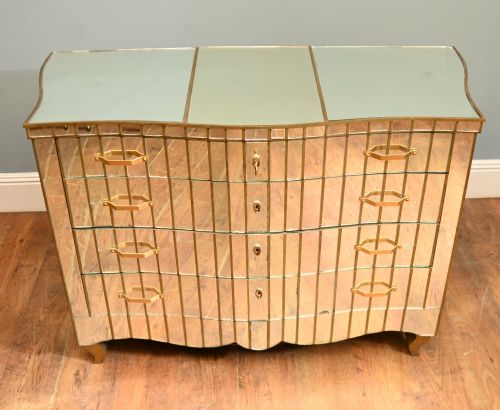
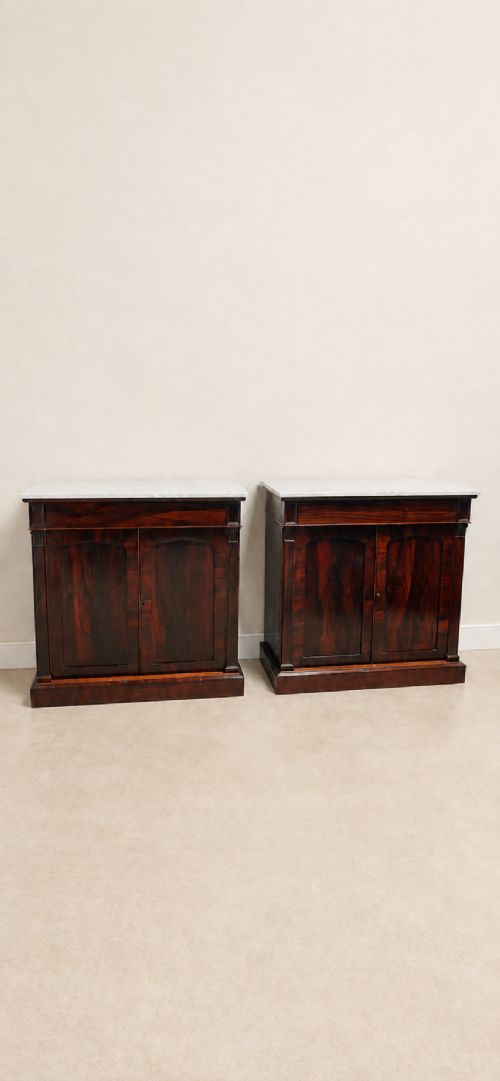
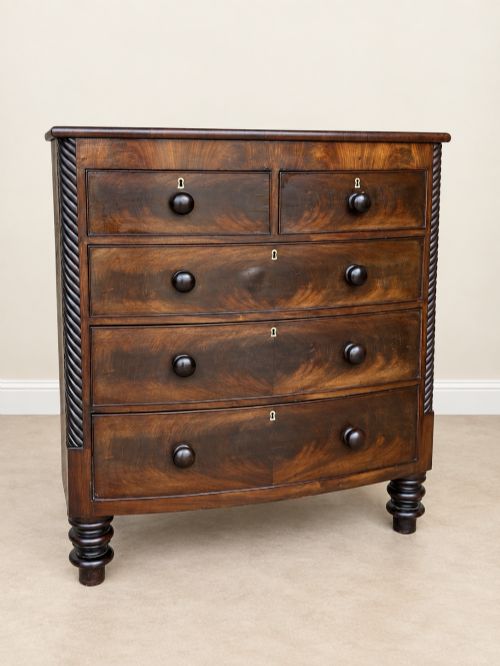
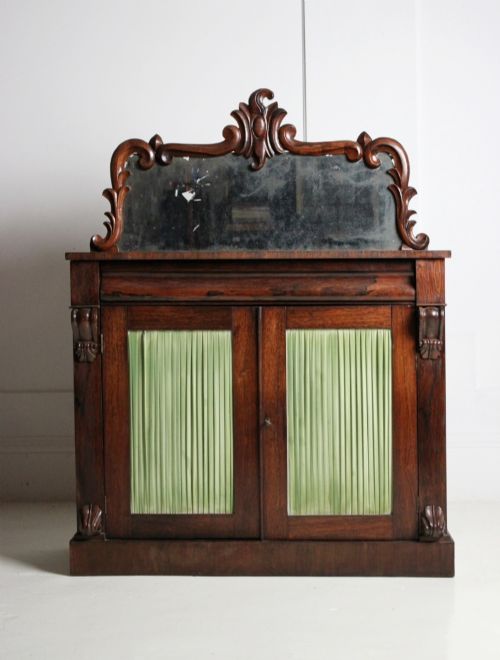
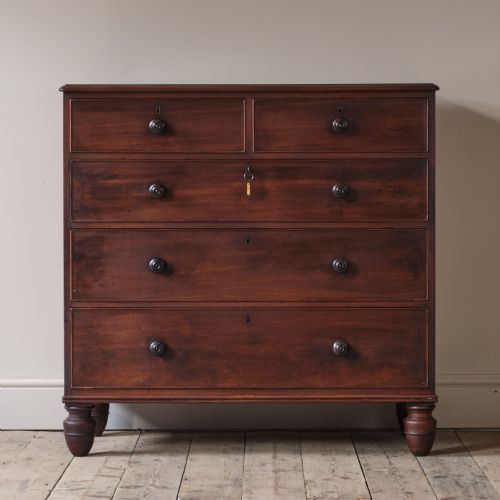
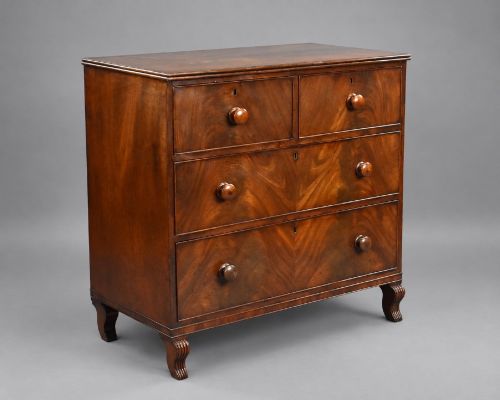
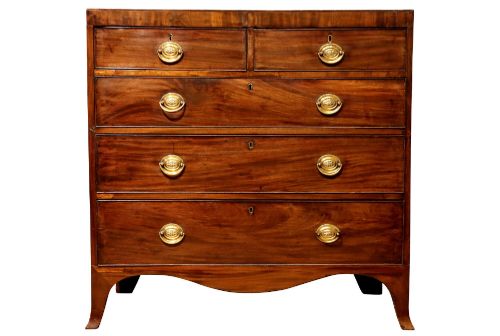
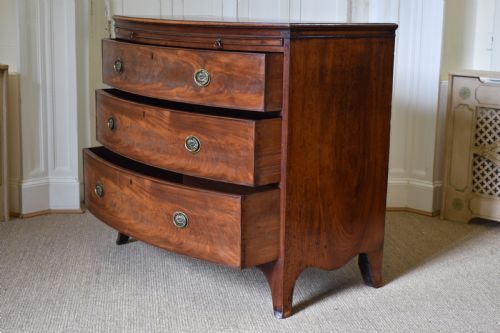
Chest of drawers variants form the core of the selection, appearing in straight and bow fronted formats with graduated drawers. Side cabinets and chiffoniers complete the range, offering display surfaces alongside enclosed storage.
Evaluating craftsmanship and proportion
Quality separates through the selection of timber figures and the precise matching of flame mahogany veneer across drawer fronts. Superior examples maintain balanced proportions, particularly in narrow or Scottish bow front formats where maintaining structural harmony requires expert joinery.
Hardware integration and internal carpentry indicate the standard of production. Original brass fittings, working locks with keys, and secondary timbers like oak or pine inside drawer linings distinguish the finer workshops from standard output.
Listings feature mahogany, rosewood, oak, yew wood, goncalo alves and pine across cabinets, chests and tables.
T G Seddon
The Regency Storage Furniture Glossary
- Bow front
- A cabinet front that curves outward in a convex shape. This configuration appears frequently on chests of drawers from the period to soften room angles.
- Linen press
- A tall storage piece featuring upper sliding trays or shelves enclosed by doors, positioned above lower drawers. These items stored folded textiles and garments.
- Teapoy
- A small stand or box mounted on a pillar or legs, designed to hold tea canisters and mixing bowls. Rosewood examples frequently include internal compartments.
- Chiffonier
- A low side cabinet equipped with shelves or enclosed storage below, often topped by a raised gallery or mirror. They served living spaces for serving and display.
- Flame mahogany veneer
- Thin slices of mahogany cut to reveal a distinctive flamed or fiery grain pattern. Craftsmen laid these veneers across primary drawer faces to create dramatic visual movement.
Regency Storage Furniture: Frequently Asked Questions
What is a regency linen press?
A regency linen press is a tall case piece combining upper shelving or sliding trays with lower drawers. It provided households with dedicated vertical storage for garments and household linens.
Craftsmen built these pieces primarily in mahogany, often featuring panelled doors and substantial cornices. They functioned as primary bedroom and dressing room wardrobes before hanging spaces became standard.
What was a teapoy used for?
A teapoy served as a portable or stationary container for storing dry tea leaves when tea was an expensive commodity. Interior compartments kept different tea varieties secure under lock and key.
These pieces sat beside seating areas in drawing rooms during the Regency and William IV periods. Wealthy households relied on them to control access to valuable hospitality stores.
Where do chiffoniers belong in a home?
Chiffoniers suit living rooms, dining spaces and hallways as compact side storage and display surfaces. Their enclosed lower cupboards hide table linen or books while the top surface holds decorative objects.
Rosewood and mahogany variants bring warmth and formal presence to a room without occupying the footprint of a large wardrobe. They integrate easily beside seating groups or against interior partition walls.