




Regency Staffordshire Pottery
Regency staffordshire pottery brings domestic earthenware and figures from the early nineteenth century into the home with distinct transfer-printed scenes and modelled forms.
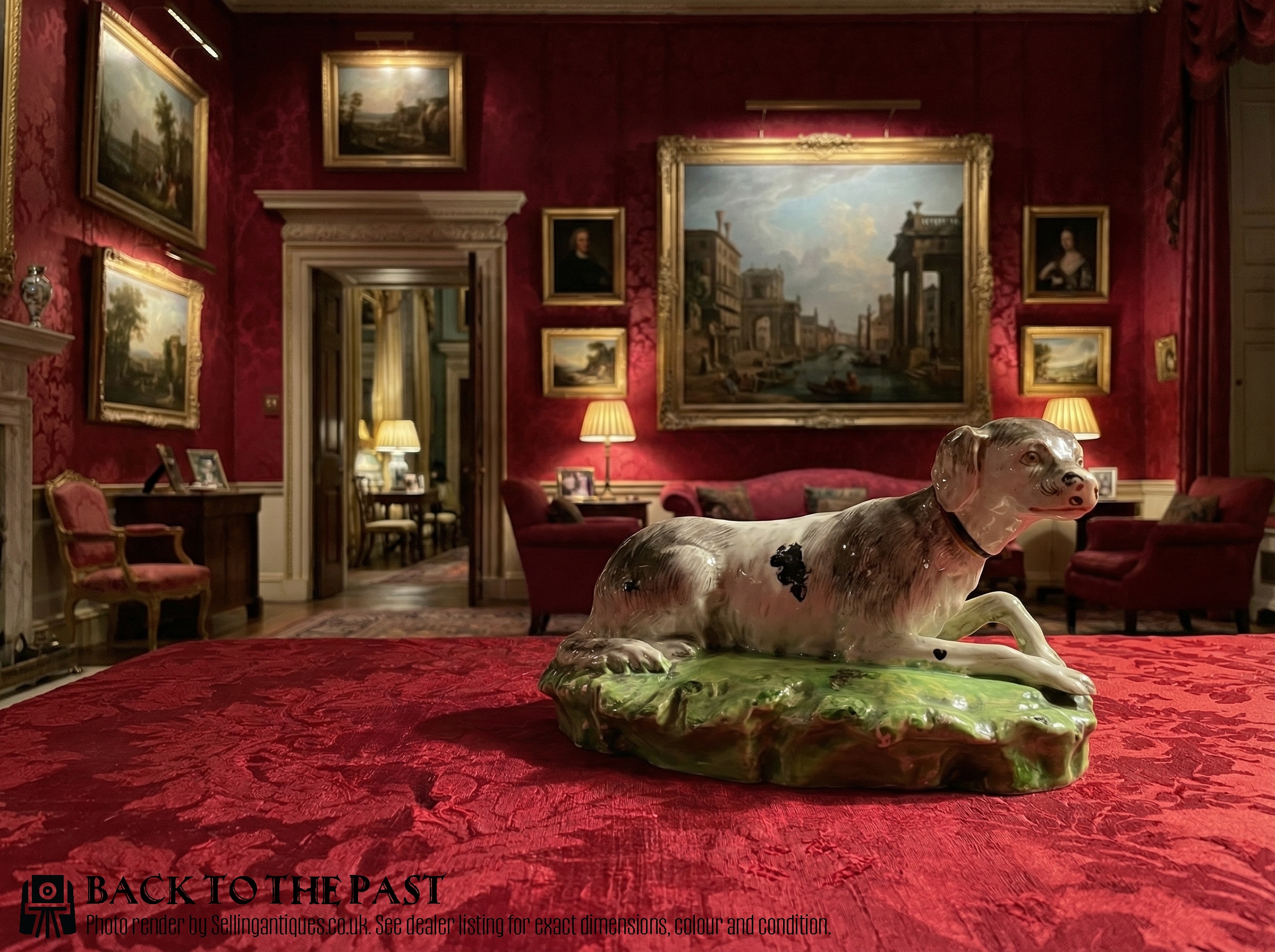
Regency Staffordshire Pottery
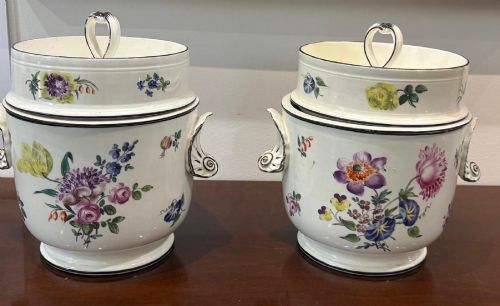
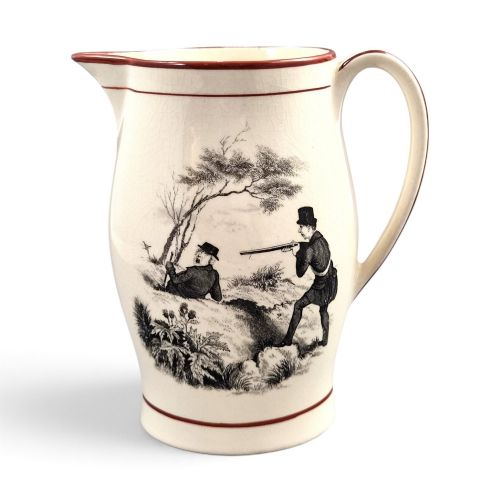
When searching for regency staffordshire pottery, buyers encounter a diverse selection of utilitarian wares and decorative figures produced in the Midlands during the Georgian and Regency periods. The inventory spans functional items such as teapots, jugs, footbaths, and serving platters alongside sculptural figures including lions, leopards, and biblical groups.
Most items on this page belong to the nineteenth century, with specific pieces dating from around eighteen hundred to eighteen thirty. Blue and white transfer-printed patterns dominate the utilitarian vessels, recording topographical views, exotic animals, and literary scenes across creamware and pearlware bodies.
How they were made
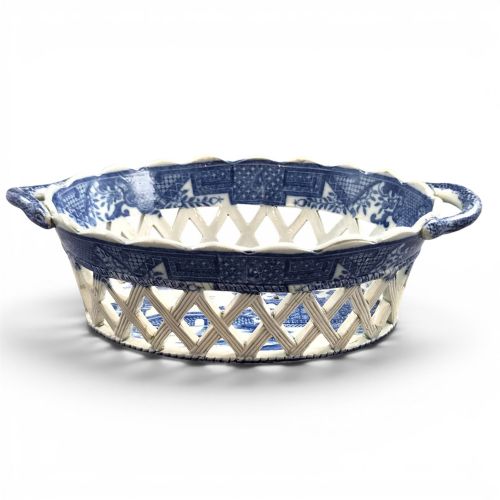
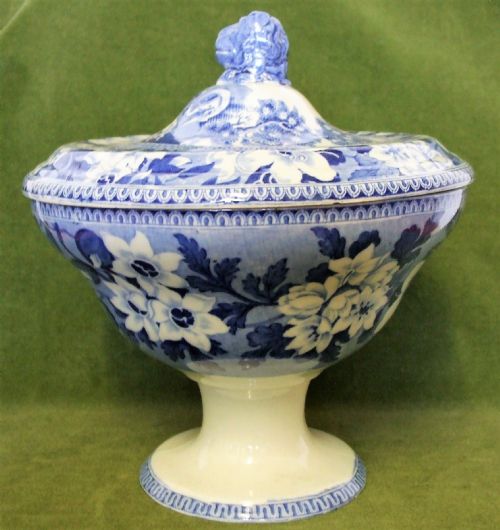
Potters utilised earthenware bodies such as creamware and pearlware, applying fluid glazes that pooled in recesses to create a soft blueish tint on pearlware pieces. Decoration relied heavily on transfer printing from copper plates, transferring intricate blue and white designs onto ceramic surfaces before firing.
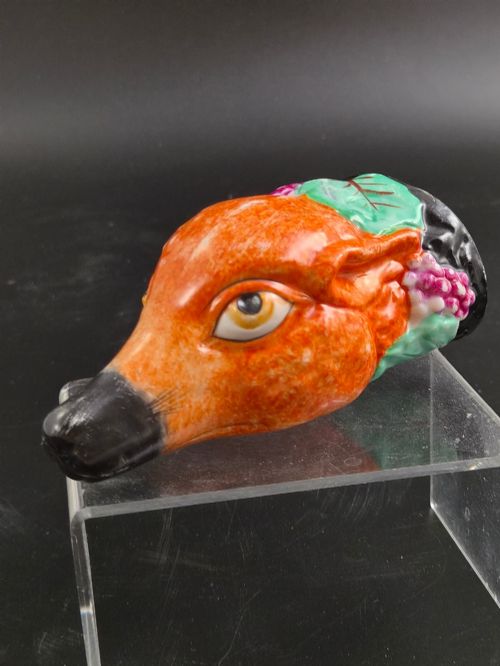
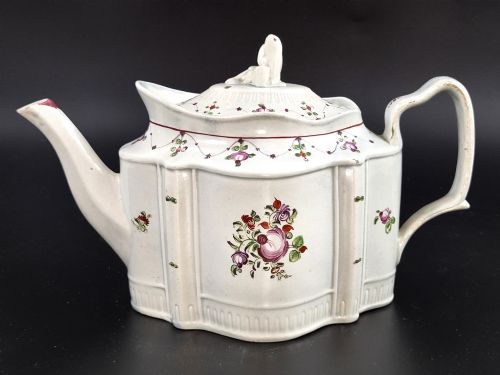
Figural pieces and animals were slip-cast or pressed in moulds, then hand-painted with enamels or left with minimal glaze accents. Details such as twig handles, widow finials, and faceted bodies added architectural interest to functional forms like teapots and jugs.
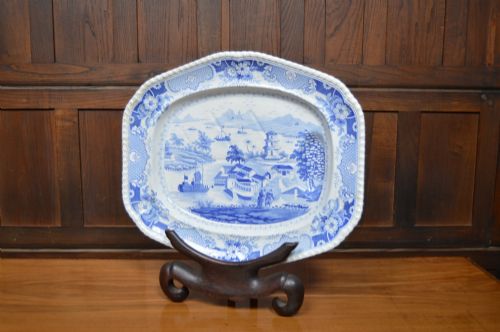
Blue and white transfer printing dominates the decorative styles, recording scenes from London Bridge to oriental landscapes across Georgian and Regency periods.
What varies in quality
The distinction between standard production and superior work lies in the crispness of the transfer print and the subtlety of the modelling on figures. Finer pieces maintain sharp lines in complex patterns like the India Temple or London Bridge designs, whereas lesser examples exhibit blurred edges and uneven glaze pooling.
Sculptural quality is evident in the anatomical definition of animal figures such as the pearlware lions and snow leopards, alongside the careful application of enamel highlights. Wares from recognised makers or specific factories display greater precision in potting and weight than unmarked domestic items.
J.W.R.·John Rogers and Son·Enoch Wood and Sons·Thomas Harley·Mason's
The Regency Staffordshire Pottery Glossary
- Pearlware
- A refined earthenware developed by Josiah Wedgwood, characterised by a thin glaze containing a small amount of cobalt that pools blue in crevices. This glaze distinguishes many Regency Staffordshire plates and figures from earlier creamware.
- Creamware
- A pale yellow-buff earthenware perfected in the eighteenth century and widely produced through the Regency period. Its warm tone served as a smooth ground for early transfer-printed and enamelled domestic wares.
- Transfer printing
- A decoration technique involving the transfer of an engraved copperplate design onto paper and thence onto the ceramic body before glazing and firing. It allowed factories to produce uniform blue and white patterns on large series of plates and platters.
- Prattware
- An early type of earthenware decorated under the glaze with limited metal oxide colours, typically blue, ochre, brown, and green. Pieces often include modelled cottage banks and figural jugs from the Regency era.
- Spill vase
- A hollow vertical vessel designed to hold taper spills for lighting candles and pipes. In Staffordshire pottery, these often incorporated figures or architectural turrets.
Regency Staffordshire Pottery: Frequently Asked Questions
What is regency staffordshire pottery?
Regency staffordshire pottery encompasses ceramic wares and figures produced in Staffordshire potteries during the late Georgian and Regency eras. The category includes transfer-printed tableware, jugs, and modelled animal figures.
These pieces reflect the transition from creamware to pearlware bodies, combining utility with decorative blue and white topographical or exotic transfer designs.
How do I identify pearlware?
Pearlware is identified by its refined white earthenware body and a transparent glaze that tends to pool with a faint blueish tint in crevices and foot rims. It succeeded creamware around seventeen eighty and remained popular through the Regency period.
The subtle blue pooling distinguishes pearlware from later nineteenth-century ironstone and whiteware bodies.
How were transfer printed plates used?
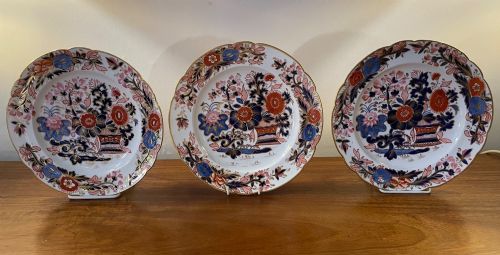
Transfer printed plates and platters served both functional dining purposes and display in domestic interiors. Blue and white patterns depicted contemporary events, biblical stories, and distant landscapes.
Larger chargers and serving platters were used for family meals, while smaller tea plates accommodated the growing popularity of tea consumption during the Regency period.
How do I care for antique earthenware?
Antique earthenware requires gentle handling due to the porous nature of early ceramic bodies and the fragility of applied handles and finials. Hand washing in lukewarm water with mild detergent preserves the glaze and enamel details.
Harsh abrasives and dishwashers should be avoided to prevent crazing and loss of painted or printed decoration.