




Regency Specimen Table
A regency specimen table brings together meticulous stonework or timber inlay and architectural forms, offering a distinct surface for display or study.
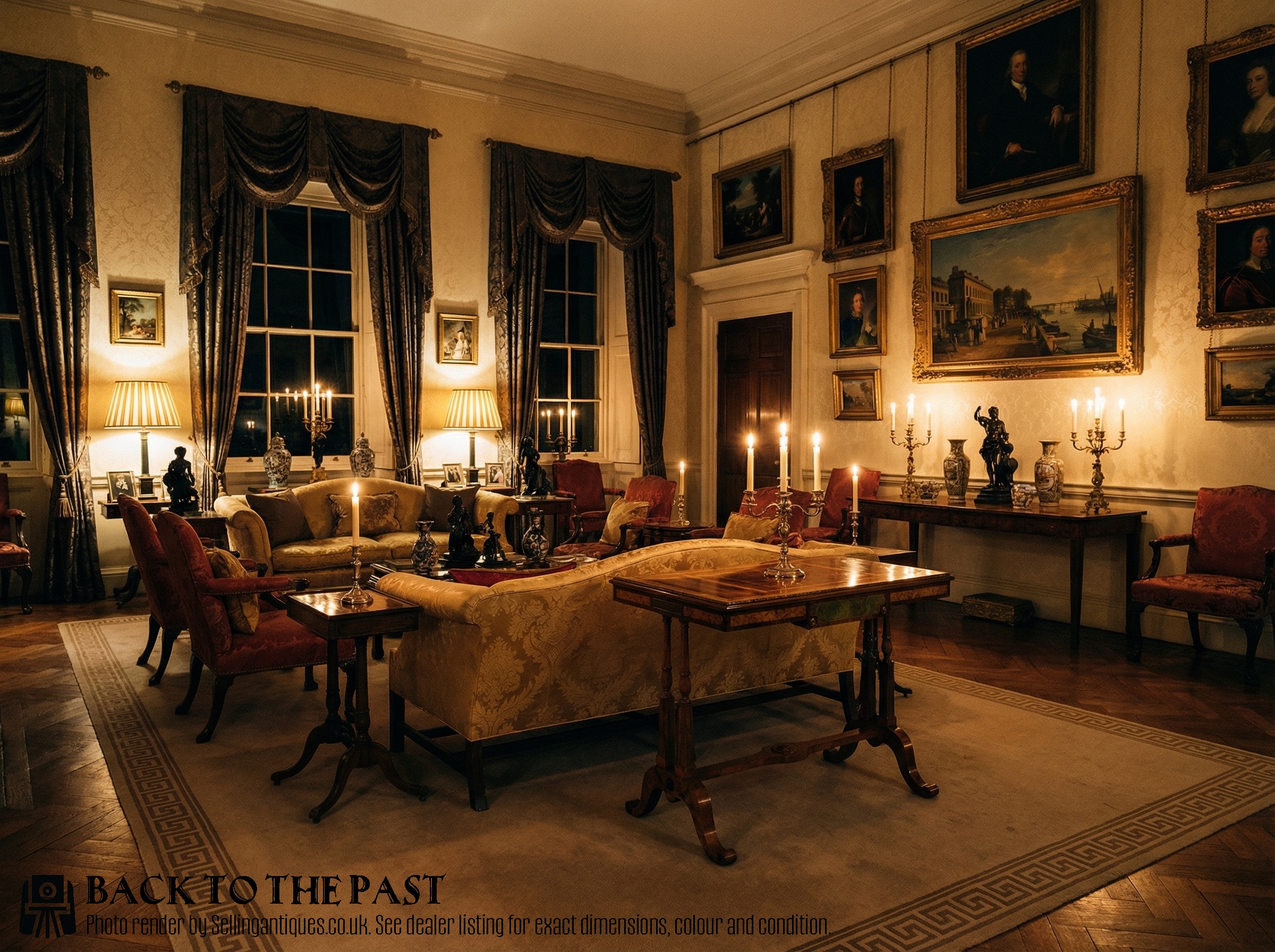
Regency Specimen Table
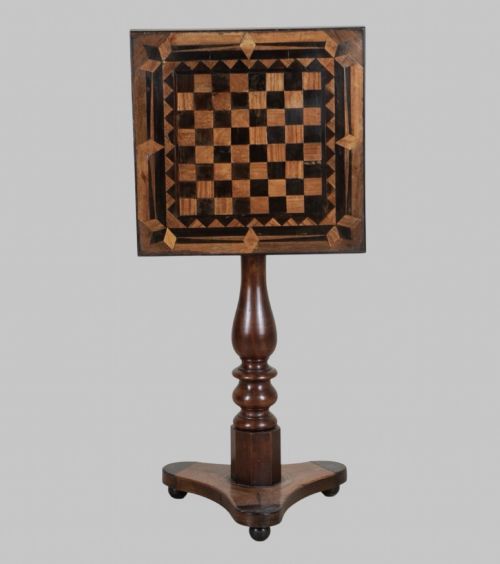
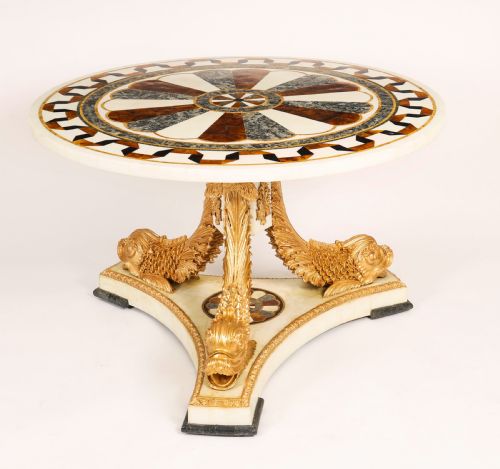
A regency specimen table draws the eye through geometric stone arrangements, micro-mosaics, or varied wood veneers set into the top. These pieces appear most frequently as centre tables, occasional tables, or games tables originating from the nineteenth century, including William IV and Georgian eras.
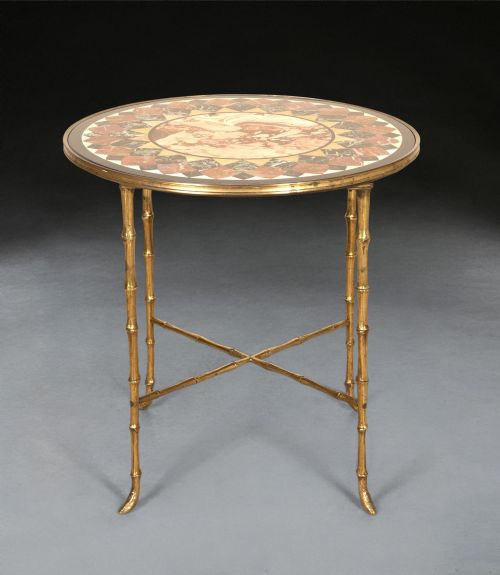
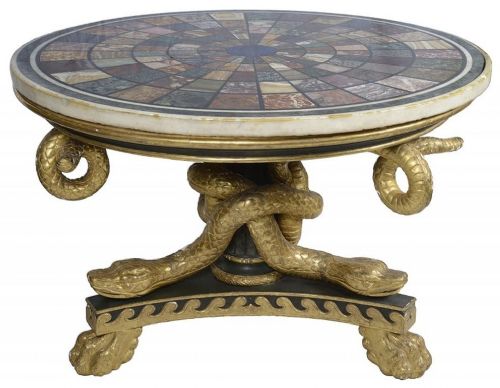
Makers utilised imported marbles, Pietra Dura panels, and native or exotic timbers to construct surfaces that functioned as portable collections of geology and botany. Grand Tour travels deeply influenced these designs, bringing Italian craftsmanship and classical motifs into British interiors.
The format ranges from small tripod side tables and nests to large centre tables supported by carved bases, giltwood, or ebonised timber. Surviving examples demonstrate how landowners and travellers sought to display Mediterranean skill and refined taste within domestic rooms.
Evaluating the Workmanship
Quality separates in the tightness of the joints between individual marble or wood specimens and the complexity of the design. Superior examples display seamless integration of stone types, minimal grout lines, and highly detailed pictorial motifs such as birds or classical views.
The secondary woods and the carving of the base reveal the tier of the workshop, distinguishing standard production from pieces produced by prominent makers. A well-balanced proportion between the heavy top and the supporting pedestal determines the overall stability and visual harmony.
Listings for this phrase frequently feature nineteenth-century centre tables and occasional furniture utilising rosewood, mahogany, and imported specimen marbles.
Gillows of Lancaster
The Regency Specimen Table Glossary
- Pietra Dura
- An artistic technique using cut and fitted polished coloured stones to create geometric or pictorial designs. This painstaking method produces durable tabletops that resist wear while displaying rich mineral colours.
- Specimen Marble
- A tabletop composed of various geological samples collected from different quarries. Each segment demonstrates distinct veining and coloration, gathered to showcase regional variety.
- Micro-mosaic
- Tiny coloured glass tesserae assembled into intricate pictorial scenes set flush within a stone panel. This delicate Italian craft required immense patience and steady eyesight.
- Tripod Table
- A small freestanding table supported by a central pillar and three legs. This specific base design allowed stability on uneven floors.
- Work-table
- A small domestic table fitted with drawers or compartments for sewing and needlework supplies. These items often incorporated specimen wood veneers across the lid.
Regency Specimen Table: Frequently Asked Questions
What is a regency specimen table?
A regency specimen table is a nineteenth-century furniture piece featuring a tabletop composed of various inlaid marble samples, pietra dura panels, or contrasting wood veneers. These surfaces were designed to display mineralogical variety and meticulous craftsmanship.
Such tables typically served as centrepieces or display surfaces in reception rooms, reflecting the refined tastes shaped by European travel and classical revival styles.
How were these tables used originally?
Owners placed these tables in drawing rooms, libraries, or entrance halls to display collected geological samples, small sculptures, or decorative objects. Games tables additionally provided a stable surface for chess or card playing.
They functioned primarily as conversation pieces where hosts could discuss the origins of the different stones and timbers with their guests.
How do I care for a marble top?
Keep the stone surface clean by dusting regularly with a soft, dry cloth and avoiding harsh chemical cleaners that can etch the polish. Use coasters beneath any glasses or objects to prevent moisture rings.
Apply neutral stone wax periodically if the surface begins to lose its natural sheen, buffing gently to maintain the historic finish.
How can I tell a genuine period piece?
Examine the construction methods beneath the tabletop, looking for hand-cut joinery, older secondary timbers, and natural ageing in the adhesives. Period pieces exhibit minor inconsistencies in the stone cutting and hand-polished surfaces consistent with nineteenth-century workshop practices.
Check the weight and thickness of the specimen top, as nineteenth-century marble and stone slabs differ substantially from modern composite reproductions.