


Gilded Centre Table
A gilded centre table brings undeniable presence to a room, functioning as a freestanding centrepiece designed to be admired from every angle.
Gilded Centre Table
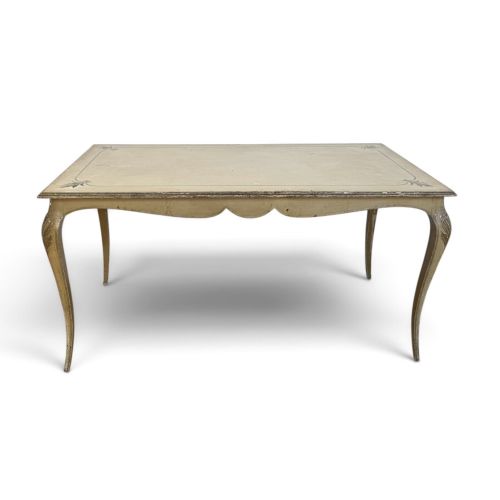
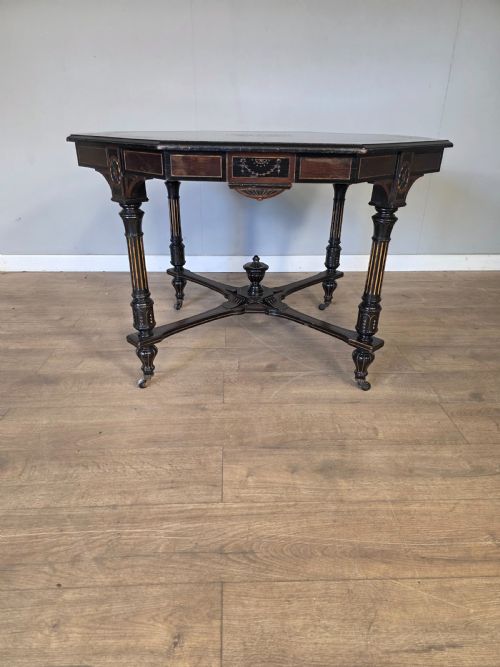
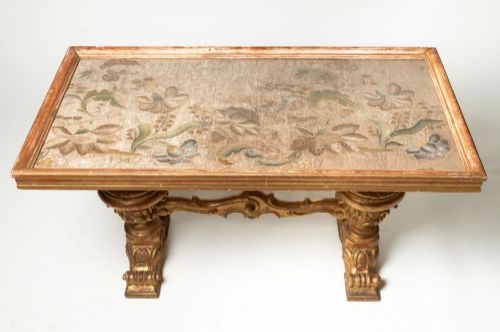
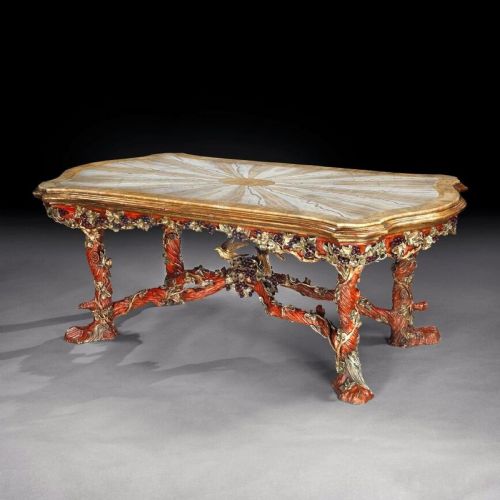
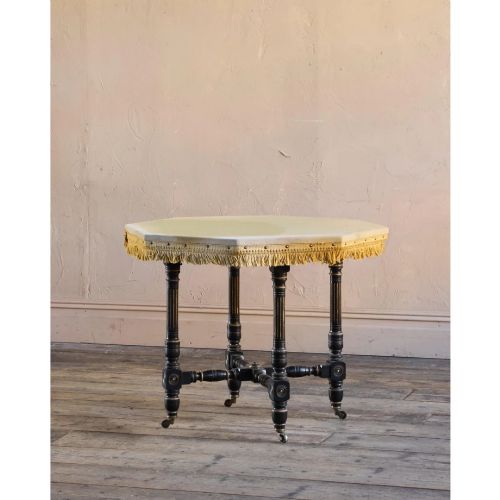
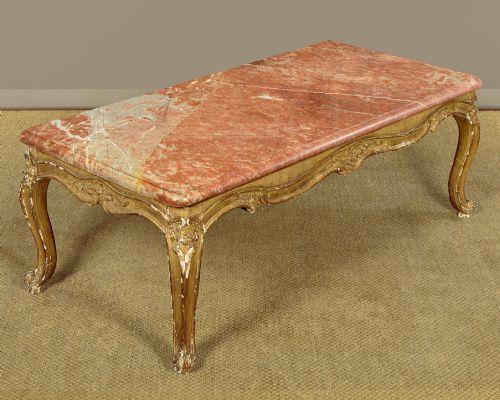
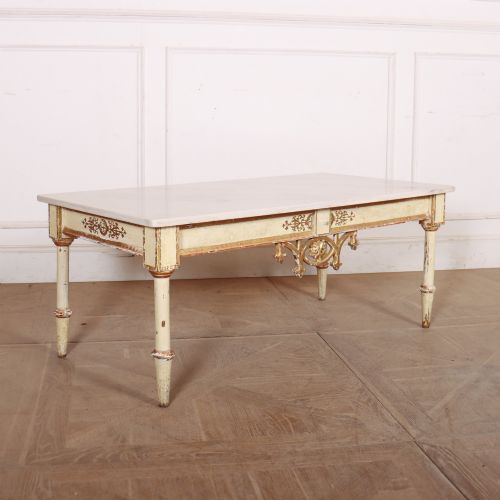
When you search for a gilded centre table, you encounter substantial freestanding furniture pieces designed to occupy the middle of a room rather than sit against a wall. The pieces listed span from the nineteenth century into the twentieth century, encompassing revivalist aesthetics such as French Louis XV, Rococo, and Neoclassical styles.
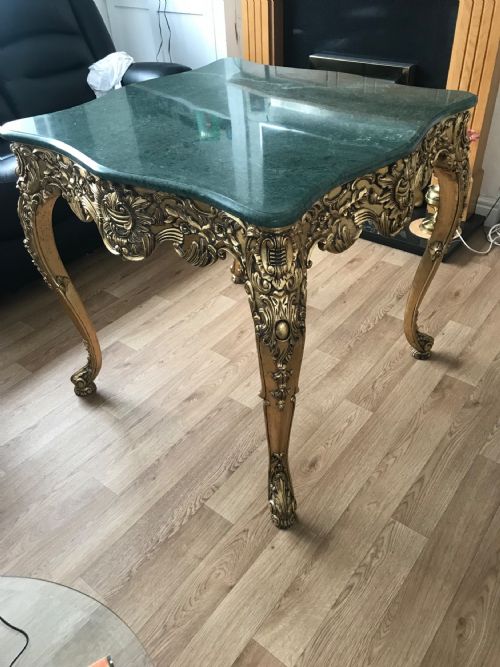
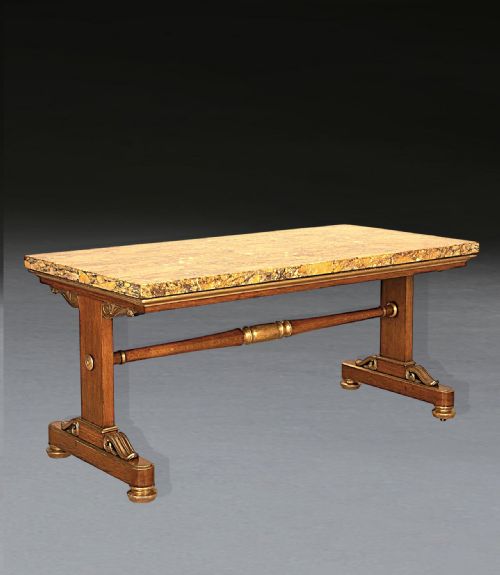
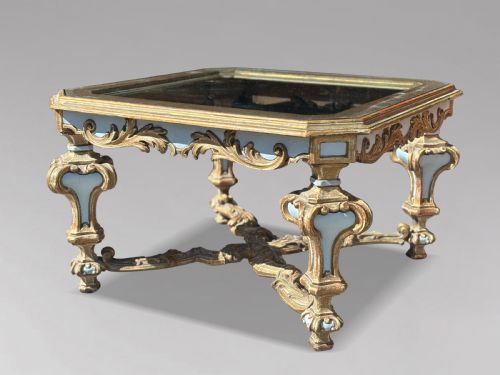
The selection frequently includes marble tops, giltwood frames, and brass or ormolu mounts, reflecting diverse European influences from French workshops to Italian carvers. Alongside traditional centre tables, related forms like occasional tables and coffee tables appear, offering similar decorative gilding and stone or wood surfaces.
How they were made
Makers utilised solid timbers such as mahogany, oak, and walnut as structural carcases, frequently applying rich veneers or ebonised finishes to the wooden surfaces. Artisans then applied gold leaf or liquid gilt to carved wood elements, creating the luminous metallic sheen characteristic of these furnishings.
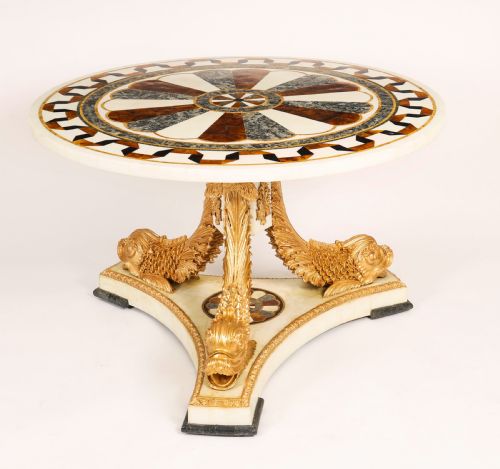
Heavy polished marble, onyx, or scagliola slabs served as tabletops, frequently paired with cast brass, gilt-bronze, or ormolu mounts fixed to the legs and aprons. Intricate decorative techniques such as marquetry inlay, pietre dure, and hand-painting further enriched the composition of finer examples.
One extraordinary nineteenth-century table incorporates a working clock directly into the centre of the surface.
What varies in quality
The depth and crispness of the wood carving dictate much of the visual merit, separating fluid hand-carved acanthus scrolls and figural motifs from softer, mechanical mouldings. Superior pieces display meticulous integration between the gilded wooden frame and heavy stone tops, ensuring absolute stability without wobble.
The application of the gold leaf itself reveals the maker's hand, where burnished and matte passages create subtle plays of light. Furthermore, the quality of secondary materials - such as heavy green marble, finely chased ormolu mounts, and precise marquetry - marks the distinction between standard production and masterwork execution.
Amleto Bertoni·Hindley And Sons·Eugene Clauss·Zwiener Jansen Sucesseur·Henry Wilkinson And Co
The Gilded Centre Table Glossary
- Giltwood
- Wood that has been coated with thin sheets of gold leaf or gold paint. This technique provides a durable, reflective metallic finish to intricate carved frames.
- Guéridon
- A small French table supported by one or more columns or figures. These versatile stands often feature circular marble tops and ornate gilt mounts.
- Ormolu
- Gilded bronze used for decorative mounts and hardware on fine furniture. The technique involves applying a gold amalgam to bronze and heating it.
- Pietra Dura
- An artistic technique using cut and fitted polished coloured stones to create geometric or pictorial designs. It appears frequently on luxury table tops.
Gilded Centre Table: Frequently Asked Questions
Where should I place a gilded centre table?
These tables are designed to stand in the middle of a room, allowing the carved details and finished backs to be seen from all sides. They anchor large entrance halls or principal reception rooms effectively.
Ensure there is sufficient walking space around the perimeter so the piece functions as a true focal point rather than an obstruction.
How do I care for a marble top?
Polished stone surfaces require gentle cleaning with a damp cloth and neutral soap, avoiding acidic liquids that can etch the polish. Use protective coasters beneath any glassware placed on the table.
Period marble is often porous, so wiping spills promptly prevents permanent staining.
How do I identify French revival styles?
French revival pieces incorporate curved cabriole legs, asymmetrical cartouches, and naturalistic floral carvings typical of Louis XV design. Ormolu mounts and giltwood finishes accentuate these flowing silhouettes.
Later Victorian interpretations often exaggerate these curves with heavier proportions and darker wood stains.
Can these tables be used for dining?
Certain larger examples function well as dining or breakfast tables, provided the height and knee clearance accommodate seating comfortably. Most centre tables, however, serve decorative display purposes rather than heavy daily dining.
Check the structural stability and top dimensions before putting a table into service for meals.