


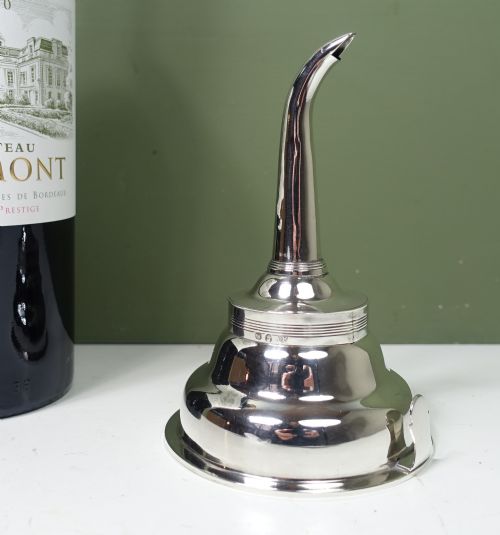


Regency Silver Barware
Regency silver barware brings the generous hospitality of the early nineteenth century straight to your table with substance and shine.
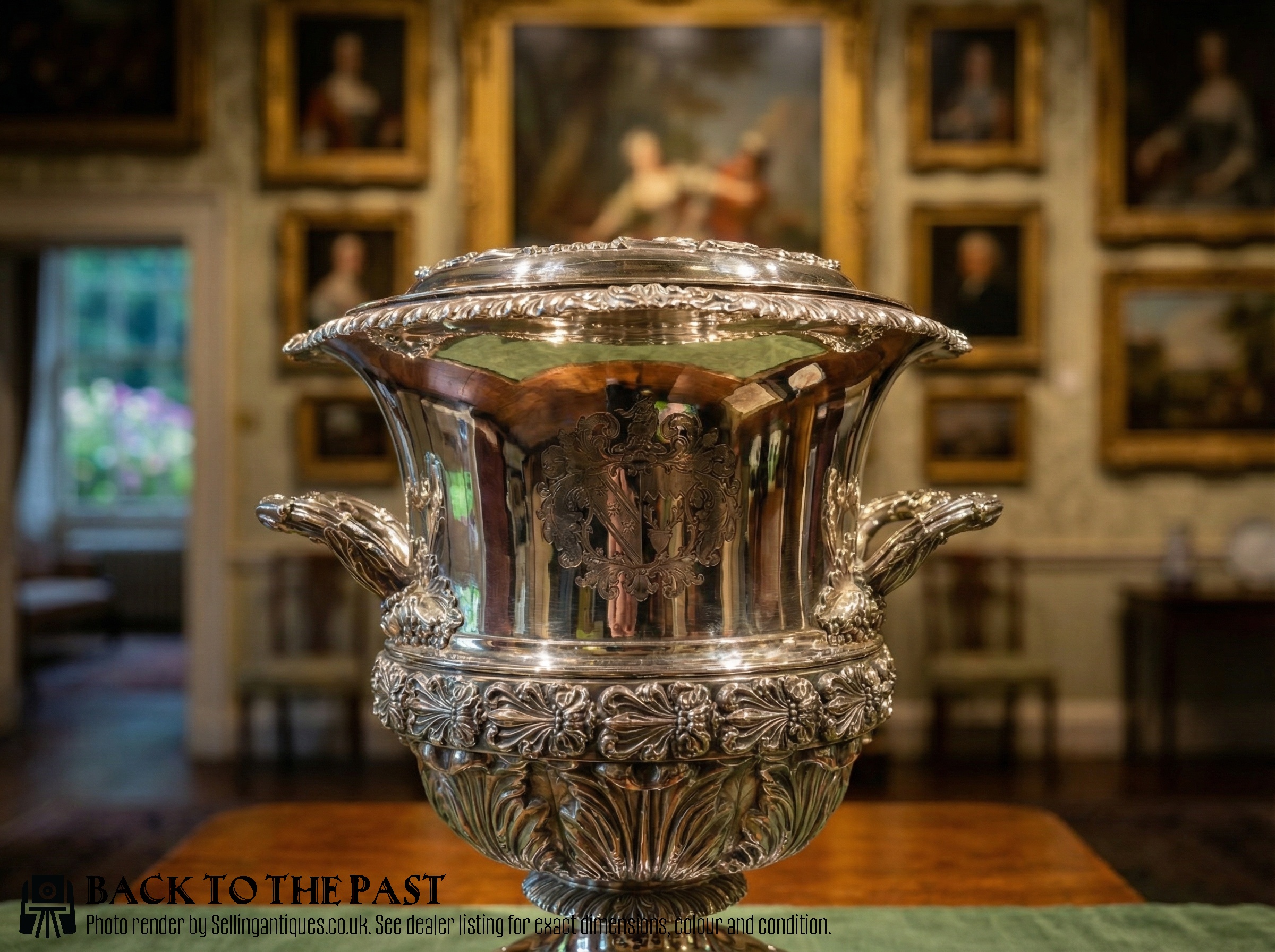
Regency Silver Barware
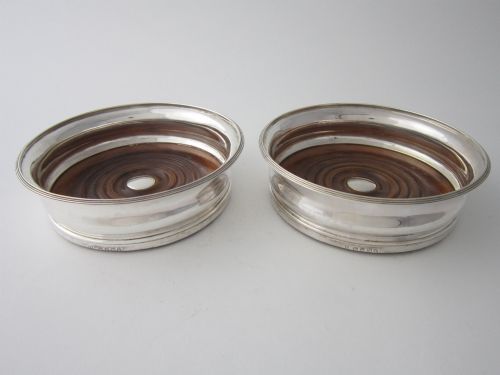
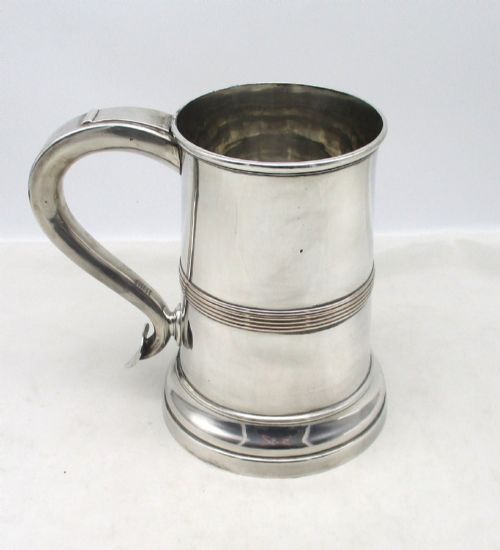
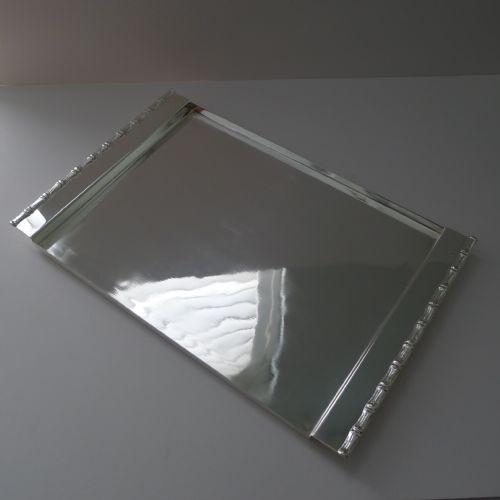
Regency silver barware encompasses specialised serving and drinking accessories designed for wine and spirits, originating primarily from the nineteenth century. Buyers searching this phrase will find authentic period items such as wine coolers, coasters, funnels, tankards, and decanter trolleys.
The selections available here lean heavily into the Georgian and Regency eras, alongside later nineteenth-century interpretations. You will frequently encounter wine bottle coasters and coolers intended to protect dining tables while keeping bottles at proper temperatures.
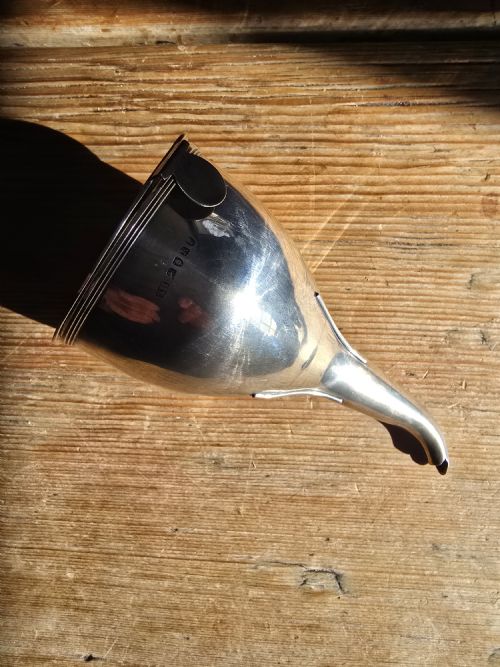
Forms range from simple sterling silver funnels to substantial Old Sheffield plated wine coolers featuring traditional metalwork. These objects serve both decorative and practical functions in modern dining spaces.
How they were made
Manufacturing methods rely heavily on sterling silver and Old Sheffield plate, a technique fusing a thin sheet of silver onto a copper base. This fusion creates durable vessels that display the rich lustre of silver while maintaining structural strength.
Silversmiths utilised traditional hammering, casting, and soldering methods to shape metal into complex curves for wine coolers and coasters. Details such as armorial engravings and applied borders demonstrate advanced hand-working skills.
What varies in quality
Quality rests in the crispness of armorial engraving, the weight of the metal, and the integrity of the silver fusion over copper. Superior pieces maintain balanced proportions and sharp decorative mounts without excessive wear to the underlying base metal.
Maker execution separates standard production items from distinguished workshop output. Finer examples exhibit careful attention to interior gilding, sturdy construction joints, and well-preserved hallmarks.
Solomon Hougham·John & Thomas Settle·Matthew Boulton & Co.
The Regency Silver Barware Glossary
- Old Sheffield plate
- A composite material made by fusing a thin layer of sterling silver to a thicker copper core. This technique predates modern electroplating and leaves a distinctive copper seam at cut edges.
- Wine funnel
- A specialised pouring accessory equipped with a removable mesh strainer. It filters sediment from older vintages as the liquid transfers into a decanter.
- Wine cooler
- A large vessel designed to hold ice and water for chilling bottles before serving. These pieces often feature heavy handles and insulated liners.
- Decanter trolley
- A wheeled carriage designed to glide smoothly across mahogany dining tables. It allows guests to pass port or wine securely around the board without lifting heavy bottles.
- Hallmark
- An official stamp struck into precious metals to guarantee purity and origin. These marks identify the silversmith, town, and year of production.
Regency Silver Barware: Frequently Asked Questions
How do I clean antique silver plate?
Use a soft cloth and a specialised mild silver polish to remove tarnish gently. Avoid harsh abrasive dips that strip away thin historical plating layers.
rinse the metal thoroughly in warm water and dry it immediately with a clean flannel cloth to preserve the surface lustre.
Can I use these wine coolers today?
These historical vessels function well for holding ice and chilling wine bottles during dinner parties. Their robust construction suits active modern use.
ensure you line or empty them promptly after use to prevent prolonged moisture contact with the interior metal surfaces.
What is Old Sheffield plate?
Old Sheffield plate is an early fusion material created by melting a sheet of silver onto a copper ingot. The combined metals are rolled out together into sheets for silversmithing.
this technique produces items with genuine silver surfaces supported by sturdy copper cores.
How do I date Regency barware?
Examine any visible hallmarks, maker stamps, or engraved ciphers for official date letters and administrative symbols. Stylistic cues like neoclassical borders also point toward specific manufacturing decades.
compare the construction seams and weight distribution against known baseline examples from the early nineteenth century.