


Regency Silver Wine Urn
A regency silver wine urn brings the grandeur of early nineteenth-century dining to the table, offering stately form and lustrous metallic surfaces.
Regency Silver Wine Urn
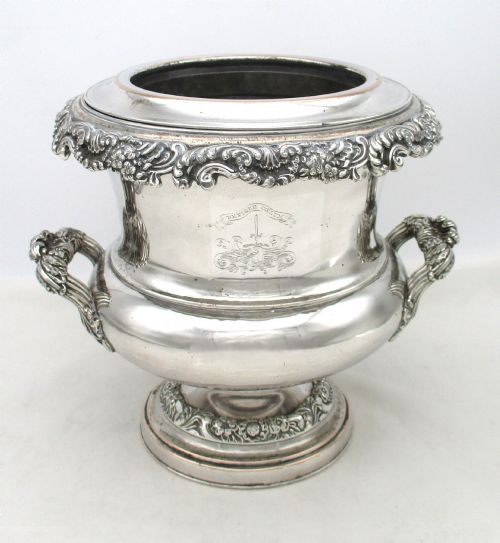
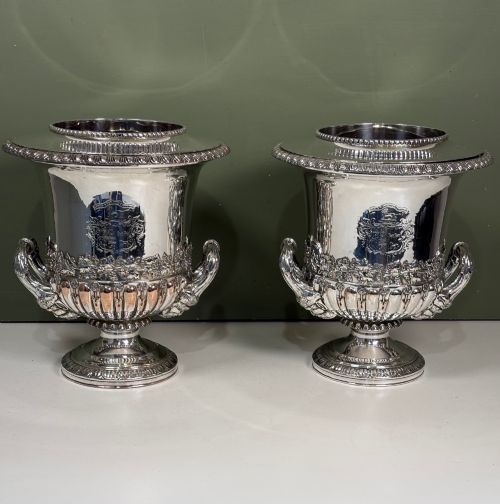
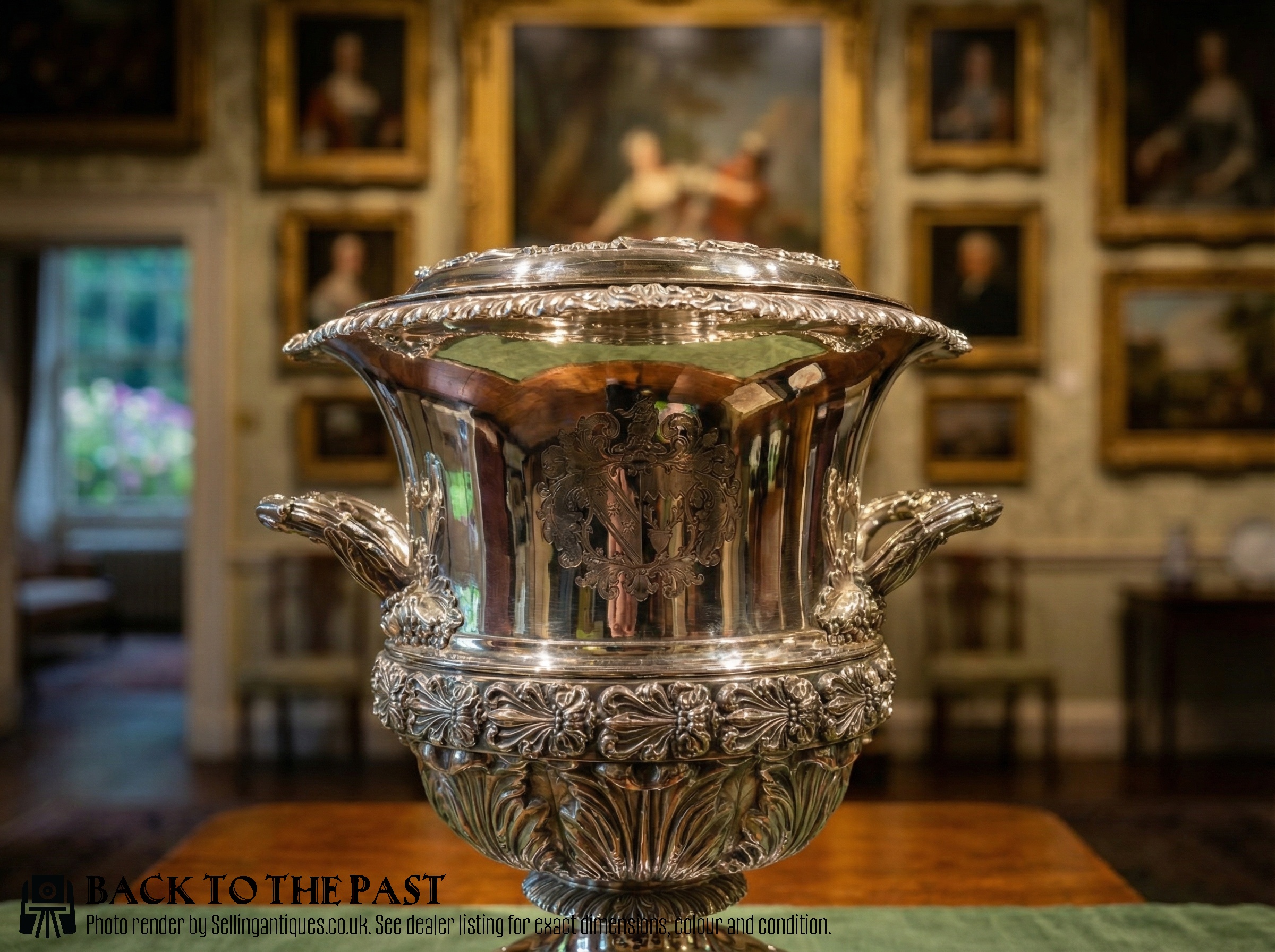
A regency silver wine urn or wine cooler stands as a commanding centrepiece from the early nineteenth century. These vessels, predominantly taking the form of wine coolers and ice buckets, date from the Georgian, Regency, and William IV periods. They emerge primarily in styles from the nineteenth century, including specific Regency and Georgian designs.
Buyers frequently encounter pairs and single vessels fashioned in the distinctive campana silhouette. The listings reveal origins rooted firmly in the 1800s, capturing the refined aesthetic of elite dining rooms from that era. Each object serves to chill wine while displaying sophisticated metallic craftsmanship.

How they were made
Silversmiths and manufacturers utilised Old Sheffield Plate and silver plate over a copper base to achieve the rich metallic lustre of a regency silver wine urn. This method fused a thin layer of silver onto a heavier copper core, allowing makers to shape grand vessels with durable structure.
Craftsmen applied decorative crests and handled substantial forms through meticulous metalworking techniques typical of early nineteenth-century workshops. The resulting pieces combined solid silver elements with plated copper to create monumental display items for the dining table.
Some wine coolers wear family crests proudly, meaning your dining table gains a silent, aristocratic house guest with its own ancient coat of arms.
What varies in quality
The distinction between standard examples and superior pieces rests upon the crispness of the campana casting and the preservation of the applied crests. Master silversmiths achieved sharper relief in decorative borders and more balanced proportions in the handles.
The integrity of the Old Sheffield Plate surface across the copper body dictates the visual depth of the vessel. Finer specimens retain their original plating balance and surface detailing without excessive wear to the underlying metal.
Matthew Boulton & Co
The Regency Silver Wine Urn Glossary
- Campana
- A bell-shaped vessel form with a flared rim and footed base. This silhouette dominates many classical wine coolers.
- Old Sheffield Plate
- An early form of plated metal created by fusing silver to a copper ingot before rolling it into sheets. This technique predates modern electroplating.
- Crest
- A heraldic design engraved or applied to the body of the silver plate. It denotes the lineage or family ownership of the original purchaser.
- Georgian
- The period spanning the reigns of the four King Georges, encompassing the dominant artistic styles of the eighteenth and early nineteenth centuries.
- Regency
- The period of the British regency and the reign of George IV, characterised by classical revival forms and refined ornamentation.
Regency Silver Wine Urn: Frequently Asked Questions
How were these urns used?
These vessels functioned primarily to chill wine and hold ice during formal nineteenth-century dining occasions. Servants placed bottles within the chilled interior to maintain optimal temperature throughout a long meal.
They also sat upon sideboards as decorative displays of wealth and social status when not actively holding wine.
How do I clean a plated surface?
Maintenance requires gentle cleaning with non-abrasive silver cloths designed specifically for plated metals. Harsh chemical dips strip the thin silver layer from the underlying copper base.
Regular, light dusting preserves the historic sheen better than aggressive polishing which wears away the historic finish.
Can I use these for wine today?
Owners frequently utilise these vessels to hold ice or bottles at modern dinner parties. The insulated metal construction still performs its original practical function effectively.
Care must be taken to dry the interior thoroughly after use to protect the historic metal surfaces from moisture damage.
How do I identify a Regency period piece?
Identification relies upon recognising classical campana forms, specific weight proportions, and the characteristic appearance of Old Sheffield Plate. Makers from the Regency era favored Greco-Roman motifs and restrained classical ornamentation.
Comparing the manufacturing style and engraved crests with documented examples helps confirm the period of origin.