



Georgian Champagne Bucket
A georgian champagne bucket is a sturdy vessel in mahogany, brass, copper, or silver plate designed to chill wine at the table.

Georgian Champagne Bucket
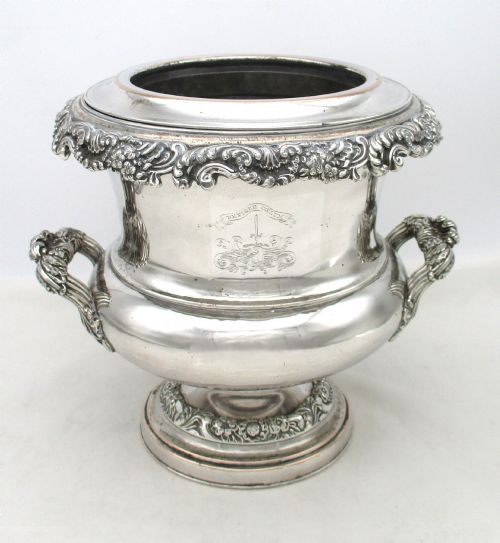
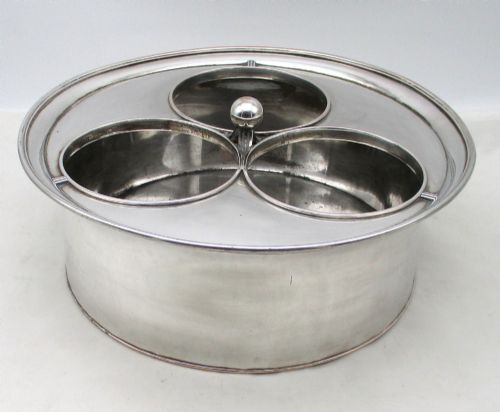
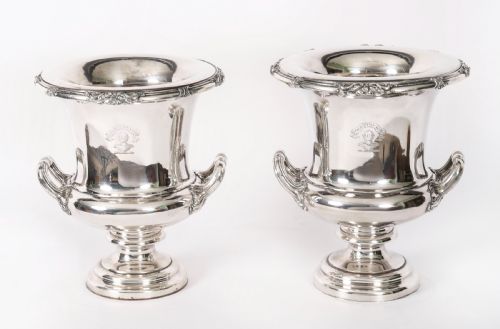
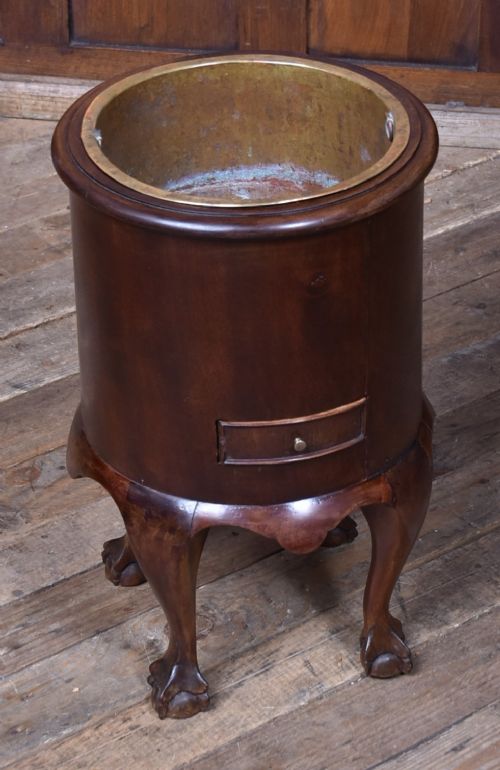
A georgian champagne bucket, often listed as a wine cooler or ice pail, serves the dining table by keeping bottles cold in ice. The selection here leans heavily towards mahogany examples with brass bands and Old Sheffield plated metal vessels from the eighteenth and nineteenth centuries.
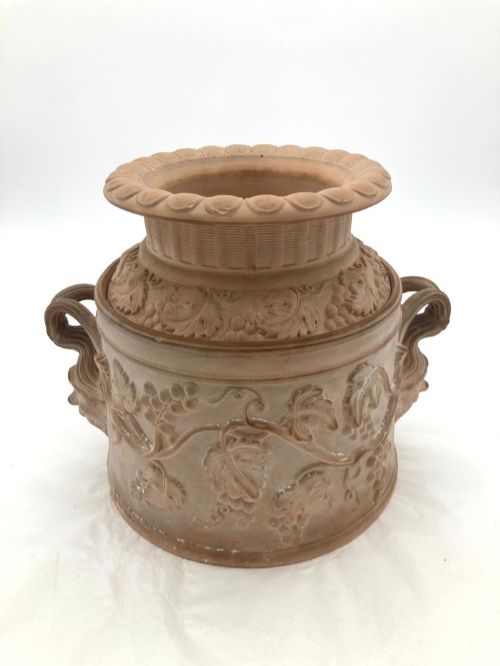
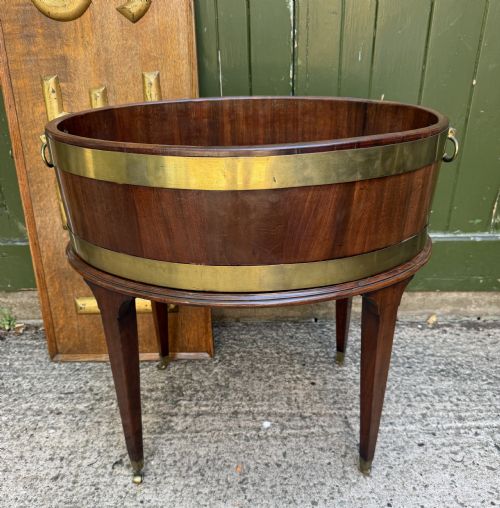
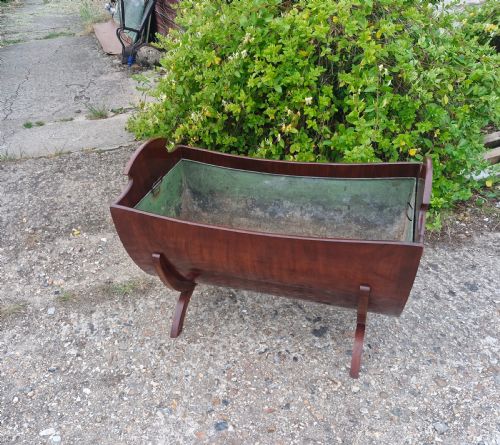
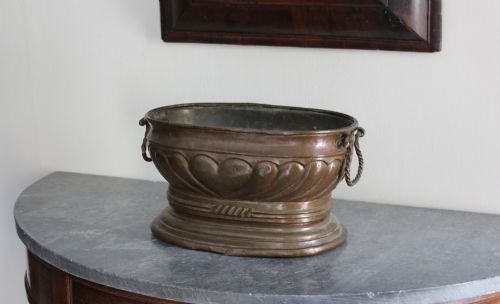
Makers and craftsmen built these objects in forms ranging from oval coopered buckets on stands to campana urns and cut crystal bowls. Many pieces cross over in utility to function as log baskets, jardinières, or planters for the home.
The periods represented span from the eighteenth century through the Regency era and into Victorian times, capturing shifts in British dining customs. Buyers encounter both single vessels and matched pairs carrying crests or coats of arms.
Materials and construction
Coopers constructed mahogany and satinwood timber buckets using wooden staves bound tightly with brass or copper bands, sometimes incorporating interior zinc linings to hold ice and water. Cabinetmakers occasionally mounted these oval bodies onto dedicated wooden stands.
Silversmiths utilised Old Sheffield plate, fusing a thin layer of silver onto a copper base, to form gleaming campana shaped urns and vessels. Potters shaped terracotta and porcelain into ice pails, while other workshops hammered sheet copper and brass into Dutch planters.
Country house guests tossed empty bottles into these deep wooden buckets while the port circulated freely after dinner.
Assessing quality and craftsmanship
Quality rests in the crispness of the cooperage, the precision of the brass or satinwood inlay, and the retention of the original metal liner. In plated wares, the integrity of the Old Sheffield silver surface over the copper core dictates the grade of the piece.
Provenance and heraldry elevate certain examples, such as those engraved with original family crests or coats of arms. Proportion and the survival of matching stands or paired vessels separate standard utility items from top tier dining accessories.
Matthew Boulton Co·Flight Barr Barr
The Georgian Champagne Bucket Glossary
- Old Sheffield Plate
- A fused bilayer metal formed by heating copper and silver together before rolling them into sheets. This technique predates modern electroplating.
- Campana
- A bell shaped vessel form with a flaring rim and a footed base, common in Regency wine coolers. The shape echoes classical antiquity.
- Coopered
- Made from curved wooden staves joined together with metal or wood bands, similar in construction to a barrel. This method suits liquid holding vessels.
- Jardiniere
- An ornamental pot or stand designed to hold growing plants or flowers. Many large wine coolers served this dual purpose in country houses.
Georgian Champagne Bucket: Frequently Asked Questions
How were these buckets used?
Dining guests placed ice and water inside the lined vessel to chill champagne or wine bottles during meals. Servants kept the heavy containers on the floor or on dedicated low stands near the table.
Over time, households repurposed these sturdy containers as log baskets by the hearth or as planters for indoor palms and flowers.
How to tell periods apart?
Eighteenth century and George III pieces often display classic mahogany staves with tight brass banding and clean oval proportions. Regency items frequently adopt the classical campana urn shape in silver plate or cut crystal.
Victorian variations introduce heavier proportions and distinct woodturning styles on stands. Makers marks and crests help narrow down the exact decade of production.
Can I use them for ice?
Original zinc or metal liners allowed the containment of ice and water without damaging the timber structure. Buyers should check the interior lining condition before adding ice today.
Many collectors prefer to use them dry as decorative objects or plant holders to preserve the antique surfaces.