
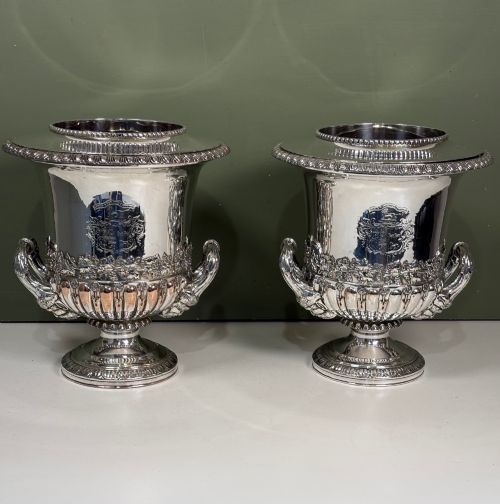


Antique Sheffield Plate Cooler
An antique sheffield plate cooler brings grand dining traditions to the table, designed to chill wine or champagne with considerable elegance.
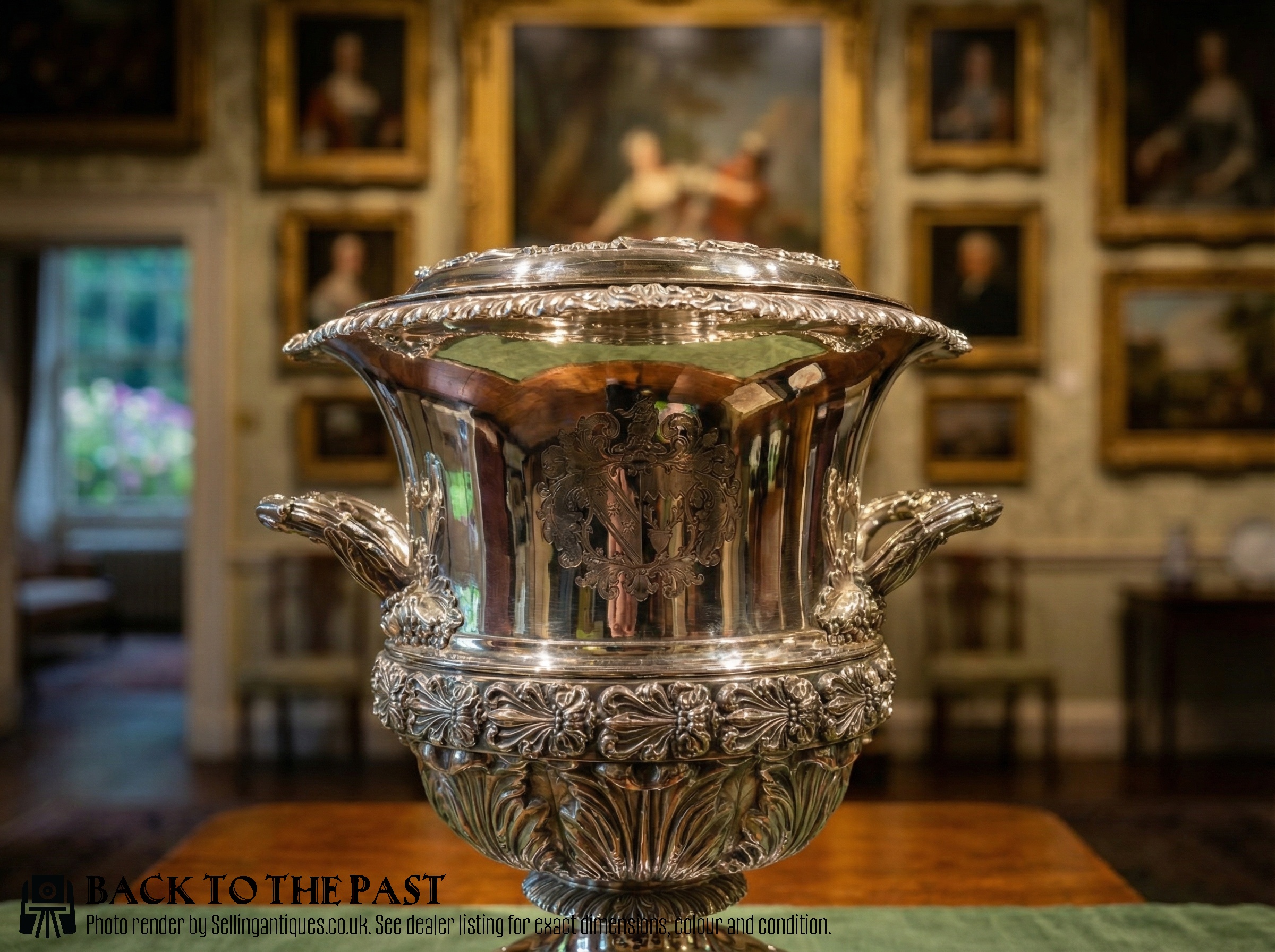
Antique Sheffield Plate Cooler
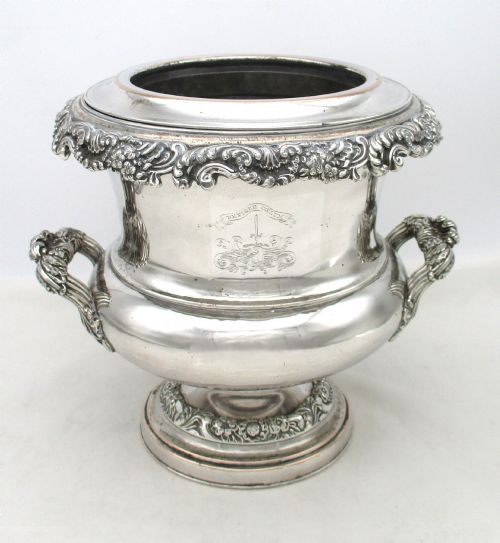
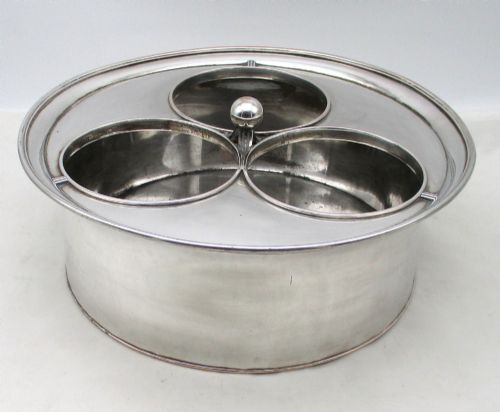
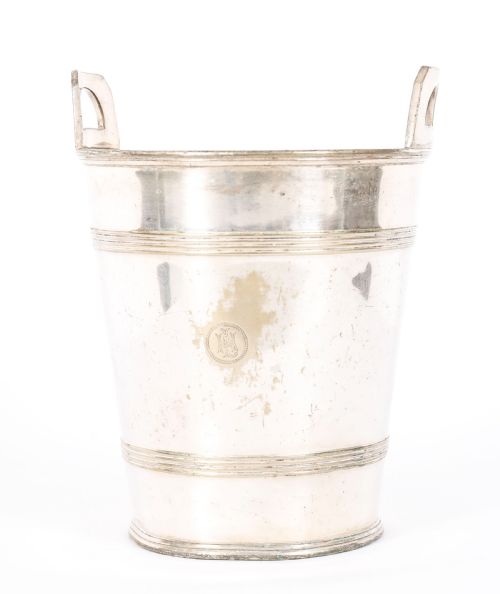
When searching for an antique sheffield plate cooler, buyers encounter substantial vessels produced primarily across the Georgian, Regency and Victorian eras. These pieces take the form of wine coolers, champagne coolers and occasionally large coasters, intended to keep bottles chilled during formal meals.
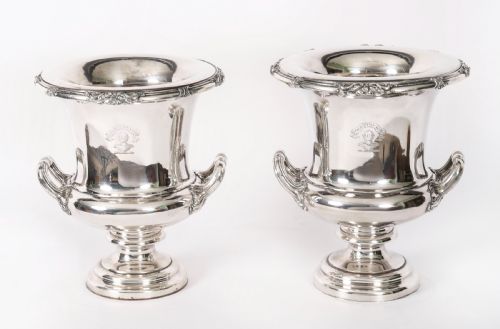
The campana shape dominates the selection, often appearing in matched pairs bearing family crests or coats of arms. Examples span the late eighteenth century through to the nineteenth century, reflecting the shifting decorative tastes of those periods.
Later iterations stretch into the twentieth century, including Art Deco designs alongside standard silver-plated forms. The core offerings remain rooted in the Georgian and Regency periods, characterised by classical proportions and substantial weight.
How they were made
Old Sheffield plate involves fusing a thin layer of silver to a thicker base metal body of copper, a technique developed in the eighteenth century. Makers fused the metals under heat before rolling them into sheets to be worked into vessels.
Smiths shaped the fused metal through raising and spinning, then applied cast decorative borders, handles and feet in sterling silver or plated mounts. This fusion method created durable pieces that exposed the underlying copper only after decades of heavy polishing.
Several coolers preserve the distinct crests of long-forgotten clans, ready to preside over modern dining tables.
What varies in quality
Quality rests heavily on the crispness of the cast mounts and the original thickness of the fused silver sheet over the copper core. Pieces displaying deeply struck crests and well-defined classical foliage demonstrate superior workmanship from master workshops.
Proportion and the integrity of the soldered joints distinguish standard utility items from distinguished presentation pieces. Retaining the internal liners and matching components elevates the standing of any surviving vessel.
Hutton Sheffield·Matthew Boulton & Co
The Antique Sheffield Plate Cooler Glossary
- Old Sheffield Plate
- A composite material made by fusing silver and copper together through heat and pressure before rolling. This technique predates modern electroplating.
- Campana
- A bell-shaped vessel profile popular during the Regency period. These wine coolers typically feature flared rims and footed bases.
- Coat of Arms
- An heraldic design engraved or applied to the body of a cooler. These markings denote the original commissioning family.
- Base Metal
- The underlying metal beneath the silver layer in plated items. Copper serves as the primary base metal in traditional Sheffield plate.
Antique Sheffield Plate Cooler: Frequently Asked Questions
How were these coolers used?
These vessels were filled with ice or cold water to chill wine and champagne bottles during grand dining occasions. Servants placed them on sideboards or directly on the dining table.
They functioned as both practical cooling equipment and status symbols, often displaying the family crest of the owner.
How do I date an antique cooler?
Dating relies on stylistic clues such as the classical campana shape typical of the Regency period versus later Victorian ornamentation. Construction methods also provide hints, as old Sheffield plate predates nineteenth-century electroplating techniques.
Engraved crests and historical records associated with specific makers help narrow the production window further.
How do I care for old sheffield plate?
Maintenance requires gentle cleaning with non-abrasive silver polishes to protect the thin layer of silver from wearing down to the copper beneath. Regular soft dusting prevents tarnish build-up without requiring harsh scrubbing.
Storing pieces in stable humidity environments protects both the metal surface and any applied crests or soldered handles.
What is the difference between plate and solid silver?
Old Sheffield plate consists of a thin sheet of real silver fused to a copper base metal rather than being solid silver throughout. This technique allowed makers to produce large, heavy vessels at a fraction of the cost of solid silver.
Examining the rim or worn spots often reveals the reddish copper hue beneath the silver surface.