



Regency Shadow Portrait
Regency shadow portraits capture profiles in fine detail, offering a striking glimpse of historical figures through delicate paper cutouts and painted likenesses.
Regency Shadow Portrait
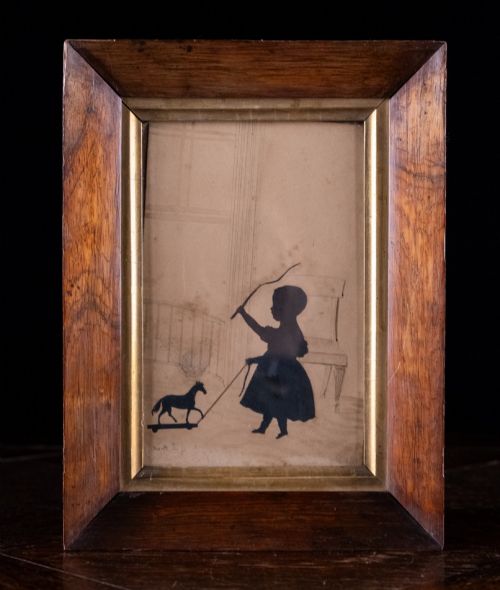
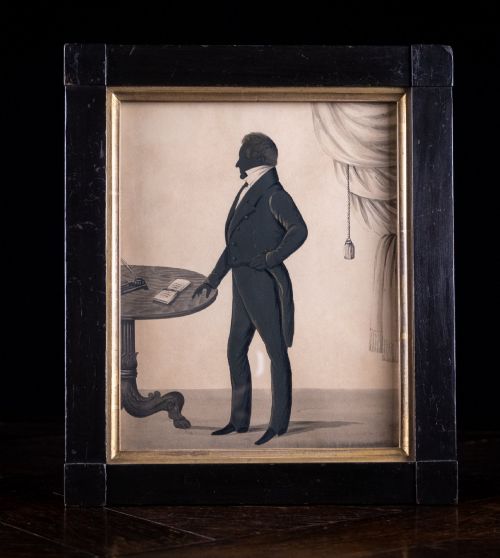
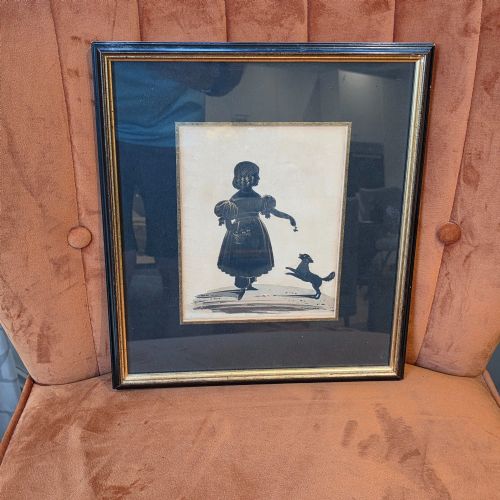
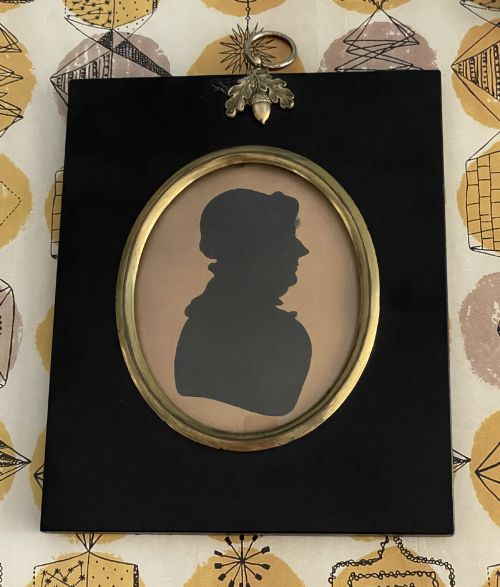
A regency shadow portrait presents the profile of a sitter in miniature, typically rendered as a paper cutout or a painted depiction against a pale background. These works emerge primarily from the nineteenth century, encompassing Georgian, Regency, and early Victorian periods.
Most examples found here take the form of framed wall art, depicting individuals, children, and sometimes pets with distinct garments such as turban caps. The formats range from single portraits to pairs, housed within traditional timber surrounds.
Makers and artists of the era utilised distinct silhouettes to record likenesses before photography became widespread, capturing subjects with notable precision in paper, ink, and watercolour.
Materials and Techniques
Frames play a crucial role in the construction, constructed from ebonised wood, rosewood, maple, or gilt wood to protect the delicate interior. Protective glass covers both painted glass panels and paper silhouettes alike.
Regency Shadow Portrait Retail Price Guide 2026
Typical asking prices for regency shadow portrait among the pieces listed under this phrase on Sellingantiques today, from the lower quarter to the upper quarter. They describe what is for sale here now, not the wider market.
Listings feature materials including glass, paper, ink, brass, wood, gold leaf, gilt wood, and ebonised wood across the nineteenth century.
Factors of Quality
The finesse of the cutting or brushwork dictates the distinction between standard examples and superior pieces, particularly where facial expressions and attire are rendered with crisp accuracy. Fine detailing in gold leaf or delicate watercolours elevates the visual complexity of a portrait.
Original framing significantly influences the character of the piece, with period frames in rosewood, maple, or ebonised wood preserving the integrity of the artwork. Provenance and identifiable signatures from established practitioners also separate ordinary works from notable artistic achievements.
Augustin Edouart·William James Hubard·James Gillespie·Frederick Frith·Thomas London
The Regency Shadow Portrait Glossary
- Silhouette
- A solid dark profile of a person, typically cut from paper or painted, designed to show the outline of a subject. This form gained immense popularity during the Georgian and Regency eras.
- Ebonised Wood
- Timber treated to imitate the dark, dense appearance of ebony. Makers frequently used this material for frames to provide a strong contrast against pale portrait backgrounds.
- Gilt Wood
- Wood treated with gold leaf or gold paint on its surface. Frames finished in this manner add decorative warmth to portrait displays.
- Portrait Miniature
- A small-scale painting or likeness created with meticulous detail. These works were often housed in domestic settings as personal mementoes.
Regency Shadow Portrait: Frequently Asked Questions
How were these silhouettes displayed?
Original owners typically hung these portraits on domestic walls as intimate memorials or family records. They were deliberately kept in small formats to cluster together or fit within private rooms.
The framing protects the delicate paper or glass surfaces from environmental damage while enhancing the profile against its background.
How do I identify the period of a silhouette?
Period identification relies upon examining the framing materials, backing papers, and the style of dress depicted in the subject. Regency and Georgian examples often feature specific garments like turban caps and high-collared coats.
Signatures, handwritten inscriptions on the reverse, and distinct framing timbers such as rosewood or maple also help narrow down the date of creation.
Are these portraits always made of paper?
While paper cutouts are common, artists also painted profiles directly onto glass using dark pigments and gold leaf. These glass-painted variations offer a glossy finish distinct from the matte texture of cut paper.
Both mediums were practiced during the nineteenth century to achieve different visual effects for the viewer.